Skip to content
Comparing temporary fencing vs crowd control barriers requires looking past the weekly rental price tag to the actual labor hours your crew burns on site. Anping Deban Metal Wire Mesh Products Co., Ltd. has spent 14 years exporting to Australia and New Zealand, and the data from our 2,000-unit weekly production lines shows a consistent pattern: the cheapest hardware usually creates the most expensive headaches during event setup.
While crowd control barriers offer rapid deployment for linear flow, the real cost driver for perimeter security is the foundation. Standard temporary fencing relies on 15-20kg concrete feet that triple your setup time, but modern recycled rubber or plastic bases can slash that labor by up to 70%. This comparison breaks down the Total Cost of Ownership for event managers who need AS 4687-2022 compliant perimeter security without the physical toll of moving heavy concrete.
Perimeter Security vs Linear Flow
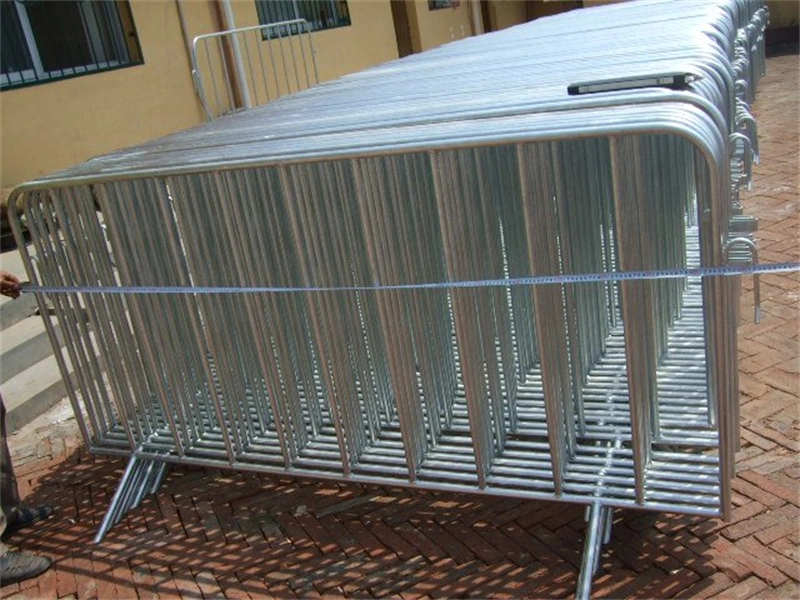
Perimeter fencing defines the secure boundary, while crowd control barriers dictate the internal human flow.
For Event Management Procurement Coordinators, choosing between perimeter security and linear flow management is not a matter of preference; it is a logistical necessity. Standard temporary fencing (6ft+ mesh) acts as a perimeter envelope, creating secure, enclosed zones for VIP areas, equipment storage, and stage perimeters. Conversely, crowd control barriers (3-4ft solid/chain-link) are strictly designed to manage linear pedestrian flow and entry points. Using the wrong asset for the wrong function leads to severe safety failures and excessive labor costs.
The optimal ROI for large-scale festivals is a hybrid approach. Industry data indicates that relying solely on heavy-duty temporary fencing for internal crowd management is inefficient due to bulk and setup time. The standard operating procedure is to deploy perimeter fencing for the outer boundary to ensure compliance and privacy, while utilizing lighter crowd control barriers for internal density and queue management. This maximizes security while minimizing the physical toll on your event crew.
Shipping volume is the silent killer of event budgets, particularly when importing from global hubs like Anping, China. Perimeter fencing panels, even with modern lightweight feet, occupy significantly more cubic volume than interlocking steel crowd control barriers. When calculating freight costs, the sheer density of temporary fencing can negate the hardware savings. As noted in our guide on importing temporary fencing to Australia, understanding HS codes and container volume optimization is critical to avoiding port delays and excessive demurrage charges.
- Perimeter Envelope: 6ft+ welded wire mesh panels. Best for anti-climb security, privacy, and defining hard boundaries. Requires bracing and heavy-duty feet.
- Linear Flow Channels: 3-4ft steel or aluminum barricades. Best for guiding queues and separating staff/attendees. Rapid deployment without tools.
- Labor Impact: Standard temporary fencing takes 5-10 minutes per section to assemble. Crowd control barriers take 15-30 seconds per unit. The labor differential is massive.
- Freight Efficiency: Crowd control barriers stack tightly, maximizing container volume. Perimeter fencing requires more pallet space, increasing per-unit shipping costs.
Setup Speed and Labor Impact
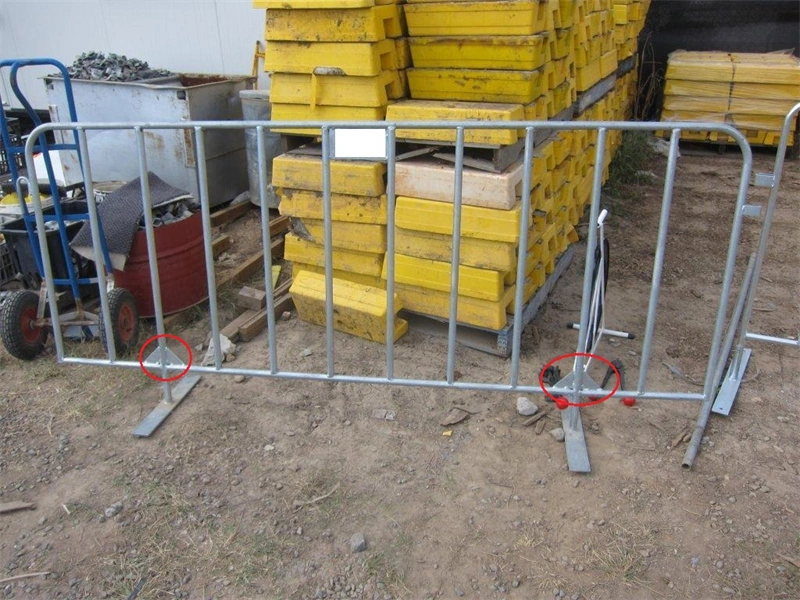
Concrete feet add 15-20kg per unit, turning a 30-minute setup into a 4-hour labor nightmare.
For event procurement coordinators, the ‘setup speed’ metric is often a trap. Standard crowd control barriers deploy in 15-30 seconds per unit with zero tools, making them the fastest option for linear flow. However, traditional temporary fencing—often required for perimeter security—takes 5-10 minutes per section. This delay isn’t usually the mesh itself; it is the physical handling of heavy concrete feet and the assembly of posts.
The hidden cost lies in the ‘Event Crew Nightmare.’ When a fence section requires a 15-20kg concrete base, the labor intensity triples. Your crew suffers from rapid fatigue, increasing the risk of injury and slowing the entire deployment process. In high-stakes festival environments, this physical toll directly impacts your KPI for on-time setup and increases the likelihood of safety compliance failures.
The solution to this labor bottleneck is the base component. While most Anping exporters outsource feet to low-cost, brittle plastic suppliers, DB Fencing operates its own plastic feet machine in Anping. This vertical integration allows for the production of proprietary recycled rubber and heavy-duty plastic feet that offer a 70% weight reduction compared to concrete.
- Deployment Efficiency: Replacing concrete bases with proprietary recycled rubber feet slashes manual labor hours by up to 40%, allowing a standard crew to deploy a full perimeter in under 2 hours.
- Material Integrity: Unlike cheap plastic feet that crack under UV exposure, DB Fencing’s in-house manufactured feet are engineered for heavy-duty outdoor festivals, ensuring the fence remains stable without the need for heavy ballast.
- Total Cost of Ownership: While crowd control barriers ($30-$75/week) appear cheaper upfront, the labor cost of moving heavy concrete bases often triples the total event cost. Lightweight fencing offers a superior ROI for perimeter security.
By choosing a temporary fencing system that prioritizes lightweight, durable feet, you are not just buying a fence; you are buying a streamlined logistics operation. This approach is particularly critical for large-scale events where the sheer volume of perimeter fencing makes manual concrete handling logistically impossible.
Durability and Weather Resistance
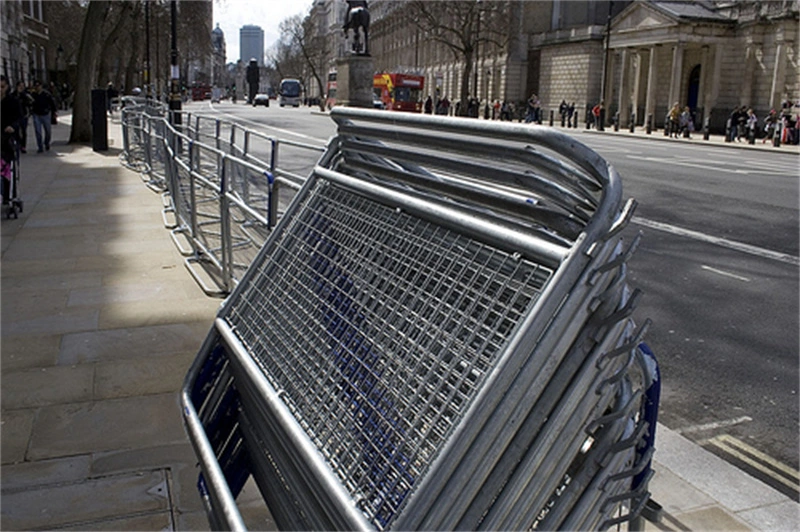
Standard zinc plating fails in coastal Australia within months; hot-dip galvanization is the only viable defense against salt corrosion.
Event coordinators often underestimate how quickly standard temporary fencing degrades in outdoor environments. The primary failure points are structural rusting and base cracking, which compromise safety and increase labor costs for replacement. While crowd control barriers are generally more robust, temporary fencing requires specific metallurgical treatments to survive the elements without failing during an event.
The industry standard for basic temporary fencing is often electro-galvanized, which provides a thin, superficial layer of zinc. This fails rapidly when exposed to moisture, UV radiation, or salt air. In harsh coastal environments, such as many Australian festival sites, this thin coating can corrode within a single season, leading to unsightly rust stains and structural weakness.
Hot-dipped galvanization is the technical solution for long-term durability. This process involves dipping the welded wire mesh panels into molten zinc, creating a metallurgical bond that is significantly thicker and more durable than electro-galvanization.
- Galvanization Thickness: DB Fencing utilizes a hot-dipped galvanized finish exceeding 42 microns. This specific thickness provides a proven barrier against corrosion, ensuring the fencing remains intact and visually acceptable for over five years of outdoor use, even in high-humidity or seaside locations.
- Material Degradation Risks: Without adequate galvanization, wire mesh fences suffer from pitting and rusting. This not only damages the aesthetic of premium events but also weakens the wire tensile strength, creating a safety hazard that can lead to fence collapse under wind load or crowd pressure.
- Wind Bracing Specifications: Durability also relies on storm prevention through proper bracing. Standard temporary fencing relies on diagonal bracing to maintain structural integrity against wind loads. Inconsistent bracing or weak connection points can lead to catastrophic failure during sudden gusts. Our panels are engineered to meet strict wind load requirements, ensuring stability in open festival grounds.
Cost Analysis and Total Ownership
The real cost of temporary fencing is labor, not hardware.
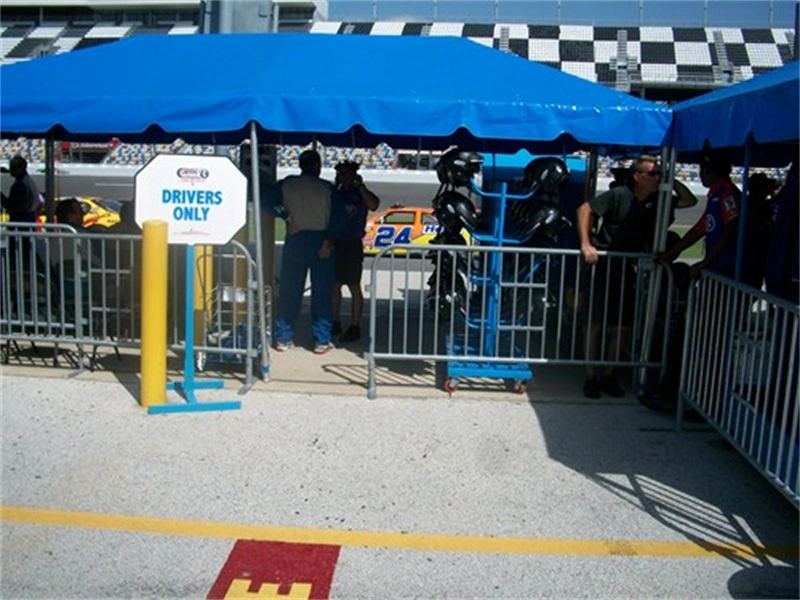
For event managers and construction project managers, the lowest upfront price is often the most expensive mistake. When conducting a cost comparison of temporary fencing vs crowd control barriers, you must look at the Total Cost of Ownership (TCO). Short-term rentals for crowd control barriers ($30-$75/week) seem cheaper than temporary fencing ($15-$30/section/week), but this metric ignores the massive hidden costs of labor, storage, and replacement.
The biggest financial leak in the industry is the ‘Concrete Foot’ penalty. Standard temporary fencing relies on 15-20kg concrete bases. Moving these across a festival site or construction yard requires excessive crew hours, increases injury risk, and slows setup times to 5-10 minutes per section. In contrast, modern anti-UV plastic feet reduce weight by up to 70%, slashing labor hours and allowing crews to deploy heavy-duty portable fences for outdoor festivals in a fraction of the time.
- Labor & Setup: Standard concrete bases require heavy lifting, extending setup to 5-10 minutes per section. Hot-dipped galvanized temporary fences with proprietary plastic feet allow for rapid deployment, saving thousands in crew wages per event.
- Storage & Transit: Crowd control barriers are bulky and take up significant shipping volume. Temporary fencing panels stack flat, optimizing container space and drastically reducing freight costs for international distributors.
- Durability & Replacement: Cheap imports fail after 5-10 events due to rusting or cracking feet. DB Fencing’s >42 micron hot-dipped galvanization and integrated foot manufacturing ensure the fence survives 50+ events, providing a superior ROI for long-term site security.
When calculating event fencing vs metal barricades ROI, the hybrid strategy wins. Use crowd control barriers for linear pedestrian flow and high-quality temporary fencing for secure perimeters. By sourcing directly from a manufacturer like DB Fencing—which operates 10 welding lines and owns its plastic feet machine—you bypass middlemen. This ensures you get AS 4687-2022 compliant products at factory-direct prices, with a low MOQ of just 100 panels to test quality before scaling up.
| Feature | Specification | Advantage |
|---|---|---|
| Initial Hardware Cost | Crowd Control: $30-$75/week | DB Fencing: Factory Direct Purchase | Lower upfront rental for barriers; DB Fencing offers low MOQ (100 panels) for cost-effective ownership |
| Labor & Setup Efficiency | Concrete Bases: 15-20kg/unit | DB Fencing: Proprietary Plastic Feet | 70% weight reduction vs. concrete slashes labor hours by up to 40% and reduces injury risk |
| Durability & Weather Resistance | Standard: Zinc Plated | DB Fencing: Hot-Dipped Galvanized >42 Microns | Ensures >5 years of outdoor resistance in harsh coastal environments, preventing rust-related failures |
| Regulatory Compliance | AS 4687-2022 / ISO9001 / SGS Certified | Meets strict Australian safety standards, eliminating liability risks and ensuring site acceptance |
| Total Cost of Ownership (TCO) | Rental vs. Asset Lifecycle | DB Fencing’s vertical integration (own feet factory) ensures consistent quality, maximizing ROI over 50+ events |
Compliance and Safety Standards
AS 4687-2022 compliance is not optional; it is the primary legal shield against event shutdowns and liability.
For Event Management Procurement Coordinators, compliance is not a bureaucratic checkbox—it is your primary defense against catastrophic liability. When crowd density spikes or a sudden gust of wind hits a festival site, the difference between a manageable incident and a lawsuit often comes down to whether your perimeter fencing meets the specific structural demands of Australian Standard AS 4687-2022. Relying on generic ‘heavy-duty’ claims from overseas suppliers is a dangerous gamble; you need verifiable engineering data that proves your fencing can withstand human impact without collapsing.
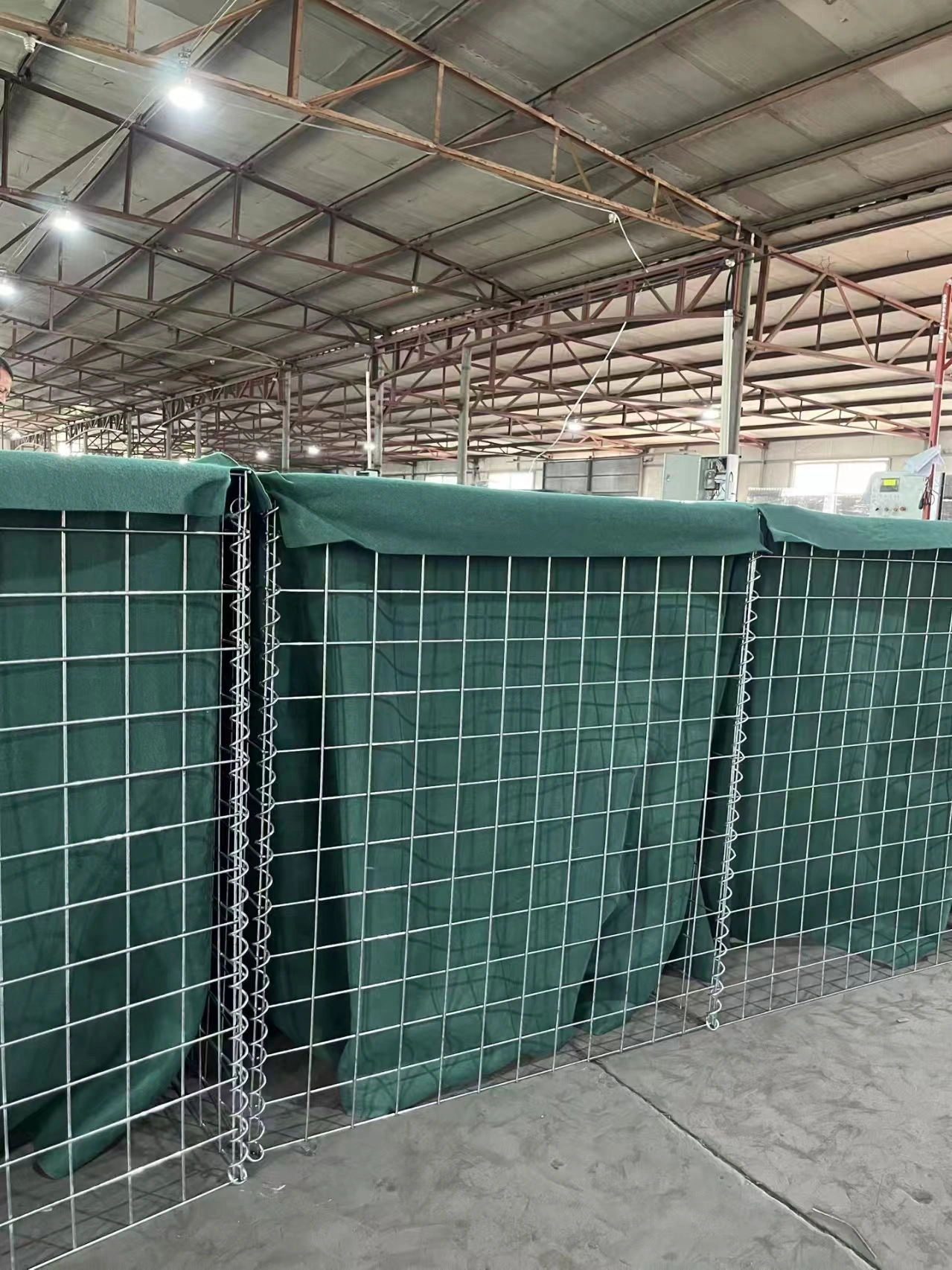
The AS 4687-2022 standard dictates precise requirements for height, mesh aperture size, and structural integrity. For temporary fencing used at public events, the mesh size is critical for anti-climb protection and visibility. Panels that deviate from these specifications create blind spots and security vulnerabilities that event organizers cannot legally ignore. Furthermore, the standard requires rigorous testing for wind load resistance, a factor that directly correlates with the quality of the galvanization and the stability of the base.
- Load-Bearing & Impact: AS 4687-2022 specifies exact thresholds for human impact resistance. Non-compliant panels often fail under the pressure of a crowd surge, leading to structural buckling. DB Fencing’s panels are engineered to meet these rigorous impact standards, ensuring that the perimeter remains intact even during high-density crowd events.
- Mesh Size & Height Compliance: The standard mandates specific mesh aperture sizes to prevent climbing and ensure visibility. Standard temporary fencing often uses oversized mesh that fails anti-climb tests. Our panels strictly adhere to AS 4687-2022 dimensions, providing the necessary security envelope for VIP areas and stage perimeters without compromising on sightlines for safety monitors.
- Liability Reduction: Using non-compliant fencing exposes event organizers to massive legal risks. If a fence fails and causes injury, the lack of AS 4687 certification is immediate evidence of negligence. By sourcing from a manufacturer that provides ISO9001/SGS certification and documented compliance, you shift the liability burden away from your organization and onto verified, professional-grade equipment.
- Galvanization Integrity: Compliance also covers durability in harsh environments. AS 4687 requires finishes that resist corrosion to maintain structural strength over time. Our hot-dipped galvanized finish (>42 microns) ensures the steel does not rust prematurely, maintaining its load-bearing capacity throughout the event lifecycle and preventing sudden failures due to material degradation.
The financial and reputational cost of a safety failure far outweighs the marginal savings of buying cheaper, non-compliant fencing. When you select DB Fencing’s AS 4687-2022 compliant temporary fencing, you are investing in a system that has been engineered to protect your event, your attendees, and your professional reputation. With a low MOQ of 100 panels, you can verify this compliance and quality firsthand before scaling up for your next major festival or construction project.
Conclusion
Crowd control barriers offer speed for linear flow, but perimeter security requires the structural integrity of AS 4687-2022 compliant temporary fencing. The real cost driver is not the hardware price, but the labor burden of moving 20kg concrete bases. Switching to hot-dipped galvanized panels with proprietary lightweight plastic feet slashes setup time and eliminates rust-related replacements, protecting your budget and reputation.
Evaluate the long-term Total Cost of Ownership for your next festival or construction site. Explore DB Fencing’s durable, factory-direct fencing solutions designed to minimize labor and maximize event safety.
Frequently Asked Questions
What is the best option for temporary fencing?
Hot-dipped galvanized temporary fencing is the best option for perimeter security and durability. It meets Australian Standard AS 4687-2022 and withstands harsh coastal environments better than standard zinc plating. Choose hot-dipped galvanized panels for long-term site security.
What are the different types of crowd control barriers?
Crowd control barriers typically include steel palisade, chain-link, and solid metal barricades. These linear barriers manage pedestrian flow and entry points without the heavy concrete bases required for perimeter fencing. Select barriers based on whether you need linear flow or solid separation.
What is the cheapest temporary fencing?
Standard zinc-plated temporary fencing panels are the most cost-effective option for short-term use. However, for long-term durability, hot-dipped galvanized panels offer better value by reducing replacement costs. Opt for zinc-plated for budget, galvanized for longevity.
What are type 3 barricades?
Type 3 barricades are heavy-duty, multi-rail steel barriers designed for high-impact traffic control. They are typically used on highways or construction zones where vehicle collision resistance is critical. Use Type 3 barricades for high-impact traffic safety zones.
What are the 4 types of barriers?
The four main types are steel palisade, chain-link, solid metal, and concrete jersey barriers. Each serves a specific purpose, from crowd management to heavy vehicle impact protection. Match barrier type to your specific security or traffic needs.