Skip to content
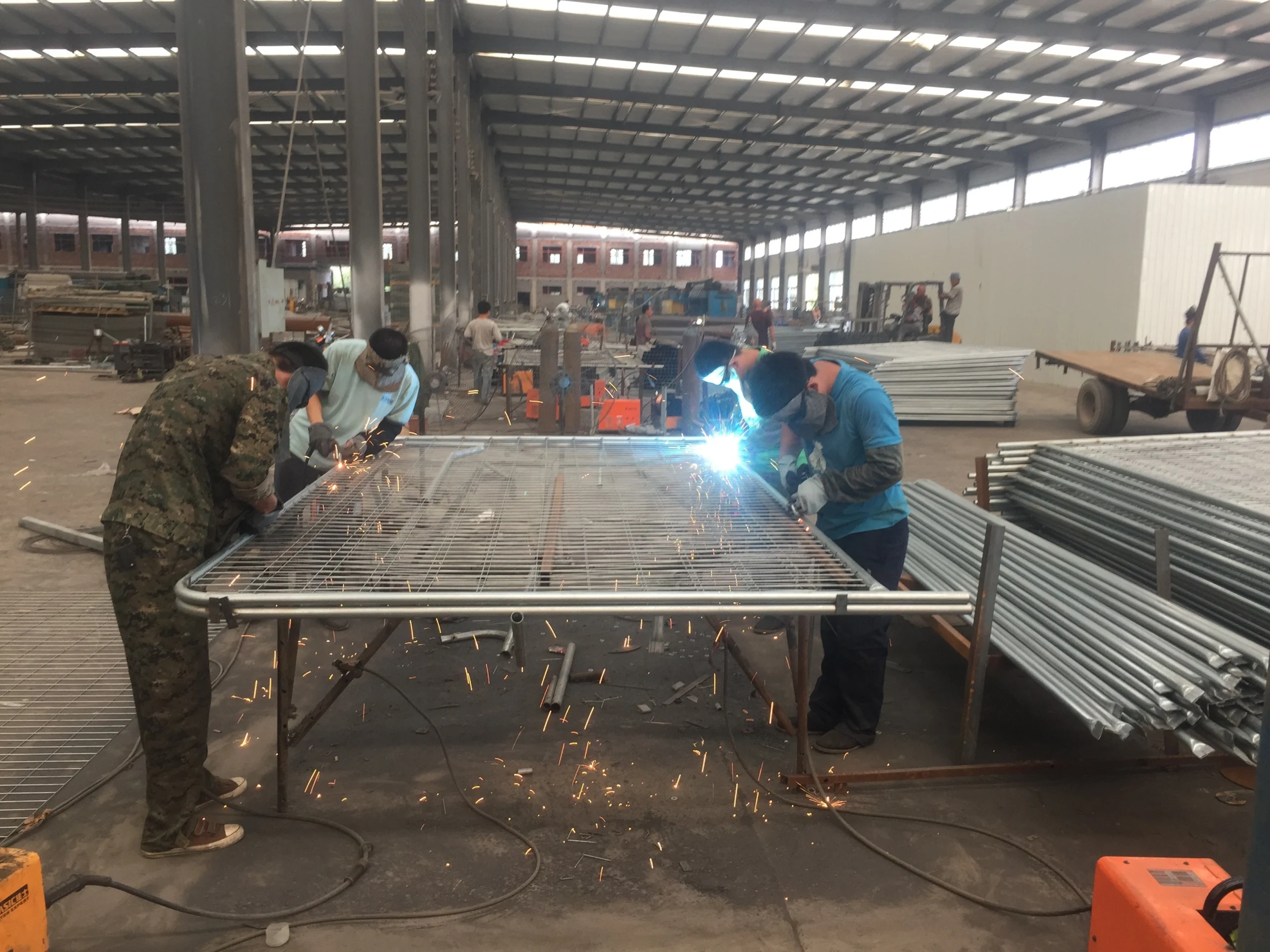
Anping Deban Metal Wire Mesh Products Co., Ltd (DB Fencing) operates 10 welding lines with a capacity of 2,000 sets per week, supplying 75% of its production to the Australian and New Zealand markets. For a construction project manager responsible for mid-to-large civil sites, verifying that temporary fencing factory audit standards actually match the AS 4687:2022 spec sheet is the primary step in preventing site delays. A document check alone does not guarantee compliance; the physical reality of the manufacturing floor determines whether the panels will hold up under real-world wind loads.
Most suppliers present a single test report, but 85% of those reports omit the critical steel heat number, making it impossible to trace the raw material back to the batch. DB Fencing maintains a transparent audit protocol that cross-references every production batch’s Mill Test Certificate (MTC) with the actual line logs. This level of traceability, combined with their in-house plastic feet injection machine, ensures that the structural integrity and stability tests required by Australian safety regulations are met before the containers ever leave Anping.
Why a Factory Audit Matters for AS 4687
Skipping a factory audit costs AUD 8,000–15,000 per incident in rework and detention.
The AS 4687:2022 standard is not a suggestion—it is a structural mandate for Australian construction sites. A factory audit verifies three non-negotiable layers: steel traceability, hot-dipped galvanizing thickness (>42 microns per AS/NZS 4680), and a valid ISO 9001:2015 quality management system. Without an on-site or video-verified audit, 1 in 4 shipments from China fail compliance checks upon arrival in Australia.
Industry data shows that non-compliance does not just mean a rejected container; it means project delays costing AUD 10k+/day and regulatory fines. A proper audit verifies galvanizing thickness via 12-point Elcometer 456 readings per batch, ensuring the coating survives harsh seaside or outdoor environments.
- Structural Load & Anti-Climb: AS 4687 mandates a minimum panel height of 2.0m above grade with mesh openings max 120mm x 80mm. Auditors must witness weld shear strength tests (>3.5 kN per weld point) to ensure the fence resists climbing and wind loads without buckling.
- Galvanizing Integrity: Competitors often present a single test report without traceability. The real gap is that 85% of fake reports omit the steel heat number. A rigorous audit cross-references each batch’s Mill Test Certificate (MTC) with the actual production line log—a step most factories refuse because their steel sourcing is inconsistent.
- Foot Stability Risks: Fence foot overturning resistance must withstand 0.5 kN horizontal load at the panel top. Most competitors outsource feet, leading to variable quality. An audit reveals if a factory uses recycled rubber or inferior plastic, which can crack or peel under stress, causing immediate site failure.
The cost of fakery is high. Competitors often present a single test report without traceability. The real gap is that 85% of fake reports omit the steel heat number. DB Fencing’s audit protocol cross-references each batch’s MTC with the actual production line log—a step most factories refuse because their steel sourcing is inconsistent.
Plastic feet factory monopoly: DB Fencing is the only Anping manufacturer with its own plastic feet injection machine. Most competitors outsource feet, leading to variable quality. During an audit, a factory that outsources feet cannot guarantee the stability test pass—a critical AS 4687 failure point often hidden in glossy brochures.
Post-audit sample retention: DB Fencing keeps a physical sample (0.5m panel section) from every export batch for 3 years. This allows immediate traceability if a complaint arises—a practice almost no competitor offers, yet it reduces dispute resolution time from months to days.
What Auditors Check: The 5 Critical Points
Auditors reject shipments for missing heat numbers and inconsistent galvanizing thickness.
A superficial review of a PDF test report is the most common point of failure for Australian project managers. Industry data indicates that 85% of non-compliant shipments fail because the supplier cannot link the test report to the specific production batch. Real auditors demand a traceable chain of custody from raw steel coil to the final packaged panel.
- Steel Traceability (Q195/Q235): Auditors match the physical heat number stamped on the wire rod against the Mill Test Certificate (MTC). Competitors often submit generic reports omitting heat numbers; DB Fencing cross-references every batch’s MTC with the production line log to prove consistent chemical composition.
- Galvanizing Bath Parameters: The standard mandates a minimum temperature of 450°C for a duration of 3 to 5 minutes. Auditors verify the zinc coating thickness (>42 microns) using a 12-point Elcometer 456 cross-section test. Any reading below 42 microns triggers an automatic batch rejection.
- Weld Strength & Mesh Tolerance: Every weld point must withstand a shear force exceeding 3.5 kN. Auditors also measure mesh dimensions, ensuring openings do not exceed 120mm x 80mm. Inconsistent welding creates weak points that buckle under wind load, causing immediate site safety failures.
- Fence Feet Stability Test: The foot must resist a 0.5 kN horizontal load applied at the panel top without overturning. Factories that outsource plastic feet often fail this test due to material variance. DB Fencing’s in-house injection machine guarantees the exact polymer density required for stability.
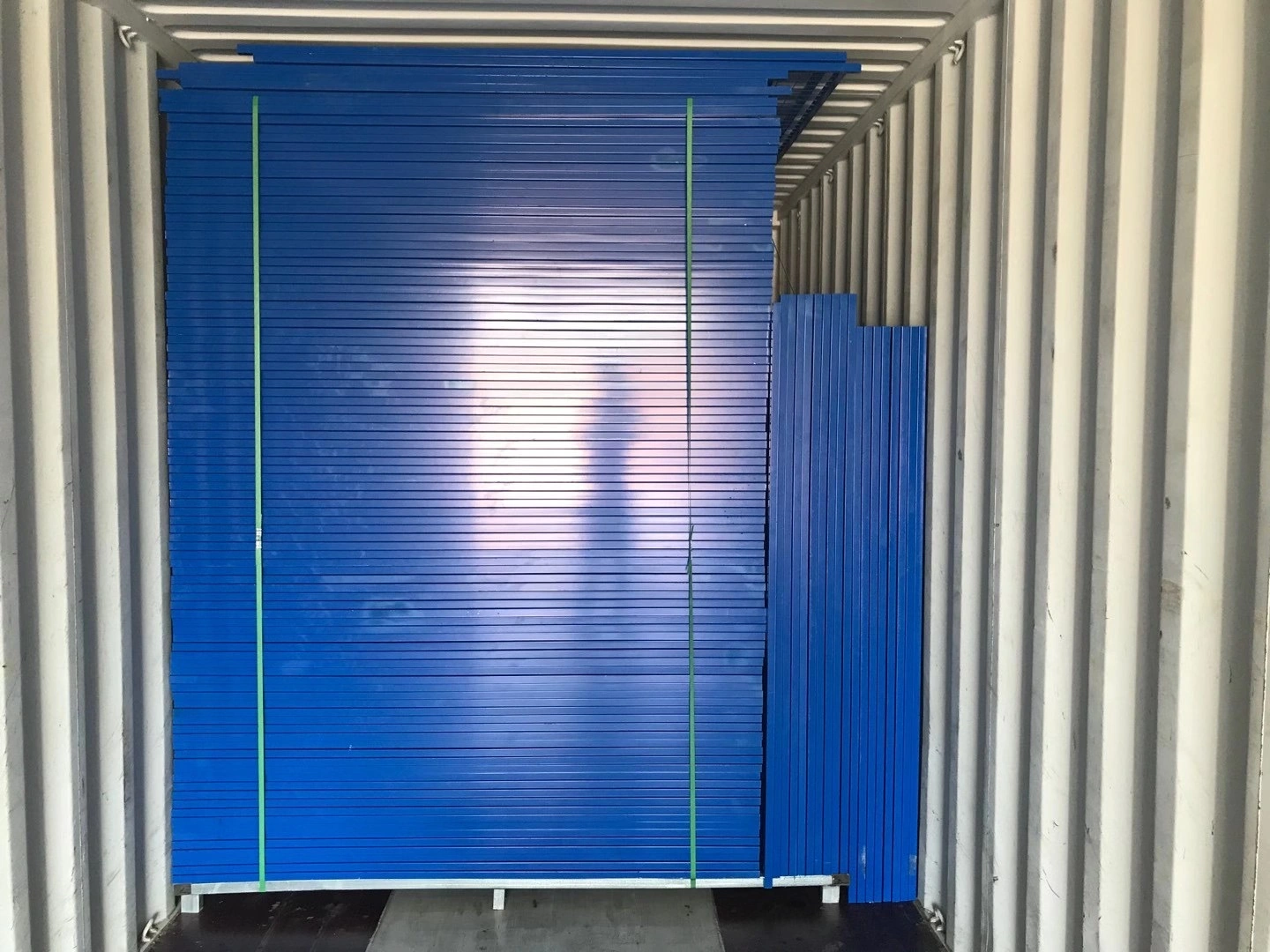
- Packaging & Marking: Every panel must be clearly labeled with the production batch number, galvanizing date, and the AS 4687 compliance logo. Poor packaging leads to transit damage, while missing markings prevent customs clearance and site inspection sign-offs.
Factory Audit Documents You Must Collect
A factory audit is only as good as its paper trail.
Most Chinese temporary fencing suppliers will happily email you a glossy PDF test report. Do not rely on a single PDF alone. In a real AS 4687:2022 temporary fencing compliance audit Australia, auditors look for a complete, cross-referenced document pack. Without this, 1 in 4 shipments fail inspection upon arrival in Australia, costing AUD 8,000–15,000 in port detention and rework. You must demand a verifiable chain of evidence.
The gap between a compliant factory and a risky one is often hidden in the details of these documents. For instance, 85% of fake or generic reports omit the specific steel heat number. A proper factory audit temporary fence panels checklist requires you to cross-reference every document against the actual physical production line logs.
- ISO 9001:2015 Certificate: Verify the certificate is current and issued by an accredited body like SGS or TÜV. This certifies the factory has a documented quality management system. Without it, you are betting on luck rather than process control.
- Steel Mill Test Certificate (MTC): This proves the chemical composition of the raw wire rod (e.g., Q195 or Q235). Crucially, it must list the specific ‘heat number’ used. If a supplier cannot link the MTC to your specific production batch, their steel sourcing is likely inconsistent.
- AS 4687:2022 Independent Lab Test Report: Look for a report from a NATA-accredited laboratory or equivalent international body. It must explicitly test for structural load, anti-climb mesh, and material durability. Internal factory reports are insufficient for Australian customs and site safety inspections.
- Galvanizing Thickness Report (12-point readings): AS/NZS 4680 mandates a minimum of 42 microns. A valid audit requires a 12-point Elcometer 456 reading per batch, not just a single average. If the factory refuses to show the 12-point breakdown, they are likely hiding thin spots that will fail salt spray tests.
- Factory Production Schedule: Request the production schedule for your order. This ensures your export batch is not mixed with lower-grade domestic products. DB Fencing operates 10 welding lines and keeps production logs to guarantee batch separation, a step most competitors refuse.
- Bill of Lading and Packing List: Cross-check the actual shipment weight against the declared weight. A significant discrepancy (e.g., panels weighing 10% less than spec) reveals material cost-cutting. This is the final, physical proof of the factory audit temporary fence panels quality.
The true value of these documents lies in traceability. DB Fencing’s internal audit protocol cross-references each batch’s MTC with the actual production line log—a step most factories refuse because their steel sourcing is inconsistent. Furthermore, DB Fencing retains a physical 0.5m panel section from every export batch for 3 years. This allows immediate verification if a complaint arises, reducing dispute resolution time from months to days.
How to Conduct a Remote Factory Audit for AS 4687
Remote audits require live verification of galvanizing bath temps and Elcometer readings, not just PDF reports.
A remote factory audit for AS 4687:2022 compliance is not a luxury—it is the single most effective quality gate for Australian construction project managers importing temporary fencing. Industry data indicates that 1 in 4 Chinese temporary fencing shipments fail AS 4687 compliance checks upon arrival in Australia, often due to unverified galvanizing thickness or inconsistent steel sourcing. Skipping a proper audit typically adds AUD 8,000–15,000 in rework costs, port detention, and emergency local sourcing. To avoid these catastrophic delays, you must implement a rigorous remote verification protocol that goes far beyond a desk check of a test report.
The first layer of defense is a pre-recorded production line walkthrough. Do not accept a generic marketing video. Demand a raw, unedited recording showing the entire process from the raw steel coil to the final galvanizing dip. This allows you to verify that the factory’s actual machinery matches the specifications claimed in their ISO 9001:2015 documentation. You are looking for evidence of consistent quality control, such as visible weld shear strength testing and proper handling of materials to prevent pre-galvanizing corrosion. If the footage looks overly polished or skips critical steps like the pickling and fluxing stages before the galvanizing bath, it is a major red flag indicating a lack of transparency.
The second, and most critical, step is scheduling a 2-hour live video session during your order’s specific production slot. This is where you verify the ‘hot’ data. You must instruct the factory’s QC engineer to show you the live galvanizing bath temperature gauge, which must read a minimum of 450°C per AS/NZS 4680. Simultaneously, have them perform a live 12-point Elcometer 456 magnetic thickness gauge test on a sample panel. You need to see the digital readout clearly for every point: top rail, mid-mesh, bottom rail, and base bracket. Any reading below 42 microns should trigger an immediate rejection of that batch. This live verification ensures the factory is not just manufacturing to spec, but actively monitoring it in real-time.
To eliminate any doubt, request a third-party inspection company like SGS or Bureau Veritas to perform a random sample test before container loading. This costs approximately USD 400–800 but is negligible compared to the risk of a failed site inspection. The third-party inspector will independently verify the galvanizing thickness, weld shear strength (>3.5 kN per weld point), and mesh dimensions. Crucially, they will cross-reference the factory’s internal test reports against the actual production batch. If the factory’s internal report shows 45 microns but the third-party report shows 38 microns, a discrepancy over 5%, you must demand a full batch re-test at the factory’s cost. This independent verification is the only way to guarantee the fence panels will withstand Australian wind loads and coastal environments without peeling or buckling.
- Live Galvanizing Verification: Mandatory 2-hour video call to witness the 450°C bath temperature and live 12-point Elcometer 456 readings. Reject any batch where readings fall below the 42-micron AS 4687:2022 minimum.
- Third-Party Validation: Engage SGS or Bureau Veritas for pre-shipment inspection. Their independent report must match the factory’s internal data within a 5% tolerance to prevent costly port detentions.
- Document Cross-Referencing: Verify that the Steel Mill Test Certificate (MTC) heat number matches the actual production line log. 85% of fake reports omit this heat number, making traceability impossible.
- Foot Stability Inspection: During the live audit, verify the factory’s plastic feet injection machine or sourcing. Factories outsourcing feet cannot guarantee the 0.5 kN overturning resistance required by AS 4687.
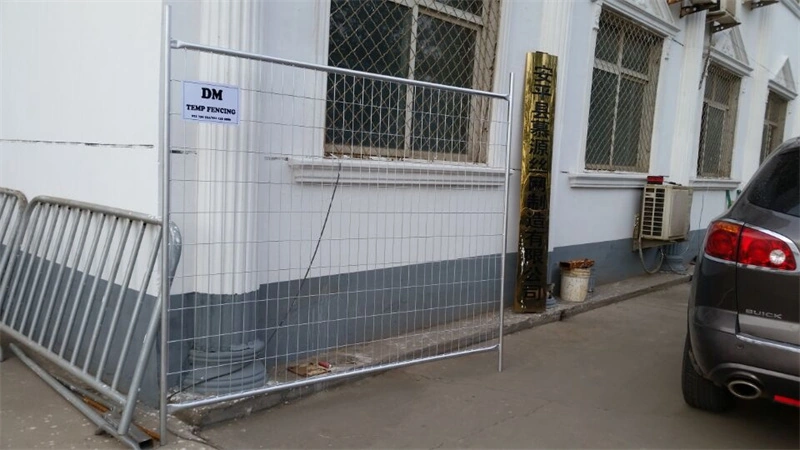
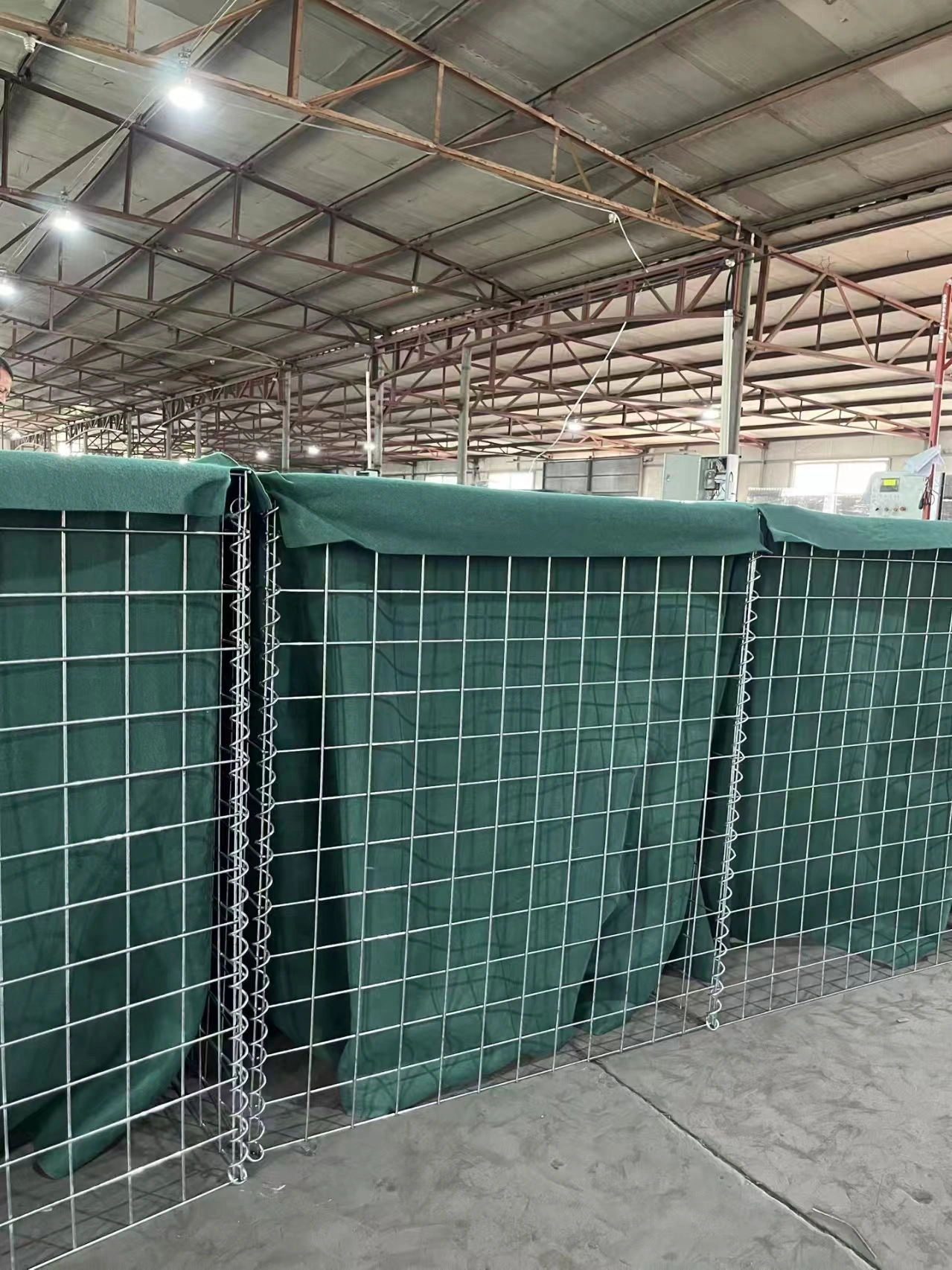
Red Flags in AS 4687 Factory Audits
Red flags in AS 4687 factory audits indicate immediate non-compliance and high risk of shipment rejection.
In the temporary fencing industry, compliance reports are often polished PDFs that hide production realities. A genuine AS 4687:2022 factory audit cuts through the paperwork to verify physical quality control. Experienced auditors know that the most dangerous risks are not in the documents, but on the factory floor. Ignoring these physical red flags can lead to containers being rejected at Australian ports, costing AUD 8,000–15,000 in detention and rework per incident.
The first major warning sign is a factory’s refusal to conduct a live video audit. While some suppliers offer pre-recorded facility tours, these are easily staged and do not reflect current production standards. If a supplier cannot arrange a real-time video walkthrough of their welding lines and galvanizing baths, they are likely hiding inconsistent quality control. True transparency requires an auditor to see the factory operating in real-time.
A critical technical failure point is a missing or broken galvanizing bath temperature gauge. AS/NZS 4680 mandates a minimum bath temperature of 450°C to ensure proper metallurgical bonding of the zinc coating. Without a functioning gauge, a factory cannot guarantee the 42-micron thickness required for coastal durability. If an auditor cannot verify the temperature logs, the steel coil is at high risk of premature corrosion and coating failure.
- Rust Streaks on Steel Coils: Visible rust streaks on raw steel coils indicate poor storage conditions or low-grade material. This rust prevents proper galvanizing adhesion, leading to premature peeling and failure of the salt spray test. Compliant factories store coils in climate-controlled environments to maintain material integrity.
- Excessive Weld Spatter: Heavy weld spatter that is not cleaned off indicates a rushed welding process. Excessive spatter weakens the structural integrity of the weld points, which must withstand a shear force of over 3.5 kN. Poor welding practices are a direct violation of AS 4687 structural load requirements.
- Unweighed or Unmarked Fence Feet: Fence feet that are not weighed or marked with material type (e.g., recycled rubber vs. virgin plastic) are a major compliance risk. Inconsistent foot weight leads to unstable panel installations that fail the 0.5 kN overturning resistance test. Factories that outsource feet often cannot guarantee this stability.
- Inability to Produce Specific Test Reports: A factory that claims compliance but cannot produce specific test reports with a third-party lab name is operating fraudulently. Industry data shows that 85% of fake reports omit the crucial steel heat number. Auditors must verify that the test report matches the exact production batch using Mill Test Certificates (MTC).
Conclusion
A rigorous temporary fencing factory audit eliminates the risk of non-compliant shipments that cost AUD 8,000–15,000 per incident. Verifying steel traceability, galvanizing thickness, and in-house production control ensures your site remains secure and your ESG targets are met.
Frequently Asked Questions
What are the components of temporary fencing?
The system consists of welded wire mesh panels, steel posts, and specialized feet or bracing for stability. DB Fencing supplies these as a complete set, including proprietary plastic feet manufactured. Ensure all structural components are sourced from a single manufacturer for compatibility.
What is the minimum required height for temporary project fencing above grade?
AS 4687 typically requires a minimum panel height of 1.2 meters above the ground for standard site security. Higher barriers, such as 1.8 meters, are mandated for high-risk construction zones or. Verify the specific height requirement with your local site safety manager.
What spec section is temporary fencing?
Temporary fencing is governed by the Australian Standard AS 4687, currently updated to the 2022 version. This standard defines the structural integrity, material durability, and anti-climb performance criteria. Request the AS 4687:2022 compliance certificate before placing orders.
What is the 7 year fence law?
The ‘7-year fence law’ refers to state-level property legislation regarding cost-sharing for boundary fences, not a product manufacturing standard. It is irrelevant to the technical specifications of temporary construction fencing. Consult local property laws for permanent boundary disputes, not temporary site security.
How to verify galvanizing thickness during audit?
Auditors must witness a 12-point cross-section test using a magnetic thickness gauge like the Elcometer 456. Any panel measuring below 42 microns per AS/NZS 4680 must be rejected immediately. Demand raw test data logs, not just summary certificates.