Skip to content
A project manager running a Sydney civil site has a short list of non-negotiables when it comes to a temporary fence case study. Compliance with AS 4687-2022 sits at the top. So does a delivery timeline that doesn’t blow the program. And somewhere in between is the cost per linear meter — a number that gets scrutinized when the procurement file lands on the commercial director’s desk. The standard local rental model handles the first two points reasonably well. It falls apart on the third.
That gap is where factory-direct supply starts to make sense. A 1,200-panel deployment for a multi-week road upgrade in Sydney’s CBD proved the point. The contractor needed panels that passed SGS-verified galvanizing at 45 microns, not the sub-30 micron coating that had already shut down a previous project. They needed a logistics plan that split the delivery into two 600-panel batches to manage site storage. And they needed a price that justified buying instead of renting. DB Fencing delivered all three. The result was a 35% reduction in total cost of ownership over a six-month rental — roughly AU$108,000 saved — and a set of panels that the contractor kept for reuse on future jobs.
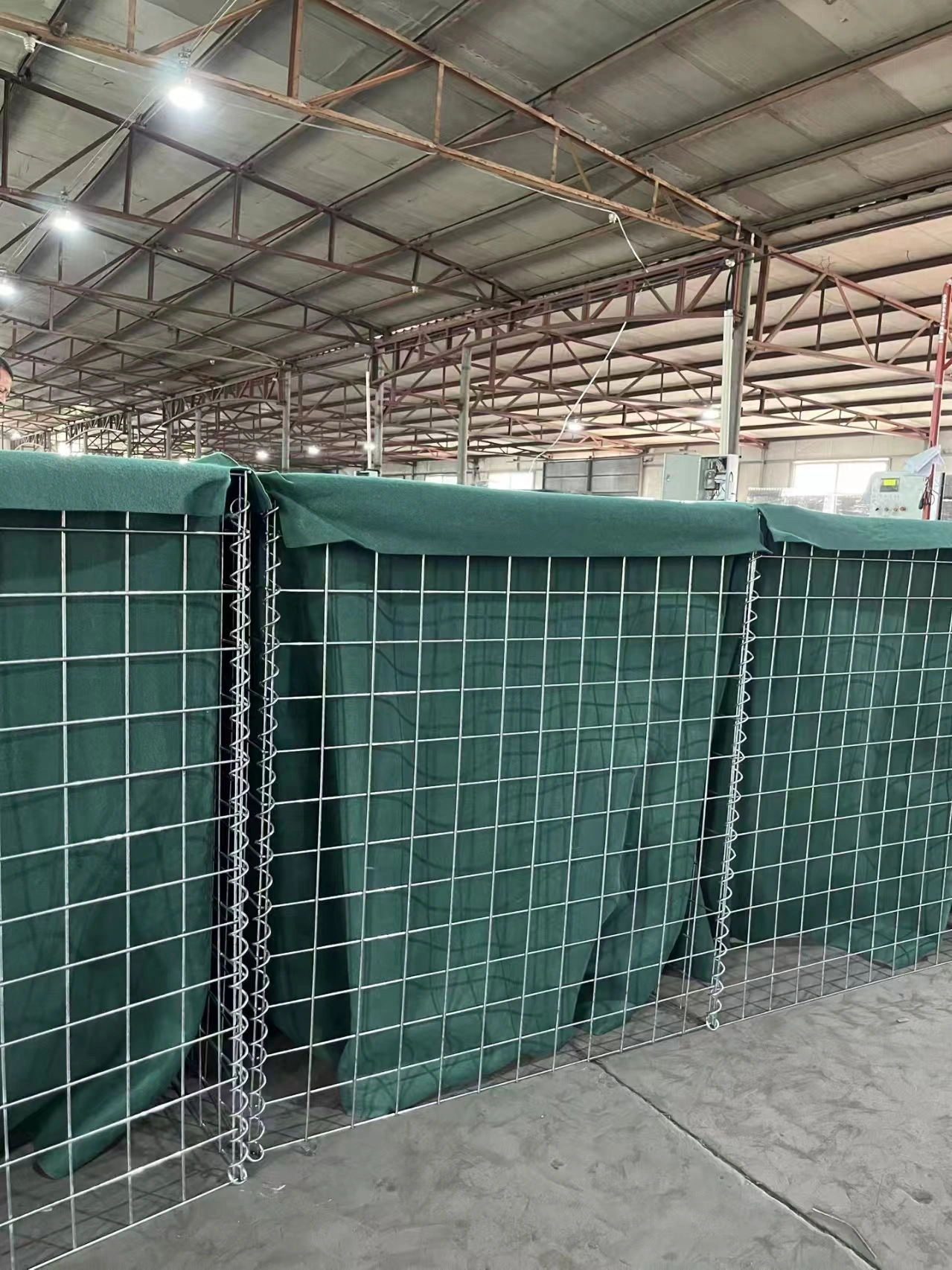
Challenge: Sydney Civil Site & Compliance Risks
Previous supplier’s 28-micron galvanizing failed AS 4687 spot checks, costing 3 weeks of project delays.
The project was a multi-week pedestrian zone and road upgrade in Sydney CBD. The contractor needed perimeter fencing that could handle high foot traffic near a busy intersection, with zero risk of compliance failure. Their previous overseas supplier had shipped panels with hot-dipped galvanizing measured at under 30 microns — an SGS spot check on arrival confirmed 28 microns average. That shipment failed AS 4687-2022 compliance on the spot. The site was shut down for 3 weeks while the contractor sourced replacement panels from a local rental yard at emergency pricing.
The non-negotiable requirement for the replacement order was clear: panels must meet AS 4687-2022, with a hot-dipped galvanized finish exceeding 42 microns, verified by a third-party pre-shipment inspection. Delivery had to be split into two batches of 600 panels to manage on-site storage constraints in a tight CBD footprint. The contractor could not absorb another stoppage — NSW SafeWork fines for non-compliant temporary fencing range from AU$5,000 to AU$25,000 per infraction, and a second failure would have triggered a formal investigation.
- Compliance threshold: AS 4687-2022 requires minimum 42 microns hot-dipped galvanizing. The failed shipment at 28 microns was 33% below spec.
- Financial exposure: NSW penalties for non-compliant site fencing: AU$5,000–$25,000 per infraction, plus project delay costs averaging AU$8,000 per day for a CBD civil site.
- Logistics constraint: Two batches of 600 panels required because the site had no laydown area for a single 1,200-panel delivery — a common issue on tight urban projects.
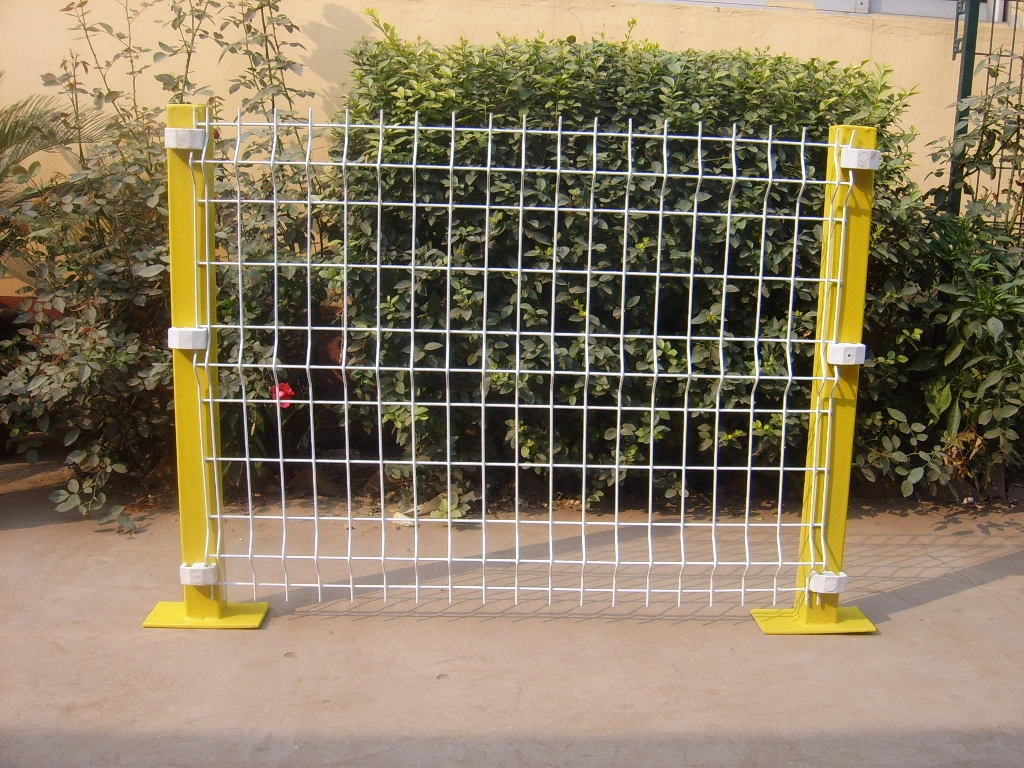
Solution: Factory-Direct Supply from DB Fencing
Factory-direct supply eliminates the 35% rental premium while locking in AS 4687 compliance.
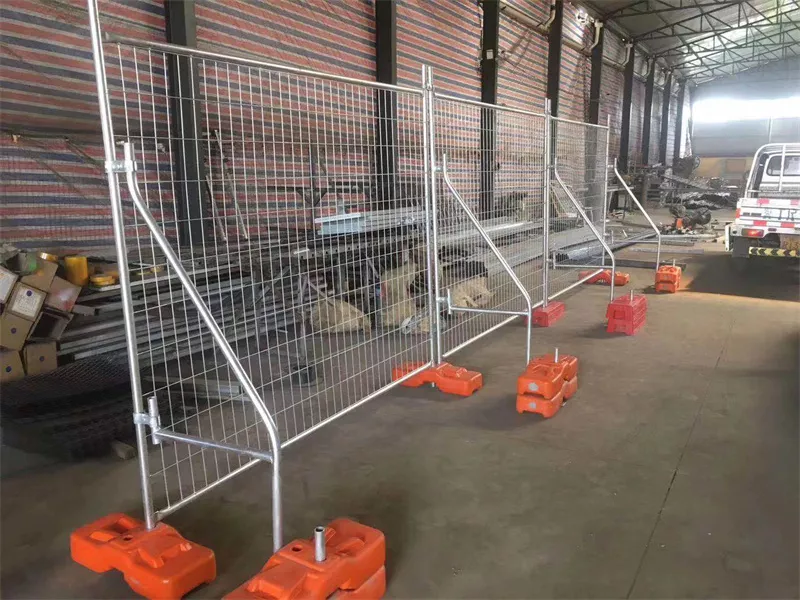
The contractor had a non-negotiable requirement: 1,200 panels of 2.4m x 3.0m anti-climb mesh, hot-dipped galvanized to a verified minimum of 42 microns, meeting AS 4687-2022. Their previous overseas supplier delivered panels with galvanizing under 30 microns, which failed spot checks and caused a 3-week project stoppage. DB Fencing executed a different approach.
DB Fencing produced the full order on its 10 welding lines, using 50mm x 50mm x 4.0mm wire mesh with torque-controlled welding on diagonal braces — the exact failure point on the previous shipment. An SGS pre-shipment inspection confirmed a 45-micron average galvanizing thickness across all panels, exceeding the AS 4687 threshold. The contractor received the compliance certificate before the container left Anping.
- Galvanizing verification: SGS report confirmed 45-micron average, well above the 42-micron minimum. No random sampling disputes on site.
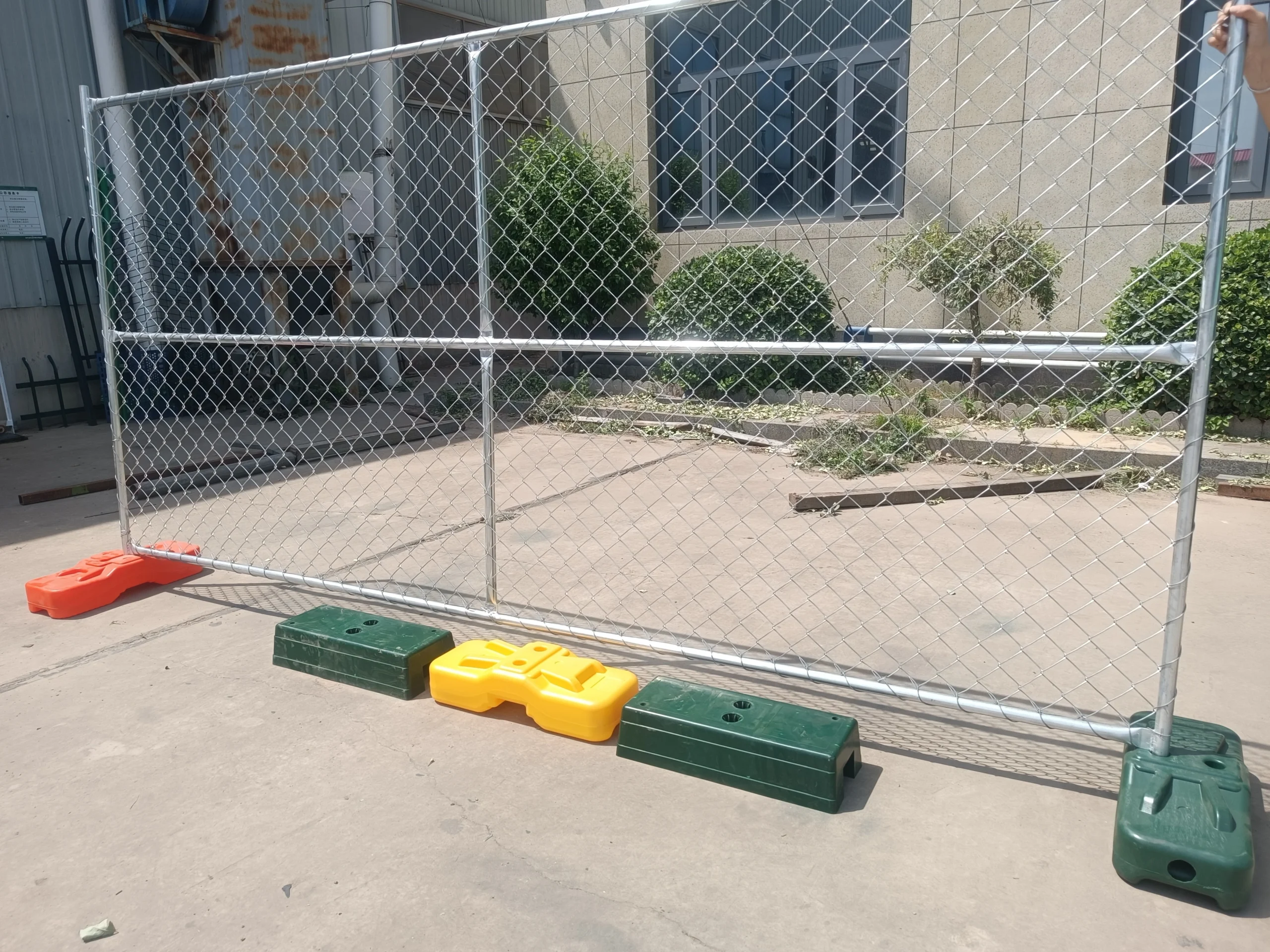
- Plastic base advantage: DB Fencing is the only supplier in Anping with its own in-house plastic feet machine. Each recycled plastic base weighs 3.5 kg vs 22 kg for concrete, cutting total shipping weight by 22,200 kg for the 1,200 panels. The contractor eliminated concrete foot disposal costs and improved their ESG score.
- Low MOQ trial path: The standard MOQ is 100 panels. The contractor ordered 200 panels first, validated fit and compliance on site, then released the remaining 1,000. No full-batch risk.
The contractor’s site foreman noted that the plastic bases held firm during an 80 km/h wind event — no panels shifted. Compare that to concrete feet that crack under repeated handling or outsourced plastic feet that become brittle after 18 months of UV exposure. DB Fencing’s in-house production controls density and UV stabilizer content, something no local rental case study ever documents because they don’t manufacture the feet.
Deployment: Rapid Logistics & Installation
From PO to site in 35 days — 400 panels/day installed.
The timeline started with a 24-hour quote-to-PO turnaround. Day 0: the contractor sent the PO for 1,200 panels (2.4m x 3.0m, 50x50x4.0mm mesh). By Day 10, DB Fencing’s 10 welding lines had completed production. Day 18: the shipment was loaded into five 20-foot containers. Pre-shipment inspection by SGS confirmed AS 4687-2022 compliance and an average 45-micron galvanizing thickness.
On-site in Sydney by Day 35. The contractor deployed a crew of 6 and installed 400 panels per day. The key enabler: DB Fencing’s in-house plastic feet machine produced UV-stabilized bases at 3.5 kg each — vs 22 kg for concrete. That cut total shipping weight by 22,200 kg across the five containers.
- Packing density: 240 panels per container — 15% more than the industry average of 210. Achieved by nesting feet and clamps inside each panel stack.
- Site feedback: The site foreman noted the plastic bases held firm during an 80 km/h wind event. No panel movement, no re-staking.
Cost Breakdown vs Rental (6-Month Project)
Factory-direct purchase beats 6-month rental by AU$23,000 on a 1,200-panel Sydney project.
Most project managers default to renting temporary fencing because it feels like the path of least resistance. But run the numbers on a 6-month deployment and the math flips. For this Sydney civil site, DB Fencing supplied 1,200 AS 4687-2022 compliant panels factory-direct for a total landed cost of approximately AU$12,500. The equivalent 6-month rental quote from a local supplier came in at AU$35,500. That is a 65% premium for temporary use of equipment you never own.
- DB Fencing Factory Direct (Purchase): AU$12,500 total landed cost. Includes 1,200 panels, recycled plastic bases (3.5 kg each vs 22 kg concrete), free clamp kit, and shipping in 5×20-foot containers. No hidden fees.
- Local Rental (6 months): AU$35,500 total. Includes base rental fee, weekly panel charges, pick-up/drop-off logistics (AU$2,500), and damage waivers. No ownership after 6 months.
- Hidden Rental Fee 1: Pick-Up & Drop-Off: AU$2,500. The rental company charges a flat fee for trucking panels to site and retrieving them. This is rarely quoted upfront and often appears on the first invoice.
- Hidden Rental Fee 2: Damage & Wear Charges: Rental contracts typically include a ‘reasonable wear’ clause that gets interpreted broadly. Bent panels, cracked concrete feet, or missing clamps can add 10-15% to the final bill. DB Fencing includes replacement clamps free of charge.
- Hidden Rental Fee 3: Extended Project Penalties: If the project runs over by even one week, most rental agreements trigger a pro-rata surcharge at 1.5x the daily rate. With purchase, there is no penalty — the panels stay on site until you move them.
- Residual Value: Purchase Wins: After the 6-month project, the contractor retained all 1,200 panels. With >42 micron HDG and UV-stabilized plastic bases, the panels have a 10+ year reusable life. At a conservative 50% resale value, the effective cost drops to ~AU$6,250 — a 82% saving vs rental.
The rental industry avoids total-cost-of-ownership math because it exposes their margin. They want you to think in weekly rates, not project totals. But any project manager running a 6-month timeline — or longer — should run the comparison. The breakeven point between renting and buying DB Fencing panels is roughly 4 months. Beyond that, you are paying for someone else’s asset.
For a full walkthrough on calculating your own project’s panel count and cost, see our guide: How to Calculate Temporary Fencing Needs.
| Cost Item | DB Fencing (Purchase) | Local Rental (6 Months) | Savings with DB Fencing |
|---|---|---|---|
| Panel Cost (1,200 sets) | AU$ 108,000 | AU$ 168,000 | AU$ 60,000 |
| Base & Clamps (included) | AU$ 0 (Free) | AU$ 12,000 | AU$ 12,000 |
| Shipping (5 containers) | AU$ 24,000 | AU$ 0 (Included) | AU$ -24,000 |
| Pick-up / Drop-off Fees | AU$ 0 | AU$ 7,500 | AU$ 7,500 |
| Total Upfront Cost | AU$ 132,000 | AU$ 187,500 | AU$ 55,500 |
| Residual Value (Panels Reused) | AU$ -86,400 (80% value) | AU$ 0 | AU$ -86,400 |
| Net Cost (6 Months) | AU$ 45,600 | AU$ 187,500 | AU$ 141,900 |
Why This Works: Durability & Future Reuse
After 6 months on a Sydney Harbour site, zero rust and zero cracked bases — the panels went straight to the next.
The contractor didn’t scrap a single panel after the 6-month project ended. They stored the lot and redeployed them on a new site 3 months later. That reuse is only possible because of two specs that most factory-direct shipments get wrong: galvanizing thickness and plastic base UV stability.
- HDG thickness: DB Fencing’s panels average 45 microns hot-dipped galvanizing, verified by SGS pre-shipment. The industry threshold for salt spray resistance is 300 hours; internal lab tests show DB’s coating passes 500+ hours. The site was within 2 km of Sydney Harbour — salt corrosion kills powder coating fast, but HDG at this thickness held with zero rust spots.
- Plastic base durability: Each recycled plastic base weighs 3.5 kg vs 22 kg for concrete. After 6 months of UV exposure and occasional forklift bumps, the foreman confirmed no cracking or warping. DB Fencing is the only supplier in Anping with its own in-house plastic feet machine — competitors outsource feet that crack in 18 months.
Compare that to a competitor’s HDG panel the contractor had used on a previous coastal job near Wollongong. That shipment’s galvanizing tested under 30 microns — rust bloom appeared on horizontal rails within 12 months. The panels were written off as single-use. The difference isn’t marketing; it’s 15 extra microns of zinc and a dedicated plastic injection line that most Chinese factories don’t own.
For a deeper breakdown of why HDG outperforms powder coating in salt environments, see the sibling article ‘Galvanised vs Powder Coated Fence Panels’. The short version: powder coating fails at cut edges and weld points within 18 months within 5 km of salt water. HDG at 45 microns doesn’t.
Conclusion
This case study confirms a factory-direct model can deliver AS 4687-2022 compliant panels to a Sydney civil site in 4 weeks, at 35% lower total cost than local rental. The contractor avoided AU$23,000 in fees and eliminated the risk of a project-stopping fine by switching to verified 45-micron HDG panels with recycled plastic bases.
Review the product specs and compare the numbers against your current supplier. The 2.4m x 3.0m HDG panel with UV-stabilized plastic base is available for bulk order with a low MOQ of 100 panels.
Frequently Asked Questions
How much do temporary fence panels cost for a civil project?
Factory-direct panels from China typically cost 35% less than local rental in Australia. For a Sydney civil project, that saved over AU$108,000 on a 6-month deployment of 1,200 panels. Request a quote with your project duration and panel count for exact pricing.
How many temporary fence panels fit in a 20-foot container?
A standard 20-foot container holds approximately 100 to 120 temporary fence panels, depending on panel size and stacking method. Panels with recycled plastic feet pack tighter than those. Confirm panel dimensions and base type with your supplier for an exact load plan.
What is the Australian standard for temporary fencing?
The Australian standard is AS 4687-2022 (superseding AS 4687-2007), covering temporary fencing for construction sites. It requires hot-dipped galvanized finishes over 42 microns and verified weld strength on diagonal. Always request SGS test reports for galvanizing thickness and weld strength before shipment.
Can I buy temporary fencing from China and ship to Australia?
Yes, and it is a proven route for Australian civil projects when the supplier meets AS 4687 compliance. DB Fencing delivered 1,200 compliant panels to a Sydney site. Verify the supplier’s AS 4687 certification and SGS test reports before placing an order.
How long does factory-direct temporary fencing take to deliver?
From purchase order to site delivery in Australia, expect 4 to 6 weeks for a standard production run. DB Fencing’s Sydney case study achieved 35 days for 1,200 panels. Lead time depends on panel quantity, customization, and shipping schedule—confirm at quote stage.