Skip to content
The temporary fencing cost per linear foot is the standard metric rental yards use to lock you into expensive monthly contracts, but the real calculation for Australian construction managers involves the total cost of ownership. DB Fencing, a manufacturer in Anping County, China, operates 10 welding lines and produces up to 2,000 sets weekly, providing factory-direct pricing that eliminates the middleman markups driving up local rental rates. For projects extending beyond a year, purchasing hot-dipped galvanized panels at $180-$220 AUD per 3m panel delivers a 60% savings compared to monthly rentals that charge $8-$12 per linear foot.
Most rental quotes fail because they exclude installation fees, damage waivers, and removal costs, while often supplying electro-galvanized wire under 15 microns that rusts in coastal NSW and VIC within six months. By sourcing AS 4687 compliant temporary fencing directly from a facility with its own plastic feet machine, buyers secure hot-dipped finishes exceeding 42 microns that last the full project lifecycle. This direct import route bypasses the 3x-4x overseas rental markups, ensuring your site remains compliant and secure without draining the project budget.
Why Most Temp Fence Quotes Fail: Hidden Costs
Standard per-foot quotes are deceptive.
Local rental yards market temporary fencing using an attractive ‘price per foot’ metric to secure your initial inquiry. This headline figure is a trap. It systematically excludes the operational realities of a 2026 Australian construction site. When you calculate the true Total Cost of Ownership (TCO), the rental model often exceeds the capital expenditure of buying AS 4687 compliant panels outright.
A standard rental quote rarely accounts for the $100 to $500 installation and dismantling fees required to deploy and recover the barrier. Furthermore, rental contracts frequently impose aggressive damage waivers and removal costs. These hidden line items can inflate your monthly budget by 40%, turning a cheap rental into an expensive liability.
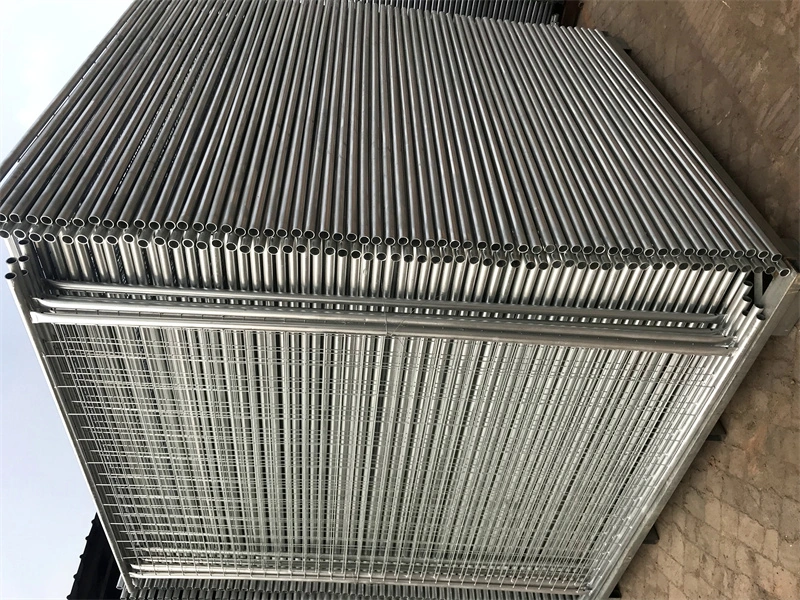
The most dangerous hidden cost is the risk of non-compliant stock. Many rental yards utilize electro-galvanized wire with less than 15 microns of coating. In coastal NSW or VIC, this material rusts within six months. If your temporary fence fails an AS 4687 inspection, you face immediate project stoppages and heavy fines.
Replacing non-compliant stock mid-project incurs massive logistical costs and delays. Factory-direct purchasing of hot-dipped galvanized panels (>42 microns) eliminates the middleman markup and guarantees compliance. This prevents the catastrophic costs associated with council shutdowns and re-work.
-
- Installation & Dismantling: Rental quotes rarely include the $100-$500 labor required to install and remove the fence. Factory-direct purchases include all necessary components for rapid deployment.
- Damage Waivers: Rental agreements often charge penalties for minor dents or missing clamps. Buying the asset transfers this risk to you, allowing normal wear and tear without penalties.
- Removal Costs: End-of-project removal fees are a standard rental trap. Purchasing panels allows you to redeploy them on future projects or sell them, eliminating disposal fees.
- Compliance Failure Risk: Cheap rentals often fail AS 4687-2022 standards. A failed inspection stops your site. Investing in verified, hot-dipped galvanized stock prevents project stoppages.
| Hidden Cost Factor | Standard Rental/Quote | True Cost Impact | DB Fencing Solution |
|---|---|---|---|
| Galvanization Thickness | Electro-galvanized (<15 microns) | Rusts in 6 months (NSW/VIC); requires full replacement, doubling TCO. | Hot-dipped (>42 microns); lasts full project lifecycle, zero replacement cost. |
| Compliance Risk | Non-AS 4687 compliant panels | Site stoppages, fines, and re-work delays due to failed safety inspections. | Certified AS 4687-2022/2007; SGS tested; ensures uninterrupted project progress. |
| Logistics & Components | Generic/heavy feet or missing bases | Higher ocean freight costs and difficult on-site installation labor. | In-house plastic feet manufacturing; optimized weight reduces shipping and simplifies setup. |
| Middleman Markups | Local yard rental (3x-4x markup) | Paying for storage, handling, and distributor margins instead of product quality. | Factory-direct pricing; eliminates intermediaries for maximum capital efficiency. |
Real Cost Breakdown: Rent vs. Buy in 2026
Buying hot-dipped galvanized panels ($180-$220 AUD per 3m) saves 60% over rentals for projects exceeding 12 months.
Local rental yards in Australia typically charge between $1.50 and $4.00 per linear foot per month. While this seems manageable for a short-term event, the costs escalate rapidly on long-duration civil engineering projects. For a 500-foot perimeter, you are looking at a monthly burn rate of $750 to $2,000. Over a 12-month build, this totals $9,000 to $24,000, excluding any damage or extended rental fees.
Purchasing a factory-direct, AS 4687 compliant fence costs approximately $180 to $220 AUD per 3-meter panel. When you calculate the total cost of ownership, the break-even point occurs between 12 and 14 months. After this threshold, purchasing becomes significantly cheaper than renting, especially when you factor in the lifespan of the asset.
-
- Hidden Rental Costs: Rental quotes often exclude installation, removal, and damage waivers. If a panel is bent or a foot is lost, you are charged full replacement value plus a penalty fee, which can quickly negate any initial rental savings.
- Disposal and Logistics: At the end of a rental, you pay for removal and transport. If you buy, the panels are reusable assets. You can redeploy them to other sites or sell them back to a distributor, recovering up to 40% of your initial capital expenditure.
- Compliance Risk: Cheap rental stock often uses electro-galvanized wire (<15 microns). In coastal NSW or VIC, this rusts within six months, failing AS 4687 inspections. Buying hot-dipped galvanized panels (>42 microns) ensures the asset remains compliant for the entire project lifecycle.
For any project extending beyond a year, purchasing is the superior financial decision. It eliminates the recurring monthly markup and provides a durable, compliant asset that meets strict Australian safety standards. Factory-direct import costs are transparent, and you avoid the hidden markups of local middlemen.
| Metric | Rent | Buy (Factory-Direct) | Key Insight |
|---|---|---|---|
| Upfront Cost (per 3m Panel) | $0 (Included in monthly fee) | $180 – $220 AUD | Buying requires CAPEX but eliminates recurring rental fees after ~12 months. |
| Monthly Recurring Cost | $8 – $12 per linear foot | $0 (After initial purchase) | Rentals accumulate significant costs over time; buying has zero marginal monthly cost. |
| Compliance & Durability | Often Electro-Galvanized (<15 microns); High rust risk in coastal AU | Hot-Dipped Galvanized (>42 microns); AS 4687 Certified | Cheap rentals fail AS 4687 inspections in NSW/VIC coastal zones within 6 months. |
| Hidden Fees & Logistics | Includes installation, removal, damage waivers, and disposal fees | Includes FOB shipping; Import duties apply; No disposal costs | Factory-direct import removes middleman markups (3x-4x) and avoids rental damage penalties. |
| Break-Even Point | Never breaks even (ongoing expense) | 12 – 14 Months | For projects >12 months, buying offers ~60% total savings compared to monthly rentals. |
AS 4687 Compliance: How Cheap Fencing Costs More
Non-compliant fencing fails AS 4687 in weeks, not years, turning cheap imports into expensive liabilities.
In the Australian construction sector, a fence panel that looks identical on paper but lacks proper galvanization is a ticking time bomb. The Australian Standard AS 4687-2022 is not a suggestion; it is a strict regulatory requirement for temporary site security. When a project manager opts for a cheaper, non-compliant fence to save on initial capex, they are ignoring the severe financial penalties that follow when the fence fails a safety inspection.
The core differentiator is the metallurgical barrier. High-quality temporary fencing utilizes a hot-dipped galvanization process that coats the steel in a minimum of 42 microns of zinc. This thickness is critical. It creates a sacrificial layer that actively corrodes before the steel does, providing years of protection against the harsh elements. Cheap alternatives often rely on electro-galvanization, which provides a microscopic, fragile coating of less than 15 microns.
This distinction becomes catastrophic in coastal environments. In regions like NSW and VIC, the salt in the air accelerates oxidation. An electro-galvanized panel exposed to a seaside construction site will begin to show surface rust within 6 months. Once the rust penetrates the wire mesh, the structural integrity of the anti-climb fence is compromised. The fence becomes a liability, failing the rigorous standards required by WorkSafe and local councils.
The cost of this failure extends far beyond the price of the fence. A failed fence leads to project stoppages, mandatory removal, and the rush logistics of importing compliant replacements. You are no longer just paying for the new panels; you are paying for the wasted labor of removal, the expedited shipping fees, and the potential fines for leaving a construction site insecure. Compliance is the most cost-effective strategy for long-term project stability.
-
- Galvanization Depth: AS 4687 compliant panels require hot-dipped galvanization exceeding 42 microns. This is the industry standard threshold to ensure the fence survives the Australian climate without rusting.
- Coastal Corrosion Rate: Electro-galvanized panels (under 15 microns) typically fail in coastal NSW/VIC sites within 6 months. Hot-dipped panels provide the necessary durability to last the entire project lifecycle.
- Rejection & Re-work Costs: Non-compliant fences fail safety inspections, leading to immediate site stoppages. The cost of expedited replacement shipping and labor far outweighs the initial savings of buying cheap, non-compliant stock.
- Long-term TCO Efficiency: Compliant fencing is an asset, not a consumable. By investing in AS 4687 standards upfront, you eliminate the hidden costs of maintenance, replacement, and regulatory fines, securing a lower total cost of ownership.
| Feature | Specification | Advantage |
|---|---|---|
| Galvanization Type | Electro-galvanized (<15 microns) | High failure risk; rusts in 6 months in coastal NSW/VIC, leading to replacement costs. |
| Galvanization Type | Hot-dipped Galvanized (>42 microns) | AS 4687 compliant; withstands harsh seaside environments for the full project lifecycle. |
| Certification Status | Non-compliant / Unverified | Risk of project stoppages, safety fines, and rejection during site inspections. |
| Certification Status | ISO9001 & SGS Certified | Verifiable test reports ensure compliance, reducing liability and re-work expenses. |
| Total Cost of Ownership | Cheap Non-Compliant Stock | Higher long-term cost due to frequent replacements, disposal fees, and compliance penalties. |
Sourcing Direct: How to Import Temp Fence Without Scams
Importing directly eliminates 3x rental markups but requires strict compliance verification.
When importing temporary fencing from verified manufacturers like Anping Deban Metal Wire Mesh Products Co., Ltd, the primary advantage is bypassing the 3x-4x markups typical of local rental yards. Factory-direct purchasing transforms a recurring operational expense into a capital asset, drastically reducing the total cost of ownership for projects exceeding one year. However, this strategy requires rigorous due diligence to prevent costly shipping errors and compliance failures upon arrival in Australia.
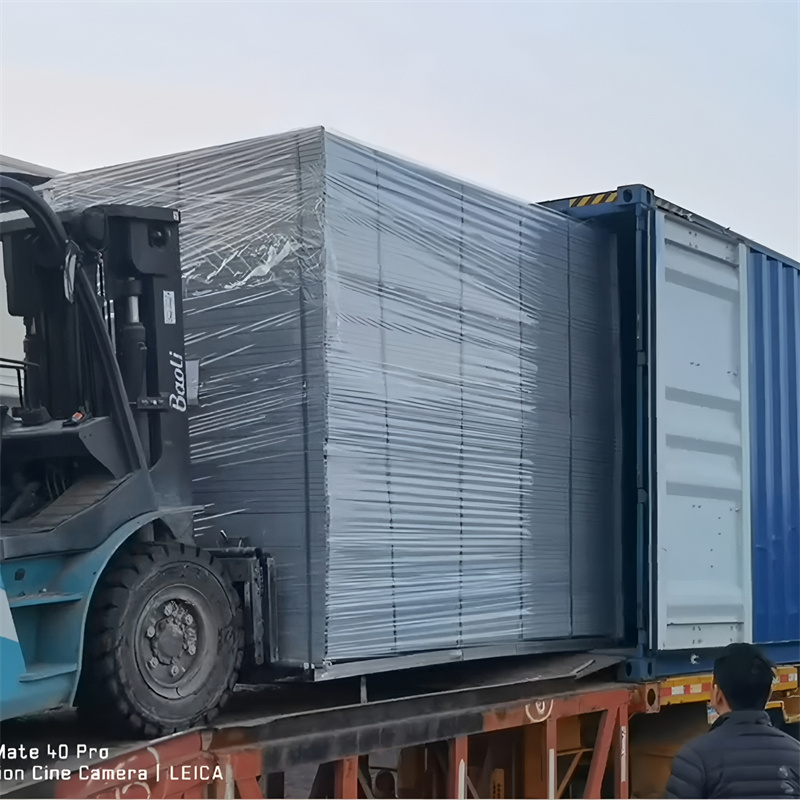
Container loading efficiency is the hidden driver of landed costs. By utilizing specialized nesting techniques, experienced exporters maximize cubic capacity, ensuring that a 40ft container holds significantly more linear footage than standard estimates suggest. This density directly lowers the per-meter freight cost, offsetting initial ocean shipping expenses and making factory-direct imports highly competitive against local spot-buying.
-
- Proprietary Manufacturing: As the only supplier in Anping with its own plastic feet machine, DB Fencing produces compatible, lightweight recycled rubber bases in-house. This vertical integration guarantees perfect fitment for crowd control barriers and construction panels, eliminating the compatibility issues common when sourcing components from disparate local vendors.
- Freight Optimization: Manufacturing lightweight, durable rubber bases locally reduces overall container weight and volume compared to importing heavy concrete alternatives. This optimization simplifies on-site handling for construction crews and significantly lowers international shipping costs, directly impacting the final landed price per panel.
- Logistics Verification: Always require SGS test reports and hot-dipped galvanization thickness certificates (>42 microns) before shipping. Verifying AS 4687 compliance documentation upfront prevents container rejection at Australian borders, avoiding demurrage fees and costly project delays that far exceed the savings of cheaper, non-compliant alternatives.
Conclusion
Buying AS 4687 compliant panels ($180-$220 AUD) beats renting for projects over 12 months, eliminating the 3x-4x markup of local yards and preventing costly compliance failures. Factory-direct sourcing from Anping ensures you get >42 micron hot-dipped galvanization that survives coastal NSW and VIC conditions.
Review current pricing on the catalog page to compare stock and custom routes.
Frequently Asked Questions
Is renting or buying temporary fencing cheaper?
Buying is significantly cheaper for projects lasting longer than 12 months, offering up to 60% savings compared to monthly rentals. Rental rates accumulate quickly, whereas factory-direct purchases eliminate recurring lease fees and middleman. Choose buying for long-term site security to maximize ROI.
What is the cost per linear foot for temporary fencing?
Factory-direct pricing typically ranges from $8.88 to $12 USD per linear meter for compliant panels, depending on specifications. Local rental yards often quote higher per-foot rates that include hidden installation and handling. Request a detailed quote to compare total landed costs accurately.
Does hot-dipped galvanization affect fencing price?
Yes, hot-dipped galvanization over 42 microns increases initial cost but prevents rapid corrosion in coastal or harsh environments. Electro-galvanized alternatives are cheaper but fail AS 4687 standards and rust within months. Invest in hot-dipped finishes to avoid premature replacement costs.
What is the minimum order quantity for bulk fencing?
We offer a low MOQ of 100 panels to accommodate distributors and smaller contractors without requiring massive capital outlay. This flexibility allows buyers to test quality and scale orders based on project. Start with 100 panels to validate quality before scaling up.
How does AS 4687 compliance impact total cost?
Non-compliant fencing risks project stoppages and fines, making cheap imports far more expensive than compliant options. AS 4687 certification ensures the fence meets safety standards, avoiding costly legal and operational disruptions. Prioritize compliance to mitigate regulatory and financial risks.