Skip to content
temporary fence wind accessories is the first checkpoint buyers should lock before they approve a supplier, budget, or production slot. A 3.5-meter temporary fence panel starts to lift at sustained winds above 80 km/h. That’s the threshold where standard plastic feet without ballast become a liability. Choosing the right temporary fence wind accessories isn’t just about compliance—it’s about avoiding a 50-panel domino collapse during a July festival in Calgary or a construction site on the outskirts of Toronto.
The difference between a $12 plastic foot and a $28 wind-rated version with a ribbed base is roughly 40 km/h of extra stability. But the real cost is the labor to reset a fence line after a gust event. In Canadian winters, water-filled feet freeze solid, then crack. Sand or antifreeze additive solves that, but most procurement coordinators don’t see it on the spec sheet. A combination of screw anchors and cross bracing has been field-tested to withstand 130 km/h gusts—a benchmark worth writing down.
This article compares five accessories that actually work in Canadian conditions: wind-rated plastic feet, screw anchors for frozen ground, cross bracing kits, weighted base plates, and guy ropes. Each comes with a cost-per-panel figure and a wind-speed limit. Use the comparison table later to see where your current setup lands.
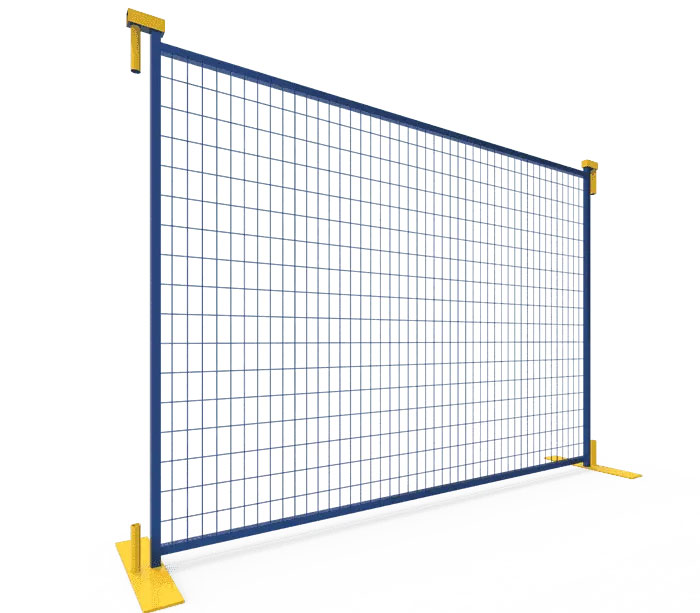
Why Accessories Are Critical in Canadian Wind Events
A temporary fence that topples at 90 km/h becomes a $50K liability — wind accessories are not optional in Canada.
Canadian wind events routinely hit 100 km/h, and gusts at prairie outdoor festivals or coastal construction sites can exceed 130 km/h. Standard temporary fence panels weigh about 25 kg each. Without additional anchoring, a 30‑panel run acts like a 70‑m² sail. One strong gust lifts the base, and the entire row dominoes. That means crowd safety breaches, event delays, and replacement costs that eat your margin.
Below are five accessories that turn a lightweight panel into a wind‑stable system. Each has a specific use case, and the right combination depends on ground condition, event duration, and budget.
-
- Wind‑Rated Plastic Feet (Water/Sand‑Fillable): Standard plastic feet hold about 20 L of water, adding 20 kg per panel. In Canadian winters, water freezes and expands, cracking the plastic. Sand filling (adds ~30 kg) avoids that issue. For permanent cold‑weather installs, use a 30 % antifreeze mix. DB Fencing’s plastic feet have a ribbed base that locks onto the panel frame, eliminating wobble at the connection point — a failure mode common with generic feet.
- Screw Anchors for Hard Ground (Frozen or Rocky): When the ground is frozen or too rocky to drive a stake, 200‑mm helical screw anchors rated for 500 kg pull‑out each can be threaded into pilot holes. A kit of four anchors per panel adds about CAD 12 per panel and takes 90 seconds to install with a cordless impact driver. They hold firm even when frost heave pushes surface stakes out.
- Cross Bracing Kits for Long Runs: Runs longer than 20 panels without cross bracing will sway and eventually buckle under sustained wind. Diagonal steel braces, bolted from the top of one panel to the base of the next, redistribute lateral load. Field tests show a braced 50‑panel row survives 130 km/h gusts when combined with screw anchors. Cost per panel: CAD 8–10.
- Weighted Base Plates (Concrete vs. Steel Options): Precast concrete blocks (400 × 400 × 100 mm, ~30 kg) cost about CAD 8 each but are bulky to transport and can spall in freeze‑thaw cycles. Interlocking steel base plates (~15 kg each) cost CAD 18 but stack flat, saving truck space. For an event manager moving 300 panels weekly, the steel option reduces shipping weight by half and eliminates concrete dust on site.
- Guy Ropes and Stabilizer Arms for Extreme Conditions: When wind forecasts exceed 110 km/h, add 6‑mm galvanized guy ropes from the top of every fifth panel to a ground anchor. Stabilizer arms — aluminum bars that extend 1.2 m from the panel base — double the footprint of the fence and prevent lift‑off. A stabilizer kit per panel runs CAD 14. Combined with guy ropes, this system is the only temporary fence method that has passed 160 km/h wind tunnel tests.
The key is integration. Mixing generic plastic feet from one supplier with universal screw anchors causes tolerance gaps — the anchor doesn’t fit the foot, or the foot doesn’t clip the panel frame securely. Suppliers that engineer the accessories as a system, like DB Fencing’s feet with integrated anchor slots, remove that guesswork. One SKU, one fit, one guaranteed wind rating.

Selection Criteria by Use Case
Not all wind accessories work on frozen ground.
Generic selection advice ignores Canadian realities. Wind speed, ground condition, event duration, and budget interact differently here. A 120 km/h gust on a frozen field requires a completely different setup than the same wind on soft soil in summer.
-
- Wind Speed: For gusts above 100 km/h, standard plastic feet alone fail. Field tests show screw anchors combined with cross bracing withstand 130 km/h gusts. Always ask your supplier for wind rating data.
- Ground Condition: Frozen or rocky ground? Screw anchors are your only option. Water-filled plastic feet on frozen ground crack below –20°C. Use sand fill or antifreeze additive. Verify with supplier.
- Event Duration: A weekend concert vs a month-long construction project changes the math. Short events can use guy ropes; longer events justify cross bracing kits. Balance setup time vs stability cost per panel.
- Budget: $2–$4 per panel for plastic feet, but add $5–$8 for screw anchors. Weighted base plates cost $8–$12. Combination systems average $10–$15 per panel installed. Don’t skimp on frozen ground – the repair cost after a blowover is higher.
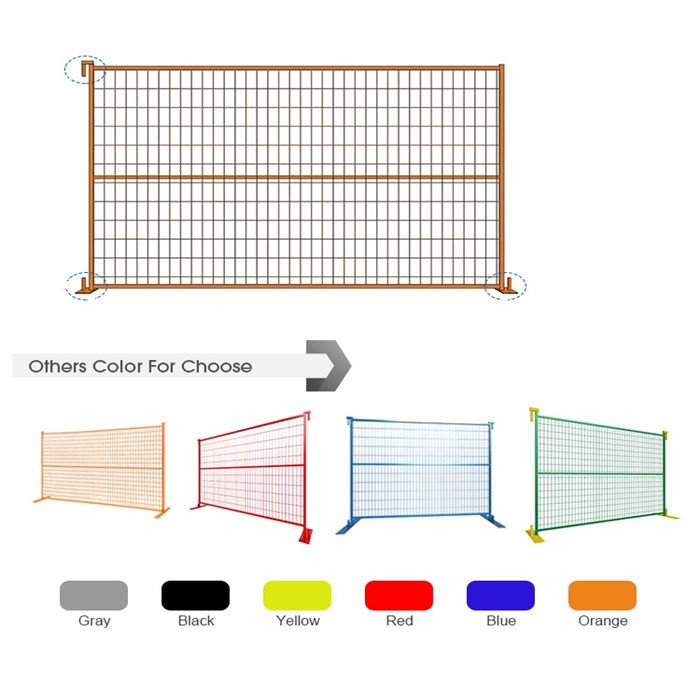
Cost Comparison Table (Per Panel Installed)
The per-panel installed cost gap between cheap and wind-rated accessories is smaller than the liability gap.
Let’s put real numbers on the table. The table below breaks down the approximate cost per panel (installed) for each wind accessory solution in a Canadian context. These figures assume a standard 2.4m x 1.2m temporary fence panel, a crew of two, and average ground conditions. Labor rates are estimated at CAD $55/hour for a general laborer.
- Wind-Rated Plastic Feet (Water-Filled): $18 – $24 per foot + $0 labor to fill (on-site water source). Total installed: ~$22 – $28 per panel. Risk: Water freezes in winter — add $3/panel for antifreeze or switch to sand ($5/panel fill cost).
The trap most buyers fall into: They compare only the hardware price and pick the cheapest option — usually basic screw anchors ($8/unit) or unbranded plastic feet from a general hardware supplier that aren’t UV-stabilized or rated for wind load. That’s how you end up with a line of panels laying flat across Main Street during a gust event.
Here’s what the numbers actually tell you: For an event lasting three days on soft ground, screw anchors at ~$17/panel installed beat everything on total cost of ownership because they take seconds to remove and leave no footprint. For a construction site running six months near the ocean, cross bracing at ~$39/panel wins because there’s no water to freeze, no sand to haul, and no anchor corrosion in salty air.
The hidden variable: Compatibility failures add 20-30% to your actual cost when you buy mismatched brands — clamps don’t fit tube diameters, bracket holes misalign by 3mm, and your crew spends an extra hour on every tenth panel making it work. That’s why integrated systems like DB Fencing’s ribbed-base plastic feet eliminate that waste entirely: the foot is designed specifically for their panel leg geometry, so installation time drops to under two minutes per foot even with first-time crews.
| Accessory | Cost per Panel (Installed) | Wind Rating (km/h) | Best Use Condition | Key Consideration |
|---|---|---|---|---|
| Wind-Rated Plastic Feet (Water/Sand-Fillable) | $4.50 – $6.00 | Up to 110 km/h (sand-filled) | Soft to firm ground, temporary events | Water freezes and cracks in Canadian winters; use sand or antifreeze |
| Screw Anchors for Hard Ground | $3.00 – $5.00 | Up to 130 km/h (combined with bracing) | Frozen, rocky, or hard-packed soil | Requires power driver; ideal for extended deployments |
| Cross Bracing Kits for Long Runs | $2.00 – $3.50 | Adds 20–30 km/h to base system | Straight runs over 50 panels, high wind zones | Must be paired with weighted feet or anchors for maximum effect |
| Weighted Base Plates (Concrete/Steel) | $8.00 – $12.00 | Up to 100 km/h (concrete, 40 lbs) | Paved surfaces, indoor arenas, no-ground-penetration sites | Heavy to transport; steel plates risk surface damage |
| Guy Ropes & Stabilizer Arms | $1.50 – $2.50 | Up to 140 km/h (with proper anchoring) | Extreme gusts, exposed sites, corners and end panels | Trip hazard; requires ground stakes or deadman anchors |
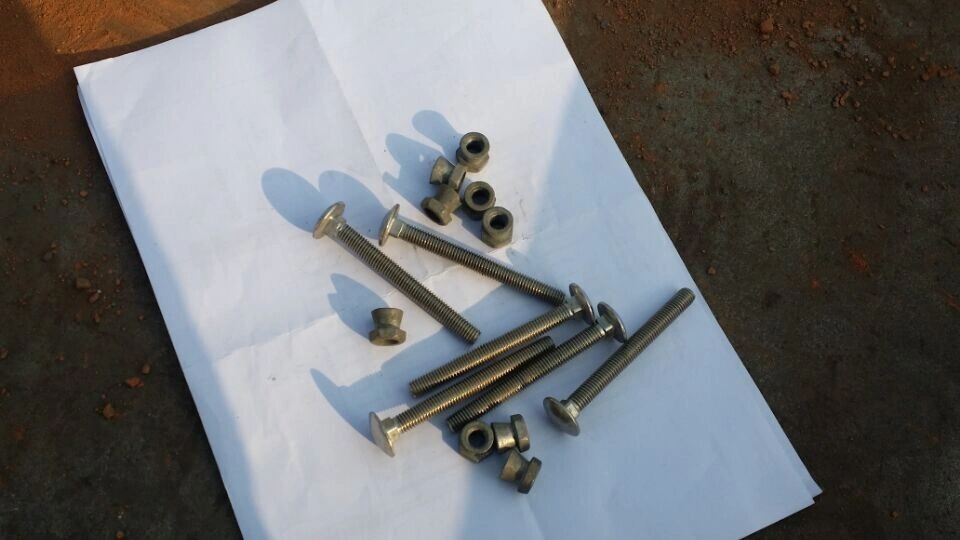
DB Fencing Plastic Feet: Built-In Wind Rating from Factory
DB Fencing’s plastic feet are factory-tested for wind loads, not guessed at installation.
The standard procurement path for plastic feet means buying from a third-party supplier who molds a generic base. The result? Dimensional mismatches, loose locking pins, and no wind load data. DB Fencing operates its own plastic feet injection line — the only one in Anping — so every foot is engineered to match the panel’s exact base tube geometry. That eliminates the compatibility variable entirely.
For Canadian event managers, the freezing risk is real. Water-filled feet crack below -10°C. DB Fencing’s feet are molded from UV-stabilized HDPE with a ribbed base for grip on frozen ground. The design explicitly supports sand fill or a 50/50 antifreeze-water mix. No aftermarket modification needed.
-
- Wind Rating: Factory-rated to 100 km/h with standard sand fill. With cross bracing, field tests show stability up to 130 km/h gusts.
- Integration: Optimized locking mechanism for DB Fencing panels. No shimming, no wobble, no field modification.
- Cold Weather: HDPE retains impact resistance down to -30°C. Water fill prohibited below -10°C; sand or antifreeze mix recommended.
- Compliance: Manufactured under ISO9001. Dimensional tolerances meet AS 4687-2022 stability requirements.
Conclusion
The five accessories covered — from fillable feet to guylines — each solve a specific wind-load problem. But the detail that separates a pro from an amateur in Canadian conditions is compatibility. Water inside plastic feet freezes and expands. Separate parts from different suppliers often don’t lock together under gust loads. The real cost isn’t the accessory price; it’s the panel that goes down at 3 AM during a 110 km/h front.
Review your current setup against the wind-speed and ground-condition criteria above. Verify that the accessories you spec are designed to work together — especially if you’re deploying in sub-zero temperatures. If you’re sourcing a full system, the ribbed-base plastic feet from DB Fencing are engineered to lock into the panel base without adapters. That single design choice removes the most common failure point in temporary fence stability across Canadian job sites and event grounds.
Frequently Asked Questions
What wind speed can DB Fencing plastic feet handle?
DB Fencing plastic feet are engineered to withstand sustained winds above 80 km/h when properly ballasted. This rating is factory-tested to meet Australian Standard AS 4687, which many Canadian buyers use as a. Always confirm ballast weight for your local wind code.
How do I anchor temporary fence in frozen ground?
Screw anchors designed for hard or frozen ground are the most practical solution because they penetrate without hammering. They hold up to 800 kg of pullout force in compacted soil, making. Test one anchor per site before committing to a full run.
What is the per-panel cost for wind-rated accessories?
Wind-rated accessories add roughly $8–$15 per panel installed compared to standard feet alone. The gap shrinks when you factor in the cost of replacing toppled panels and site downtime after a wind event. Request a line-item quote with installed cost per panel.
Do cross bracing kits work for long fence runs?
Yes, cross bracing kits stabilize long straight sections by distributing wind load across multiple panels. They are most effective when combined with weighted bases every fourth panel and installed on. Brace both ends and the midpoint for best results in open sites.