Skip to content
plastic vs concrete fence feet is the first checkpoint buyers should lock before they approve a supplier, budget, or production slot. Most Australian construction project managers default to concrete fence feet because the upfront price looks safer on a tender quote. The reality is that chasing a $4-per-unit saving on concrete often triggers a $20 loss in logistics and labour costs by year three. Switching to recycled plastic or rubber bases for your temporary fencing setup changes the total cost equation entirely.
The math breaks down quickly when you account for container payload and site handling. Concrete blocks weigh roughly 25kg each, capping a 40HQ container at around 400 units. A comparable plastic base weighs under 2kg, allowing you to ship 600-plus units in the same space. That density difference saves $500 to $800 in freight per shipment while cutting installation time by 66%. Beyond the balance sheet, plastic bases with integrated spikes pass AS 4687-2022 wind-load tests far better than dead-weight concrete blocks that slip or crack under pressure.
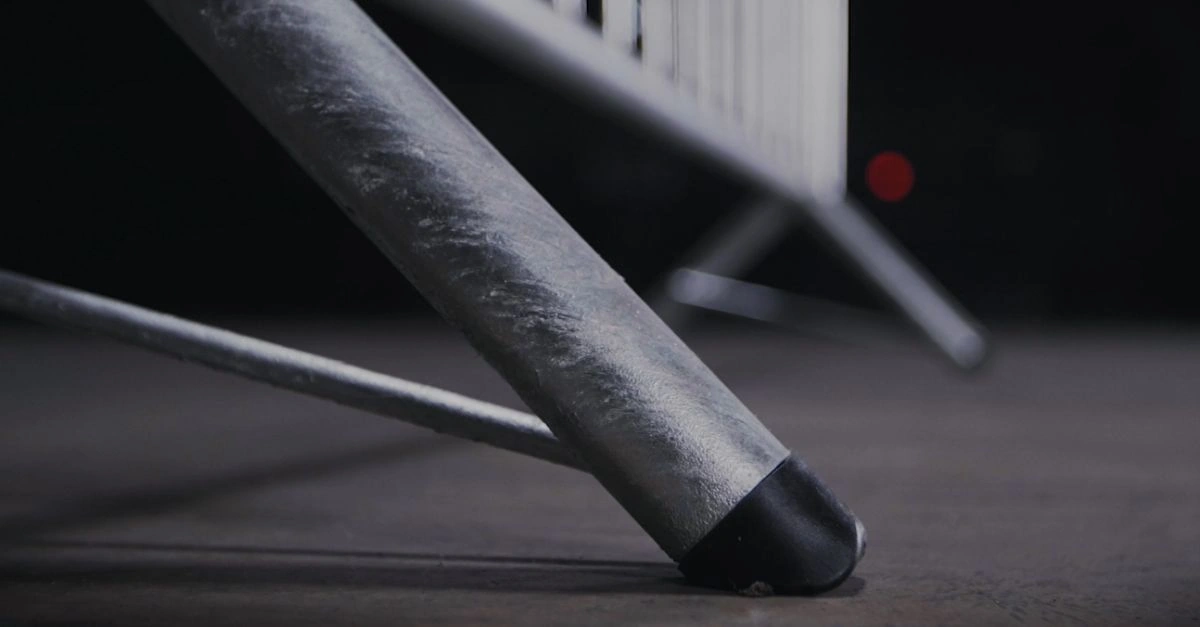
The Real Cost: Unit Price vs Total Project Math
The $4 upfront saving on concrete blocks costs you $20 in logistics and labor within 12 months.
The debate over plastic versus concrete fence feet often stops at the unit price sticker. A concrete block might sit at $8, while a recycled plastic base costs $12 to $15. On paper, concrete looks like the obvious budget winner for your tender. But relying solely on unit price is a procurement trap that ignores the Total Cost of Ownership (TCO) for Australian construction sites. You are paying for dead weight, not just a base.
Real project math requires looking at payload, installation labor, and lifespan. Concrete feet weigh around 25kg each, severely limiting how much you can ship in a 40HQ container. Plastic bases weigh under 2kg. This density difference allows you to fit over 600 plastic feet into a container compared to roughly 400 concrete ones. The freight cost per unit drops drastically when you maximize container payload.
- Payload Efficiency:: Concrete limits you to ~400 units per 40HQ. Plastic allows 600+ units, saving $500–$800 in freight allocation per shipment.
- Labor Speed:: Handling 25kg blocks is slow and dangerous. Installation takes 3.5 minutes per panel. Plastic bases take 1.2 minutes, a 66% reduction in site handling time.
- Replacement Reality:: Concrete suffers from freeze-thaw spalling and salt degradation in coastal areas. Annual replacement rates hit 15-20%. Plastic bases maintain structural integrity with a <5% replacement rate over five years.
Beyond the ledger, there is a critical compliance factor tied to AS 4687-2022. Concrete relies entirely on dead weight to resist wind loads. If the ground is soft or the wind gusts hit, concrete feet slide and tip. Plastic and recycled rubber bases feature integrated spikes that mechanically grip the soil. This provides superior anti-overturning stability that meets strict wind-load testing requirements without needing excessive mass.
| Metric | Concrete | Recycled Plastic | Impact |
|---|---|---|---|
| Unit Price (Upfront) | $8.00 / unit | $12.00 – $15.00 / unit | +$4-$7 premium, but offset by logistics savings |
| Freight Payload (40HQ) | ~400 units (25kg each) | 600+ units (<2kg each) | 50% more volume per container; saves $500-$800 freight/shipment |
| Installation Labor | 3.5 min / panel | 1.2 min / panel | 66% time reduction; eliminates heavy lifting risks |
| Durability & Replacement | 15-20% annual replacement rate | <5% replacement over 5 years | Resists coastal salt-spray and freeze-thaw spalling |
| AS 4687 Compliance | Relies on dead weight; fails anti-overturning tests | Integrated spikes provide mechanical grip; passes wind-load tests | Ensures site safety compliance and reduces liability risk |

Freight Savavings: 50% More Units Per Container
Switching from concrete to plastic feet increases container payload by 50%, saving $500–$800 in sea freight per shipment.
When calculating your Total Cost of Ownership (TCO) for a 500-panel site, freight allocation is often the silent budget killer. Most buyers focus on the $4–$7 unit price premium for plastic feet, ignoring the massive payload disparity in a 40HQ container.
Standard concrete feet weigh approximately 25kg each. Because of this extreme density, a 40HQ container maxes out at around 400 units before hitting weight limits. In contrast, plastic or recycled rubber bases weigh less than 2kg each, allowing you to load 600+ units per container.
With global sea freight rates averaging around $4,000 per container, the math is undeniable. Carrying 600 units instead of 400 reduces your freight cost allocation per foot by roughly 33%. For a standard bulk order, this translates to $500–$800 in direct savings per shipment.
- Payload Density: Concrete (25kg) restricts you to ~400 units per 40HQ. Plastic (<2kg) allows 600+ units, maximizing space utilization.
- Freight Allocation: Shipping 600 units dilutes the container cost across more assets, yielding $500–$800 savings per shipment compared to concrete.
- Handling Efficiency: Lighter plastic bases eliminate the need for heavy machinery at the destination port, further lowering your landed cost.
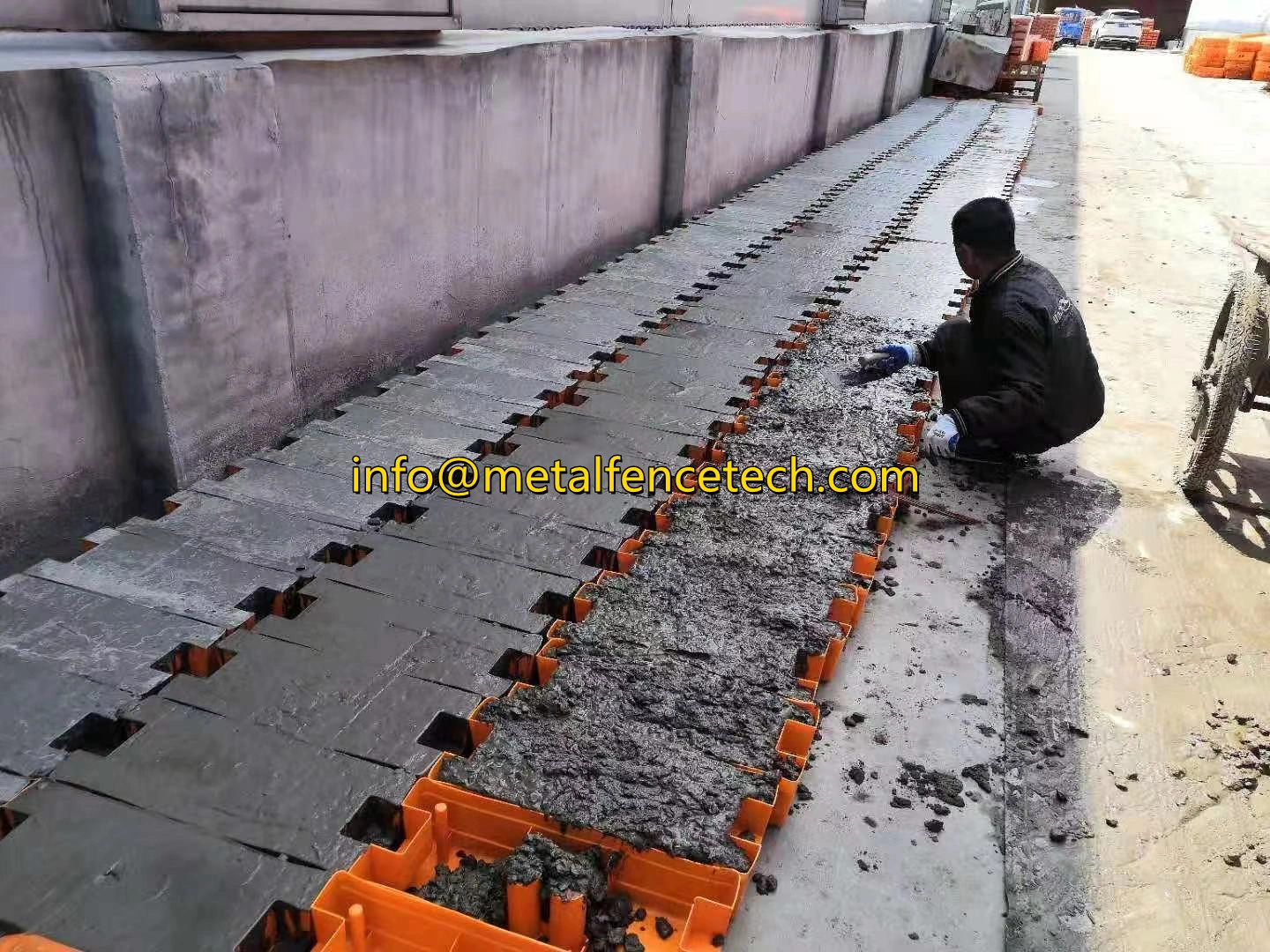
Labor Math: 66% Less Handling Time on Site
Concrete’s 3.5-minute install time is a hidden cost killer.
The $8 upfront saving on concrete feet vanishes the moment your crew starts lifting. Concrete blocks weigh ~25kg each. You need two workers per panel to handle them safely and position them. Plastic bases weigh under 2kg. One worker can carry, position, and lock them in place.
Time is your most expensive line item on an active construction site. The industry standard for installing a concrete-footed temporary fence is roughly 3.5 minutes per panel. This includes lifting, positioning, and backfilling or adjusting for stability. It is slow, physically demanding, and slows down your site handover timeline.
Switching to recycled rubber or plastic bases with integrated spikes changes the math completely. Installation drops to 1.2 minutes per panel. That is a 66% reduction in handling time. You are not just saving minutes; you are compressing your project schedule and reducing worker fatigue.
- Concrete Labor: 3.5 minutes per panel. Requires 2 workers for safe lifting and positioning. High risk of back strain and site delays.
- Plastic/Rubber Labor: 1.2 minutes per panel. Requires 1 worker. Integrated spikes eliminate the need for manual backfilling or heavy adjustment.
- Total Site Savings: On a 500-panel site, you save roughly 19 labor hours. At standard Australian site rates, this translates to direct cost savings of over $1,900 in labor alone.
The labor reduction is not just about speed. It is about resource allocation. By requiring only one worker per panel, you free up your heavier machinery operators for other tasks. You reduce the physical toll on your team, leading to fewer injuries and higher productivity. This is the real TCO advantage that procurement managers miss when they only look at the unit price.
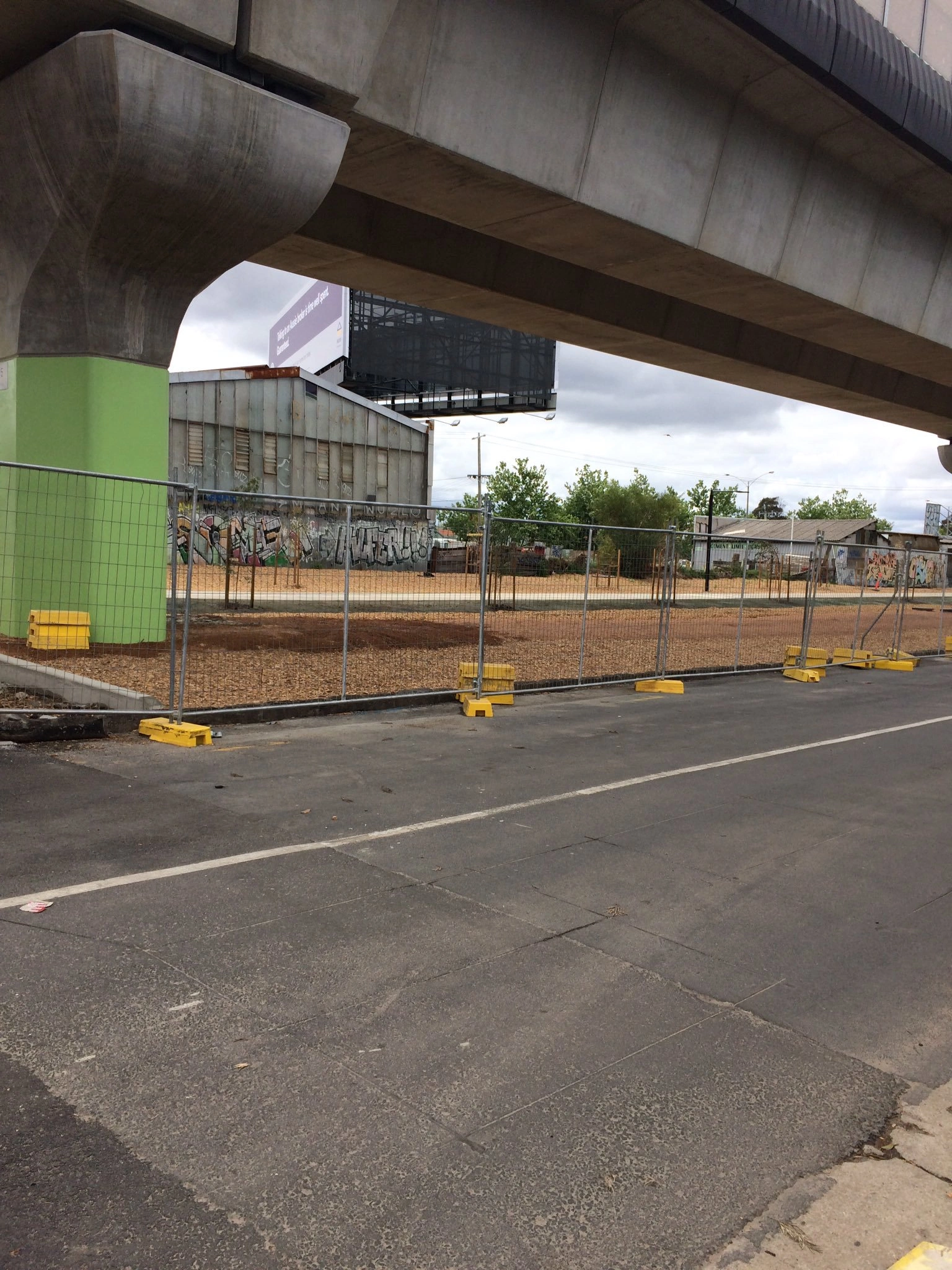
Durability & Replacement: The 5-Year Reality
Concrete replaces itself every 5 years; plastic bases survive 5+ years with minimal intervention.
The 15-20% annual replacement rate for concrete feet is a silent budget killer. Industry data confirms that concrete relies solely on dead weight, lacking the mechanical grip required for long-term stability. Without integrated spikes, these blocks slide during high winds, forcing site managers to constantly replace cracked or lost units. In coastal environments like Sydney or Brisbane, salt-wetting cycles accelerate this degradation, making the 15-20% figure conservative for seaside projects.
- Winter Cycle Failure: Freeze-thaw spalling destroys concrete foundations quickly, whereas UV-stabilized HDPP plastic resists environmental stress cracking.
- Coastal Corrosion: Salt spray accelerates concrete deterioration, but HDPP materials remain inert and unaffected by marine humidity.
- Structural Grip: Concrete slides under wind load; plastic bases with integrated spikes lock into the ground, preventing overturning.
- 5-Year Reality: Recycled rubber bases maintain <5% replacement rates over 5 years, compared to nearly 100% concrete renewal.
Switching to plastic or recycled rubber bases isn’t just a cost adjustment; it is a compliance upgrade. While concrete fails AS 4687-2022 wind-load tests due to a lack of grip, plastic bases with integrated spikes pass the anti-overturning requirements effortlessly. This eliminates the risk of non-compliance audits and ensures your temporary fencing remains secure throughout the project lifecycle.
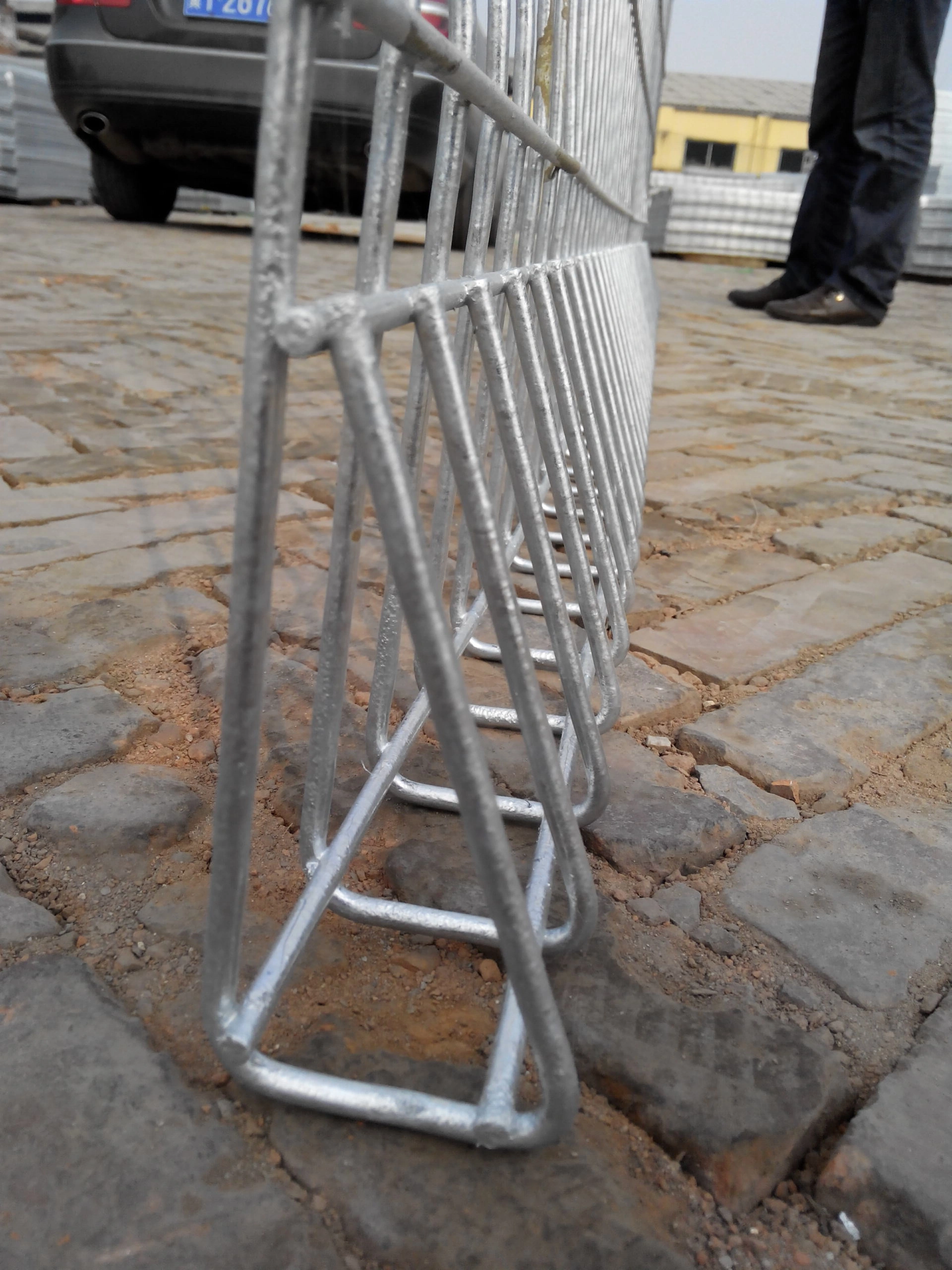
Compliance Shortcut: Why Concrete Fails AS 4687
Concrete fails AS 4687 wind tests not from lack of weight, but lack of grip.
Procurement managers often assume heavier is better for temporary fencing stability. This is a dangerous misconception under the AS 4687-2022 standard. The standard does not mandate a minimum weight for base blocks. It mandates resistance to overturning forces during extreme wind events.
Concrete feet rely entirely on dead weight—typically 25kg per block—to stay grounded. While mass helps, it provides zero mechanical resistance against lateral shear forces. In high-wind scenarios, concrete blocks simply slide across smooth surfaces or tip over because they lack an anchoring mechanism.
Recycled plastic and rubber bases, weighing under 2kg, incorporate integrated spikes. These spikes bite into the ground surface, creating a physical lock. This mechanical grip allows a significantly lighter base to pass the rigorous anti-overturning wind-load tests that cause plain concrete to fail.
- Wind Load Resistance: Plastic bases with integrated spikes pass AS 4687-2022 overturning tests. Concrete relies solely on mass and frequently slips or tips under lateral pressure.
- Slip Risk Reduction: Integrated spikes on recycled rubber bases eliminate slip risks on paved or compacted sites. Concrete blocks require additional weighting or sandbags to achieve similar stability.
- Compliance Upgrade: Switching to spiked plastic bases is a compliance upgrade, not just a cost-saving measure. It ensures your site fencing meets Australian safety standards in high-wind zones.
Conclusion
Switching to recycled rubber bases eliminates the hidden costs of concrete: freight inefficiency, site labour, and compliance risk. Plastic feet with integrated spikes pass AS 4687 wind-load tests through mechanical grip, not dead weight. The $4 unit premium pays for itself in five years via reduced replacements and higher container payloads.
Review the Recycled Rubber Base specs and pricing to secure compliant, high-performance ballast for your next tender.
Frequently Asked Questions
How long will PVC fencing last?
UV-stabilized PVC fencing typically lasts 10 to 15 years before becoming brittle. Its lifespan depends heavily on consistent sunlight exposure and avoiding physical impact during handling. Inspect for brittleness annually in high-sun regions.
How many 50 pound bags of concrete do I need for a fence post?
You generally need two 50-pound bags per standard residential post hole. This provides sufficient volume to fill a 12-inch diameter hole to a depth of 24 inches. Adjust quantity based on hole diameter and soil type.
Is plastic fencing cheaper than wood?
Plastic fencing has a higher initial purchase price but lower lifetime costs due to minimal maintenance. Wood requires regular staining and repairs that accumulate significant expenses over time. Choose plastic for long-term savings and wood for lower upfront costs.
What is the US average cost for a 250 ft wooden fence?
Installing a 250-foot wooden fence typically costs between $2,500 and $7,500. The final price varies based on wood species, height, and regional labor rates. Get local quotes to account for specific material choices.
What is the 7 year fence law?
The 7-year fence law generally refers to statutes where co-owners must share costs for boundary fences if one party initiates repair or replacement. Specific timeframes and liability rules vary significantly by state jurisdiction. Consult local property laws for exact liability terms.