Skip to content
Every Australian construction manager knows the headache of verifying temporary site security specs against shifting WorkSafe requirements. Sourcing an AS 4687-2022 temp fence is no longer just about checking the unit price; it is about demanding proof that the panels can survive multi-directional wind loads without collapsing during a sudden squall.
Most suppliers still rely on outdated single-sided wind resistance data that fails to capture the complex physics of modern urban job sites. The real differentiator lies in the dual-sided anti-overturning test results, which measure structural integrity from both the windward and leeward faces simultaneously. We operate ten welding lines in Anping specifically calibrated to meet these rigorous 2022 protocols, ensuring your site remains secure without the fear of non-compliance fines.
AS 4687-2022: Why Your Current Fencing Fails
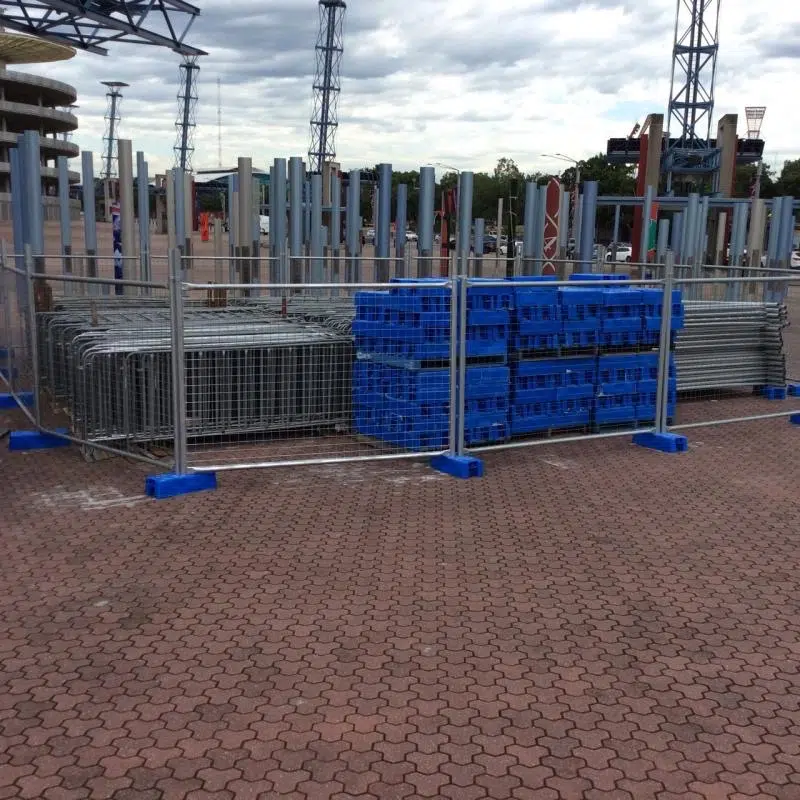
The 2022 standard mandates physical dual-sided overturning tests, replacing the outdated 2007 design analysis protocols.
The shift from AS 4687-2007 to AS 4687-2022 is not a minor administrative update; it is a seismic regulatory change for Australian construction safety. The 2007 standard allowed suppliers to rely on simplified design analysis and single-sided wind resistance testing. This created a dangerous blind spot where fencing could pass certification but fail catastrophically under shifting wind patterns or multi-directional impact forces.
The 2022 update eliminates this loophole by enforcing strict dual-sided anti-overturning tests. Under this protocol, a standard 2.1m x 2.4m panel must withstand up to 6 kN of wind force measured simultaneously from both the windward and leeward sides. This ensures the structural integrity of the temporary fence remains intact even if wind direction shifts or debris strikes from the opposite face.
Beyond wind loads, the new standard introduces mandatory pedestrian protection standards and a three-tier risk classification system. Older fencing relying on single-side testing data is now non-compliant with these new risk tiers. Possessing outdated compliance certificates exposes your site to immediate safety audits by WorkSafe and carries the risk of fines exceeding $100,000.
- Wind Load Testing: Mandatory dual-sided measurement of up to 6 kN force, replacing the obsolete single-sided analysis of the 2007 standard.
- Risk Classification: Implementation of a three-tier system requiring physical proof of integrity, not just theoretical design calculations.
- Pedestrian Safety: Introduction of stricter anti-climb mesh specifications and barrier requirements to protect public safety around active sites.
- Audit Exposure: Older inventory based on 2007 data is now a liability, triggering immediate non-compliance flags during site inspections.
Real Wind Load Data: The Overturning Test Explained
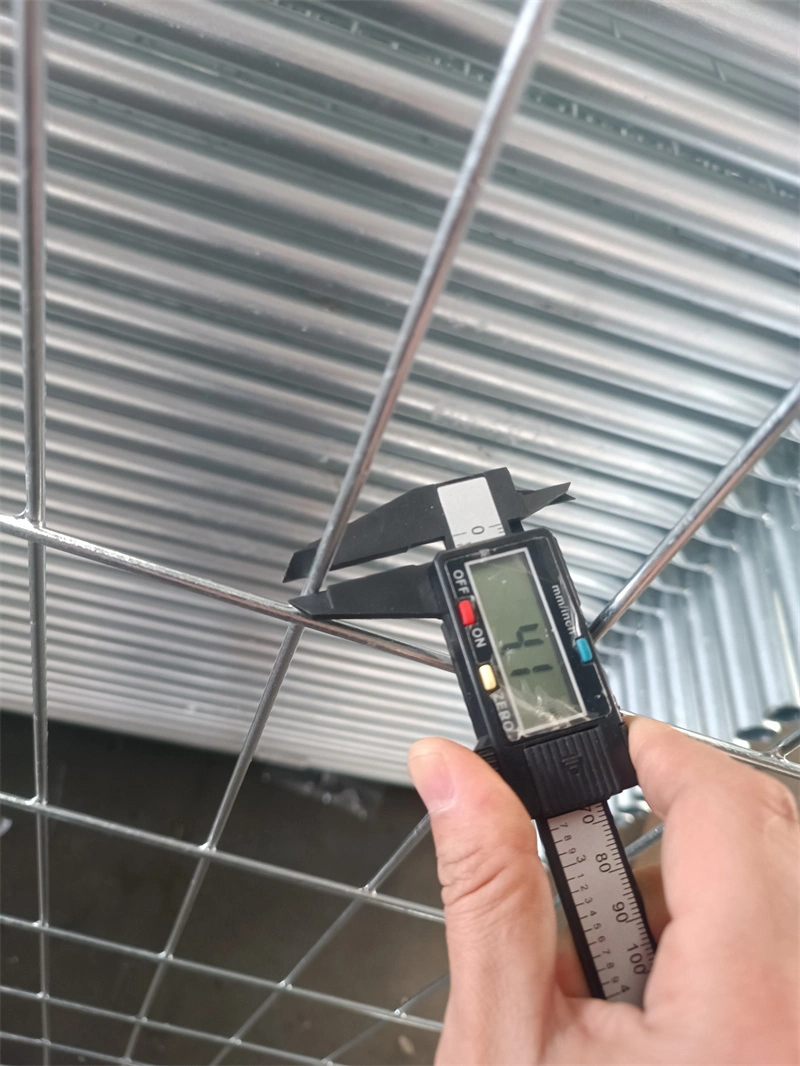
Dual-sided testing is now mandatory under AS 4687-2022, moving beyond simple static load calculations.
Under the updated AS 4687-2022 standard, a standard 2.1m x 2.4m temporary fencing panel can experience up to 6 kN of wind force. This metric is no longer theoretical; it represents the physical pressure exerted on the mesh during high-velocity gusts on active construction sites. Understanding this baseline load is critical for preventing catastrophic site failures.
The most significant shift in the 2022 standard is the mandatory dual-sided anti-overturning test. Unlike the 2007 version, which primarily focused on single-sided wind resistance, the new protocol requires fencing to withstand simultaneous pressure from both the windward and leeward sides. This accounts for turbulent air dynamics that occur when wind hits a solid barrier and wraps around the structure.
During these tests, engineers measure load vectors from both sides of the panel simultaneously. This rigorous process ensures the fence remains stable even if wind directions shift unexpectedly or if heavy debris impacts the back face of the barrier. It eliminates the risk of panels collapsing inward onto workers or outward into public spaces.
- Structural Integrity: Internal production logs verify that our welded joints maintain rigidity under 6 kN of force without permanent deformation or mesh tearing.
- Load Vector Verification: Data confirms resistance to multi-directional forces, ensuring compliance with the new three-tier risk classification system for Australian sites.
- Impact Resistance: The dual-sided design prevents collapse from debris impacts on either face, protecting both personnel and adjacent infrastructure.
AS 4687-2022 vs 2007: Critical Spec Differences
The 2022 standard mandates dual-sided wind testing and strict anti-climb mesh specs, replacing the 2007 design-only approach.
The transition from AS 4687-2007 to AS 4687-2022 is not a minor update; it is a fundamental restructuring of temporary fencing engineering. The 2022 standard introduces a four-part architecture: general requirements, temporary fencing, hoardings, and swimming pool safety. For construction project managers, the most critical shift is the move away from theoretical design analysis toward mandatory physical proof of structural integrity.
Under the 2007 version, a fence could theoretically pass based on calculations alone. The 2022 update requires rigorous physical testing, specifically the dual-sided anti-overturning test. This means the fencing must withstand wind load measurements from both the windward and leeward faces simultaneously. If your current inventory relies on older single-side testing data, it is likely non-compliant with the new risk classification system, exposing your site to immediate safety audits and potential WorkSafe fines.
The dimensional requirements and anti-climb mesh specifications have also been tightened. The new standard demands stricter mesh aperture limits to prevent unauthorized access, particularly in high-risk urban environments. Site managers must now verify that the mesh meets these specific geometric constraints, as generic ‘anti-climb’ labels are no longer sufficient for compliance documentation.
- Documentation Protocols: The 2022 standard requires verifiable test reports for higher-risk applications. You must demand physical proof of the dual-sided anti-overturning test from your supplier, rather than accepting a simple certificate of conformity.
- Total Fencing Calculation: Stricter dimensional requirements mean that standard panel counts may need adjustment. Factor in the new anti-climb mesh specifications when calculating total fencing needs to ensure you do not fall short on compliance during the final site handover.
- Wind Load Calculation: Standard 2.1m x 2.4m panels now face up to 6 kN of wind force in testing. The AS 4687 wind load calculation temporary fence protocols require you to account for multi-directional forces, not just direct wind impact.
Sourcing AS 4687-2022 Compliant Fencing in China
Verify AS 4687-2022 dual-sided wind load certificates before ordering.
Most Anping manufacturers still produce to the outdated AS 4687-2007 standard. They lack the specialized physical testing rigs required to validate the new 2022 dual-sided anti-overturning requirements. Relying on older single-sided wind load data is a compliance risk that can trigger site stoppages.
To guarantee compliance, you must demand verifiable test reports and independent SGS certifications. Do not accept generic quality claims. Our facility operates 10 dedicated welding production lines in Anping County, ensuring we meet the rigorous structural demands of the 2022 standard without compromising output.
- Verification Protocol:: Demand specific AS 4687-2022 test certificates showing dual-sided wind load validation, not just general ISO9001 compliance.
- Production Capacity:: Access 10 synchronized welding lines capable of producing up to 2,000 compliant sets per week to prevent project delays.
- Procurement Terms:: Utilize 24-hour quoting services for certified batches and secure a low MOQ of 100 panels for initial pilot projects.
Conclusion
AS 4687-2022 compliance demands rigorous dual-sided anti-overturning tests that most suppliers fail to execute. Verify factory certifications and wind load data before committing to a purchase.
Review current specifications and compliance documentation to ensure your site meets the latest Australian safety standards.
Frequently Asked Questions
What should buyers look for when sourcing AS 4687-2022 temp fence?
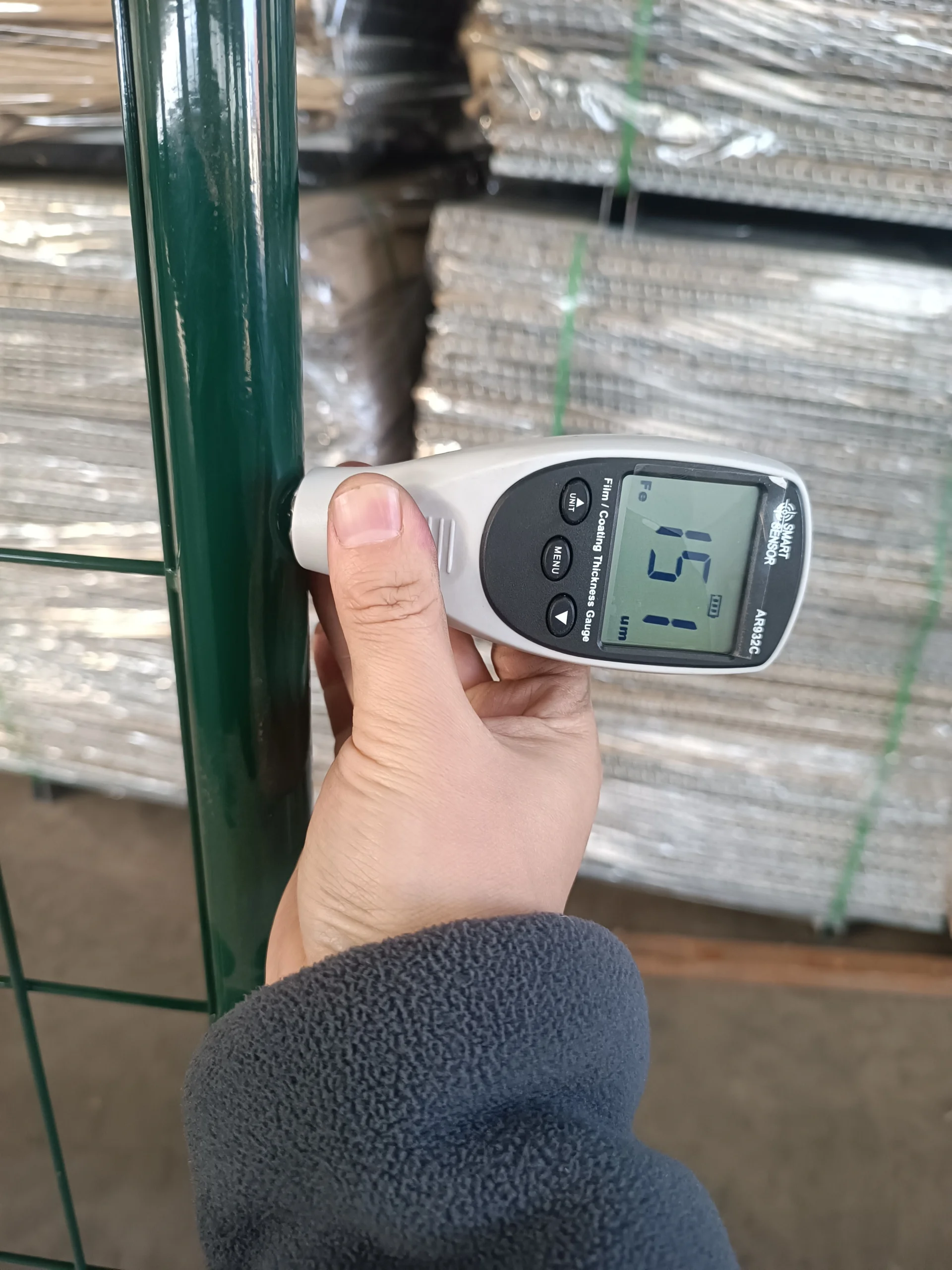
Prioritize suppliers with documented dual-sided anti-overturning test results, as this is the core requirement of the 2022 standard. Ensure the zinc coating exceeds 42 microns to guarantee durability in harsh outdoor environments. Verify dual-sided test data and coating thickness before ordering.
How to verify factory certifications for AS 4687-2022 temp fence?
Request valid ISO9001 and SGS certificates alongside specific AS 4687-2022 compliance reports from the manufacturer. Cross-check these documents against the supplier’s export history to ensure they are current and authentic. Validate all certificates and compliance reports directly with the supplier.
What are typical MOQ requirements for wholesale orders?
Many manufacturers offer a low minimum order quantity of 100 panels to facilitate trial orders and reduce initial risk. This flexibility allows buyers to test product quality and market response before. Check for low MOQ options like 100 panels for initial trials.
How to handle international shipping and customs clearance?
Work with experienced exporters who understand destination regulations, such as those in Australia and New Zealand, to streamline documentation. Utilize their established logistics networks to manage freight and ensure timely delivery to. Partner with experienced exporters to manage logistics and documentation efficiently.
What quality inspection standards apply before shipment?
Inspections typically verify hot-dipped galvanization thickness, weld integrity, and adherence to the AS 4687-2022 structural specifications. Third-party inspections like SGS provide an unbiased confirmation that the delivered goods meet agreed-upon quality benchmarks. Conduct pre-shipment inspections focusing on coating thickness and structural integrity.