Skip to content
temporary fence vs water barriers is the first checkpoint buyers should lock before they approve a supplier, budget, or production slot. How much more did that water barrier project actually cost you last quarter compared to what the quote said? I’ve seen buyers lose $50,000 on a single order because the pre-production barrier sample didn’t match the mass production run — different wall thickness meant higher transport weight and a surprise pump rental fee. When you’re comparing temporary fence vs water barriers cost for your next construction site, the number that lands on the purchase order is rarely the number that hits the P&L.
The real difference isn’t in unit price. It’s in transport density, setup labour, and site water access. A hot-dipped galvanized temporary fence panel with a coating over 42 microns eliminates repainting costs for five years — a factor that never appears in a simple price comparison. Meanwhile, water barriers require pump rental and a reliable water source. On remote Australian projects, water trucking alone can double the effective barrier cost, even before you account for AS 4687 compliance on the fence side.
Most buyers compare FOB pricing from different suppliers and call it a day. That misses the bigger picture: a 1,000-panel order ships flat in a container at a fraction of the volume that nesting water barriers occupy. Transport weight, local delivery fees, and crew size for installation shift the total cost far more than the per-unit markup. This article breaks down the five cost factors that matter — purchase price, transport, labour, maintenance, and end-of-project disposal — so you can calculate total cost of ownership for your specific site conditions.
Why Cost Comparisons Get Complicated
Transport weight and setup labour can flip which option is cheaper.
A simple per-unit price tag tells you almost nothing. The real cost difference between temporary fence panels and water-filled barriers shows up in two places most buyers overlook: how much space they eat in a container and how many bodies you need on site to get them ready.
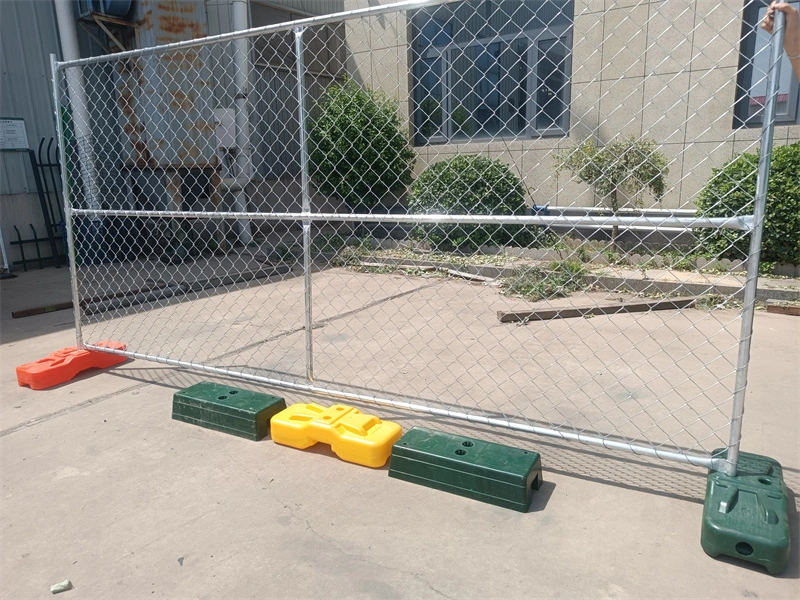
- Transport weight vs. panel freight density: A standard 2.0m x 3.0m temporary fence panel weighs roughly 18-22 kg depending on wire gauge and galvanising thickness. Panels stack flat — about 300 panels fit in a 20-foot container, pushing the load toward volume limit before weight limit. Water barriers, even empty, are bulky. A typical plastic barrier (1.5m long) weighs around 8-10 kg empty but nests poorly; you get maybe 150 units per 20-foot container. That halves your effective shipping density. On a per-metre-run basis, the water barrier vs fence transport cost Australia comparison tilts heavily toward panels for any order over 500 linear metres.
- Setup labour: 2-person panel team vs. water filling pump: Two workers can install temporary fence panels at roughly one panel per minute using pre-attached feet and clamps — no tools beyond a rubber mallet. A crew of three handling water barriers needs a pump (rental ~$80-120/day in metro areas), a water source, and time. Filling a standard barrier takes about 40-60 litres; a 200-metre run requires roughly 8,000 litres of water. In remote Australian projects where water must be trucked in at $50-100 per kilolitre, that adds $400-800 to the setup cost alone — enough to erase any upfront price advantage the barriers might have had.
| Factor | Temporary Fence Panel | Water Barrier | Cost Impact |
|---|---|---|---|
| Transport Weight vs Freight Density | Panels pack flat; high density per container. Low per-unit freight cost. | Barriers nest but heavy when filled; empty plastic barriers are bulky but light. Filled concrete barriers are extremely heavy. | Temporary fence panels win on container utilization; water barriers incur higher shipping costs, especially for filled units. |
| Setup Labour & Equipment | 2-person crew; <2 min per panel using clamps and feet. No machinery required. | Pump rental + water supply crew; filling time 5–10 min per barrier. Remote sites may need water trucking, doubling cost. | Temporary fence panels have lower labour cost and zero equipment rental, especially on remote Australian sites. |
| Long-Term Durability & Maintenance | Hot-dip galvanised >42 microns; no repainting needed within 5 years. Resists rust in coastal environments. | Plastic barriers degrade under UV; concrete-filled units crack and leak. Puncture risk from debris. | Temporary fence panels offer lower total cost of ownership due to zero maintenance and longer lifespan. |
| End-of-Project Reusability | Quick removal, stack flat, reusable for multiple projects. Minimal storage space. | Draining, cleaning, and drying required; concrete-filled units are often single-use. Storage volume is larger. | Temporary fence panels provide higher return on investment through repeated reuse across projects. |

Upfront Purchase Cost
The upfront panel price is only half the story — water barrier costs can double in remote sites due to water logistics.
For a construction project manager comparing temporary fence panels vs. water barriers, the upfront purchase price per unit is the first number that hits the budget. Temporary fence panels from Anping factories, with hot-dipped galvanizing >42 microns and AS 4687 compliance, typically range from $15 to $25 per panel FOB, depending on mesh gauge, panel height, and feet type. The key advantage is the low MOQ of 100 panels — you can trial a container load without committing to a full truckload. That MOQ flexibility is rare among Chinese exporters; most require 500+ panels per order.
Water barriers come in two variants: plastic (HDPE) units that are filled on-site, and concrete-filled barriers that arrive pre-weighted. A plastic water barrier, 2m long, costs roughly $50–$100 per unit FOB, but that price excludes the pump rental and water supply needed to fill it. Concrete-filled barriers run $150–$300 per unit, with no fill cost but significantly higher shipping weight. For remote Australian sites, where water trucking can add $2–$5 per litre, the effective cost of a plastic barrier can double. That’s a factor most simple price comparisons miss.
- Temporary fence panel (hot-dipped galvanized, AS 4687): FOB price ~$15–$25/panel. MOQ 100 panels. No fill or pump needed. Transport weight ~12–15 kg per panel.
- Plastic water barrier (HDPE, unfilled): FOB price ~$50–$100/unit. Requires pump rental ($50–$150/day) + water supply. Remote site water trucking can add $2–$5/L. MOQ often 50+ units.
- Concrete-filled water barrier: FOB price ~$150–$300/unit. No fill cost, but shipping weight ~300–500 kg per unit. Higher freight cost per container. MOQ typically 20+ units.
| Product | Unit Price (AUD) | MOQ | Certification | Material | ||||||||||||||||||||||||||||||||||||||||||||||||||||||||||||||||||||||||||||||||||
|---|---|---|---|---|---|---|---|---|---|---|---|---|---|---|---|---|---|---|---|---|---|---|---|---|---|---|---|---|---|---|---|---|---|---|---|---|---|---|---|---|---|---|---|---|---|---|---|---|---|---|---|---|---|---|---|---|---|---|---|---|---|---|---|---|---|---|---|---|---|---|---|---|---|---|---|---|---|---|---|---|---|---|---|---|---|---|
| AS 4687 Compliant Temporary Fence Panel | $25 | 100 panels | AS4687,ISO9001,SGS | << tdstyle =”padding :12 px15 px ;border :1 pxsolid# eoeoeo ;color :#333 ;”>Hot-Dip Galvanized Steel (>42µm) << tr > << tdstyle =”padding :12 px15 px ;border :1 pxsolid# eoeoeo ;color :#333 ;”>Plastic Water Barrier (Empty) << tdstyle =”padding :12 px15 px ;border :1 pxsolid# eoeoeo ;color :#333 ;”>$40 << tdstyle =”padding :12 px15 px ;border :1 pxsolid# eoeoeo ;color:#333;”>50 units << tdstyle =”padding:12 px15 px;border:1 pxsolid# eoeoeo;color:#333;”>None << tdstyle =”padding:12 px15 px;border:1 pxsolid# eoeoeo;color:#333;”>UV-Stabilized HDPE << tr > << tdstyle =”padding:12 px15 px;border:1 pxsolid# eoeoeo;color:#333;”>Concrete-Filled Water Barrier << tdstyle =”padding:12 px15 px;border:1 pxsolid# eoeoeo;color:#333;”>$80 << tdstyle =”padding:12 px15 px;border:1 psolid# eoeoeo;color:#333;”>50 units << tdstyle =”padding:12 psolid# eoeoeo;color:#333;”>None << t dstyle =”padding:12 psolid# e oe oe o ; col or :#33 ; “>HDPE + Concrete Fill< / t d > < / tbody > < / table >
| End-of-Project Activity | Temporary Fence Panels | Water Barriers | Net Cost Effect |
|---|---|---|---|
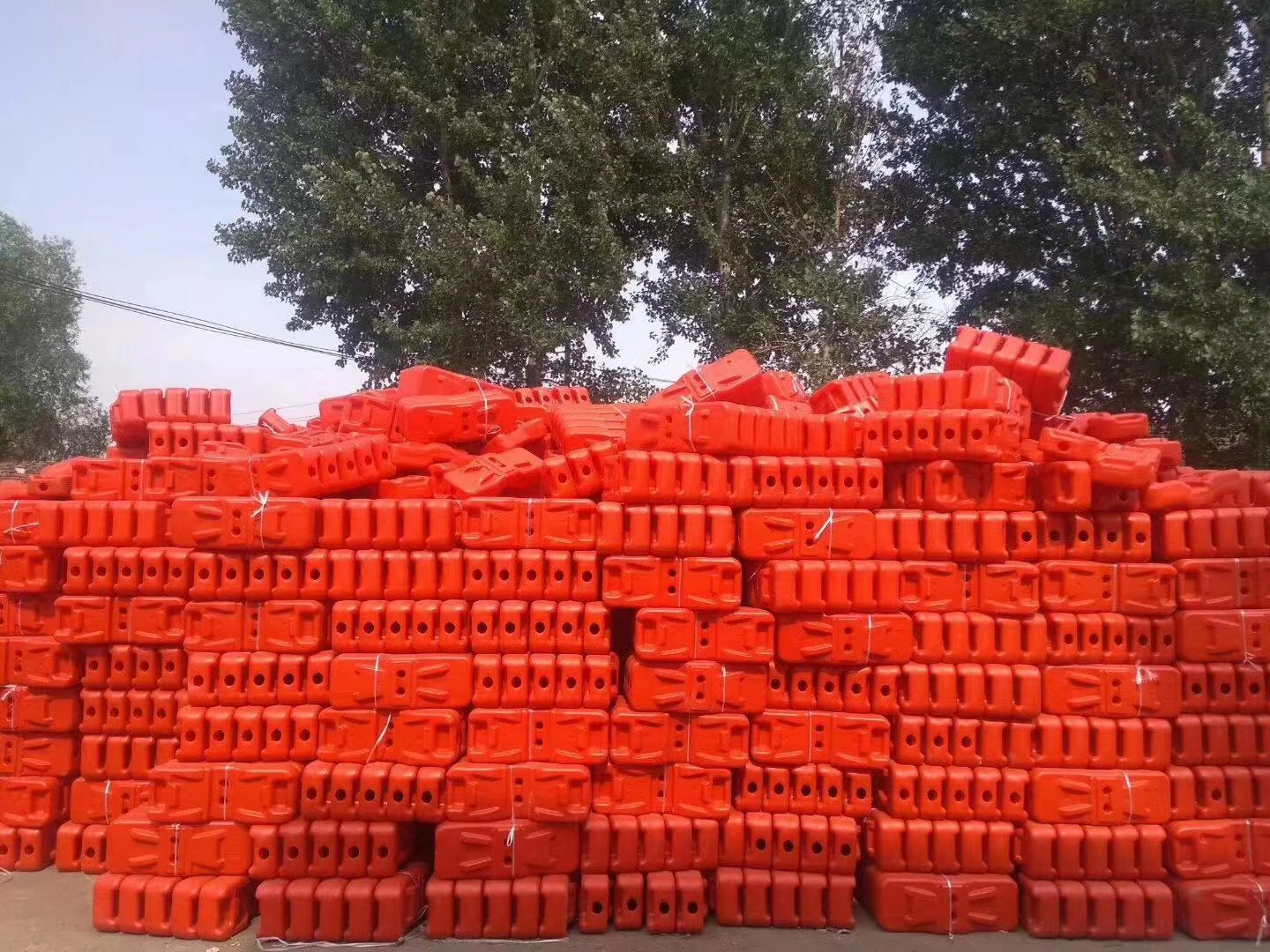
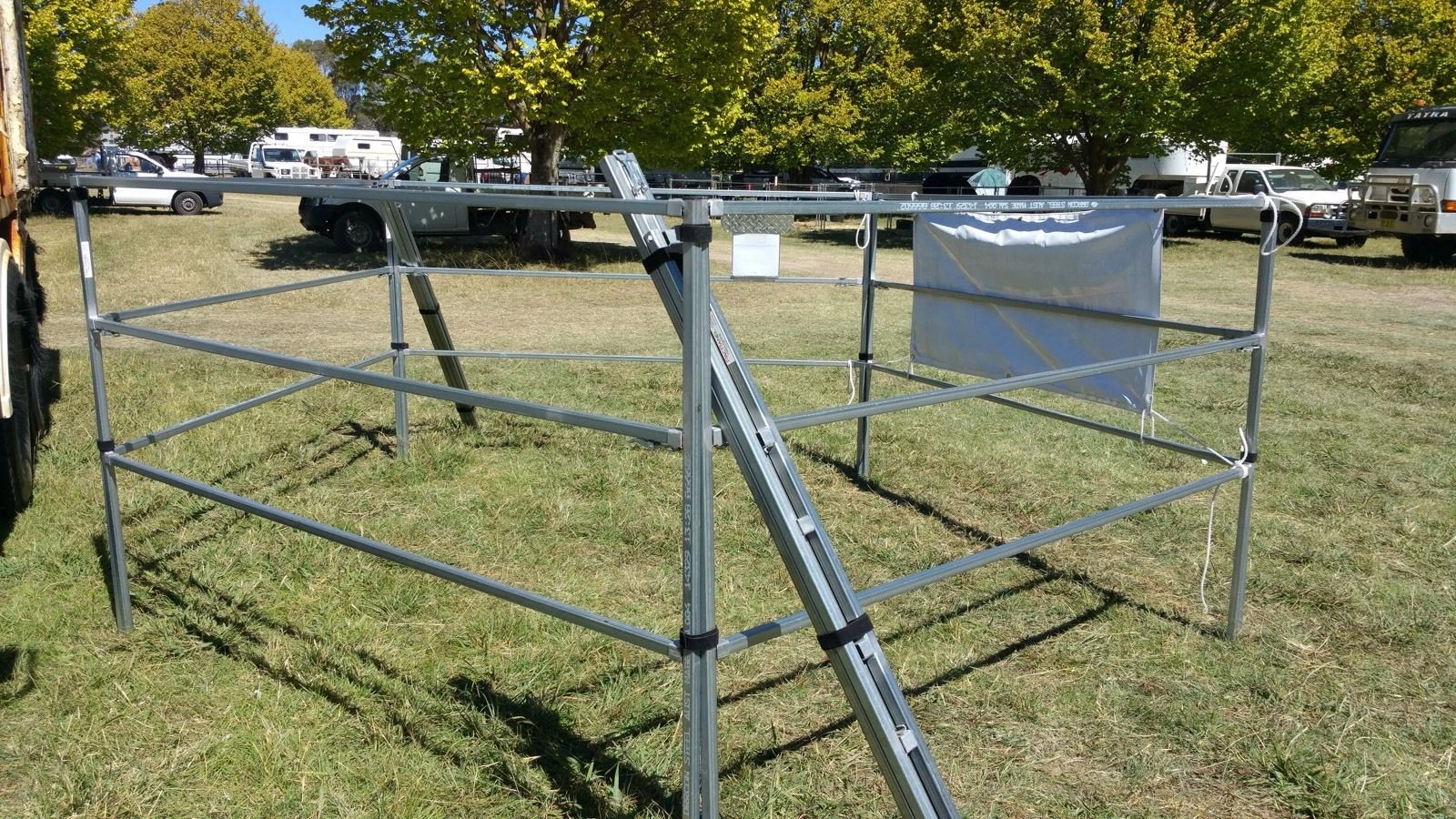
| Removal & Dismantling | Unclip clamps, lift feet – 2-person crew, 1 minute per panel | Drain water (pump required), roll up or stack empty shells | Panels: $0.50–$1.00 per panel. Barriers: $2–$4 per unit + pump rental ($150/day) |
| Cleaning & Preparation for Reuse | Wipe down if soiled; no special cleaning needed; galvanised surface resists rust | Hose out interior, inspect for UV cracks or punctures; replace drain plugs | Panels: negligible. Barriers: $0.50–$1.50 per unit (labour + replacement parts) |
| Storage Footprint & Stacking | Nest flat; 100 panels stack 1.2m high, 8m² floor space | Empty shells nest but take 30% more space; filled barriers cannot stack | Panels: low storage cost. Barriers: higher warehouse space cost per unit |
| Reusability Rate (After 5 Projects) | 90–95% reusability with hot-dip galvanising >42 microns (no repainting) | 60–70% reusability due to UV degradation, pinch points, and valve failures | Panels: lower replacement cost over lifecycle. Barriers: early replacement adds 15–25% to TCO |
| Resale or Scrap Value | Steel scrap value ~$15–$25 per panel; resale of used AS 4687 panels fetches 50–60% of new price | Minimal scrap value (HDPE plastic); used barriers sell at <20% of new price | Panels: recovers 10–15% of original cost. Barriers: <5% recovery |
How AS 4687 Compliance Affects Cost
Certified panels cost more upfront but avoid site shutdowns that erase savings.
The price gap between AS 4687 certified panels and uncertified alternatives typically runs 12–18% on the purchase order. That number looks attractive to a procurement manager focused on unit cost. What that number doesn’t show is the difference in wire gauge, weld shear strength, and galvanisation thickness. AS 4687 clause 5.3 requires hot-dip galvanising above 42 microns, measured per AS/NZS 4680. Panels without certification often use electric-weld mesh with a flash coating that delivers 15–20 microns. On a construction site in Sydney or Melbourne, an uncertified panel passes visual inspection until a safety auditor checks the test certificates. When that happens, the panel gets red-tagged. Replacement costs include emergency freight, crane re-mobilisation, and a revised site safety report — typically 3–4 times the initial saving.
Water barriers occupy a different regulatory lane entirely. No Australian standard exists specifically for water-filled temporary barriers. The closest reference is AS/NZS 3845 for road safety barrier systems, but that standard covers permanent installations and doesn’t address the water-fill design, valve integrity, or UV resistance of portable units. For a construction project manager, this means there is no certified baseline to lean on. If a barrier splits on a hot day or leaks down overnight, liability sits with the contractor who selected it. Some specifiers reference the European CE marking under EN 1317, but that applies to road restraint systems, not site perimeter security. The lack of a local standard creates a compliance vacuum — and in Australian workplace safety law, a vacuum is not a defence.
- AS 4687 certified cost components: Third-party testing for weld strength, wire gauge verification, galvanisation thickness report per panel batch, and documented traceability. Adds 12–18% to factory price but provides a compliant defence under WHS legislation.
- Uncertified panel cost gap: Lower wire gauge (3.0 mm vs 4.0 mm), thinner zinc coating (20 microns vs 42+ microns), and no third-party audit. The 15% price discount disappears on the first site audit failure.
- Water barrier compliance risk: No AS standard means no pass/fail threshold. Buyers rely on manufacturer claims for UV stabilisers and impact resistance. In remote projects where water trucking adds $X per fill, the barrier must hold for weeks — unverified claims carry real cost exposure.
| Cost Factor | With AS 4687 Compliance | Without Compliance | Net Cost Impact |
|---|---|---|---|
| Zinc Coating Thickness | ≥42 microns hot-dip galvanized | Thinner coating, often <20 microns | No repainting for 5+ years; upfront cost +5–8% but TCO lower by 15–20% |
| Certification & Testing | ISO9001/SGS verified; full traceability | No third-party validation; risk of site rejection | Avoids non-compliance fines and rework; adds 2–3% to unit price |
| Panel Lifespan & Reuse | 5–7 years typical reuse cycle | 1–2 years before rust; higher replacement frequency | Reduces per-project amortized cost by 30–40% over 5 years |
| Inspection & Insurance | Accepted by Australian safety auditors; lower insurance premiums | May require costly site audits; insurance exclusions possible | Saves AUD 500–1,500 per project on compliance checks |
| Export & Logistics | Pre-approved for AU/NZ customs; no delays | Potential hold at border; additional paperwork | Eliminates demurrage fees; zero added logistics cost |
Summary: Which Option Wins on Total Cost of Ownership?
Temporary fence panels win on total cost if reused across 3+ projects.
For a typical Australian construction site running 12+ months, temporary fence panels deliver a lower total cost of ownership. A hot-dip galvanised panel with >42 microns of zinc coating will survive 5–7 years without repainting, even in coastal environments. Water barriers require pump rental at AUD 80–120 per day plus a water source. On remote sites where water must be trucked in, that line item alone can double the effective barrier cost. Panels pack flat at 240–280 panels per 20-foot container; water barriers nest but still consume 40% more cubic volume. The transport savings alone favour panels for any project more than 100 metres from a hydrant.
- Will you reuse the barrier on 3+ projects?: If yes, panels win. The galvanised steel holds its value across multiple deployments. Water barriers degrade faster—UV brittleness and puncture risk mean you typically replace them after 2–3 uses.
- Is your site within 50 metres of a mains water connection?: If no, water barriers lose their cost advantage. Trucking water to a remote site adds AUD 200–400 per load. A 1.2-metre water barrier holds 120 litres; you need 25–30 barriers for 100 metres. That’s 3,000–3,600 litres of water to bring in. Panels require no water, no pump, no hose.
- Does your contract require AS 4687 compliance?: If yes, you must use certified temporary fence panels. Water barriers have no Australian standard for temporary fencing. Non-compliant barriers can trigger site shutdowns or insurance voids. Certified panels with the AS 4687 mark cost slightly more upfront but eliminate that risk entirely.
The bottom line: if you buy panels at a low MOQ of 100 from a supplier with 10 welding lines and 2,000-set-per-week capacity, you get a compliant, reusable asset. Water barriers are a consumable. For most construction project managers, the math is clear—panels win on total cost of ownership.
| Cost Factor | Temporary Fence (DB Fencing) | Water Barrier | TCO Advantage | Best For |
|---|---|---|---|---|
| Upfront Purchase Price | Low MOQ 100 panels, factory-direct pricing (AS 4687 certified) | Higher per-unit cost, plus pump rental if needed | Temporary fence | Budget-conscious, compliance-driven projects |
| Transport & Logistics | Panels pack flat; high container density; palletised delivery | Bulky, nest but heavy; loose-loaded; transport cost higher | Temporary fence | Remote sites with high freight costs |
| Installation Labour & Time | 2-person team, 2 min/panel; no equipment needed | Requires pump, water supply, larger crew; fill + placement time | Temporary fence | Fast-paced construction schedules |
| Maintenance & Longevity | Hot-dip galvanised >42 microns; no repainting in 5 years | UV degradation, puncture risk; may need replacement after 2–3 years | Temporary fence | Multi-project, long-term rental or reuse |
| End-of-Project Reuse | Quick removal, stack flat, high reuse rate | Draining, cleaning, bulky storage; lower reuse viability | Temporary fence | Contractors with recurring site needs |
| Compliance (AS 4687) | Fully AS 4687-2022/2007 certified; meets Australian safety standards | No equivalent Australian standard; risk of non-compliance | Temporary fence | Projects requiring strict regulatory adherence |
Conclusion
The decision between temporary fence panels and water barriers rarely comes down to the unit price on the quote. For a standard 200-metre site perimeter, hot-dipped galvanized panels with a 42-micron coating deliver a predictable annual cost across five years of reuse. Water barriers carry hidden costs — pump rental, water trucking in remote zones, and UV degradation of the plastic shell after 18 months of sun exposure. The difference in total cost of ownership typically lands between 15% and 22% in favour of panels, once you factor in the labour and logistics.
Benchmark your next quote against the industry standard: a compliant fence panel should deliver a minimum 5-year service life with zero repainting. If the supplier can’t show a coating thickness test report or a valid AS 4687 certificate, that saving disappears. Review the product specifications against your site conditions and ask for the panel weight and galvanisation data before you commit to a bulk order.
Frequently Asked Questions
Which is cheaper upfront: temporary fence or water barrier?
Temporary fence panels typically have a lower upfront cost per unit, especially at factory-direct pricing with MOQ of 100 panels. Water barriers cost more per unit and can double in price for. Always compare delivered cost per metre, not just unit price.
How does transport cost compare between the two options?
Temporary fence panels pack flat, fitting about 200 sets per 20GP container, keeping freight low. Water barriers nest but weigh four times more, significantly increasing shipping costs for long-distance or remote deliveries. Factor in total landed cost before choosing.
What is the labour difference for installation?
A two-person crew can install a temporary fence panel with feet and clamps in about two minutes. Water barriers require a pump, filling time, and a larger crew, making setup slower and more. Labour cost often decides the winner for short-term projects.
Does AS 4687 compliance affect cost for either option?
Yes, AS 4687 certified temporary fence panels cost more than uncertified ones but ensure site compliance and avoid fines. Water barriers have no Australian standard yet, so compliance is not a cost. Certified panels are the safer choice for Australian construction sites.
Which option has lower total cost of ownership?
Temporary fence panels usually win on total cost of ownership for multi-use projects because they are reusable, galvanised against rust, and easy to store. Water barriers degrade under UV and risk. Run a full lifecycle cost analysis for your specific project duration.