Skip to content
Hot dipped galvanized fencing is the only way to protect your brand reputation when selling temporary barriers to coastal Australian or New Zealand clients. Anping Deban Metal Wire Mesh Products Co., Ltd has spent 14 years exporting to these exact markets, focusing heavily on the AS 4687-2022 compliance standards that dictate whether a fence survives a harsh seaside environment or rusts out in three years.
The technical difference comes down to the zinc coating process. While pre-galvanized fencing leaves the weld joints completely exposed to chloride attack, a proper hot-dip process applies a >42-micron zinc layer after welding. This fully encapsulates the joints, preventing the rapid structural failure that triggers warranty claims and safety stand-downs on construction sites.

Why Pre-Galvanized Fencing Fails in Coastal Zones
Pre-galvanized fencing fails in coastal zones because weld joints remain unprotected against chloride attack.
The fundamental flaw of pre-galvanized fencing lies in its manufacturing sequence. Zinc is applied to the steel sheet before the panel is welded. This leaves the weld joints and the surrounding heat-affected zones (HAZ) completely bare. In a standard inland environment, this might last a few years. In a C5-M marine atmosphere, however, these exposed joints become immediate failure points.
When salt-laden moisture hits these unprotected welds, chloride attack initiates within 90 days. The corrosion spreads rapidly from the joint into the structural matrix, causing the fence to lose its integrity long before the outer zinc layer depletes. This is not an aesthetic issue; it is a structural liability that triggers warranty claims and safety stand-downs on construction sites.
- Technical Flaw: Pre-galvanizing applies zinc to the sheet before welding, leaving the heat-affected zones (HAZ) at weld joints completely unprotected.
- Coastal Risk: In C5-M marine atmospheres, salt-laden moisture penetrates these exposed joints rapidly, leading to structural failure within 3-5 years.
- Hidden Cost: Distributors selling cheap pre-galvanized fencing face massive replacement costs and brand damage as these units fail prematurely in coastal markets.
Real Cost Breakdown of 42 Micron Galvanizing
The 18% upfront premium for hot-dip galvanizing is mathematically unavoidable for coastal projects.
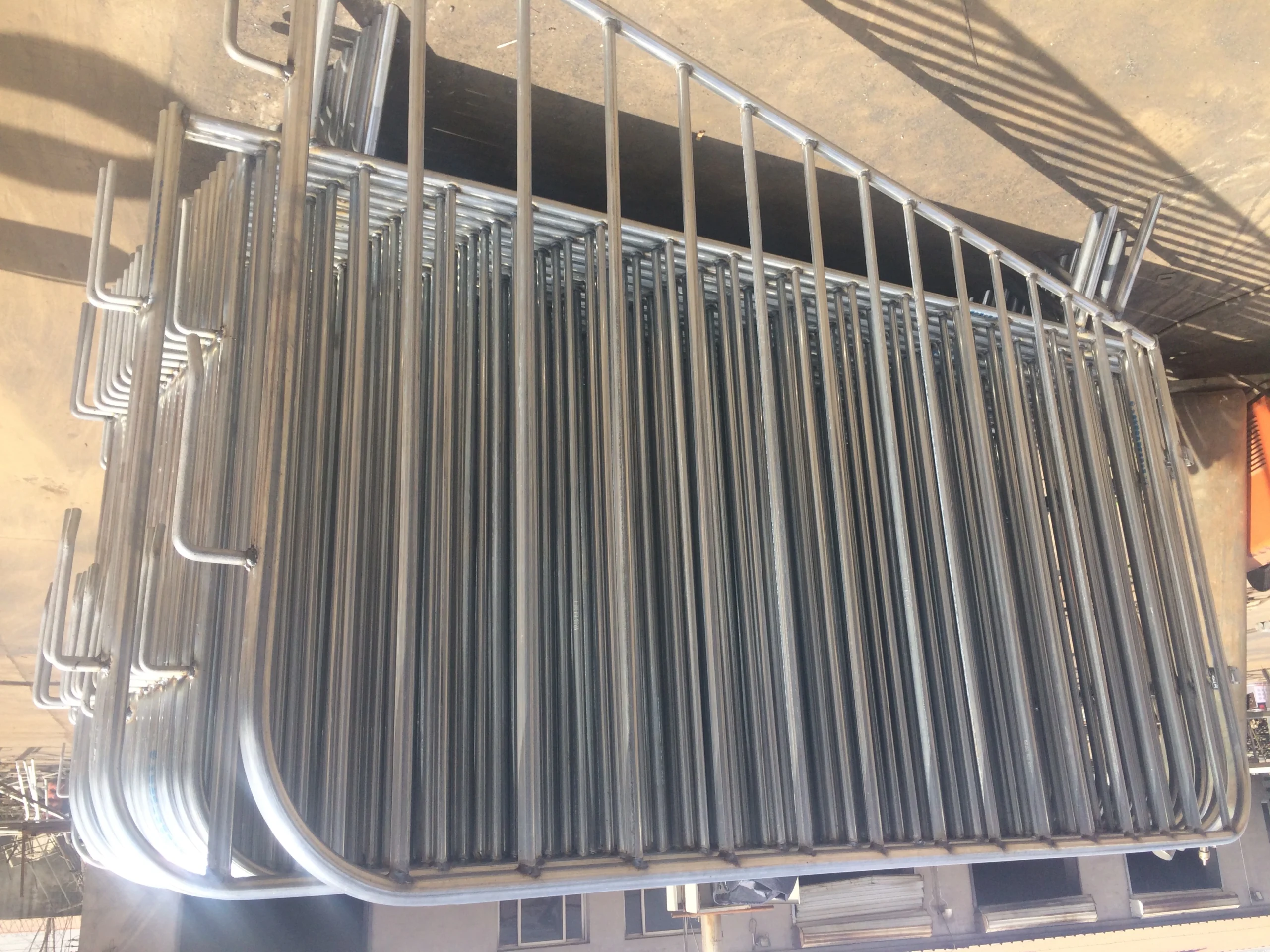
For global fence distributors, the decision between hot-dipped and pre-galvanized fencing is rarely about the initial unit price. It is a calculation of Total Cost of Ownership (TCO). While hot-dipped galvanized fencing carries an 18% initial material premium, it fundamentally alters the lifecycle economics of your inventory by eliminating the massive downstream costs associated with premature structural failure and site safety stand-downs.
In harsh coastal C5-M environments, pre-galvanized fencing fails structurally within 3-5 years. This is due to the ‘Hidden Joint’ vulnerability: pre-galvanizing applies zinc to the sheet before welding, leaving the heat-affected zones (HAZ) at the weld joints completely unprotected. In these zones, chloride attack initiates within 90 days, turning a fence panel into a structural liability rather than just an aesthetic failure.
Conversely, hot-dip galvanizing applies a >42-micron zinc coating via post-weld immersion. This fully encapsulates the joints, ensuring that the most vulnerable part of the panel is the strongest. Hot-dipped panels deliver a 340% ROI over a 10-year period by completely eliminating the need for 4-6 replacement cycles, which are inevitable with inferior pre-galvanized alternatives.
The financial impact of this longevity is quantifiable and significant. By switching to hot-dipped specifications, you save approximately AUD $180-240 per panel in removal, transport, and re-installation labor costs over a decade. For a distributor moving high volumes to the Australian and North American markets, this margin protection is the primary defense against warranty claims and brand erosion.
Furthermore, the service life disparity dictates your end-user warranty costs. Hot-dipped panels provide a verified 25-year coastal lifespan, whereas pre-galvanized variants often suffer irreversible corrosion in just 3-5 years. This gap is validated by ISO 7253 Neutral Salt Spray tests, which show >2,000 hours to red rust for 42μm coatings versus <500 hours for standard 20μm pre-galvanized surfaces.
- Service Life: Hot-dipped fencing offers a 25-year coastal lifespan, effectively doubling the 3-5 year service window of pre-galvanized fencing in C5-M marine atmospheres.
- Labor & Disposal Savings: Eliminating 4-6 replacement cycles over a decade saves an estimated AUD $180-240 per panel in site labor, crane rental, and hazardous waste disposal fees.
- Impact on Distributor Margins: The 18% upfront premium is offset by a 340% ROI over 10 years, protecting your brand reputation and drastically reducing the frequency of costly warranty claims.
- Metallurgical Integrity: Post-weld immersion prevents the ‘Silicon Trap’ and HAZ vulnerabilities, ensuring the weld joints—which are prone to rust—are fully encapsulated by the >42-micron zinc barrier.
| Feature | Specification | Advantage |
|---|---|---|
| Coating Process | Post-Weld Hot-Dip Galvanizing | Fully encapsulates weld joints to prevent rust in C5-M coastal environments |
| Zinc Thickness | >42 Microns | Delivers 25-year service life vs. 3-5 years for pre-galvanized alternatives |
| Corrosion Resistance | ISO 7253 Salt Spray >2,000 Hours | Eliminates warranty claims and brand damage from premature failure |
| Compliance Standard | AS 4687-2022 / ISO 9001 | Meets strict Australian workplace safety and regulatory requirements |
| Total Cost of Ownership | 18% Premium vs. 340% ROI | Saves AUD $180-240 per panel by eliminating 4-6 replacement cycles |
Hot Dipped vs Pre-Galvanized: Which Protects Your Brand?
Hot-dipped galvanizing applies a >42-micron zinc coating via post-weld immersion, fully encapsulating joints.
The metallurgical difference between pre-galvanized and hot-dipped fencing is the difference between a cosmetic finish and structural integrity. Pre-galvanized fencing is manufactured using zinc-coated steel sheets that are subsequently welded. This process strips the protective zinc layer at the weld seams and the heat-affected zone (HAZ), leaving the ferrous steel completely exposed to environmental attack.
In coastal C5-M environments, chloride ions penetrate these unprotected weld joints almost immediately. Within 90 days, moisture initiates rapid ferrous oxidation at the weakest points of the fence panel. This ‘Hidden Joint’ vulnerability causes pre-galvanized fencing to suffer structural failure within 3 to 5 years, triggering warranty claims and brand damage for distributors.
Conversely, hot-dip galvanizing is a post-fabrication process. The entire welded panel is submerged in molten zinc, creating a metallurgical bond that fully encapsulates the welds and joints. This method ensures that the 42-micron zinc coating is continuous, providing a robust barrier that prevents rust even if the surface is scratched during handling.
- Metallurgical Protection: Hot-dipping fully encapsulates weld joints, whereas pre-galvanized fencing leaves the HAZ exposed to chloride attack.
- ISO 7253 Salt Spray Test: A 42μm hot-dipped coating withstands >2,000 hours to red rust, compared to <500 hours for a 20μm pre-galvanized surface.
- Coastal Durability: Hot-dipped panels deliver a 25-year maintenance-free lifespan in C5-M environments, eliminating the 4-6 replacement cycles required by pre-galvanized alternatives.
- The Silicon Trap: Excessive silicon in weld rod metal can accelerate zinc-iron layer growth, creating a brittle coating at welds. Smart distributors specify controlled weld rod chemistry to prevent mechanical damage during handling.
For procurement managers justifying product specs to skeptical buyers, the ISO 7253 Neutral Salt Spray test provides undeniable evidence. The >2,000-hour performance of a 42-micron hot-dipped coating versus the <500-hour failure of pre-galvanized surfaces offers a clear, data-driven argument for premium pricing. This specification is not just about aesthetics; it is about risk mitigation and long-term margin protection.
How to Verify Hot-Dipped Galvanizing Quality
Verify post-weld galvanizing quality through silicon control, mill certificates, and joint encapsulation checks.
Post-weld hot-dip galvanizing is not merely a cosmetic finish; it is the primary defense against structural failure in coastal environments. When you specify hot dipped galvanized temporary fence wholesale for high-humidity markets, you must verify that the entire welded matrix is submerged. Pre-galvanized tubes leave the heat-affected zones (HAZ) at the weld joints completely exposed to chloride attack. In C5-M marine atmospheres, this vulnerability triggers structural compromise within 90 days, turning a cost-saving measure into a massive warranty liability.
The most critical technical variable in galvanizing quality is the silicon content of the weld rod. Excessive silicon accelerates the zinc-iron alloy layer growth, creating a thick, brittle coating specifically at the weld points. This phenomenon, known as the ‘Silicon Trap,’ results in a finish that is highly susceptible to mechanical damage during site handling and transport. Smart distributors mandate controlled weld rod chemistry to ensure the zinc layer remains ductile and adheres securely to the steel substrate.
- Silicon Control: Verify the weld rod chemistry to prevent excessive zinc-iron layer growth, which creates brittle, flaking coatings at the joints.
- Mill Test Certificates: Demand ISO 7253 Neutral Salt Spray test data showing >2,000 hours to red rust for your 42μm coating, rather than accepting generic factory claims.
- Joint Encapsulation: Inspect panels for complete zinc coverage over weld intersections. Any visible steel exposure at the joints indicates a failed pre-galvanized process.
- Coating Thickness: Ensure the final hot-dip application meets the AS 4687-2022 requirement of >42 microns to guarantee a 25-year lifespan in coastal zones.
Conclusion
Specifying 42-micron post-weld hot-dip galvanizing is the only way to protect your brand from the structural failures inherent in pre-galvanized fencing. While the upfront cost is higher, the 340% ROI over ten years eliminates the warranty claims and replacement labor that destroy distributor margins in coastal C5-M environments.
Frequently Asked Questions
What are the drawbacks of hot-dip galvanisation?
It carries a higher upfront cost than pre-galvanized alternatives and requires precise temperature control to maintain consistent coating thickness. Post-weld processing also adds time to the manufacturing cycle compared to pre-fabricated options. Weigh the initial premium against long-term durability requirements.
Is there a difference between galvanized and hot-dipped galvanized?
Yes, standard galvanized typically refers to electroplating which creates a thinner, less durable layer, whereas hot-dip galvanizing immerses steel in molten zinc for a thicker, metallurgically bonded coating. Hot-dip provides superior corrosion resistance for. Specify hot-dip for critical infrastructure and coastal applications.
How long will hot-dip galvanizing last?
In coastal C5-M environments, a 42-micron hot-dip coating can last 25 years or more depending on maintenance and exposure severity. Service life extends significantly beyond pre-galvanized alternatives which may fail within three to. Expect decades of service with proper specification and installation.
Which is better, hot-dipped or galvanized?
Hot-dipped galvanizing is superior for structural integrity and longevity due to its thicker, fully encapsulated zinc layer. It is the required standard for AS 4687 compliance in corrosive or high-wind coastal regions. Choose hot-dip for compliance and maximum durability.
What does white vinegar do to galvanized metal?
White vinegar is acidic and will react with the zinc coating, potentially causing etching or premature degradation of the protective layer. Avoid using acidic cleaners on galvanized surfaces to preserve the integrity of the. Use neutral pH cleaners to maintain coating integrity.