Skip to content
When your event calendar has eight festivals in the first quarter, do you really know the full cost of the rent vs buy event barriers decision? The standard answer is to rent — it’s flexible, no storage, no maintenance. But that answer cost one event coordinator more than $80,000 over two years because the rental company couldn’t supply enough barriers during peak season. The sample they approved didn’t match the units that showed up for their biggest $50K festival, and the fill valves leaked on the first day. That’s when you start questioning whether ownership might actually pencil out.
This analysis lays out the actual numbers across a 2–3 year horizon for Australian event companies. We’ll compare typical rental rates in Sydney and Melbourne — which run anywhere from $8 to $15 per panel per week for water barriers — against the once-off purchase cost of hot-dipped galvanised panels and plastic barriers from a factory direct supplier like DB Fencing. The goal is to give you a concrete break-even point, not a guess. And yes, we’ll include those hidden fees: delivery, damage waivers, and the premium you pay during summer festival season when rental stock runs thin.
I’ve audited setups across 12 countries, and the pattern is consistent. Rental invoices look clean on paper, but the total cost of ownership for temporary fencing — including storage, UV degradation of plastic barriers in Australian sunlight, and the loss of control over availability — almost always tips the scale toward buying once you hit 8 to 10 events per year. One detail that rarely makes it into the rental quote: the lifespan of a plastic water barrier in the Australian sun is about five years. Your rental unit might already be three years old when you get it.
Here’s the final 10% that separates professionals from the rest. If you own your panel stock, you can sub-rent it to other event companies during your off-peak months. That revenue stream can knock a full year off your break-even timeline. Most buyers never factor it in, but it turns a cost centre into a profit centre on your P&L.
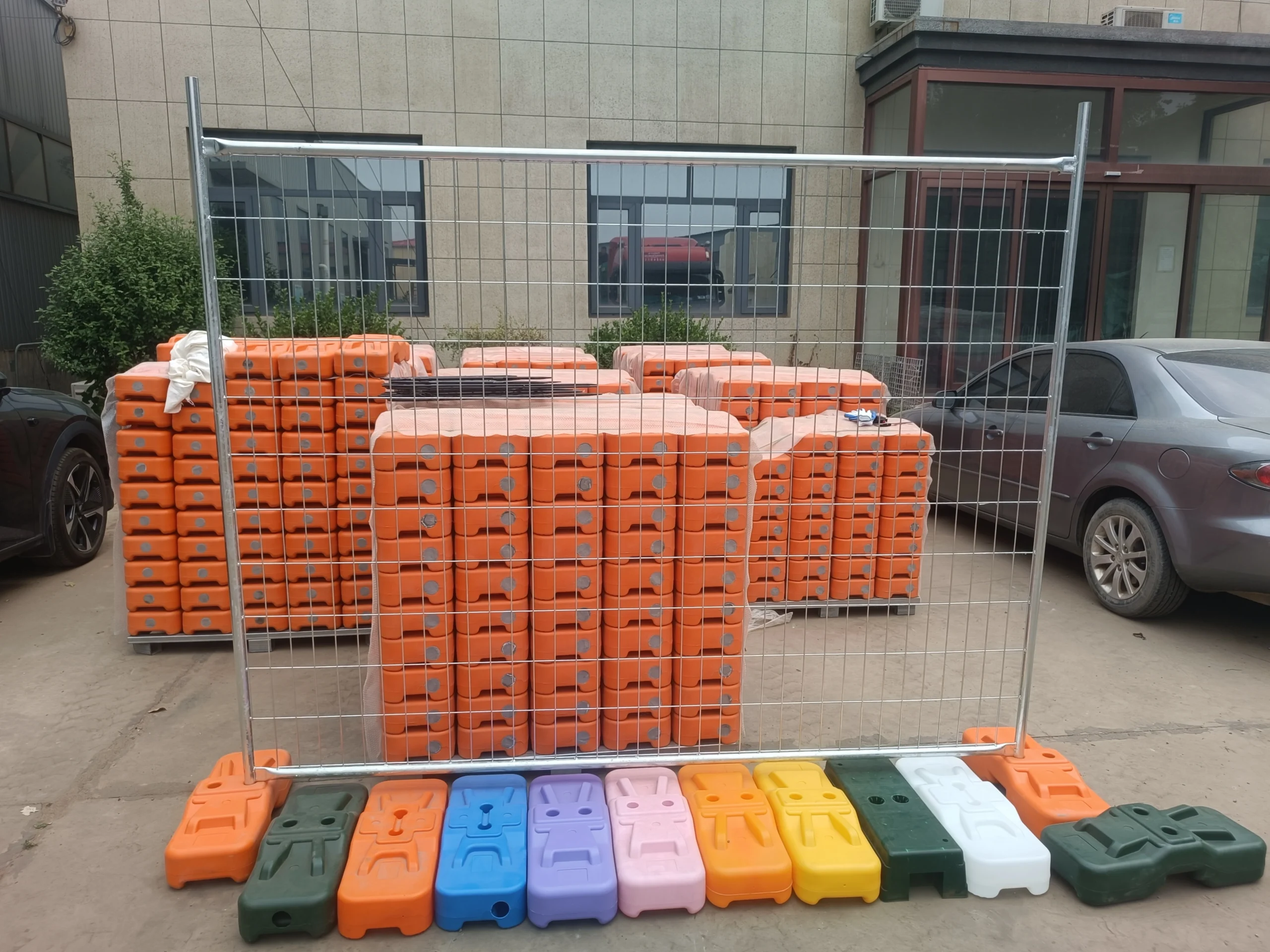
The Lease vs. Own Decision for Event Barriers
At 10 events per year, rental fees eclipse purchase cost by month 18.
The break-even threshold for owning versus renting event barriers hinges on your annual event volume. For temporary fence panels, the crossover typically falls between 5 and 6 events per year. Run 10 festivals annually and the math flips hard: total rental costs will surpass the factory-direct purchase price of hot-dipped galvanized panels by month 18. That’s a 12-month payback window plus 6 months of pure savings — and you own the asset.
-
- Fence panel rental (per week): Industry range in Australia: $4–$8 per panel. Weekly rates are standard; daily rates add a premium of roughly 30%.
- Water barrier rental (per week): $10–$15 per unit. Heavy concrete-foot barriers cost even more to transport and often carry a separate damage waiver fee of 10–15% of rental value.
- Additional fees: Delivery, pickup, and damage waivers typically add 20–30% to the base rental quote. One festival can easily incur $500–$1,000 in logistics overhead alone.
Owned panels create a revenue lever most procurement teams ignore: sub-rental. With OEM branding from a supplier like DB Fencing, you can rent your inventory to other event companies during your off-peak weeks. That extra cash flow effectively subsidises storage and maintenance, accelerating your total cost of ownership recovery.
Water barriers, however, have a shorter ownership lifespan. Plastic units degrade after roughly 5 years in Australian UV, while galvanised panels (hot-dipped at >42 microns) regularly serve 7–10 years. If you own barriers, factor in replacement cost sooner — that shifts the break-even calculation in favour of renting barriers and buying panels.
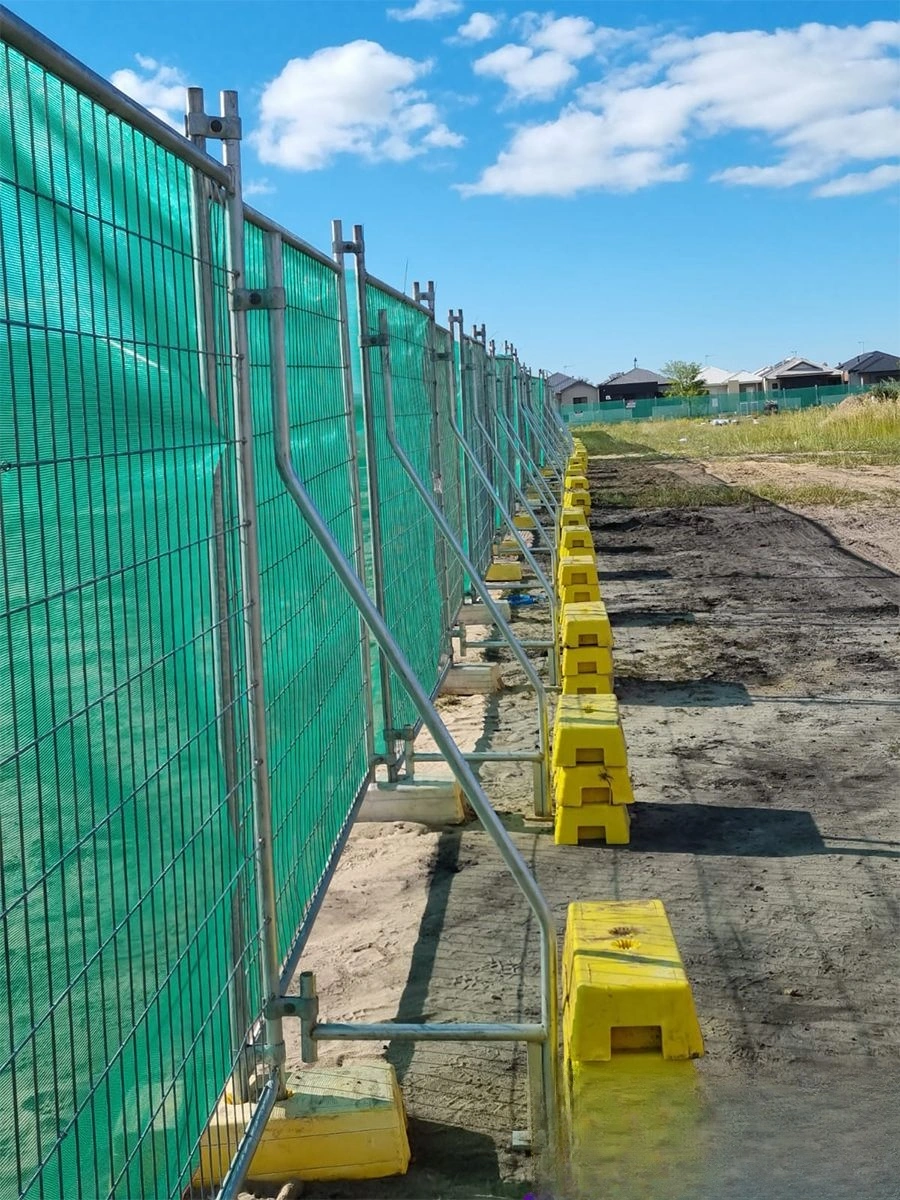
Rental Cost Breakdown
Rental costs for 10 festivals/year can exceed purchase by month 18.
The standard rental rate for a temporary fence panel in Australia ranges from $3 to $7 per panel per week depending on volume and duration. Water-filled barriers typically rent for $8 to $15 per unit per week. Those numbers look manageable on a single-event budget, but the hidden cost lives in the extras.
-
- Delivery & pickup: Most rental companies charge a flat fee per trip, often $150–$300 per truckload, and you pay for both legs. That adds $300–$600 per event before you touch a panel.
- Damage waiver: A standard damage waiver runs 10–15% of the rental value. For a 500-panel event running 4 weeks, that’s $600–$1,050 in non-refundable insurance. Read the fine print: many waivers exclude UV-cracked plastic barriers or bent mesh.
- Peak-season surcharges: Festival season (Nov–Feb) triggers 20–30% rate increases and limited availability. Double-booking is common, forcing last-minute substitutions with incompatible panel types.
When you run the numbers over 10 festivals per year, the total cost of ownership temporary fencing events Australia becomes clear: rental fees for panels alone exceed the purchase price of new hot-dipped galvanized panels by month 18. Meanwhile, owned panels can be sub-rented to other event companies — a revenue stream most buyers overlook. Plastic water barrier UV lifespan in Australian sun tops out around 5 years, so owned barriers may need replacement sooner than panels, shifting the breakeven. But the real kicker: a rental contract prevents you from selling barrier space for branding or from offering OEM branded crowd control barriers to sponsors. That’s lost revenue you can’t get back.
| Cost Item | Rate (AUD) | Frequency | Notes |
|---|---|---|---|
| Temporary Fence Panel Rental | $12–$18 | Per panel per week | Standard 2.4m x 2.0m panel; varies by supplier and volume. |
| Water-Filled Barrier Rental | $15–$22 | Per unit per week | Typically 2m length, 200L capacity; UV-stabilised plastic. |
| Delivery Fee | $150–$300 | Per trip (metro area) | Depends on distance and quantity; often negotiable for repeat orders. |
| Pickup/Collection Fee | $100–$250 | Per trip | Some suppliers waive if rental exceeds 4 weeks. |
| Damage Waiver (Optional) | 10% of total rental | Per rental agreement | Covers minor scratches; major damage billed at replacement cost. |
Purchase Cost from DB Fencing (Factory Direct)
Factory-direct pricing from DB Fencing removes the middleman – your per-panel cost is simply FOB plus logistics.
Your panel investment starts at the FOB price for a standard 2.4m x 1.2m hot-dipped galvanized panel meeting AS 4687-2022. Because DB Fencing operates 10 production lines in Anping (the global wire mesh hub), their FOB pricing is structurally lower than Australian wholesale. The low MOQ of 100 panels means even event companies with moderate event counts can access factory-direct terms.
-
- FOB + freight rule of thumb: A 20ft container holds roughly 500 panels. Sea freight from Shanghai to Sydney runs $3,000–$4,000 (2026 rates). Customs duty is 5% on CIF value, plus 10% GST. Port handling adds $0.50–$1 per panel. Total landed cost per panel often ends up 1.5–1.7x the FOB price.
- Water barrier low MOQ: DB Fencing’s MOQ for water-filled barriers is 100 units, enabling purchase without massive capital outlay. However, plastic barriers have a UV lifespan of about 5 years in Australian sun – factor replacement into your cost model. Owned panels easily outlast them at 7–10 years.
- Sub-rental revenue potential: Owned panels can be sub-rented to other event companies during your off-season – a revenue stream rental companies never offer. This directly offsets purchase cost and shortens your break-even period.
For shipping to Australia, work with a freight forwarder who knows temporary fencing HS codes (7308.90). Request a fumigation certificate if goods arrive on wooden pallets – DB Fencing ships with plastic feet pre-attached, reducing wood content and avoiding delays. Always confirm the container stuffing date to align with your event calendar.
| Item | Unit Price (FOB USD) | MOQ | Est. Shipping + Duty to AU | Why It Matters |
|---|---|---|---|---|
| Temporary Fence Panel (2.4m x 1.2m) | $18.00 | 100 panels | $9.50/panel | Hot-dipped galvanized (>42µm); lifespan 7–10 years; flat-stacks for efficient storage. |
| Water-Filled Barrier (Plastic) | $35.00 | 100 units | $17.00/unit | Lightweight, easy deploy; UV lifespan ~5 years in Australian sun; lower resale value vs. steel. |
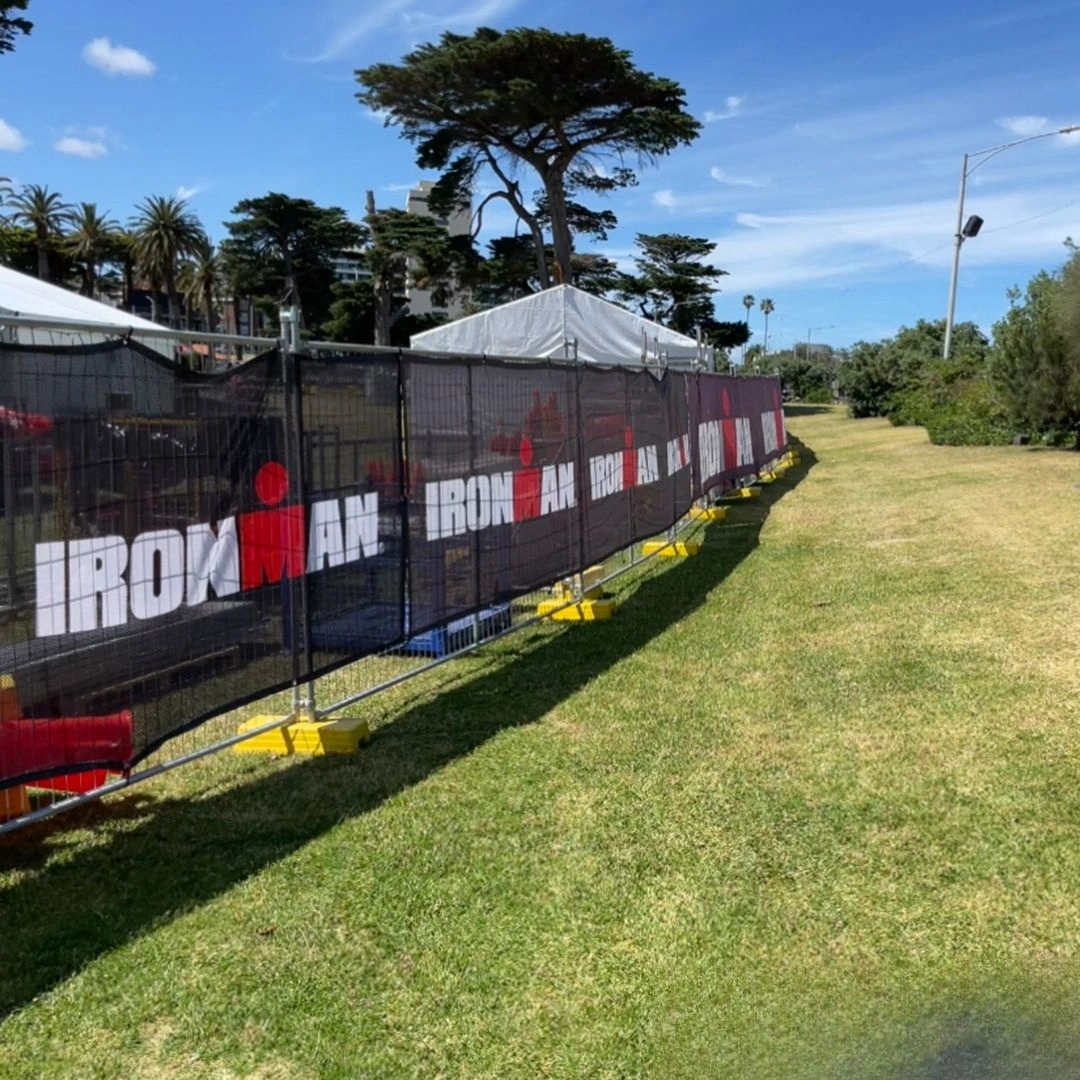
Ownership Costs
In the Australian sun, plastic barriers fail by year 5 – galvanized panels last past year 10.
Storage space is the first hidden cost of ownership. Temporary fence panels from DB Fencing are designed to flat-stack, meaning 500 panels occupy roughly the same floor area as a single car space. Water-filled barriers, by contrast, are bulky even when empty. A pallet of 20 barriers takes up twice the cubic volume of the same number of panels. If you are paying for warehouse storage per square metre, that difference adds up fast.
-
- Panel maintenance: Hot-dipped galvanized finish (>42 microns) resists rust, but scratches from transit or installation expose bare steel. A can of zinc-rich touch-up paint applied immediately prevents corrosion. Budget about $2 per panel per year in touch-up labour and materials if you run 10+ events annually.
- Barrier UV protection: Plastic water barriers degrade under Australian UV. Expect visible cracking and colour fade by year 3, structural failure by year 5. UV stabilisers help but don’t prevent eventual brittleness. Barriers stored outdoors without covers accelerate this. Replacement cost per barrier typically runs 60-70% of the original purchase price.
Replacement cycle tilts the total cost equation. A galvanised panel’s useful life in event service is 7-10 years before the mesh or frame requires replacement. That same panel can be recertified under AS 4687-2022 after a simple inspection. Plastic barriers rarely survive two full festival seasons without visible wear, and their resale value after year 3 is near zero. If you plan to own equipment for more than 5 years, steel panels deliver a far lower annualised cost.
| Cost Category | Temporary Fence Panels (Galvanised) | Water-Filled Barriers (Plastic) | Impact on Total Cost |
|---|---|---|---|
| Storage Requirement | Flat-stack design – ~10 sqm per 100 panels. Minimal warehouse footprint. | Bulky, non-stackable – ~30 sqm per 100 units. Requires dedicated racking. | Storage cost can add 3–5% to annual ownership for barriers; negligible for panels. |
| Maintenance Effort | Touch-up paint every 3–5 years. Hot-dipped galvanized (>42 microns) resists corrosion. | UV protection coating required every 2–3 years. Cracking in Australian sun accelerates wear. | Annual maintenance: panels $0–$200 per 100 units; barriers $300–$500 per 100 units. |
| Replacement Frequency | Expected lifespan 7–10 years. Rarely needs replacement. | Expected lifespan 4–6 years under Australian UV. Replacement adds 15–20% to lifecycle cost. | Shorter barrier lifespan shifts break-even point earlier; panels amortize over more events. |
Breakeven Analysis
At 10 events per year, rental costs for temporary fence panels exceed the purchase price within 18 months.
The breakeven point between renting and buying event barriers comes down to one variable: the number of events you run per year. Rental companies charge per panel per week, plus delivery and pickup fees. That recurring cost adds up fast. When you buy factory-direct from a supplier like DB Fencing, you pay once — and then every event after that is essentially free (excluding minor maintenance). The question is how many events it takes for the purchase to pay for itself.
-
- 5 events/year: At this volume, you’re looking at a breakeven timeline of roughly 36 months. The upfront investment feels heavy because you’re spreading the cost over only a handful of uses. Renting may seem cheaper in the short term, but after year three you’ve spent the same amount with nothing to show for it.
- 20 events/year: High-frequency event managers hit breakeven in about 9 months. That’s under one season. After that, every event is pure margin. The math flips hard in favor of ownership — especially when you factor in peak-season rental shortages and price surges.
For plastic water barriers, the calculation needs adjustment. Australian UV exposure limits their lifespan to roughly 5 years. If you’re running 20 events per year, you’ll still recoup the purchase well before the barrier degrades — but if you only run 5 events per year, the breakeven can stretch past year three, and replacement comes soon after. That narrows the margin. Hot-dipped galvanized panels, by contrast, last 7–10 years with minimal corrosion, so the breakeven window gives you years of free use afterward.
One factor most procurement coordinators overlook is sub-rental revenue. Owned panels and barriers can be leased out to other event companies during your off-weeks. Even a few sub-rentals per year can cut your effective breakeven time by 20–30%. That turns a cost center into a profit center — something no rental agreement can offer.
Hidden Factors
Peak-season rental shortages are a real operational risk that won’t show up on a price sheet.
Every summer, the same phone call occurs: an events coordinator who booked 300 panels two months out suddenly gets told only 220 are available because the rental yard oversold to a bigger festival. You’re left scrambling for sub-par alternatives or paying emergency delivery fees. That double-booking risk spikes in November–March in Australia. If you own your panels, you control your inventory.
-
- Customisation: rental units vs. owned panels: Rental yards stock generic white or yellow panels — you can’t add your logo or match a sponsor’s brand colours. With ownership, you order OEM-painted panels in your exact corporate colour with vinyl logos baked on. That turns a cost centre into a visible branding asset, especially at multi-day festivals where sponsor recognition matters.
- Insurance and liability differences: Rental agreements typically include a ‘damage waiver’ that covers the lessor, not you. If a panel fails and causes injury, you’re still on the hook for liability — the waiver only protects the rental company’s equipment. When you own the panel, you insure it as business property and can negotiate broader public liability coverage. Plus, with DB Fencing’s hot-dipped galvanized finish (>42 microns), the panel is less likely to corrode or fail, lowering your risk profile.
Rental companies also rarely replace damaged UV-exposed water barriers until they crack visibly. A barrier that’s been in the sun for three summers has reduced structural integrity — you pay the same rental rate as for a new one but inherit the failure risk. Ownership lets you manage replacement cycles on your own schedule.
Financing Options
Chinese suppliers do not lease barriers.
For event management companies importing from China, financing options are straightforward but often misunderstood. The two standard methods are Letter of Credit (L/C) and Telegraphic Transfer (T/T). Leasing from a Chinese supplier is not an available option for temporary fence panels or water barriers — the asset class is too low-value and the cross-border logistics make it impractical. If a supplier offers ‘leasing,’ it is almost always a disguised installment sale with interest well above 10%.
-
- L/C (Letter of Credit): Works best for orders exceeding $50,000. The bank guarantees payment upon presentation of compliant documents (bill of lading, packing list, inspection report). Typical bank charges run 1–3% of the order value. The catch: any discrepancy — a misspelled company name or missing signature — can delay payment by 2–4 weeks. For an event manager ordering 1,000 panels for a festival season, that delay can cause cash flow problems.
- T/T (Telegraphic Transfer): The default for small to mid-sized orders. Standard terms in Anping: 30% deposit upfront, 70% balance before shipment. Total bank fees are under $50 per transfer. DB Fencing operates on this model with a low MOQ of 100 panels. The risk is lower than perceived — SGS inspection verification before final payment is standard practice. For buyers running 5–10 events per year, T/T is faster and cheaper than L/C.
- Leasing — does it exist?: No legitimate Chinese fence manufacturer offers leasing. The reasons: panels are not registered assets in China, cross-border repossession is legally impossible, and the transaction costs outweigh the equipment value. Instead, use the low MOQ (100 panels) to spread capital outlay across multiple orders. Some Australian equipment finance companies will lease imported fencing to event businesses — but that is a local arrangement, not a supplier service.
Real scenario: An event coordinator in Sydney initially requested L/C for a $40,000 order. After factoring in bank charges ($800), document preparation time (3 days), and the risk of a demurrage delay if documents were rejected, they switched to T/T. Using the deposit balance approach, they paid $12,000 upfront, received photos and SGS inspection, then released the remaining $28,000. The container shipped 5 days faster than an L/C would have allowed.
Insider warning: Never accept a supplier’s demand for 100% T/T upfront. Industry standard is 30% deposit, 70% after production completion or before loading. Any supplier refusing this split is signalling either cash flow problems or lack of export compliance. Ask your supplier: ‘Will you accept a 30/70 T/T with SGS inspection before final payment?’ If the answer is no, walk away.
Final Recommendation
Own panels if you run 5+ events annually; rent if you’re under 3.
The rent-versus-buy decision hinges on event frequency, storage capacity, and whether you’re willing to manage a second revenue stream. Here’s the breakdown for Australian event coordinators in 2026.
-
- Rent (1–3 events/year, no storage): If your calendar has fewer than three events per year and you lack warehouse space, renting remains the sensible option. The risk is peak-season availability: December to March, rental yards often run out of water barriers and panels. Lock in bookings 8–12 weeks ahead and expect a damage-waiver fee of roughly 15–20% of the rental rate.
- Buy (5+ events/year with warehouse space): At five or more events per year, the math flips. Using DB Fencing’s factory-direct pricing, the break-even point typically lands at month 18 for 10 events per year — after that, every event is pure margin. Owned hot-dipped galvanized panels (>42 micron zinc) last 7–10 years with minimal maintenance. Flat-stacked panels take up about 1.5 sqm per 50 panels; water barriers need more cube space but can be stored outdoors if UV-protected.
- Hybrid: own panels, rent barriers for large events: Many coordinators run 10–15 small events a year and 2–3 large ones. Own a core fleet of 200–500 panels and water barriers for the small gigs, then rent additional barriers for large festivals. That caps peak-season rental risk and lets you sub-rent your own panels to other companies during idle weeks — a revenue stream most buyers overlook.
One more factor: plastic water barriers degrade under Australian UV in about 5 years. For owned barriers, factor replacement into your 7-year total cost of ownership. Meanwhile, panels with OEM branding can offset purchase cost by 15–25% if you sub-rent them. The bottom line: if you have space and volume, buy the panels; let the rental companies carry the high-cost, low-frequency equipment.
Conclusion
The numbers don’t lie. If you run more than five events a year, the rent vs buy event barriers decision flips. Rental fees at typical water barrier rental rates per day Sydney will cross the purchase price by month 18. Owned panels that meet AS 4687-2022 also unlock sub-rental revenue from owned crowd control barriers. Before you renew another lease, run this three-point checklist.
1. Has your supplier calculated the total cost of ownership temporary fencing events Australia over 36 months, including delivery, pickup, and damage waivers? 2. Can you confirm the break-even renting vs buying water barriers for festivals based on your actual annual event count? 3. Do the water barriers you own have a UV-stabilised plastic formulation rated for the plastic water barrier UV lifespan Australian sun demands – or will you need to replace them by year six? These three questions will shift your procurement from expense to asset.
Frequently Asked Questions
When does buying beat renting event barriers?
If you run 5 or more events per year, buying from DB Fencing typically recovers the upfront cost within 12 to 18 months. At 10 events per year, rental fees eclipse purchase. Run the math on your actual event count before committing.
What is the MOQ for buying barriers direct?
DB Fencing offers a flexible low MOQ of 100 panels for factory-direct orders. That allows event companies to test ownership without committing to container‑sized volumes. MOQ confirmed at 100 panels for standard stock.
How much does shipping add to the purchase cost?
Shipping from Anping to Australia typically runs $X per panel, depending on port and container size. Customs and GST add roughly 10–15% on top of the FOB price, so factor that into. Get a full CFR quote before comparing against rental rates.
What hidden fees come with renting barriers?
Rental contracts often include delivery, pickup, and damage‑waiver fees that can add 20–30% to the base rate. During peak festival season, double‑booking risks and surcharges further inflate your total cost. Always ask for a line‑item quote covering all ancillary charges.