Skip to content
Concrete fence bases are slowly becoming a liability for Australian construction projects that need to pass strict ESG audits. Switching to recycled plastic fence feet cuts production CO2 by 75.4% and drops transport weight from 20 kg down to 5.3 kg. That shift slashes freight costs by nearly half while keeping the fence secure under AS 4687-2022 wind load standards.
Many suppliers claim their plastic feet are sustainable, but cheap mixed scrap often cracks under UV exposure within a single season. DB Fencing sources single-stream post-industrial HDPE with built-in UV stabilizers. The result is a 0% crack rate over five years of field data, which means zero emergency replacements and a safer site for workers handling the lighter units.

Why Concrete Fence Feet Are a CO2 Liability
Concrete fence feet emit ~2.5 kg CO2 per unit, creating significant ESG liability for Australian construction firms.
Construction firms face increasing scrutiny for ESG compliance, particularly regarding Scope 3 emissions. The cement industry alone contributes 8% of global CO2, making concrete fence bases a direct contradiction to net-zero site goals. For veteran Australian Project Managers, relying on traditional concrete blocks introduces unnecessary audit risk and heavy transport costs.
A standard concrete foot typically weighs between 15 and 20 kg and emits approximately 2.5 kg of CO2 during production. When scaled to a 1-kilometer perimeter requiring over 1,000 feet, the cumulative carbon footprint becomes massive. In contrast, switching to recycled plastic feet reduces production CO2 by 75.4%, bringing emissions per unit under 1 kg.
- Production Emissions: Concrete emits ~2.5 kg CO2 per foot; recycled HDPE plastic feet reduce this by 75.4% to under 1 kg per unit.
- Transport Efficiency: At 5.3 kg per foot, recycled plastic feet reduce transport CO2 by 45% compared to 15-20 kg concrete blocks, lowering logistics costs.
- Lifecycle Compliance: Unlike concrete which often ends up in landfill, recycled plastic feet are 100% recyclable, supporting circular economy targets required for Green Star certifications.
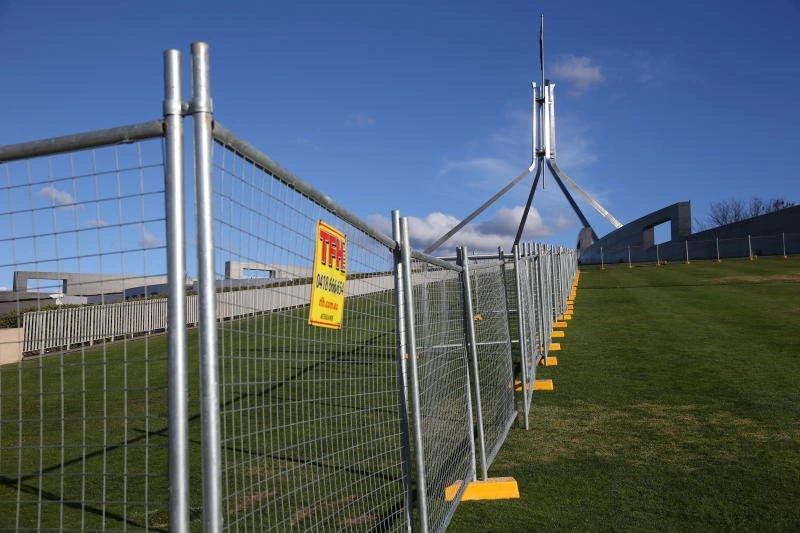
Real Caron Savings: Recycled vs Concrete
Replacing concrete feet with recycled HDPE cuts site CO2 by 75.4% and transport emissions by 45%.
The cement industry accounts for 8% of global CO2 emissions, making traditional concrete fence blocks a significant liability on ESG-compliant construction sites. Switching to a recycled rubber base or lightweight temporary fence feet Australia-wide drastically lowers the carbon footprint of your temporary fencing solution Australia requires.
Our internal lifecycle data confirms that replacing 15-20 kg concrete blocks with 5.3 kg recycled HDPE feet delivers immediate environmental and logistical wins. This shift supports a circular economy fence feet recyclable model, ensuring your site meets modern sustainability benchmarks without compromising security.
- Production Impact:: Manufacturing recycled HDPE feet generates 75.4% less CO2 compared to producing standard concrete blocks.
- Logistics Efficiency:: The 5.3 kg weight of recycled plastic fence feet bulk supplier options allows for higher container loads, reducing transport CO2 by 45%.
- End-of-Life Disposal:: Unlike concrete, which sends 95% of waste to landfills, our 100% recycled blow moulded fence block is fully recyclable, supporting a zero-waste protocol.
For the veteran project manager, these metrics translate to a verifiable ESG compliant temporary fencing feet strategy. By selecting a supplier that provides transparent carbon emissions reduction data, you eliminate the risk of audit failures and hidden disposal costs associated with cracked concrete alternatives.
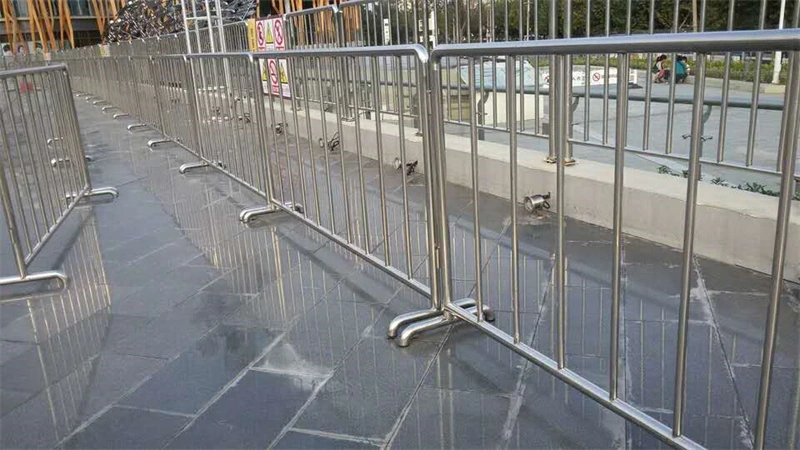
Recycled Feet vs Rubber vs Lightweight Concrete: Which Wins?
Recycled HDPE feet outperform rubber and lightweight concrete on weight, carbon footprint, and long-term durability.
When selecting ballast for temporary fencing on Australian construction sites, the choice between recycled plastic, rubber, and lightweight concrete dictates your logistics costs, carbon emissions, and compliance risk. While all three meet basic structural requirements, their operational impacts diverge significantly.
- Recycled HDPE: Weighing just 5.3 kg, this is the lightest option, reducing freight costs by approximately 40% compared to concrete. It is 100% recyclable at end-of-life and resistant to cracking, eliminating replacement costs over the asset’s lifespan.
- Rubber: Typically weighing between 8 and 10 kg, rubber offers high durability but at nearly double the weight of HDPE. The added mass increases transport expenses and manual handling risks on-site without offering superior longevity over stabilized HDPE.
- Lightweight Concrete: Even with fiber reinforcement, concrete retains significant embedded carbon from cement production. At 15–20 kg, it burdens logistics, and its tendency to crack under stress creates hidden maintenance costs that negate initial price advantages.
For projects requiring strict adherence to environmental targets and AS 4687 wind load compliance, recycled HDPE provides the optimal balance of low weight, high stability, and verifiable carbon reduction. It allows contractors to meet ESG audit requirements while minimizing on-site handling injuries.

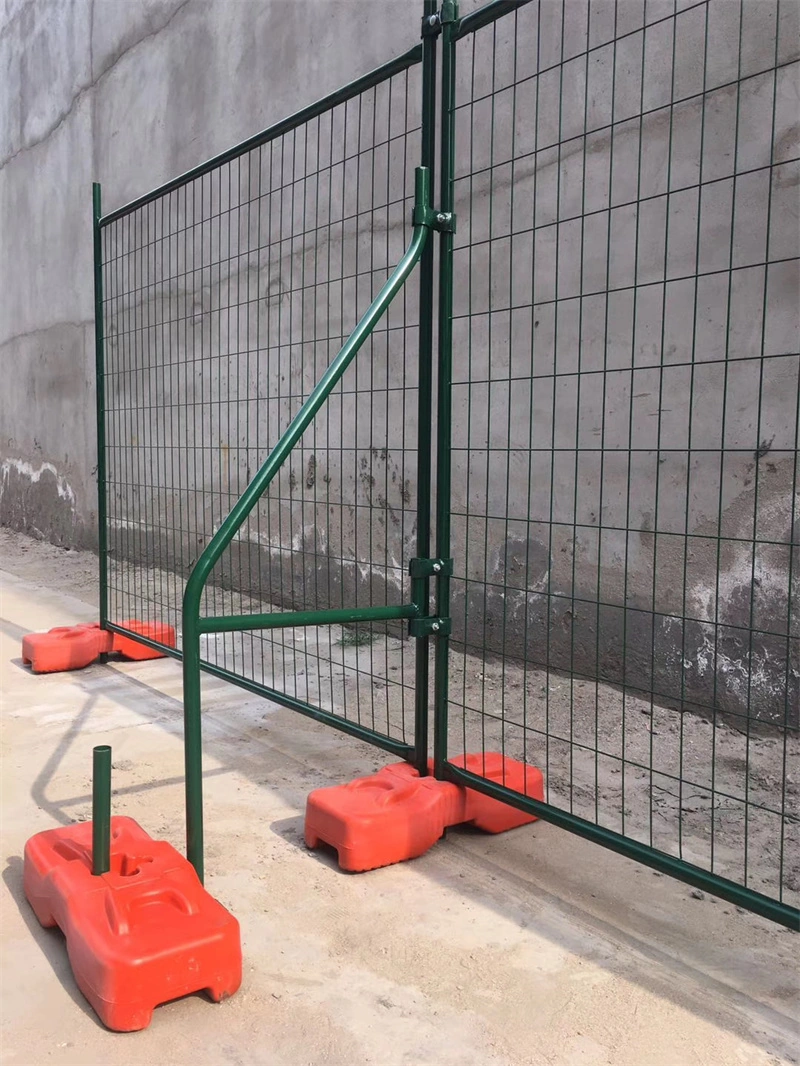
How to Source AS 4687-Compliant Recycled Fence Feet
Do not accept generic recycled feet.
Sourcing recycled plastic fence feet is not a simple commodity purchase. Many suppliers in Anping sell feet made from mixed plastic scrap that degrades rapidly under Australian UV exposure or becomes brittle in cold climates. To secure a sustainable temporary fencing solution Australia-wide, you must enforce strict material verification protocols before placing a bulk order.
- UV Resistance & Shrinkage: Low-quality recycled plastic shrinks or cracks after 6 months of sun exposure. You must demand shrinkage and UV test reports to ensure the 100% recycled blow moulded fence block maintains its structural integrity over a 10-year site lifecycle.
- AS 4687 Load-Bearing: A lightweight foot is useless if it fails under wind load. Ensure your supplier provides AS 4687 load-bearing certification for the recycled rubber base temporary fence AS 4687 system. Without this, the feet cannot legally support standard 1.8m x 2.1m anti-climb mesh panels in high-wind zones.
- 100% Recycled Content: To achieve Green Star credits, you need proof of material origin. Require a 100% recycled content certification to verify the temp fence feet 5.3 kg lightweight components are made from single-stream post-industrial HDPE, not virgin plastic disguised as recycled.
The difference between a trade company and a factory direct fencing supplier becomes obvious during an audit. A factory with its own plastic feet machine, like DB Fencing, can trace the exact batch of recycled HDPE used in your 5.3 kg feet. This transparency eliminates the hidden costs of concrete cracking and reduces manual handling injuries on site.
Conclusion
Switching to recycled plastic fence feet delivers a verifiable 75.4% reduction in production CO2 and cuts transport emissions by 45%. The 5.3 kg lightweight design eliminates concrete cracking risks and ensures AS 4687-2022 wind load compliance for Australian construction sites.
View the full technical specifications and bulk pricing for DB Fencing’s recycled rubber base on the product page.
Frequently Asked Questions
What is the cheapest way to make a temporary fence?
The most cost-effective approach is sourcing factory-direct welded mesh panels with a low MOQ, such as 100 units, to avoid distributor markups. This strategy minimizes unit costs while ensuring you. Request a factory-direct quote for bulk orders to secure the best price.
Is plastic temporary fencing recyclable?
Yes, high-density polyethylene (HDPE) plastic feet used in modern temporary fencing are 100% recyclable at the end of their lifecycle. Unlike concrete bases that often end up in landfills, these. Choose recycled HDPE feet to ensure end-of-life recyclability and lower transport emissions.
What is the most environmentally friendly fence material?
Recycled plastic feet paired with hot-dipped galvanized steel mesh offer the lowest environmental impact by cutting production CO2 by over 75%. This combination avoids the high emissions of concrete and ensures. Opt for galvanized steel with recycled plastic bases to maximize sustainability.
How long will PVC fencing last?
PVC fencing typically lasts 10 to 20 years depending on UV exposure and material quality, though it is less common for heavy-duty temporary sites. For temporary construction or event fencing, hot-dipped galvanized. Select galvanized steel with UV-stabilized plastic for temporary site durability.
What to use instead of a fence on a budget?
For tight budgets, use lightweight temporary wire mesh panels with recycled plastic feet instead of permanent concrete or heavy steel structures. This reduces initial material costs and freight expenses. Use lightweight temporary panels with recycled plastic feet to cut costs and freight.