Skip to content
import temp fence canada is the first checkpoint buyers should lock before they approve a supplier, budget, or production slot. The gap between a 7.5% and a 25% steel derivative surtax on a single container of temporary fence panels is roughly $4,200 — and that gap lives entirely in how you classify the product and what documentation the manufacturer provides. Looks simple enough: import temp fence to Canada, slap a code on the bill, and move the container. But I have seen a 4-week hold at CBSA because the broker used HS Code 7308.10 (parts of structures) instead of 7308.90 (assembled fences). The shipper had to pay freight to hold the container, plus storage fees at the terminal, and then back-tariffs on the reclassified units.
This is where the veteran distributor separates a profitable 2026 from a margin sinkhole. The CBSA CARM system goes fully live this year — real-time duty accounting, mandatory electronic filings, no grace period for paper mismatches. Combine that with the 2026 steel derivative goods surtax that specifically targets processed fence components (welded wire, formed panels), and the difference between a clean clearance and a six-figure capital tie-up often comes down to two things: the correct tariff classification and a manufacturer who can produce ISO 9001 certs plus material test reports on request. Most suppliers in Anping cannot produce those on demand. DB Fencing can, because the documentation is built into the production line, not pulled together after the order ships.
Understanding HS Code 7308 for Fencing
Misclassify under 7326 or 9406?
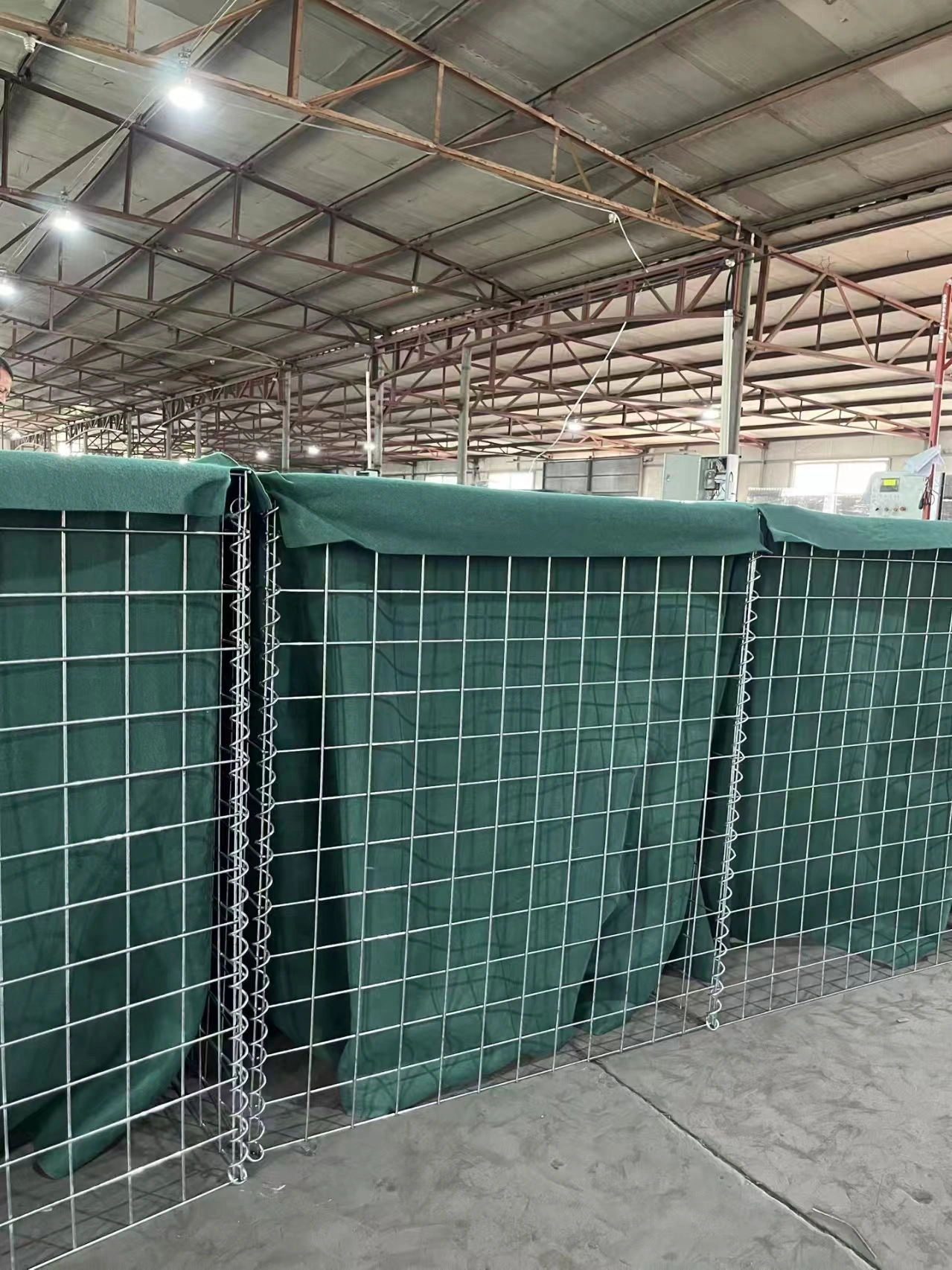
Temporary fence panels shipped as complete, assembled kits land squarely under HS Code 7308.90.00 – ‘Assembled fences, including barriers or crossing gates, of iron or steel.’ This is the only correct classification for a panel that arrives with welded joints, attached feet, and connection pins. Raw wire mesh (7326) or prefabricated structures (9406) are not alternatives; they trigger different duty rates and invite customs audits.
- Risk: Classifying under 7326.19.90 (forged/stamped articles) to avoid the ‘assembled’ duty is a flag. CBSA now actively audits temporary fence imports, checking whether panels arrive fully assembled or in separate parts. Back-tariffs of 5–10% plus penalties are common when inspectors find pre-welded panels misdeclared as components.
- CBSA Criteria: The Canada Border Services Agency uses the ‘essential character’ test: if the panel is pre-assembled and functional as a fence unit on arrival, it’s 7308.90. If components arrive loose and require welding or bolting into a structure (unassembled), you might argue 7308.10 (‘parts of structures’). But the default ruling for standard temporary fencing kits is ‘assembled’.
Insider note: Many distributors attempt 7308.10 to shave duty, but CBSA issued rulings in 2026–2026 that specifically classify temporary fencing kits as ‘assembled fences’ under 7308.90. Know your wire gauge and coating weight: these specs help you confirm the product matches the ‘processed steel’ definition under the Steel Derivative Goods Surtax, which can add 7.5–25% on top of the base duty if your supplier’s documentation isn’t precise.

Real Cost Breakdown: Steel Surtaxes & Duties
Steel surtaxes can turn a profitable order into a loss if not calculated upfront.
- Base MFN duty: 5–10% on HS 7308.90.00 (depending on exclusions and FTA eligibility).
- Steel derivative surtax: 7.5%–25% applied to wire mesh and fence panels made from hot-rolled or cold-rolled steel. The exact rate depends on the wire gauge and coating weight — thinner, lighter panels may qualify for the lower bracket.
- Canada–US MFA remission orders: Only apply if the steel is melted and poured in the US or Mexico. Chinese-origin panels do not qualify. Verification requires a valid CUSMA certificate of origin.
Use the CBSA Canada Tariff Finder (https://www.cbsa-asfc.gc.ca/trade-commerce/tariff-tarif/2026/menu-eng.html) to calculate the exact duty rate for your specific panel dimensions and coating specs. Enter the HS code 7308.90.00, select ‘China’ as origin, and input the CIF value. The tool will display the base rate plus any applicable surtax order. Run this calculation before you sign the proforma invoice — not after the container lands.
| Cost Component | Rate/Details | Risk/Margin Impact | DB Fencing Advantage |
|---|---|---|---|
| HS Code Classification | 7308.90.00 (assembled fences) vs. 7308.10 (parts of structures); CBSA strictly enforces ‘assembled’ status | Misclassification triggers back-tariffs and audits; can add 10%+ to landed cost | Provides correct classification documentation and compliance support for each shipment |
| Base Import Duty (MFN) | 5% – 10% of CIF value; no FTA for Chinese-origin fencing | Fixed cost that adds $0.50–$1.50 per panel depending on CIF price | Factory-direct pricing and low MOQ of 100 panels help offset base duty burden |
| Steel Derivative Goods Surtax (2026) | 7.5% – 25% on processed steel forms (wire, mesh, coating variables) | Single largest margin eroder; can wipe out 15% of distributor profit if uncalculated | Provides exact wire gauge and coating weight data to argue for lower surtax brackets |
| CBSA CARM Compliance | Real-time accounting system for commercial imports; requires accurate steel import permits | Non-compliance leads to customs holds, demurrage fees, and delayed inventory | ISO 9001 certification & material certificates streamline CARM documentation |
| Freight & Weight Base | Standard concrete bases add ~15% container weight vs. DB Fencing’s in-house plastic feet | Higher weight increases ocean freight costs and duty base (CIF value) | Plastic feet reduce total container weight by 15%, lowering freight and duty costs per panel |
CBSA Compliance: Steel Permits & CARM
CARM real-time accounting begins 2026.
CBSA’s CARM system eliminates the grace period for duty payments. Starting 2026, every commercial importer must post a financial security bond and submit real-time accounting for all shipments. For steel temporary fencing, that means the 7.5%–25% steel derivative goods surtax must be calculated and paid before the container crosses the border. Miss a surtax bracket and your bond gets drawn down, triggering a hold.
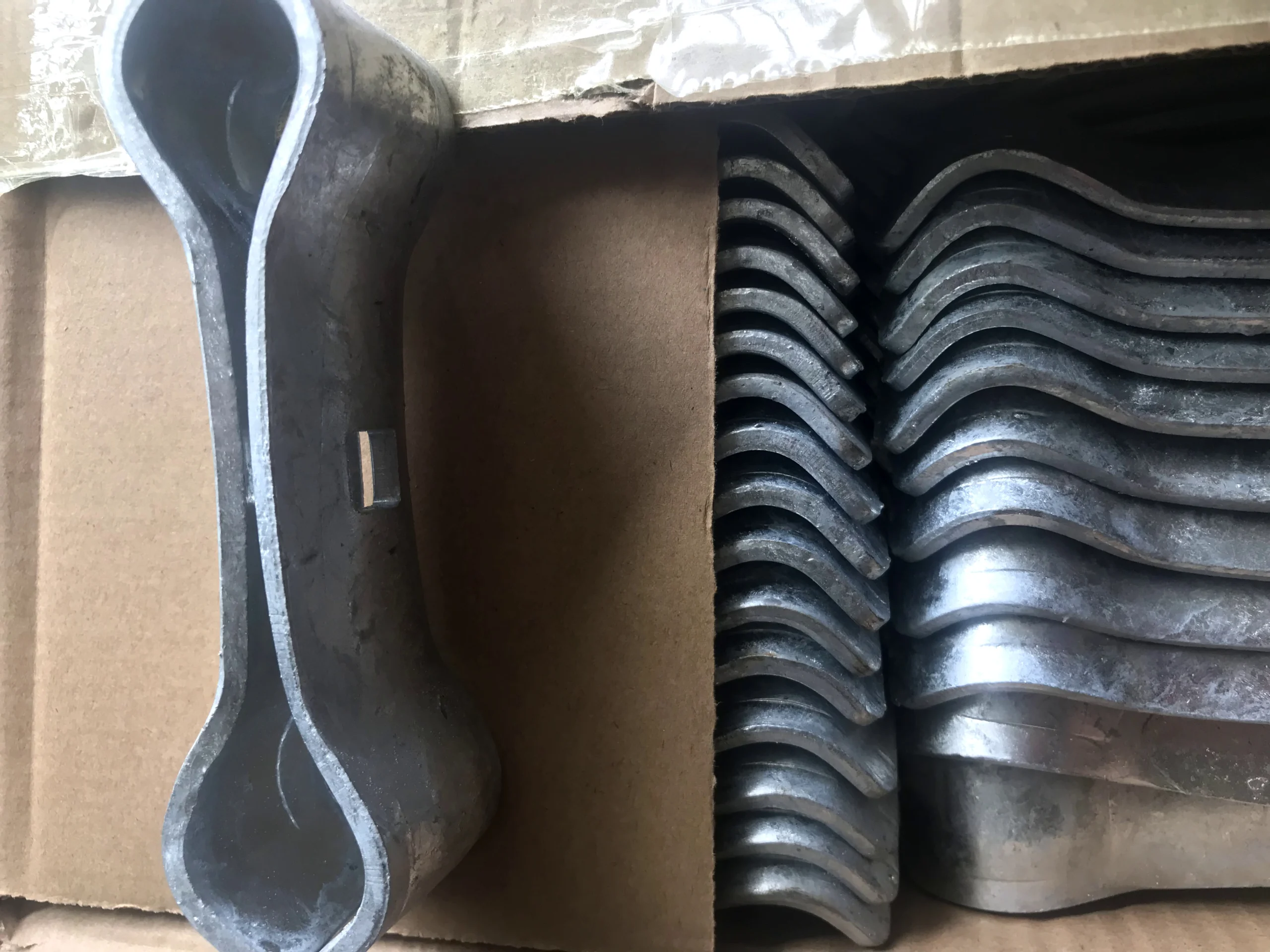
Steel import permits are not optional for certain wire gauges. Under Canada’s steel safeguard measures, welded wire mesh with wire diameter above 3.0 mm may require a permit. DB Fencing’s standard production runs 3.0–4.0 mm wire — squarely in the surveillance zone. Most suppliers don’t tell you this. They ship without permits, your container gets flagged, and you eat the demurrage.
- HS Code Accuracy: Use 7308.90.00, not 7308.10 or 7326. CBSA now enforces ‘assembled’ status for temporary fencing kits. Misclassification triggers back-tariffs and a full audit of past shipments.
- Documentation Readiness: Submit ISO 9001 certificate, galvanization test reports (coating >42 microns), and a packing list with exact 6-digit HS codes. DB Fencing’s 10-production-line audit trail provides traceable batch records — same documentation your customs broker needs.
- Weight Declaration: Plastic feet cut container weight by 15% compared to concrete bases. Lower declared weight reduces the duty base (CIF) and simplifies customs weight verification. No overweight penalties, no hold.
The supplier’s credibility directly controls your customs risk. A factory with ISO 9001, AS 4687 compliance, and a dedicated compliance team — like DB Fencing — produces the paperwork that keeps your shipment moving. For a deeper look at how our 10-line production setup supports audit readiness, see the sibling article ‘DB Fencing: 10-Line Production Audit & ISO 9001 Proof’.

How to Source Temp Fencing Without Margin Erosion
FOB terms give you control over freight costs and customs clearance speed.
If you’re buying temp fence from China for Canada, FOB (Free On Board) terms are the safer bet. With CIF (Cost, Insurance, Freight), the supplier picks the forwarder — often a consolidation service that adds delays and hidden charges. I’ve seen distributors lose 12% margin just on last-mile trucking fees that weren’t quoted upfront. FOB lets you negotiate your own freight rates, choose direct containers, and manage the customs bond yourself. That control directly offsets the 7.5%–25% steel surtaxes hitting your landed cost.
- FOB advantage: You pay the factory price plus inland logistics to the port. Customs clearance, ocean freight, and duties are yours to optimize. With a 40ft HC container holding ~3,500–4,000 panels, a $200/m³ savings on freight translates to $0.05–$0.10 per panel — real margin protection.
- CIF risk: The supplier’s freight quote often includes markups and routing via transshipment hubs. When a container sits at a transshipment port for 5 days, you absorb the delay. CIF also bundles insurance at inflated rates. For an experienced distributor, the cost of that convenience is too high.
Factory-direct pricing is where you really offset tariff costs. DB Fencing offers a low MOQ of 100 panels — not a full container. That lets you run a quality check before committing to a 2,000-panel order. Direct pricing eliminates the distributor middleman, giving you 8–15% more room to absorb CBSA surtaxes. Combine that with the fact that DB Fencing’s in-house plastic feet reduce container weight by 15% versus concrete-base panels; lighter containers mean lower freight costs and, because duty is assessed on CIF value, a lower duty bill per panel.
The math is straightforward: a supplier that documents AS 4687 compliance (hot-dipped galvanized >42 microns), provides ISO 9001 certs for audit readiness, and loads your container for maximum density (3,500+ panels per 40ft HC) directly reduces your risk of customs delays and rejection. Every panel that clears customs without a hold saves you the $150–$300 brokerage re-inspection fee. That’s margin you don’t have to earn — you just avoid losing it.
Optimizing Container Loads for Canadian Delivery
Every panel exceeding 3,500 in a 40ft HC reduces per-unit freight cost.
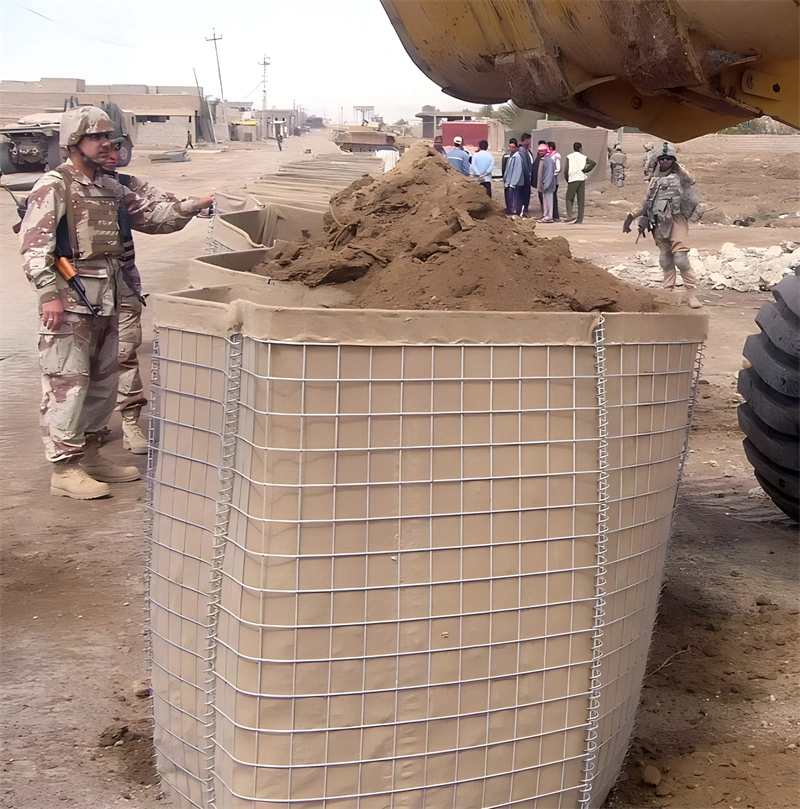
The standard 40ft HC container holds between 3,500 and 4,000 temporary fence panels, depending on stacking orientation and panel design. Maximizing that count is the single biggest lever to lower your landed cost per panel. At current ocean freight rates, each additional 100 panels can reduce per-unit freight by 2-3%.
DB Fencing’s proprietary plastic feet — we’re the only Anping supplier with an in-house machine — cut total container weight by 15% versus concrete bases. That means you can load more panels without exceeding weight limits, and your customs weight declaration stays clean. For a visual breakdown of stacking methods, see our sister article on loading techniques.
Conclusion
The difference between a 15% margin hit and a clean customs clearance comes down to one thing: whether you treated HS code 7308.90.00 and the steel derivative surtax as line items to manage, not inconveniences to ignore. Misclassification adds weeks and thousands in back-tariffs. Surtax underestimation erodes per-panel profit before the container leaves port. The professionals get this right because they work with suppliers who provide exact weight declarations, galvanization test reports, and ISO 9001 audit trails—things that turn a CBSA inspection from a risk into a routine check.
Before you place your next bulk order, audit your supply chain for these documents. Ask specifically for hot-dipped galvanization thickness records (>42 microns) and container loading plans that maximize panel count per 40ft HC. DB Fencing delivers both, plus a 15% weight reduction from in-house plastic feet that simplifies customs declarations. Review the product range and compliance kit at the temporary fencing solutions page to lock in 2026-ready landed costs.
Frequently Asked Questions
What is the HS code for fencing?
The HS code for assembled temporary fence panels is 7308.90.00 (structures of iron/steel). Misclassifying under 7326 or 9406 can trigger CBSA audits and additional surtaxes. Always verify with a customs broker for your specific panel configuration.
What is the tariff code 73261990?
73261990 covers other articles of iron or steel not forged or stamped, often used for fence parts like brackets or feet. Using this code for complete panels instead of. Confirm with CBSA if your product is a complete structure versus loose parts.
How to calculate duty on imported goods into Canada?
Start with the HS code to find the base MFN tariff rate (e.g., 5-10% for 7308), then add any applicable steel derivative surtax (7.5% to 25%) on the CIF. Always factor in surtaxes which can double the duty cost on a container.
What is the HS Code 9966.00 00?
HS Code 9966.00 00 is a special classification code in Canada for goods originating under USMCA or CETA that qualify for preferential tariff treatment. It does not replace the. Check your product’s origin certificate to see if you can use code 9966.
What items are exempt from import duty?
Some goods like certain agricultural products, low-value samples, or goods originating from free trade partners with a valid certificate may be exempt. For temporary fencing, no general. Assume all steel fence panels are dutiable unless you have a specific trade agreement claim.