Skip to content
cattle vs sheep panels is the first checkpoint buyers should lock before they approve a supplier, budget, or production slot. A $50,000 order can go sideways fast when the pre-production sample approval doesn’t match the mass production run. That situation has been observed: a buyer signs off on a sample, the container arrives, and the actual panels are a different gauge or mesh spacing. For wholesalers stocking cattle vs sheep panels, that mismatch isn’t just a quality problem — it’s a customer-relationship burner. Your rancher clients will notice when a150x150mm cattle paneldoesn’t hold the bull, or when a 50x100mm sheep panel lets a lamb’s head slip through.
Here’s the thing most agricultural wholesalers don’t flag at the quoting stage. Sheep panels require a smaller mesh to prevent head entrapment — typically 50x100mm — while cattle panels need heavier wire gauge, usually 4 to 5mm, to withstand leaning and impact. Get the spec profile wrong and you’re looking at returns, chargebacks, and lost shelf space at your distributor customers. The difference isn’t just height; it’s the whole engineering logic behind the temporary cattle panels vs sheep panels debate.
For a North American agricultural fencing wholesaler, these distinctions affect your inventory planning and your FOB pricing. A standard 1.8m cattle panel might cost more per unit than a 1.2m sheep panel, but the real savings come from getting the right mix on your container order. Skip the due diligence and you’ll sit on stock that doesn’t move — or worse, you’ll lose a repeat buyer because your panels bent after three months of grazing rotation. This article walks through the mesh sizes, wire diameters, heights, and galvanization thickness that separate a good cattle panel from a proper sheep panel, so you can order with confidence the first time.
Why Livestock Fencing Needs Are Different
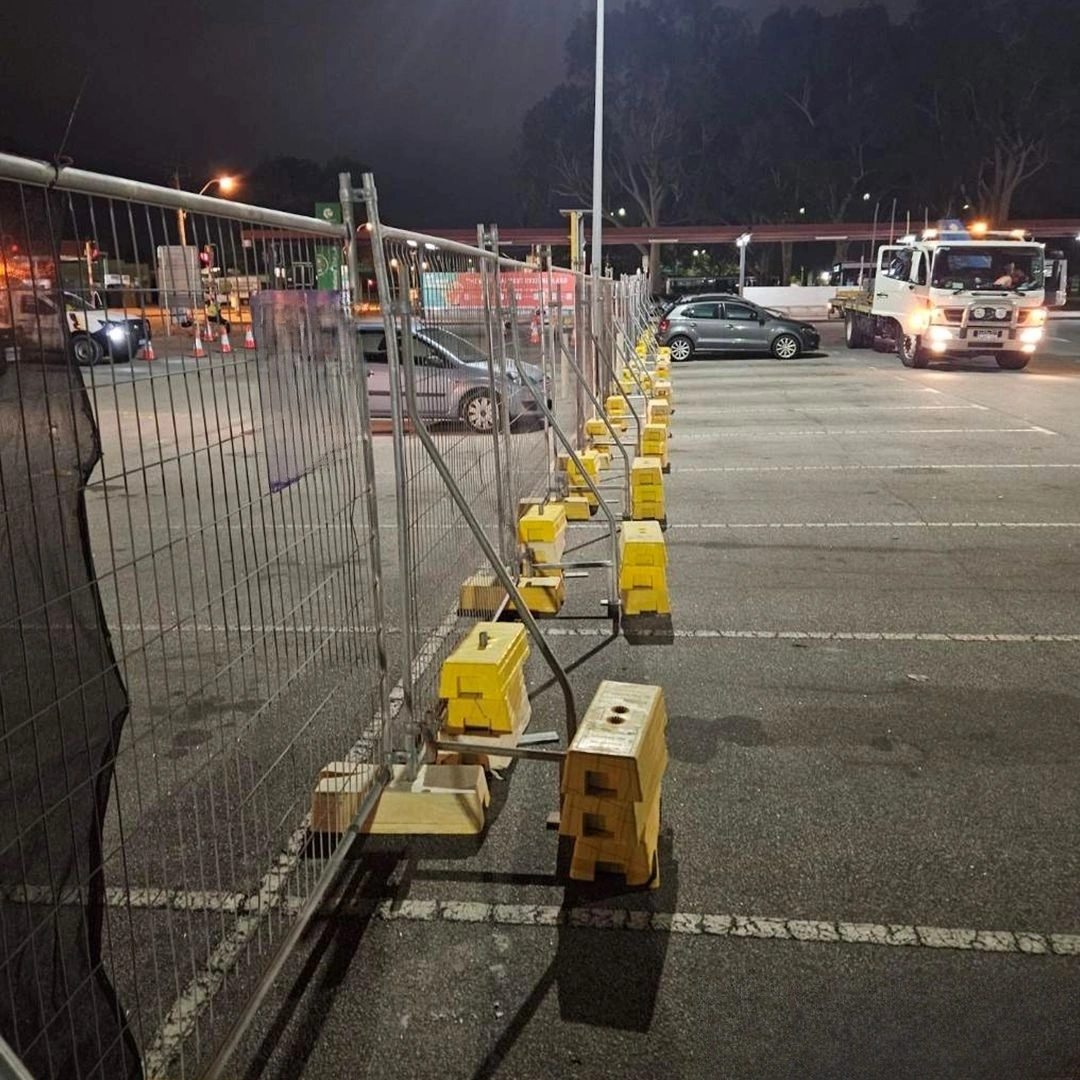
Livestock fencing requires animal-specific engineering, not scaled-down construction panels.
A 400 kg bull leaning against a panel exerts over 1,200 N of lateral force. A lamb can wedge its head into a 120 mm gap and suffocate overnight. These two realities define why cattle and sheep panels are not interchangeable. North American wholesalers who stock a single ‘universal’ livestock panel often end up with returns — or worse, liability. The engineering difference starts with four parameters: mesh opening, wire gauge, panel height, and galvanization thickness.
-
- Cattle panel mesh size: 150×150 mm or 200×50 mm — large enough to allow manure and feed to pass through, but small enough to prevent hooves from catching. Wire gauge: 4–5 mm (8 to 10-gauge equivalent). Panel height: typically 1.8 m (6 ft) to discourage bulls from leaning over. The heavier wire withstands repeated impact without permanent deformation.
- Sheep panel mesh size: 50×100 mm — the 50 mm vertical spacing is the critical dimension. Lambs can slip through larger openings, so the industry standard is 50×100 mm or tighter. Wire gauge: 3.5–4 mm (10-12 gauge). Panel height: 1.2–1.5 m (4–5 ft). Lighter gauge is acceptable because sheep do not apply the same lateral load as cattle.
- Head entrapment risk: Even a temporary sheep panel with a 100×100 mm square opening poses a hazard. Lambs will push their heads through and then panic, twisting their necks. The 50 mm vertical slot is proven to prevent head entrapment in both lambs and adult sheep.
The second non-negotiable is galvanization thickness. DB Fencing supplies all livestock panels with hot-dipped galvanizing exceeding 42 microns. This is not optional — a 20-micron electro-galvanized panel will show rust in under 18 months in a wet pasture or seaside environment. For wholesalers sourcing wholesale livestock panels from China, verify the galvanization spec in writing. ASTM A123 requires 45 microns on 4 mm wire; the 42 micron threshold is the practical minimum for a 5-year outdoor lifespan in moderate climates.
Cost per panel varies directly with wire gauge. A heavy duty cattle panel (4–5 mm wire, 1.8 m height) weighs about 30% more than a lightweight sheep panel (3.5 mm, 1.2 m). That weight difference drives both the steel cost and the shipping freight. For a 40-foot container, the difference is roughly $1,200–$1,800 USD in sea freight alone. DB Fencing offers a low MOQ of 100 panels for each type, so wholesalers can test both cattle and sheep demand in their local market before committing to a full container.
Cattle Panels: Key Specs
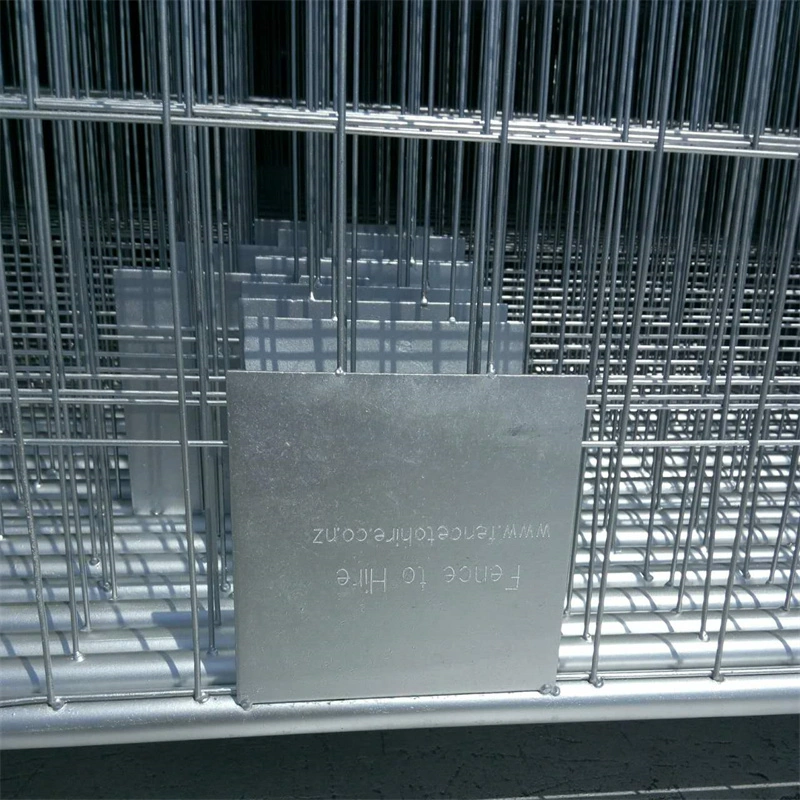
Cattle panels need heavier wire gauge because adult cattle lean hard against them — that’s physics, not preference.
Standard cattle panels stand 1.8m tall. That height isn’t arbitrary — it’s the minimum to discourage mature beef and dairy breeds from stepping or climbing over. Drop to 1.5m and you’ll see escape issues within a week of installation.
-
- Wire diameter: 4mm to 5mm. Lightweight panels at 4mm work for temporary rotation grazing. Heavy 5mm wire resets bending from animals pushing into the panel. If a supplier quotes 4mm but delivers 3.8mm, expect deformation after one season.
- Mesh size: 150x150mm or 200x50mm. The 150mm square opening keeps heads out but still allows small calves to pass through if allowed. 200x50mm (horizontal slot) is common for corral panels — it prevents head entrapment while giving visibility.
- Risk with undersized specs: Using 1.5m height or 3.5mm wire on cattle pens leads to panels bowing, animals escaping, and costly containment failures. For serious containment, stick to 1.8m height and minimum 4mm wire.
Sheep Panels: Key Specs
Sheep panels use smaller mesh to prevent head entrapment in lambs and ewes.
Sheep fencing demands different dimensions than cattle. The classic mistake wholesalers make is treating them as interchangeable. For adult sheep and especially lambs, the vertical mesh spacing must be tight enough that animals cannot push their heads through and get stuck — a genuine welfare risk that can lead to injury or death. That’s why sheep panel height stays lower, typically between 1.2m and 1.5m, and the mesh openings are much smaller.
-
- Height range: Standard sheep panels run 1.2m to 1.5m. A 1.2m panel is adequate for most sheep breeds, while 1.5m offers extra security for jumpy breeds like Merinos.
- Mesh size: The go-to mesh for sheep is 50mm x 100mm. The 50mm vertical spacing prevents lambs from squeezing through, and the 100mm horizontal spacing gives visibility without risk. Avoid anything above 75mm vertical for sheep environments.
- Wire gauge (typical): Sheep don’t lean or push the way cattle do, so wire diameter is lighter — generally 3.0-4.0 mm. This also makes panels easier to handle and install by hand, a practical advantage for seasonal rotation.
- Market tip: If you’re trialing sheep panels in North America, start with 1.2m height and 50x100mm mesh. That combination covers 90% of sheep containment needs, and you can supplement with taller panels for high-pressure perimeter runs. Our standard low MOQ of 100 panels lets you test demand without committing to a full container.
Galvanization Requirements for Outdoor Exposure
42 microns isn’t optional — it’s the breakeven point for 15-year pasture life.
A cattle or sheep panel sitting in a Montana pasture or coastal Oregon field sees rain, UV, manure acids, and freeze-thaw cycles. The single variable that determines whether that panel rusts through in 3 years or still passes a structural check at 15 is the hot-dipped galvanized coating thickness. Our internal production standard is a minimum 42 microns — measured on the finished wire after dipping, not the raw rod. That number comes from correlating salt-spray chamber tests (over 700 hours to red rust) with 14 years of field returns from Australian and NZ farms.
-
- Why 42 microns?: Below 35 microns, micro-cracks form during bending and handling. At 42 microns, the zinc-iron alloy layers are thick enough to self-heal minor scratches through galvanic action. That matters for panels that get dragged across gravel or bump against feed bunks.
- Electro-galvanized vs hot-dipped: Electro-galvanized panels (common in cheap imports) carry 5-15 microns. They look shiny in the warehouse but fail within 18 months on a sheep farm. Hot-dipped creates an intermetallic layer that bonds to the steel, so peeling isn’t possible. We reject electro-galvanized entirely for outdoor agricultural use.
- The 100-panel test: If a supplier claims ‘galvanized’ without a micron guarantee, request a magnetic thickness gauge reading on 5 random wires per panel. Anything under 40 microns on the wire surface is a red flag. DB Fencing provides a signed coating certificate with every wholesale shipment — no extra charge.
Cost Comparison: Per Panel and Per Linear Meter
Per panel pricing hides the real cost.
Most buyers compare temporary cattle panels vs sheep panels by sticker price per unit. That works only if both panels are the same width. A standard cattle panel runs 2.5 meters wide at 1.8m height, while a sheep panel often stops at 2 meters wide and 1.2m tall. The per-linear-meter cost tells you what you’re actually paying for coverage.
-
- Cattle panel – typical spec: 1.8m height, 4–5mm wire gauge (4.5mm common), 150x150mm mesh. Per panel: $18–$22 FOB. Per linear meter: $7.20–$8.80 (based on 2.5m width).
- Sheep panel – typical spec: 1.2m height, 3.5mm wire, 50x100mm mesh to prevent lamb head entrapment. Per panel: $12–$15 FOB. Per linear meter: $6.00–$7.50 (based on 2.0m width).
- Galvanization thickness: Hot-dipped galvanizing >42 microns adds roughly 10% to the per-panel cost but gives 8–10 years of outdoor life instead of 3–4 years from a thinner coating. Always check the spec sheet for micron measurement.
The real margin trap is assuming heavy duty cattle panels vs lightweight sheep panels is purely a height difference. A 1.8m cattle panel with 4.5mm wire uses 60% more steel than a 1.2m panel with 3.5mm wire. That raw material cost is non-negotiable. If a supplier quotes identical per-linear-meter prices for both, they are either skimping on galvanization or using undersized wire. Request caliper photos of the wire diameter and a galvanization thickness certificate before approving any sample.
| Panel Type | Specifications | Cost per Panel (USD) | Cost per Linear Meter (USD) | Notes |
|---|---|---|---|---|
| Cattle Panel (1.8m x 2.0m) | Wire gauge 4-5mm, mesh 150x150mm, hot-dipped galvanized >42µm | $28 – $35 | $14.00 – $17.50 | Heavier gauge for leaning containment; AS 4687 compliant; low MOQ 100 panels |
| Sheep Panel (1.2m x 2.0m) | Wire gauge 3-4mm, mesh 50x100mm, hot-dipped galvanized >42µm | $18 – $24 | $9.00 – $12.00 | Smaller mesh prevents head entrapment; lighter weight; same MOQ and export options |
DB Fencing’s Agricultural Panel Range – Low MOQ 100 Panels
Test the North American market with just 100 panels – no container load commitment required.
Most fence suppliers demand minimum orders of 500 to 1,000 panels per SKU before they even quote. That forces you to gamble on a full container of something that may move slowly in your region. DB Fencing breaks that pattern with a low MOQ of 100 panels. It’s a deliberate operational choice, not a limitation.
-
- Why 100 panels?: We run 10 dedicated welding lines with 2,000 sets/week capacity. That lets us batch smaller runs alongside full containers without costly line changeovers. The same production lines that serve Australian and NZ distributors – where 75% of our volume goes – also support small trial orders for North America.
- Cattle panel specs available:: 1.8m height, wire diameter 4–5mm, mesh sizes 150x150mm or 200x50mm. Hot-dipped galvanized >42 microns per ISO 1461. Designed to withstand 600+ kg leaning pressure.
- Sheep panel specs available:: 1.2m or 1.5m height, mesh size 50x100mm to prevent lamb head entrapment, wire diameter 3–4mm. Galvanization same standard. Available with optional plastic feet – we are the only supplier in Anping with our own plastic feet injection machine, giving you cost and lead time advantages.
- Quality assurance:: ISO9001 and SGS certified. Panels meet Australian Standard AS 4687-2022 – a benchmark many North American specifiers now reference for outdoor durability. Every batch gets a sample approval hold before mass production release.
If you’re a wholesaler stockist looking to validate demand for heavy-duty cattle containment or fine-mesh sheep pens, 100 panels is enough to test two or three retailers without overcommitting capital. Ship them mixed – 50 cattle, 50 sheep – in the same partial container. We handle the packing list segmentation at our warehouse.
Conclusion
The core takeaway: a sheep panel’s smaller mesh prevents head entrapment, and a cattle panel’s heavier gauge handles leaning. Skipping these differences means field failures within a single grazing season. A 1,000-panel order returned due to wrong mesh costs you two months of margin and a reputation hit.
Validate your spec before the container ships. Request a pre-production sample and confirm the quality tolerance on the mesh openings. DB Fencing’s 100-panel minimum gives you a low-risk test run to avoid a full container loss.
Frequently Asked Questions
What is the key difference between cattle and sheep panels?
Cattle panels are taller (1.8m) with heavier wire (4-5mm) and larger mesh (150x150mm), while sheep panels are shorter (1.2-1.5m) with smaller mesh (50x100mm) to prevent head entrapment. Choose panel type based on livestock size and behavior.
What mesh size prevents sheep head entrapment?
Use 50x100mm mesh for sheep panels to prevent lambs and ewes from getting their heads stuck. This smaller opening is critical for safety. Always specify sheep-specific mesh when ordering.
What is the minimum order quantity for DB Fencing agricultural panels?
DB Fencing offers a low MOQ of 100 panels for agricultural fence panels, including custom options. This allows distributors to test the market without large commitments. Confirm MOQ with your specific panel specs.
Are these temporary fence panels AS 4687 compliant?
Yes, DB Fencing’s products meet Australian Standard AS 4687-2022/2007 and are ISO9001/SGS certified. Compliance is verified through factory quality control and third-party testing. Request certification documents with your quote.