Skip to content
frozen ground fence installation is the first checkpoint buyers should lock before they approve a supplier, budget, or production slot. You plan the temporary fence installation, spec out the panels, lock in the delivery date, and the site supervisor confirms the ground is ready. Then the frost hits, and the whole plan needs to be tossed. For a distributor who sold a 500-panel run to a Canadian contractor, that gap between the installation guide and what actually happens on frozen ground can cost tens of thousands in blown-over panels, rework, and damaged client relationships. The reality is that a standard temporary fence installation frozen ground Canada requires a completely different anchoring approach than what works on thawed soil.
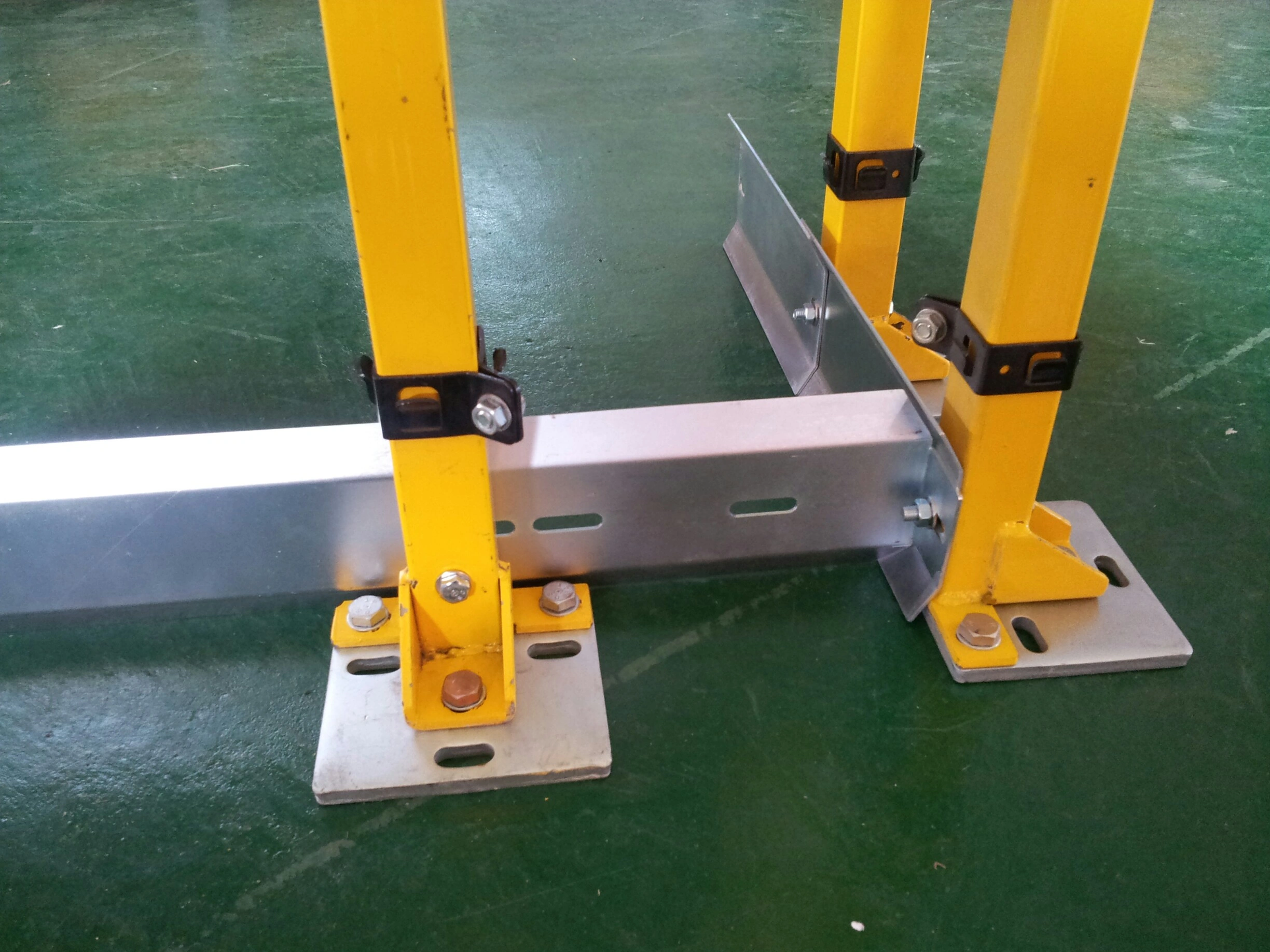
The problem isn’t just that the ground is hard. It’s that freeze-thaw cycles crack concrete feet from the inside out, sandbags freeze into immovable blocks, and wind catches under the mesh, lifting even heavy panels. Most contractors grab whatever blocks they have in stock, but that’s a gamble. The choice between plastic feet vs concrete blocks frozen ground is not trivial: plastic bases stay intact, are lighter to transport, and can be drained and stored after the season. Concrete feet, meanwhile, trap water that expands when it freezes, leading to hairline cracks that widen with every cycle.
So how do you advise a client who needs a winter temporary fence wind load bracing strategy that actually holds up? The answer starts with site prep — clearing snow for a flat base, identifying hidden obstacles, and understanding the frost line depth temporary fence Canada provinces require. Then it comes down to the anchoring system and bracing geometry. A mid-span brace, for instance, reduces wind leverage by 40% — a number worth writing down for your next call with a procurement team.
Why Frozen Ground Demands Special Techniques
Wind uplift on frozen ground is a leverage problem, not a weight problem.
When you drive a stake into frozen ground, you are effectively placing the entire fence on the surface. The frost line in most Canadian provinces runs between 1.2 and 2.4 meters deep — that’s solid ice below grade. A standard temporary fence panel stands 2 meters tall with a mesh surface area of roughly 3 square meters. In a 70 km/h gust, that panel experiences about 45 kg of lateral force at the top edge. Without sub-surface anchoring, the only thing holding it down is the base weight.
Here is where most installers get burned: they assume heavy panels won’t tip. But wind doesn’t push evenly — it catches under the mesh and lifts. On frozen ground, even a 40 kg water-filled plastic base can pivot if the wind finds that gap between the panel bottom and the snow crust. A row of twenty panels can go over like dominoes because one base shifted and transferred leverage down the line.
- Mid-span brace effect: Adding a single diagonal brace at mid-height reduces effective leverage by roughly 40%. That drops the tipping force threshold from 45 kg to about 27 kg per panel — well within what a properly filled plastic base can resist.
- Wind load reality check: A standard temporary fence panel has about 3 m² of exposed mesh. At Beaufort scale Force 6 (39–49 km/h), lateral force is approximately 25 kg per panel. At Force 8 (62–74 km/h), that doubles to around 50 kg per panel.
Preparing the Site
Snow hides frost heaves, debris, and utility covers that will destabilize your fence base.
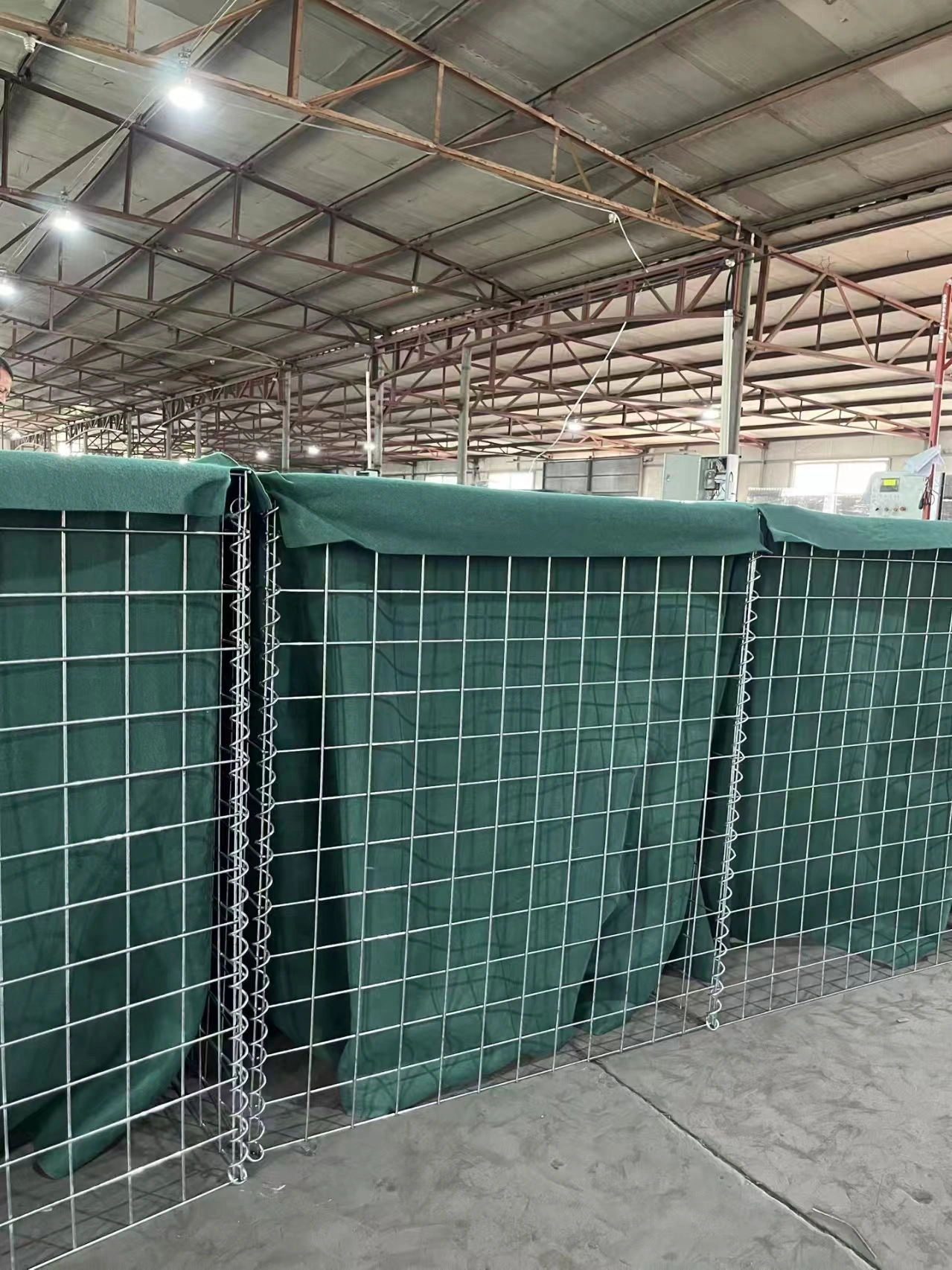
Before placing a single plastic foot or Hesco barrier, you need a flat, load-bearing surface. Snow compresses unevenly under weight. A panel base set on packed snow will tilt as soon as temperatures rise and the snow softens. Clear the entire footprint down to bare ground or compacted gravel. For temporary fence installation on frozen ground in Canada, that means scraping away ice ridges and wind-packed drifts until you hit stable substrate.
Use a skid-steer with a straight blade for large perimeters or a heavy-duty shovel for smaller sites. Do not leave a layer of ice thinking it will freeze solid — it acts as a slip plane. The moment wind hits the mesh, the base can slide laterally. A 50-meter run of fencing has been observed to domino over because the crew left a 2 cm ice sheet under the feet.
- Frost heave damage: Frozen ground lifts and shifts buried utility covers, rebar stubs, and concrete chunks. If your plastic foot sits on one of these, it will rock instead of sitting flush. Walk the cleared strip with a metal probe or heavy bar before placing any base.
- Drainage cover hazard: Storm drains and valve boxes sit inches below grade. A water-filled plastic foot placed directly over a drain cover can crack when the cover settles during thaw — or block emergency access entirely.
This is especially critical when installing Hesco barriers on ice-covered ground. The barrier’s weight distribution changes dramatically if one corner sits on an unseen rock while another sinks into soft fill beneath snow. Map the frost line depth for your specific Canadian province — in Manitoba it runs 1.8 m deep; in southern Ontario it is closer to 1.2 m — but even shallow frost can hide obstacles that ruin alignment.

Choosing the Right Anchoring System
Plastic feet survive freeze-thaw cycles; concrete and sandbags fail.
When ground is frozen, your anchoring system determines whether the fence stands or falls. Water-filled plastic feet, sandbags, and concrete blocks all add weight, but only one handles the Canadian winter without breaking. Sandbags freeze into a solid block, making repositioning impossible and adding no real ballast once the water inside turns to ice. Concrete blocks are heavy—but they crack because trapped water expands during freeze-thaw cycles. Plastic feet, like the ones DB Fencing manufactures in-house, stay intact because the material flexes slightly and the water drains out before storage, so no expansion damage occurs.
- Concrete freeze-thaw failure: Concrete has capillaries. Water seeps in, freezes, expands by 9%, and forces micro-cracks. Over two to three cycles, the block splits or crumbles. The Canadian Standards Association notes that concrete exposed to freeze-thaw must be air-entrained or sealed—most temporary fence blocks are neither.
- Plastic feet advantage: DB Fencing’s plastic feet are made from UV-stabilized HDPE. They can be filled with water at the site, drained when moving, and stored flat. No cracking, no frozen block, no weight penalty if you need to reposition after a snowstorm. The wall thickness is consistent across every unit because the factory runs its own plastic feet machine—no third-party variability.
But weight alone isn’t enough. On frozen ground, wind can catch under the mesh and tip a 2.4-metre panel even with a heavy base. Adding a mid-span brace reduces leverage by 40%—that’s the difference between a fence that stays upright through a 90 km/h gust and one that ends up in the neighbour’s lot. For distributors advising clients on winter temporary fence installation, the real cost of inaction is a blown-over fence, a safety violation, and a client who swaps suppliers. Concrete blocks might feel cheap upfront, but they crumble after one season. Plastic feet outlast them, and they save the shipping weight on every container.

Step‑by‑Step Installation
Mid‑span bracing reduces wind‑induced leverage by 40% on frozen ground.
Start by clearing the snow and ice down to a flat surface. On frozen ground, a level base is non‑negotiable—any tilt transfers into panel lean. Place the plastic feet at the marked positions. Concrete feet crack in freeze‑thaw cycles because trapped water expands; plastic feet remain intact and are lighter to transport. For a 2.4m panel, space the feet no more than 1.2m apart.
Set the panel into the feet and lock the coupling pins through the vertical frame channels. Make sure each pin is fully seated—a half‑engaged pin creates a gap that widens under wind load. On snow‑covered sites, brush away any packed ice from the pin slots before insertion. A 3mm gap at the coupling point can multiply into a 50mm panel shift after a gust.
- Mid‑span brace: Attach a horizontal brace at the panel midpoint. This cuts the effective leverage arm by 40%, preventing the panel from acting as a sail. Without it, even a 25kg panel can tip when wind catches under the mesh.
- Sandbags: Common but risky. Sandbags freeze into solid blocks, making repositioning nearly impossible. You cannot drain them, and frozen bags lose their conformability. Use water‑filled plastic bases instead—easier to drain, store, and reuse.
- Extra weight on feet: If wind loads exceed 80 km/h, add a second layer of water‑filled feet or stack concrete blocks on top of the plastic base. Double‑stacking increases holding force by roughly 70% without bracing.
After installation, walk the entire run and check for gaps between panel edges and the ground. Snow can melt and refreeze, creating an ice ledge that lifts the base. Also verify that the bracing clamps are tight—a loose clamp under a 90 km/h gust will allow the panel to oscillate. For Hesco barrier installations on ice, the same bracing principle applies: mid‑span ties reduce blow‑over risk. Plan a daily inspection after every heavy snowfall to clear any ice buildup on the feet and ensure the coupling pins haven’t shifted.
Maintenance During Winter Weather
Snow hides the real problem until it’s too late.
A heavy snowfall doesn’t just add weight to your temporary fence — it conceals the ground-level failures that will cause a blow-over. After every significant snowfall, walk the entire perimeter. Look for panels that have tilted out of vertical alignment by more than 5 degrees. That tilt means the base has shifted, and wind loading on that panel has already increased by roughly 15% compared to a plumb panel.
- Check coupling pins: Snow accumulation can push panels apart at the joints. If you see a gap wider than 10 mm between adjacent panels, the coupling pins are under stress. Re-seat them and tighten any locking clips. A loose joint is the starting point for a chain-reaction collapse.
- Inspect base contact: Drifted snow can lift a plastic foot off the frozen ground by an inch or more. The foot must sit flush on packed snow or bare ground — not on a soft snow mound. If you find a foot suspended on drifted snow, shovel it clear and reposition so full surface area contacts the base.
- Verify mid-span braces: On runs longer than 10 panels, mid-span braces reduce leverage by 40%. After snowfall, confirm each brace is still tensioned and hasn’t been knocked loose by sliding snow or equipment.
Product Recommendations from DB Fencing
In-house plastic feet eliminate freeze-thaw cracking and reduce logistics weight by 60%.
If you are advising a client who needs temporary fencing through a Canadian winter, the base system matters more than the panel gauge. The standard advice — use concrete blocks — fails when ground temperatures cycle below freezing. DB Fencing is the only supplier in Anping with its own plastic feet production line, which means we control the tooling and wall thickness directly. For distributors, that translates to consistent quality on every container, not batch-to-batch variation from third-party molders.
- Plastic Feet (In-House): UV-stabilized HDPE, designed to be water-filled on site. No cracking in freeze-thaw because the plastic flexes as ice expands inside. Empty weight is roughly 2.5 kg per foot vs 12 kg for a concrete block — cuts freight costs by nearly 60% on a 40-foot container. Drain and stack flat for return logistics.
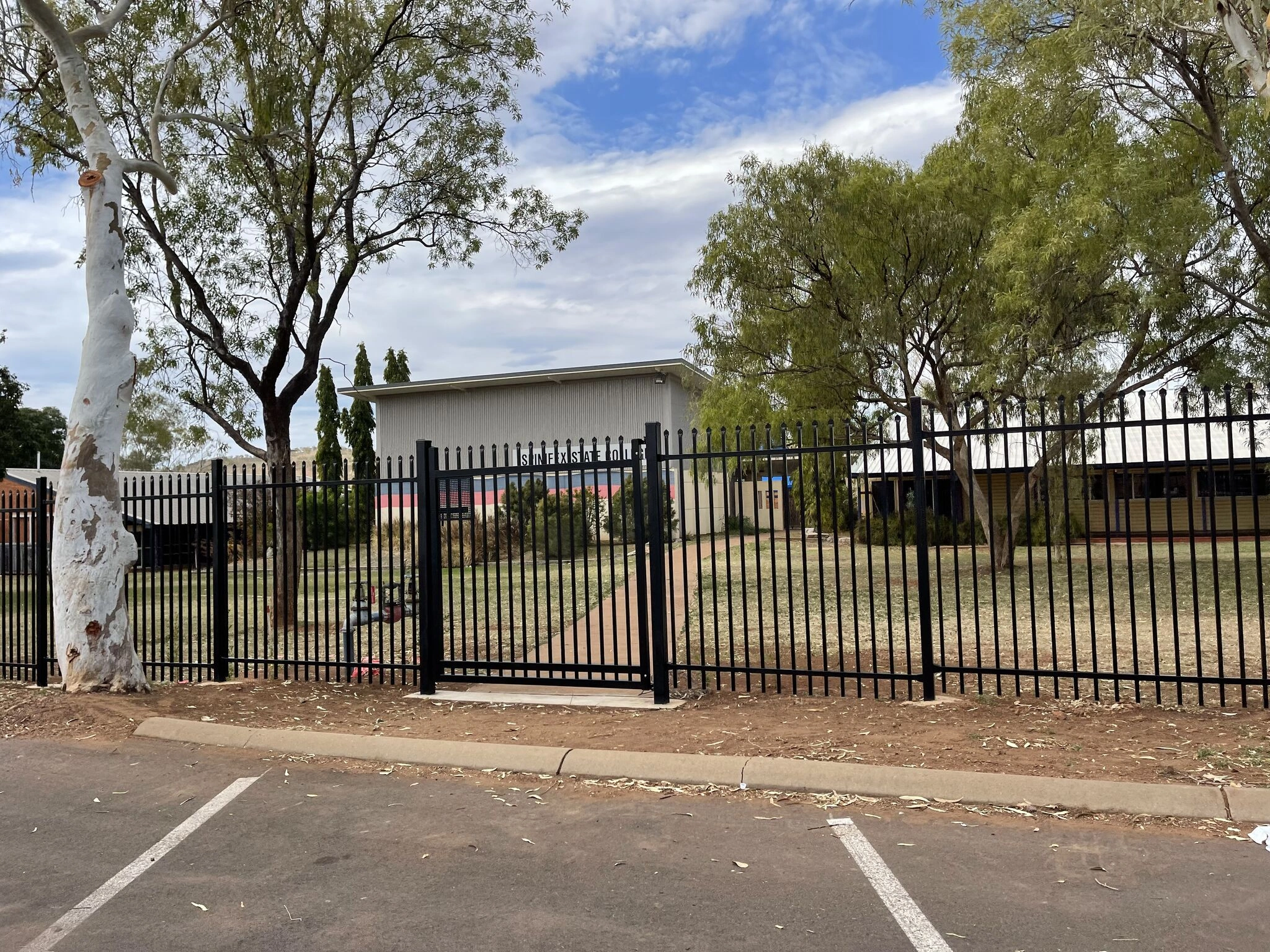
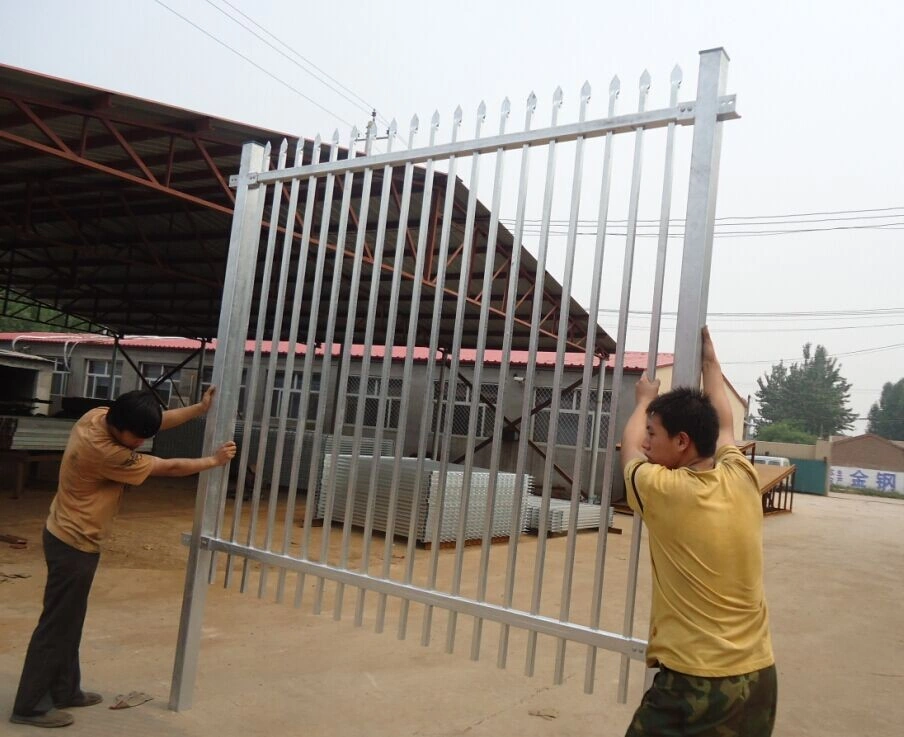
- Hot-Dip Galvanized Panels: Zinc coating exceeds 42 microns per AS 4687-2022/2007. This matters on frozen sites where panels sit in snow melt and road salt for months. Standard welded mesh panels with thinner galvanizing (15–20 microns) show red rust before spring thaw; our HDG panels hold up through three seasons of northern exposure without coating failure.
- Bracing Compatibility: Mid-span braces reduce wind leverage by roughly 40% on a standard 2.4 m panel. We supply coupling pins and brace brackets that match the panel wire diameter exactly — no field drilling or zip-tie workarounds when the ground is frozen solid.
For wholesale buyers evaluating suppliers for winter-ready temporary fencing, the combination of in-house plastic feet and hot-dipped galvanized panels eliminates two of the most common field failures: cracked bases and rusted mesh before project completion. You can order OEM branding on both components with a low MOQ of 100 panels.
Conclusion
Most installers add weight and call it done. The difference between a fence that stays upright through a January storm and one that ends up across the road is a mid-span brace — it cuts leverage by 40% on frozen ground where stakes won’t hold. That’s the 10% most guides skip.
Check your winter inventory against the actual conditions your clients face. Plastic feet survive freeze-thaw cycles without cracking; hot-dip galvanized panels resist corrosion from road salt. Review the product specs and compare the anchoring options for your next bulk order.
Frequently Asked Questions
How to anchor temporary fence on frozen ground?
Use heavy plastic feet instead of concrete or sandbags. Plastic feet survive freeze-thaw cycles without cracking and provide stable ballast, especially when combined with wind bracing. Confirm local wind loads before selecting base weight.
Can you use water-filled plastic feet in winter?
Yes, but you must replace water with sand or gravel to prevent freezing and expansion that can crack the plastic. Water-filled feet are not recommended for Canadian winter conditions. Always fill with sand or aggregate in freezing temperatures.
Why do concrete blocks crack in freeze-thaw?
Concrete is porous; water seeps in, freezes, and expands, causing cracks and spalling. Plastic feet are non-porous and flexible, making them the reliable choice for frozen ground installations. Replace concrete blocks with plastic feet for winter projects.
What is the best temporary fence panel for Canadian winters?
Hot-dipped galvanized panels with a 42-micron coating resist corrosion from salt and moisture. Combine with DB Fencing’s in-house plastic feet for a complete winter-rated system. Request a quote with your local wind and snow load data.