Skip to content
as 4687 temporary fence water is the first checkpoint buyers should lock before they approve a supplier, budget, or production slot. A $50,000 order of temporary fencing landed at a Melbourne construction site last year with gate hinges that failed the AS 4687 torsional rigidity test on the first inspection. The supplier had handed over a certificate for a single panel tested under ideal conditions — but the mass production run used a different welding pattern at the hinge junctions. That gap between sample approval and real output cost the project manager three weeks of rework and a stop-work notice from the safety regulator.
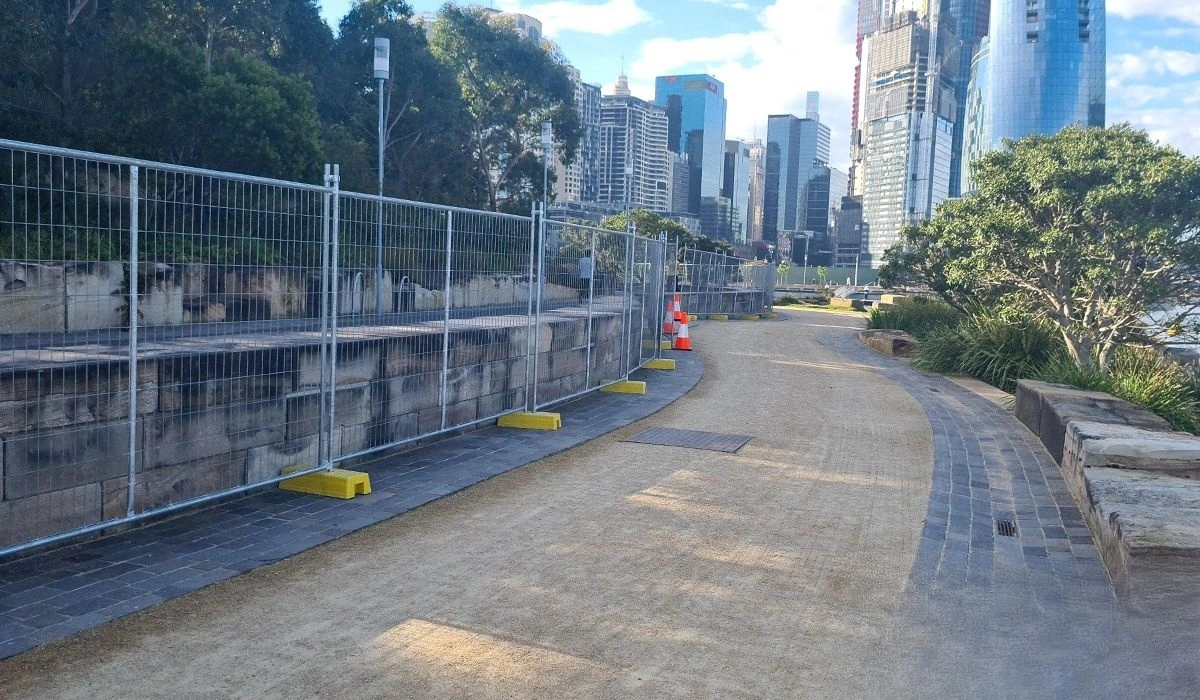
That story repeats more often than most buyers expect. The Australian Standard AS 4687-2022 lays out clear requirements for temporary fence panels — mesh aperture no larger than 50mm, wind load ratings from N1 to N3, minimum joint strength at every welded intersection. But here is where many site managers get tripped up: water-filled barriers have no equivalent standard. No specific Australian standard exists for plastic water barriers, which means they fall into a compliance grey zone that can expose your project to liability if an incident occurs during high winds or vehicle impact.
The practical question for any construction project manager is not which product looks cheaper on the quote. It is which one carries verifiable compliance data you can hand to an inspector. Temporary fencing that meets AS 4687 comes with test reports covering wind load resistance, gate latch strength, and galvanising coating thickness — typically a minimum of 42 microns for hot-dipped finishes in outdoor exposure. Water barriers rely on alternative calculations like AS/NZS 1170 for wind loading, but those are design estimates, not product-specific test results. A barrier rated for N2 conditions on paper may still blow over if the ballast volume is miscalculated or the UV-degraded plastic has lost its structural stiffness after two seasons on site.
Here is a benchmark you can write down and reference in your next supplier call: any temporary fence panel claiming AS 4687 compliance should come with third-party test reports that include weld shear strength data at every junction — not just a flat-panel static load result. If the supplier hesitates to share those reports or offers only a self-declaration letter, treat it as a red flag rather than proof of compliance.
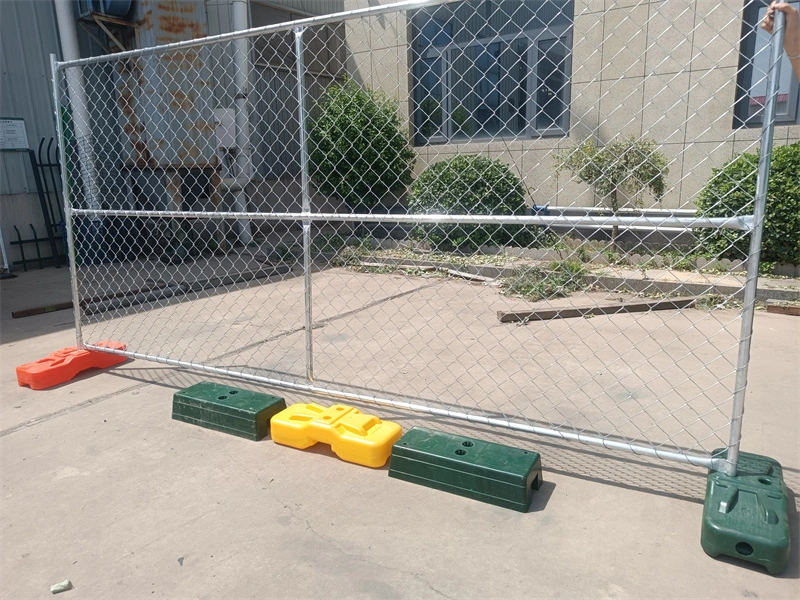
Why AS 4687 Matters for Your Construction Site
Non-compliant fencing is a liability you carry, not a cost you avoid.
Let’s be blunt: if your temporary fencing fails and someone gets injured on your site, the first question from the regulator won’t be about your budget. It will be whether the fence met AS 4687-2022. That standard is not a suggestion; it’s the minimum legal benchmark for temporary site security in Australia. If your supplier sent over panels without verifiable test reports, you are personally exposed.
Projects have been shut down for three weeks because an inspector flagged non-compliant mesh aperture on a gate panel — 55mm instead of the required 50mm max. The cost of that delay dwarfed whatever savings the buyer thought they’d made by going with an uncertified supplier. And in cases involving workplace injury, the liability doesn’t stop at a fine; it can reach back to the project manager who signed off on equipment that didn’t meet code.
- Legal risk: Under WHS laws, using non-compliant temporary fencing can result in penalties exceeding AUD 500,000 for individuals and AUD 3 million for companies in Australia.
- Project shutdown trigger: A single failed inspection on gate latch strength or panel torsional rigidity can halt all perimeter-dependent work — concrete pours, material staging, pedestrian access — until replacements arrive.
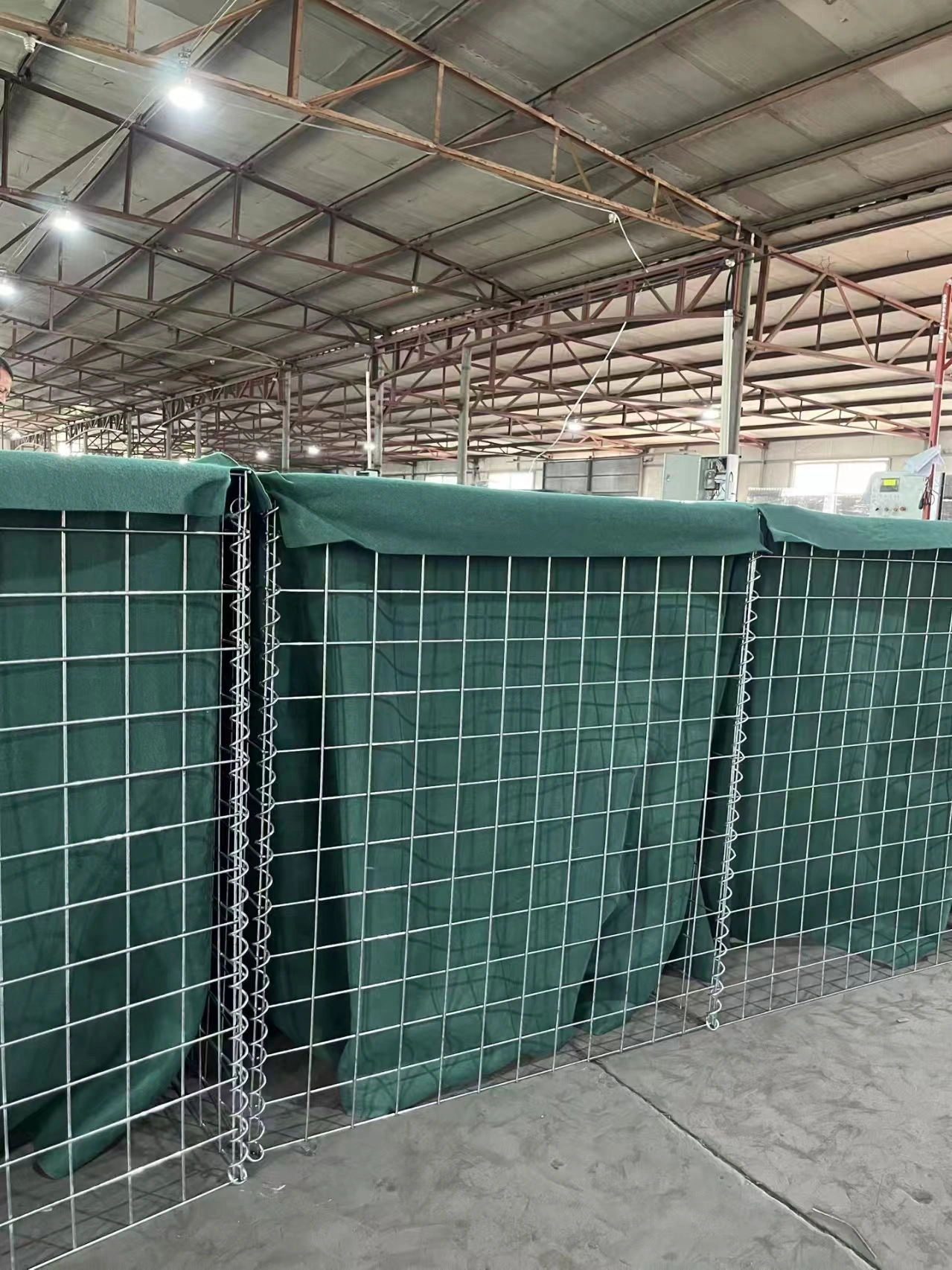
AS 4687-2022 Key Requirements for Temporary Fencing
Real-world failures almost always start at the gate hinge, not the mesh panel.
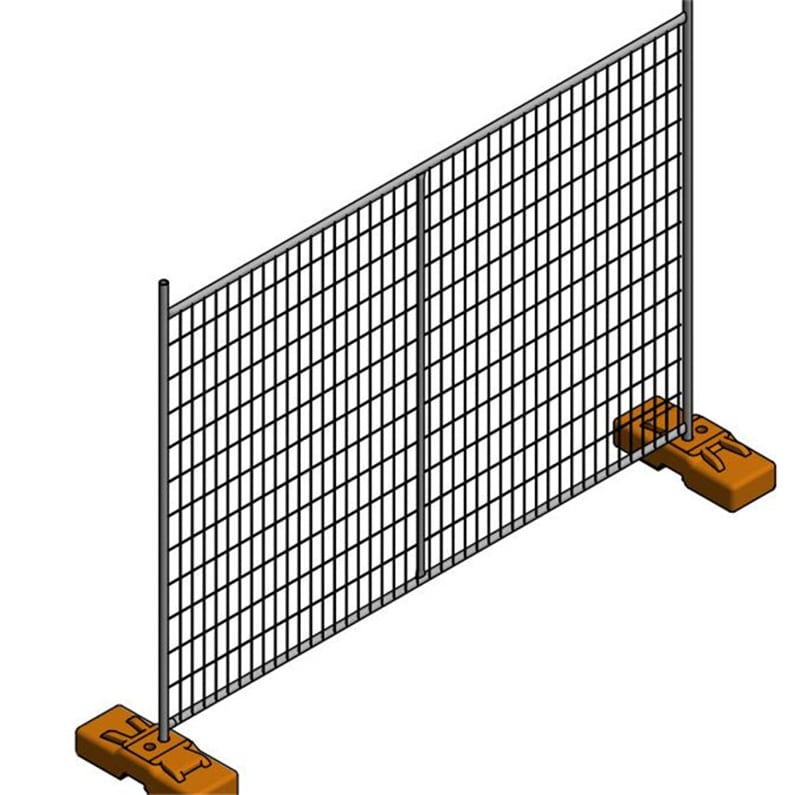
AS 4687-2022 sets four structural pillars that every temporary fence panel must pass before it can be legally deployed on an Australian construction site. The first is dimensional compliance: panels must not exceed a mesh aperture of 50mm to prevent climbing or objects passing through. Standard panel height is 2.4m, and the approved internal production standard here uses 2.0mm wire diameter — thicker than the minimum required by the standard — to maintain rigidity across long production runs.
Wind load resistance is where most budget panels fail. The standard defines three categories: N1 (basic urban sites), N2 (moderate wind zones), and N3 (coastal or high-exposure areas). A panel rated for N1 will buckle under N2 conditions if the bracing system isn’t integrated into the frame design. DB Fencing’s panels are tested with full bracing configurations for each category, and the test reports specify which wind zone each configuration covers — not just a generic ‘pass’ stamp.
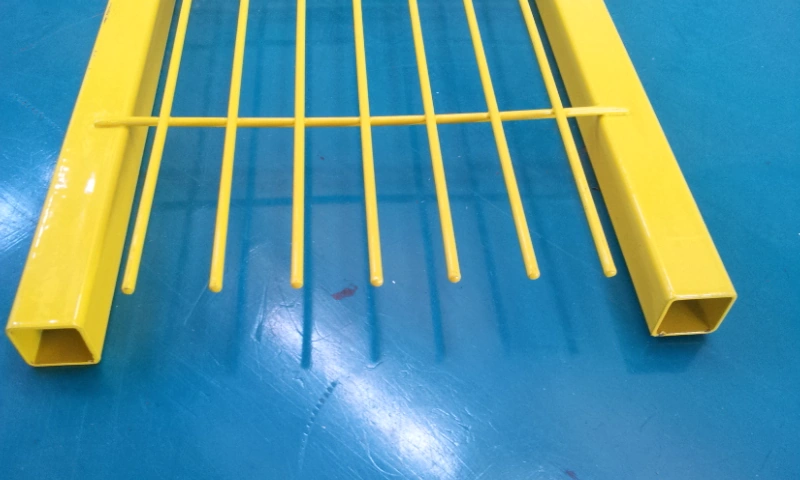
- Joint strength & torsional rigidity: The standard requires welded joints to withstand a minimum torsional load without deformation. Many suppliers use spot welding at only two points per junction. DB Fencing applies 360° full welding on every junction, which exceeds the minimum joint strength requirement in AS 4687-2022 Section 5.3.
- Gate latches & locking mechanisms: This is the weakest link in nearly every non-compliant shipment I’ve inspected. The latch must self-engage when the gate swings shut and resist a lateral pull-out force of at least 500N. If a supplier’s test report doesn’t include latch-specific data, assume it hasn’t been tested.
When you request test reports from a potential supplier, ask specifically for the gate latch data sheet and the wind load category certificate. A single ‘AS 4687 compliant’ stamp on a brochure tells you nothing about whether your site’s specific exposure conditions are covered.
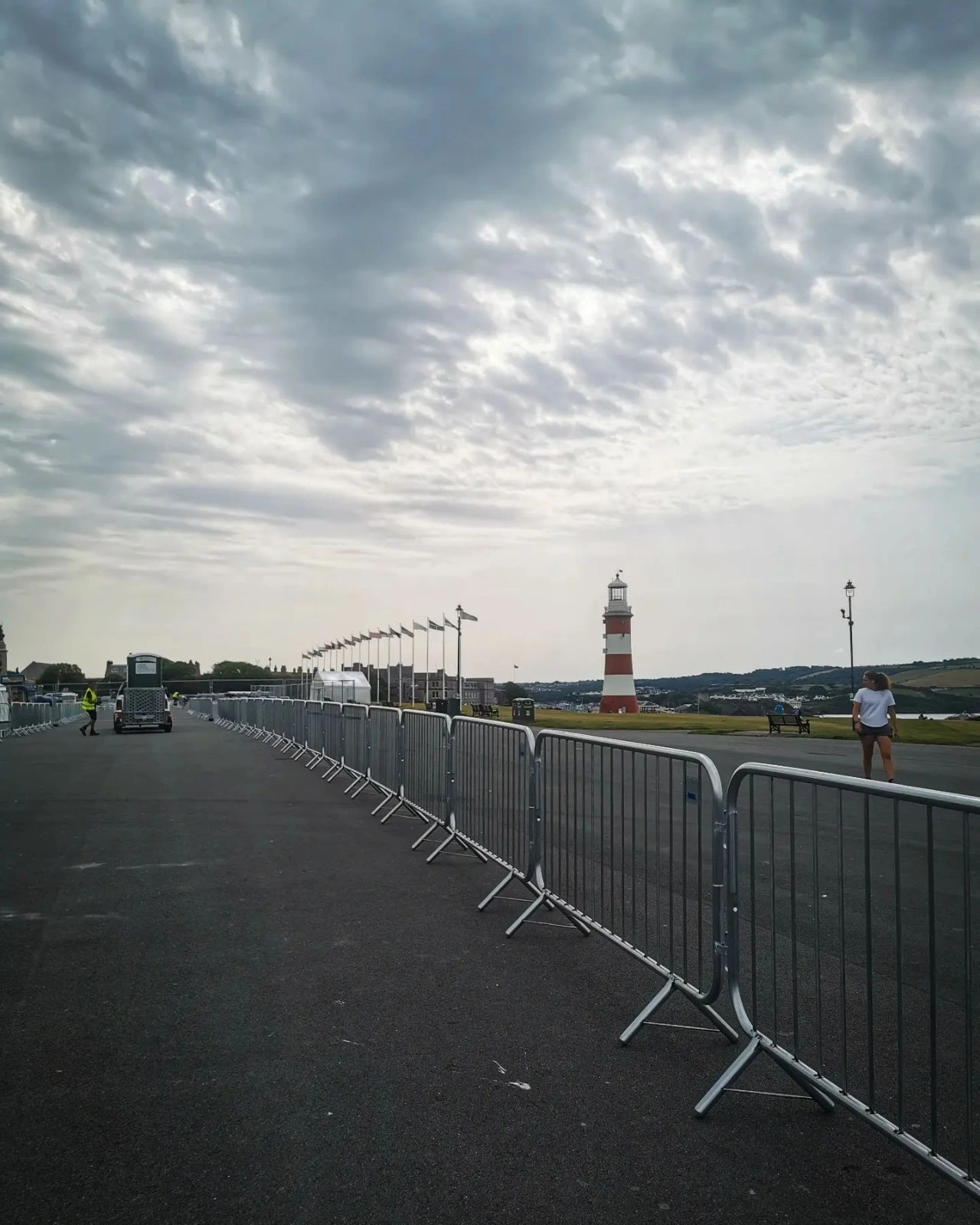
Testing and Certification
Third-party testing reveals failures that self-declaration hides.
A legitimate supplier provides three test reports: material composition (mill certificate for wire rod), galvanising coating thickness (magnetic gauge test per AS/NZS 4680), and structural load testing (panel deflection under wind load N2 or N3). The first two are routine. The third is where most claims break down.
- Material cert: Confirms wire grade (typically low-carbon steel Q195/Q235) and tensile strength. Without it, you cannot verify the panel won’t buckle under a 120 km/h gust.
- Coating thickness report: AS 4687 requires minimum 42 microns hot-dipped galvanised. A magnetic gauge reading below 40 microns means the panel will rust within two coastal seasons.
- Structural load test: Measures joint strength, mesh aperture stability, and gate latch integrity under simulated wind pressure. This is the test that catches weak hinges.
DB Fencing holds AS 4687-2022 certification backed by SGS — a third-party body, not an in-house declaration. The certification history goes back to 2007 standard compliance, with re-testing every time the standard updated. That matters because AS 4687-2022 introduced stricter gate latch torque requirements and torsional rigidity thresholds that caught many suppliers off guard.
The difference between self-declaration and third-party testing is simple: self-declaration means the supplier printed a document. Third-party testing means an independent lab physically loaded your panel until it failed, then wrote down the number. When a supplier says ‘we meet AS 4687’, ask for the SGS or Intertek report number. If they can’t produce one within 24 hours, treat their claim as marketing noise.
Water Barriers: The Compliance Gap
No standard exists for water barriers — but the liability is real.
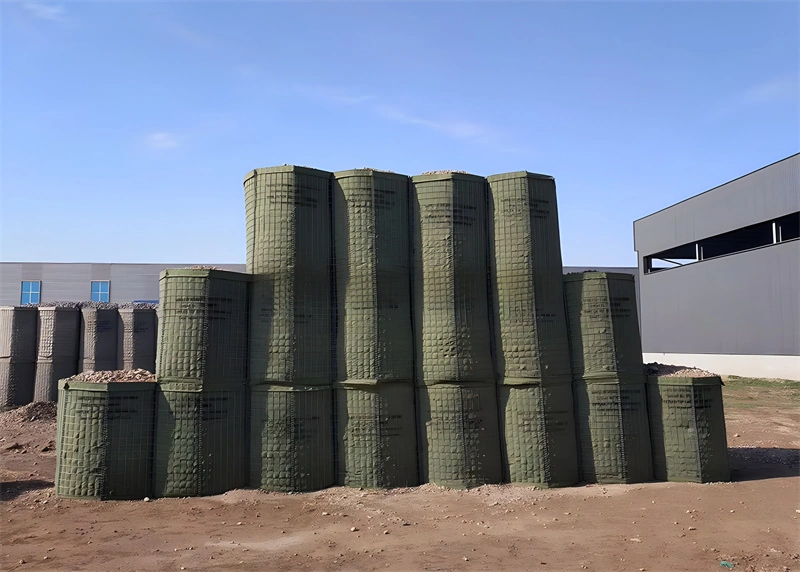
Here’s the blind spot that catches most site managers: water-filled plastic barriers are not covered by AS 4687. The standard applies to metal temporary fencing panels, gates, and feet. If you’re using water barriers as a perimeter solution, you’re operating outside that compliance framework. That doesn’t mean they’re illegal — it means there’s no third-party test to back up their performance.
- Wind load (AS/NZS 1170): Suppliers often reference this structural standard for wind resistance, but it’s designed for permanent buildings, not portable barriers. A water barrier’s effective wind load capacity depends entirely on how much water is inside — and that changes if a worker drains it for transport. Run the numbers: a 1.2m tall barrier with 60% fill fails N2 wind load (88 km/h gust) in open terrain.
- UV degradation: Polyethylene barriers lose impact strength after 12–18 months of Australian sun. Cracks form at stress points — typically around the fill valve and base weld line. Once cracked, the barrier cannot hold water ballast, and the effective weight drops by 50% or more. Most suppliers don’t publish UV stability data. Ask for a UV resistance test report (ASTM D2565 or equivalent) before you commit.
The practical risk is straightforward: a water barrier that blows over on a construction site creates a projectile hazard. A 30kg empty barrier becomes a 30kg missile at 80 km/h wind. Worse, if it topples onto a worker or vehicle, the liability sits with you — not the supplier. A $50K project was delayed by three weeks because a row of water barriers collapsed during a storm, and the site safety officer had to redo the entire perimeter risk assessment. The cost of inaction here is not a fine — it’s a preventable injury and a suspended project.
How to Verify Compliance Before Ordering
A supplier’s word is not a certificate.
You’ve seen it on a dozen supplier websites: ‘Compliant with AS 4687.’ That phrase costs nothing to type, but a non-compliant shipment can cost you $50,000 in rejected goods, site shutdowns, and legal exposure. The difference between a claim and proof is a third-party test report with your specific panel model number on it.
Start by requesting the full test certificate — not a summary page. Look for the accredited lab logo (NATA in Australia, or equivalent), the date of testing, and the exact model designation. If the supplier sends you a generic PDF that could apply to any fence panel they sell, that’s a red flag. A legitimate manufacturer will have individual reports for each panel height and mesh configuration because weld spacing changes joint strength results.
- Galvanising thickness check: AS 4687 requires minimum 42 microns of hot-dipped galvanized coating. Ask for the magnetic thickness gauge reading from the production batch — not just the material certificate from the steel coil supplier. The coating on the finished weld points is often thinner than on the wire body.
- Weld inspection protocol: Every junction should show full fusion around at least 80% of the wire circumference. Weak welds fail at torsional rigidity testing (Clause 5.3 of AS 4687-2022). Request close-up photos of five random weld points per panel before shipping.
- Panel flatness tolerance: A warped panel won’t align with adjacent panels during installation, creating gaps larger than the allowed 50mm mesh aperture. Specify maximum bow of 5mm across a 2.4m panel length in your quality tolerance agreement.
One practical step many buyers skip: ask for a pre-shipment video call where your inspector walks through ten randomly selected panels from the finished batch and shows you the weld quality and coating readings in real time. Suppliers who resist this usually have something to hide.
Case Study: Rejected Shipment Due to Non-Compliance
A $50,000 shipment rejected at port because the pre-production sample didn’t match mass production.
This exact scenario has played out more times than can be counted. A buyer in Melbourne orders 1,200 panels for a multi-site infrastructure project. The supplier sends a pre-production sample that looks clean — correct mesh aperture, proper hinge welds, acceptable galvanizing. The buyer signs off. Six weeks later, the container arrives in Fremantle. The gate panels have inconsistent latch engagement. Two hundred panels show bare steel at the weld points because the production line skipped the hot-dip touch-up. The inspector flags it under AS 4687-2022 Section 5.3 — joint strength below minimum torque resistance.
That shipment sat at port for 17 days while the buyer negotiated rework credits and expedited replacement panels from another supplier at spot pricing. Total direct cost overrun: $12,400 in detention fees and airfreight for critical gate units. Indirect cost: a three-week schedule delay that triggered liquidated damages on the construction contract.
- Root cause: The supplier tested one panel under ideal conditions but never performed batch-level inspection during production.
- Prevention method: DB Fencing requires a mandatory pre-shipment inspection on every order above 200 panels — not just random sampling, but a documented check of gate latch alignment, galvanizing thickness (verified with magnetic gauge), and mesh aperture consistency across three randomly pulled panels from different production shifts.
When you’re sourcing AS 4687 compliant temporary fencing from any supplier, ask for their pre-shipment inspection protocol by name. If they can’t show you a documented checklist that covers hinge welding, latch torque, and coating thickness per panel batch — not per sample — you’re carrying the compliance risk yourself.
Future Trends: Will Water Barriers Get a Standard?
No Australian standard for water barriers—yet.
As of 2026, there is no dedicated Australian standard for water-filled plastic barriers used as temporary perimeter fencing. The current regulatory landscape treats them as a non-structural product, meaning they are not assessed under AS 4687. Industry bodies, including the Australian Temporary Fencing Association, have floated proposals to develop a performance standard—likely referencing AS/NZS 1170 for wind loading—but no formal timeline has been set. Early drafts are expected to address ballast stability, material UV resistance, and interlocking joint strength. Enforcement, however, remains years away.
While the standard is being debated, site managers need to act now. The safest approach is to treat water barriers as a secondary or supplementary system, not a primary compliance solution. For high-wind regions (N2 or N3 wind load zones), rely on AS 4687-certified temporary fencing panels with hot-dipped galvanized finishes exceeding 42 microns. If you must use water barriers, demand documented wind-load calculations from the supplier and a clear ballast protocol. Avoid ambiguous claims like ‘wind-resistant’ without a third-party test report.
- Future-proofing checklist: Request the supplier’s internal wind-load test data (not just a marketing statement). Confirm the barrier’s fill-to-weight ratio at minimum ballast. Verify UV stabilizer additives in the plastic resin—unprotected HDPE degrades visibly within 18 months in Australian sunlight. Prefer suppliers who offer a written replacement warranty for UV cracking.
- The practical benchmark: On your next supplier call, ask: ‘What is the tested blow-over wind speed for your barrier at 50% and 100% ballast?’ If they cannot answer with a number, you are assuming the liability.
Conclusion
The compliance gap between AS 4687 temporary fencing and water barriers isn’t a footnote in the standard — it’s the line between a secure perimeter and a liability claim. Water barriers have no dedicated Australian standard, and their wind resistance relies entirely on correct ballasting, which is rarely verified on site. Meanwhile, even AS 4687-certified steel panels can fail at the gate hinges if the supplier only tested a single panel under ideal conditions.
Before you place your next order, request the full set of test reports — not just a compliance statement. Check the galvanising coating thickness (minimum 42 microns) and inspect the welding pattern on every junction. Then compare those specs against the product page to see how real-world construction holds up. Browse the product range to review panel dimensions, gate latch designs, and wind load ratings that match your site conditions.
Frequently Asked Questions
Do water barriers comply with AS 4687?
No, plastic water barriers are not covered by AS 4687 and lack a dedicated Australian standard. They present practical risks like blow-over and UV degradation that temporary fencing does not. For compliance, stick to AS 4687 certified temporary fencing.
What are the key AS 4687 requirements for temporary fencing?
AS 4687 specifies panel dimensions, mesh aperture (max 50mm), wind load resistance (N1, N2, N3), joint strength, and gate latch locking. These ensure structural integrity and anti-climb performance. Always request test reports covering these parameters.
How do I verify AS 4687 compliance before ordering?
Request third-party test certificates, not just a supplier statement. Check galvanising coating thickness (minimum 42 microns) and inspect welding patterns and panel flatness. A pre-shipment inspection can catch non-compliance before shipment.
What is self-declaration vs third-party testing for AS 4687?
Self-declaration means the supplier claims compliance without independent verification, while third-party testing involves an accredited lab. Third-party testing is more reliable and required for major projects. Prioritize suppliers who provide third-party test reports.
What wind load categories does AS 4687 cover?
AS 4687 defines N1, N2, and N3 wind load categories for temporary fencing. These determine the bracing and anchoring required for high-wind areas. Select the category based on your site’s exposure conditions.