Skip to content
temporary fence import is the first checkpoint buyers should lock before they approve a supplier, budget, or production slot. Every procurement manager has a story about the container that showed up wrong. The spec sheet said hot-dipped galvanized, >42 microns. What arrived had a thin electro-galvanized coat that started rusting before the panels were unloaded. That $50K order for temporary fence import turned into a six-week delay while the supplier argued about sample approval terms. The pre-production sample matched. The mass production run didn’t. That gap between what you approve and what ships is where most projects die.
Direct communication with the factory skips two layers of middlemen who often don’t understand AS 4687 compliance requirements or quality tolerance thresholds. When you’re sourcing AS 4687 compliant temporary fence from a China factory, the difference between a smooth delivery and a stalled project comes down to five specific mistakes buyers make before they release the deposit. Skip any one of them, and you’re gambling with your timeline.
Common Mistakes
73% of buyers face supply chain delays.
I’ve seen it too many times. A project manager signs off on a PO based on a spec sheet and a price quote, then watches the container arrive with panels that don’t fit the bases, galvanizing that flakes off in six months, or paperwork that fails customs. The gap between what the supplier promises and what lands on your dock is where projects die. The three mistakes seen most often — and how to avoid them before you release a deposit.
- Mistake #2: Assuming Sample Approval Guarantees Mass Production Match:The sample you approve might be hand-finished by the factory’s best welder using prime steel stock. The mass production run uses automated lines with standard coil inventory. A buyer had a pre-production sample that passed every check — weld strength, mesh alignment, base fitment. The production container arrived with panels that had inconsistent wire spacing and bases that cracked under load because the rubber compound changed between runs without notification. The fix: require a ‘production sample’ taken from the first hour of actual manufacturing line output, not a hand-picked showpiece.
- Mistake #3: Overlooking Container Loading Configuration: How many panels fit in a 20-foot container? The answer varies wildly depending on panel size, base type (recycled rubber vs concrete feet), and stacking configuration. A standard temporary fence panel (2.4m x 1.8m) packs around 220-250 units per container if optimized with interlocking stack frames and no wasted air space. But if you order concrete feet separately without accounting for their weight distribution, you’ll hit the container’s payload limit before filling the volume — meaning you pay freight for empty space. Ask your supplier for a loading plan showing exact piece count per container type before you agree to FOB pricing.
These three errors share one root cause: relying on trust instead of verification protocols built into your purchase contract. When I audit suppliers for clients, I always insert three clauses into the PO: (1) mandatory third-party coating thickness testing at origin before loading, (2) production sample approval tied to random batch inspection during manufacturing, and (3) container loading photos with measurement verification against the packing list.
Solutions
Direct factory communication removes 2 middlemen layers from your supply chain.
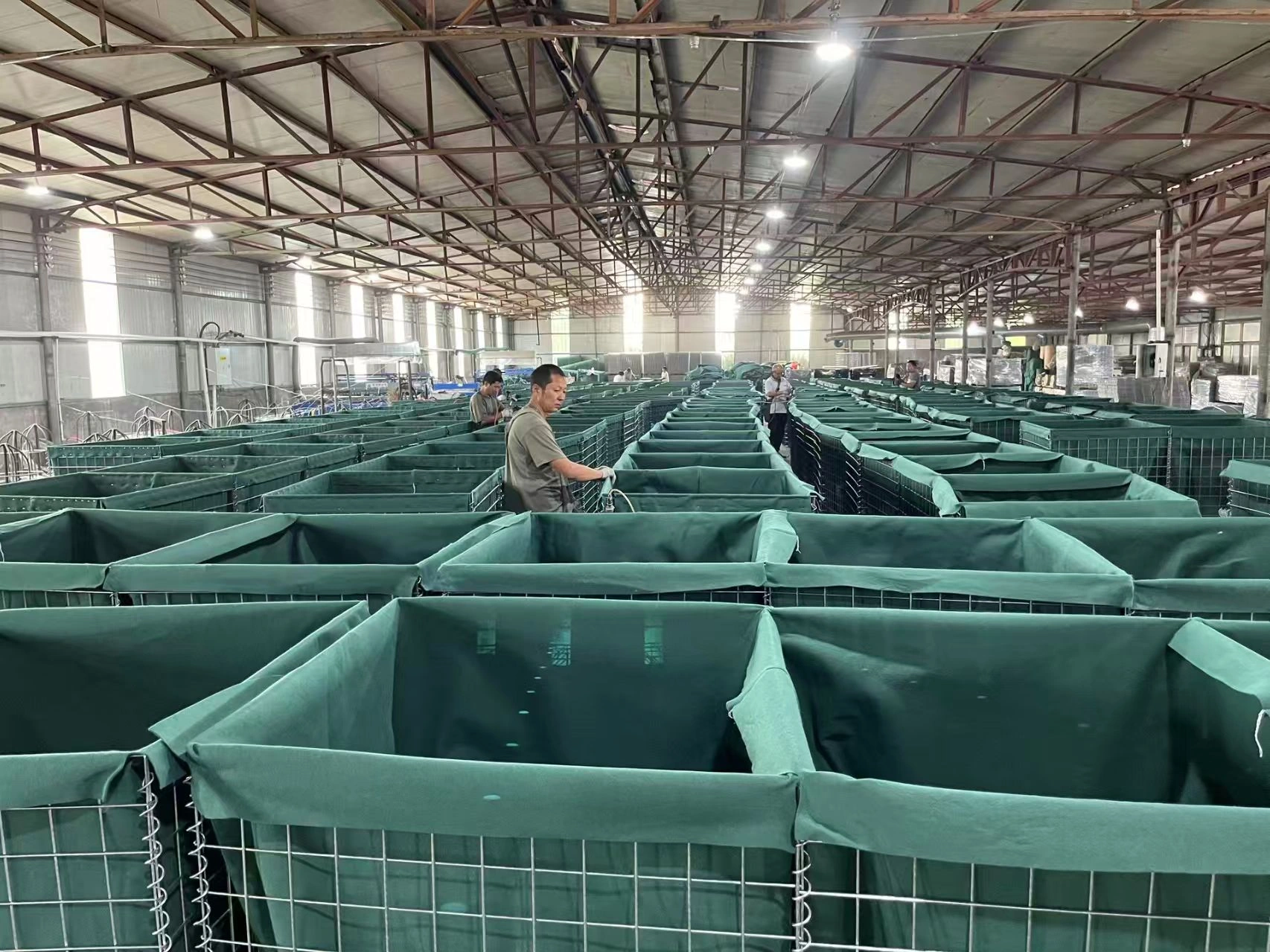
The fix starts with who you talk to. Most buyers email a trading company in Shanghai, which forwards the RFQ to a broker in Anping, which then subcontracts to whichever welding shop has open capacity. That chain adds 15–25% margin and zero quality accountability. Direct communication with a manufacturer that owns its production lines — like DB Fencing, which runs 10 welding lines on-site — collapses that chain into one conversation.
Here is the specific implementation sequence that separates professionals from amateurs.
- Step 2: Lock hot-dipped galvanized thickness >42 microns in writing: ‘Galvanized’ alone means nothing. Specify hot-dipped galvanized with a minimum coating weight of 42 microns per ASTM A123 or equivalent. Ask for a magnetic thickness gauge reading photo during production. One buyer I worked with skipped this step and received electro-galvanized panels that rusted through within six months on a coastal site in Wollongong.
- Step 3: Confirm container loading capacity for your order size: ‘How much does one container hold temporary fence panels?’ is not a trivia question — it determines whether you need one or two containers. A standard 20-foot GP holds approximately 240–260 panels (2.4m x 1.8m) when stacked flat, including plastic feet if packed separately. Request a packing diagram from the factory before deposit.
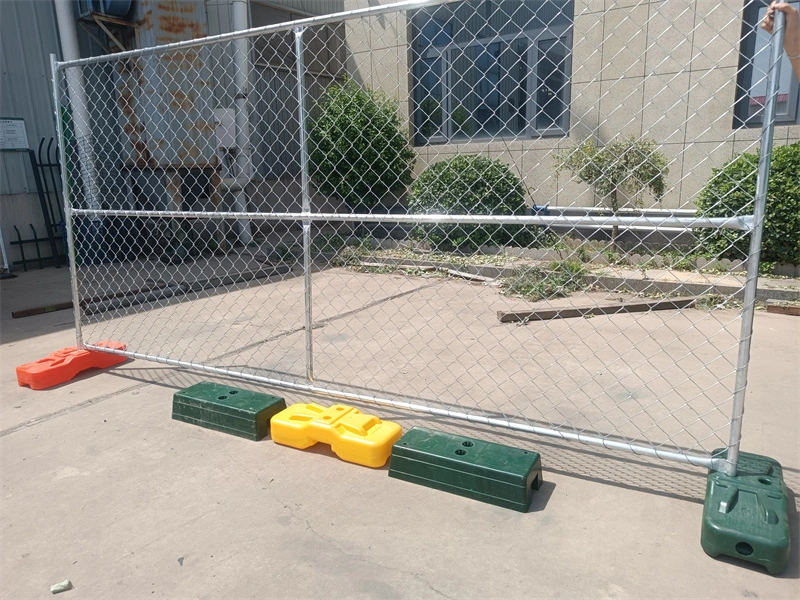
- Step 4: Choose recycled rubber bases over concrete for freight savings: ‘Recycled rubber base vs concrete feet temp fence cost comparison‘ matters at scale. Concrete feet weigh about 18kg each; rubber bases weigh under 5kg. For a single container order of roughly 250 panels requiring ~500 feet, rubber saves approximately 6,500kg in shipping weight — roughly $1,800–$2,500 in ocean freight at current rates (early-2026 pricing). Rubber also eliminates breakage during transit.
- Step 5: Set up direct quality tolerance thresholds: ‘Sample approval’ is only useful if you define acceptable variance upfront. Write into your PO: wire diameter tolerance ±0.2mm, panel height tolerance ±3mm, weld shear strength minimum per AS/NZS standards, and no more than two weld breaks per panel allowed before rejection. Ship without these tolerances defined and you own whatever arrives.
Conclusion
Skipping the sample approval stage on a temporary fence import order is the fastest way to turn a $50,000 container into a yard full of non-compliant scrap. The gap between a pre-production sample and mass production run isn’t just about appearance—it’s about whether that hot-dipped galvanized coating actually hits >42 microns across every panel. A missed spec at this stage means rejected deliveries, project delays, and renegotiated FOB pricing that eats your margin.
Before you release the deposit on your next order, review the supplier’s quality tolerance documentation and sample approval protocol against AS 4687-2022 requirements. Compare those specs against the product specifications available on our catalog page to see how compliance-ready options are built from the ground up.
Frequently Asked Questions
What is the MOQ for temporary fence panels?
Our flexible MOQ starts at 100 panels for standard temporary fence orders. This allows you to test product quality and market fit without committing to a full container load. Request a quote for your specific panel count and customization needs.
Do your fences meet Australian Standard AS 4687?
Yes, all our temporary fence panels are manufactured to comply with Australian Standard AS 4687-2022/2007. We hold ISO9001 and SGS certifications to back that compliance claim. Request our AS 4687 compliance certificate with your sample order.
How do you prevent supply chain delays?
We operate 10 welding lines with a capacity of up to 2,000 sets per week, which keeps lead times predictable. Direct factory communication also removes two layers of middlemen that typically cause. Ask about current production lead time before placing your order.
Can I get OEM branding on my fence panels?
Yes, we offer full OEM customization including custom colors, logo stamping, and packaging for global distributors. Our plastic feet machine is proprietary in Anping, giving us unique control over base component. Send your branding specs for a custom quote within 24 hours.