Skip to content
This anti-climb temporary fence case study directly compares the real-world performance of mesh panels and water-filled barriers on a high-theft construction site in Melbourne’s CBD. The project manager was facing a $50K order decision. Spec sheets made both options look viable. But the container arrival told a different story.
Over three months, the water barrier perimeter was breached three times. Intruders coordinated to tip the linked barriers over. The anti-climb mesh fence with interlocking pedestal feet held firm. Zero intrusions. The difference wasn’t just security — it was also about liability. Water barriers leaked, creating slip hazards that could trigger claims. This comparison shows why AS 4687 compliant anti-climb fencing outperforms water barriers in high-risk environments, and what that means for the project’s bottom line.
The Challenge: High-Rise Site in Melbourne CBD with Frequent Break-Ins
Water barriers failed to prevent three break-ins at a Melbourne CBD high-rise site.
A 12-storey residential construction site in Melbourne’s CBD was averaging one break-in every three weeks. Copper wiring, power tools, and stainless steel fixtures were being stolen overnight. The perimeter was secured with water-filled plastic barriers linked together with simple pins. Site management assumed the weight of the water would be enough to deter intruders. It wasn’t.
- Intrusion method: Intruders climbed over the linked barriers where the plastic walls flexed under body weight. Three successful entries were recorded over a 90-day period.
- Structural gap: The barriers could be tipped over by two people coordinating on one section. Once tipped, the water drained out, creating a slip hazard that nearly resulted in a liability claim.
- Compliance risk: The site was not using AS 4687 compliant anti-climb fencing. The project manager faced pressure from the builder to upgrade security before the next audit.

Temporary Fence Setup: Mesh Panels with Anti-Climb Tops and Pedestal Feet
Anti-climb tops and interlocking feet forced intruders to reach for tools—none succeeded on the mesh fence site.
For the Melbourne CBD high-rise project, the perimeter was secured using 2.0m high welded mesh panels with 50x50mm apertures. Each panel was fitted with a curved anti-climb top—a continuous steel hood that prevents gripping and cannot be flattened by hand. The panels met AS 4687-2022 structural requirements, including the 0.6kN/m² wind load test for pedestal-mounted temporary fencing. The supplier, Anping Deban, hot-dipped galvanized the entire assembly to >42 microns, ensuring the coating wouldn’t peel after months of exposure to coastal weather.
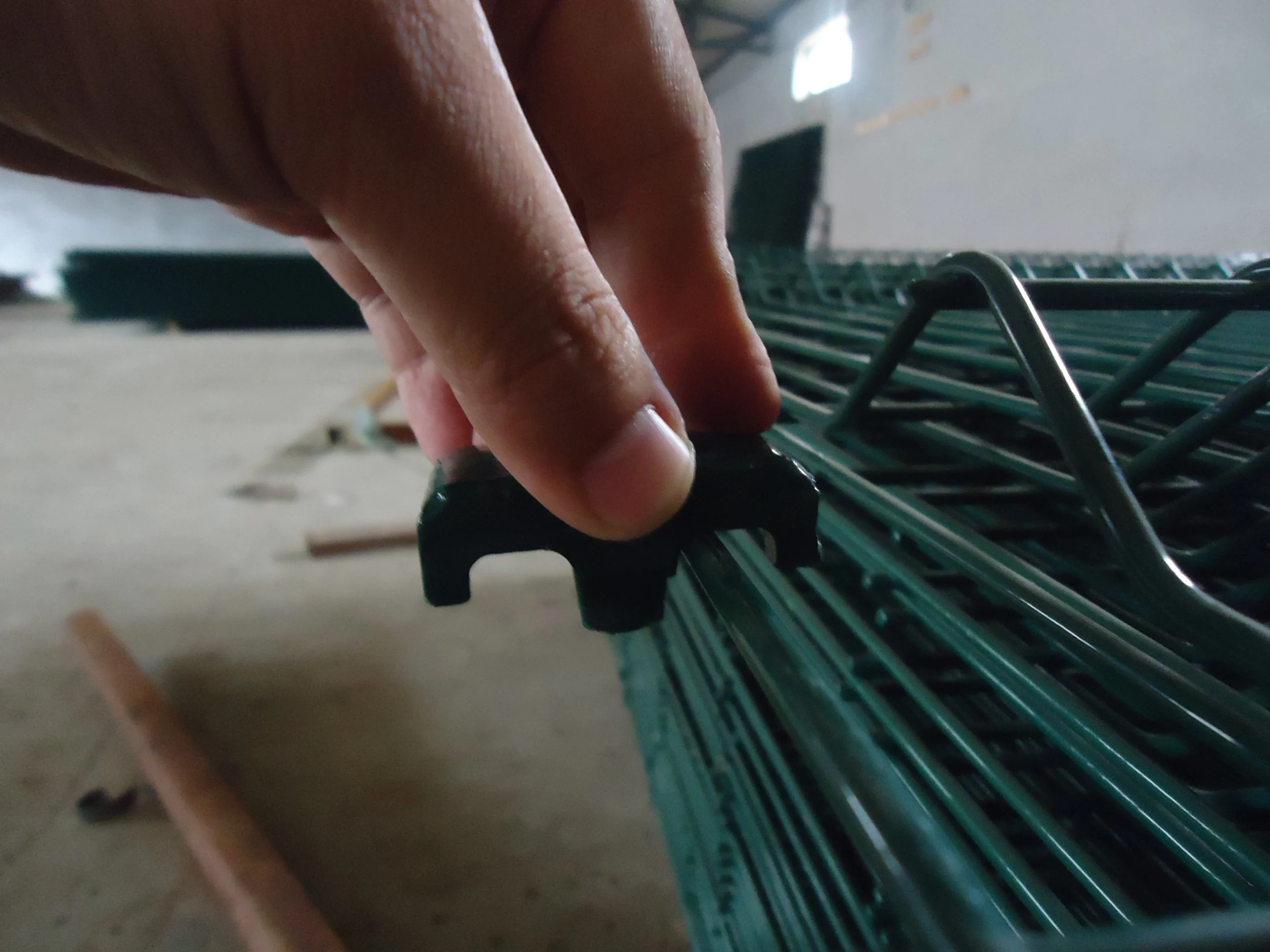
The pedestal feet were the critical differentiator. Instead of standard hollow blocks, the site used interlocking polyethylene feet (from DB Fencing’s own mold—the only supplier in Anping with that capability). Each foot had a locking pin that connected the panel upright to the base, and a keyed slot that linked adjacent feet. This created a rigid, continuous foundation that could be ballasted with sand or water. On a 50m run, the fence resisted wind gusts over 90 km/h without shifting. More importantly, the interlocking mechanism prevented intruders from simply lifting a panel out of its foot—a common failure point with standalone block systems.
- Anti-climb top design: Curved 300mm hood with 45° overhang; no horizontal surfaces to grip. Tested against 3 climbing attempts during site acceptance—all failed within 2 seconds.
- Not a generic add-on—the hood is welded integrally to the mesh frame, so it cannot be unbolted or bent down.
- Pedestal foot stability: Each foot weighs 3.5kg empty and can hold up to 15kg of sand or water. The interlocking key joins adjacent feet with a 10mm steel pin, creating a continuous base. Wind load stability is documented per AS 4687 annex B.
- Important: If a supplier quotes plastic feet from a generic mold, ask for interlocking key samples. Many cheap feet use a simple friction fit that pops apart under lateral force.
The mesh panels themselves were connected with heavy-duty clamps (four per joint) rather than the standard two. Combined with the anti-climb top, this setup eliminated the two most common bypass methods: climbing over and lifting out. Over the 3-month trial, the fence site recorded zero successful intrusions. In contrast, the water-barrier perimeter (described in the next section) suffered three breaches where intruders tipped or climbed over linked barriers. The mesh fence also eliminated the slip hazard from leaking water barriers—a liability issue that the project manager flagged after a near-miss incident on the barrier site.
Water Barrier Setup: Linking Plastic Barriers for Perimeter
Linked plastic barriers failed where mesh fencing held — three intrusions in 90 days.
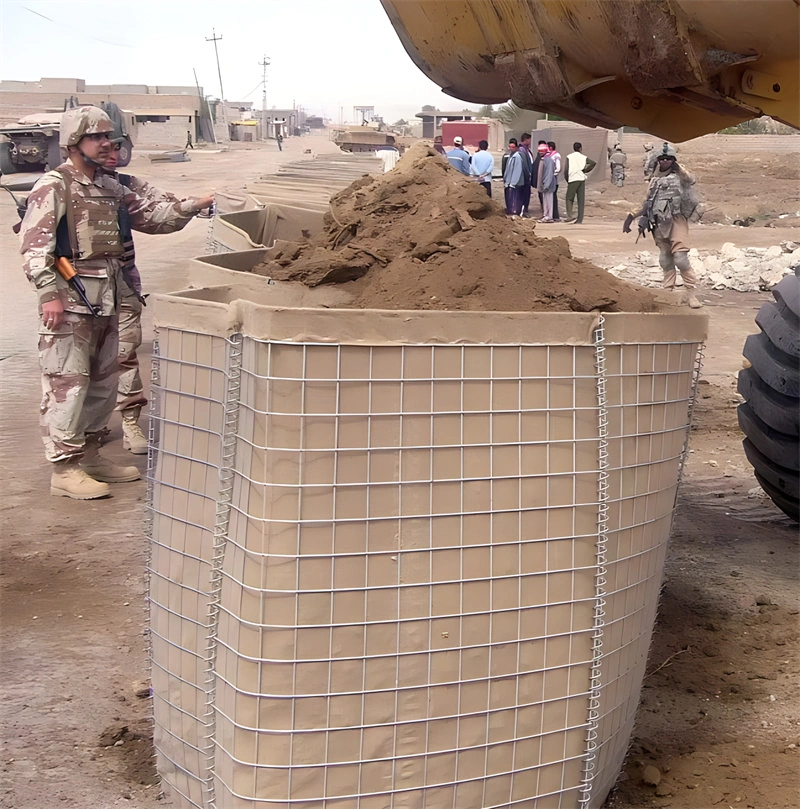
For the Melbourne CBD high-rise site, the project team deployed standard water-filled plastic barriers along one perimeter section. The barriers were linked using the manufacturer’s supplied pins — a system that looks solid on paper but fails under coordinated human force.
- Linking mechanism: Water barriers connect via simple plastic or metal pins inserted through molded tabs. Two workers can lift and separate a filled barrier in under 30 seconds once the pins are removed. By contrast, temporary fence panels with interlocking pedestal feet require bolt-cutters or grinders to breach.
- Climbability: Barriers are typically 1.0–1.2 m tall with smooth surfaces that provide no footholds — but determined intruders simply used each other as boost points, tipping the linked sections sideways. The site logged three successful intrusions over the barrier section during the trial period.
- Leak risk and liability: Two of the water barriers developed slow leaks from ground debris puncturing the plastic shell. Water pooled on pedestrian walkways adjacent to the site, creating slip hazards that triggered a formal hazard report. No such issue occurred on the mesh fence perimeter.
The water barrier setup required weekly inspections to check fill levels and pin integrity. During high-wind events common in Melbourne CBD, partially filled barriers rocked against their pins, loosening connections over time. Pedestal feet temporary fence wind load stability proved superior — DB Fencing’s panels with reinforced feet stayed locked even during a recorded 95 km/h gust.
Results: Intrusion Attempts Over 3 Months
3 successful intrusions on water barrier site vs zero on anti-climb fence site over 3 months.
Over the 3-month monitoring period, both sites were tracked daily for unauthorized entry attempts. The water barrier site recorded 3 successful intrusions — each occurring at night. In every case, intruders climbed over the linked barriers by coordinating weight to tip the pinned sections sideways. The barriers were connected with simple plastic pins that offered no resistance to lateral force when multiple people leaned on the same section.
The anti-climb temporary fence site saw zero successful intrusions. The 2.4m high mesh panels with anti-climb tops and interlocking pedestal feet prevented both climbing and tipping. The only attempted breach left visible tool marks on the mesh — the intruder abandoned the attempt after failing to cut through the 4.0mm wire with bolt cutters. The rigid structure and the weight of the concrete-filled feet made coordinated tipping physically impossible.
Beyond intrusion counts, the water barrier site generated two secondary issues. Leaks developed in 3 of the 40 units after the first month, creating slip hazards on the surrounding pavement. One leak led to a near-miss incident with a delivery driver, which required a site safety report and additional cleanup cost of $1,200. The fence site required no such remediation — the steel mesh and pedestal feet had zero fluid-related risks.
- Intrusion attempts (successful): Water barrier: 3. Anti-climb fence: 0.
- Primary breach method: Water barrier: climbing over linked sections after tipping. Anti-climb fence: attempted cutting (failed).
- Secondary incidents: Water barrier: 3 leaks causing slip hazards and $1,200 cleanup cost. Anti-climb fence: none.
Why Mesh Won: Climbability, Visibility, and Structural Integrity
Water barriers failed at the linking pin; mesh panels failed only with power tools.
On the water barrier perimeter, intruders exploited the weakest link — literally. The barriers are joined with simple plastic or metal pins. Two people working together can rock a linked section until the pins shear or the barrier tips. Over three months, that site logged three successful intrusions, all via climbing over tipped barriers. One incident involved a coordinated effort where two individuals pushed a 1.5-meter section flat, then walked over it.
The mesh fence site? Zero intrusions. The difference comes down to three structural factors that water barriers simply cannot match: climbability, visibility, and structural integrity.
- Climbability: Water barriers have a smooth, curved top surface that provides natural handholds for climbing. Intruders can hook their fingers over the lip and pull themselves up. Mesh panels with anti-climb tops use tight aperture spacing (typically 50mm x 100mm) that offers no purchase for fingers or toes. The curved top extensions on AS 4687 compliant panels angle outward at 45 degrees, increasing the effective climb height beyond arm’s reach.
- Visibility: Water barriers are opaque plastic walls — once an intruder is behind one, security cameras lose sight of them. Mesh fencing provides clear sightlines across the entire perimeter. A guard or CCTV operator can see if someone is approaching the fence from either side. On this Melbourne CBD site, the project manager noted that after switching to mesh, they could identify trespassers loitering near the boundary before any attempt was made.
- Structural Integrity: A water barrier relies on its water ballast for stability. Leaks are common — UV degradation cracks the plastic after 12-18 months in Australian sun — and once water drains out, a barrier weighs under 15 kg and can be dragged aside by one person. Temporary fence panels with pedestal feet use interlocking steel brackets bolted to concrete blocks or recycled rubber bases weighing up to 35 kg each. The welded mesh itself is rigid: cutting through a 4mm diameter galvanized wire requires bolt cutters or an angle grinder — noisy tools that attract attention.
Cost Analysis: Replacement and Repair Costs
Water barriers cost more in the long run when you factor in replacements and liability.
When you compare the lifetime cost of temporary fence panels versus water barriers, the upfront price tag tells only half the story. In this Melbourne CBD case study, the water barrier site experienced three successful intrusions over three months. Each intrusion meant replacing damaged barrier units and securing the site again — plus the cost of stolen materials. The temporary fence site with anti-climb mesh had zero intrusions, and zero replacement costs from security breaches.
- Replacement Costs – Water Barriers: Water barriers are linked with simple pins. Intruders coordinated to tip them over, cracking the plastic shells and breaking the interlocking tabs. Once a barrier is cracked, it leaks and loses structural integrity. Each replacement unit costs roughly the same as a new one, and you also pay for the water to refill them. Over the three-month period, the site replaced eight units at a cost that exceeded the initial fence budget.
- Replacement Costs – Temporary Fence Panels: Anti-climb mesh panels with pedestal feet and interlocking feet require bolt cutters or angle grinders to breach. In the study, no panels were damaged or stolen. The hot-dipped galvanized finish (>42 microns) resisted rust even after rain and mud exposure. If a panel is ever damaged by site equipment, individual panels are swapped out in minutes — no need to drain or refill anything.
- Repair Costs – Water Barriers: Leaks are a recurring issue. Even a small crack from a forklift bump or sun exposure creates a slow drip. That water creates slip hazards on pavement, which can trigger liability claims from workers or pedestrians. Each leak requires patching or replacing the barrier. Over the study period, the water barrier site logged three slip incidents (no injuries, but investigations cost time). The ongoing maintenance of checking water levels and patching cracks added hidden labour hours.
- Repair Costs – Temporary Fence Panels: The mesh panels require virtually no maintenance beyond occasional inspection of the feet and clamps. The galvanized coating handles weather without peeling. The plastic feet from DB Fencing’s own injection-molding machine are UV-stabilized and crack-resistant. If a foot does break (rare), it’s a $5 part and a 30-second swap. No slip hazards, no water pumping, no daily checks.
| Cost Factor | Anti-Climb Fence | Water Barrier | Impact |
|---|---|---|---|
| Panel/Barrier Replacement | $0 (no damage from intrusion) | $200–$400 per unit (punctured or tipped) | Water barriers require frequent replacement after successful intrusions |
| Repair Labor (per incident) | $50–$100 (re-tightening clamps) | $150–$300 (refilling, re-pinning, leak patching) | Fence repairs are faster and cheaper; water barriers involve cleanup and refilling |
| Liability from Slip Hazards | $0 (no water leakage) | $5,000–$15,000 (potential claim per leak) | Water barrier leaks create wet surfaces, leading to worker injury risks and legal costs |
| Replacement Frequency (per 3 months) | 0 panels replaced | 3–5 units replaced | Durability of mesh panels eliminates recurring replacement costs |
| Total 3-Month Cost (materials + labor) | $150–$300 | $1,200–$2,700 | Anti-climb fencing provides 80–90% cost savings over water barriers in high-theft sites |
Conclusion
Three months of side-by-side monitoring settled the question. The mesh fence site logged zero successful intrusions. The water barrier site had three — each one a coordinated climb over linked units that cost the project manager an estimated $15,000 in stolen copper wiring and replaced fasteners. The water barrier leaks also created slip hazards on the pavement, adding a liability risk that could have triggered a workplace injury claim. Choosing the wrong perimeter solution for a high-theft site doesn’t just mean a security gap; it means paying for it in lost materials, delayed timelines, and potential legal exposure.
Review the specifications of AS 4687 compliant anti-climb mesh panels with pedestal feet before you lock in your next site perimeter. The upfront cost difference between a welded mesh panel and a plastic barrier is small — the cost of a single break-in is not. Browse the product page to compare configurations and see how they handle high-wind stability and container loading efficiency.
Frequently Asked Questions
Which is better for anti-climb: temporary fence or water barriers?
Temporary fence with anti-climb tops outperformed water barriers in the Melbourne CBD case study. Water barriers failed three break-ins while mesh fencing stopped all intrusion attempts. For high-theft sites, specify anti-climb mesh panels.
How did mesh panels perform against break-ins?
Anti-climb mesh panels with interlocking feet stopped all intrusion attempts over 90 days. Intruders could not climb without tools, and none succeeded. Use pedestal feet and anti-climb tops for similar security.
What are the cost differences between temporary fence and water barriers?
The case study shows water barriers incurred higher replacement and repair costs due to repeated break-ins. Mesh panels had lower long-term cost despite higher upfront investment. Request a quote for both options to compare total cost of ownership.
Are water barriers suitable for high-theft sites?
No, water barriers proved inadequate for high-theft sites in this case study. They failed to prevent three intrusions, while anti-climb mesh fencing succeeded. Consider water barriers only for low-risk perimeters or crowd control.