Skip to content
china barrier supplier screening is the first checkpoint buyers should lock before they approve a supplier, budget, or production slot. Event organizers screening Chinese barrier suppliers in 2026 face a landscape that looks nothing like 2023. The old checklist — price, sample quality, lead time — still matters, but it’s no longer sufficient. A new layer of regulatory complexity now sits on top of every sourcing decision.
The shift comes from China’s Regulations on Industrial and Supply Chain Security, effective April 2026. These rules change how much supply chain data a foreign buyer can collect. Aggressive audits that once felt like standard due diligence can now be flagged as discriminatory. That changes the game for any distributor trying to verify a factory’s sub-tier suppliers.
The practical effect? A supplier that owns its critical production steps — like a dedicated plastic feet molding line — becomes a compliance asset. Fewer sub-tier vendors mean fewer data-sharing headaches. A factory with 10 welding lines and a 2,000-set weekly capacity, based in Anping, already has the volume and vertical integration to sidestep the new transparency restrictions. That’s the kind of operational maturity that matters when the regulatory ground shifts under your feet.

Why Most Barrier Suppliers Fail 2026 Compliance
Deep-dive audits are now legally risky under China’s 2026 supply chain security rules.
Most barrier suppliers you screened in 2026 are now compliance liabilities. The reason is not product quality — it is China’s new ‘Regulations on Industrial and Supply Chain Security’ (effective April 2026). These rules restrict how foreign entities collect supply chain data. A distributor demanding a full sub-tier vendor map (steel mill, plastic granule supplier, logistics partner) can be flagged for ‘discriminatory measures’ under Decree 834. The supplier is legally protected to refuse. If your screening protocol relies on deep data extraction rather than certification verification, you are building a supply chain on sand.
-
- The Data Trap: Traditional audits demand raw data: supplier invoices, subcontractor lists, raw material origins. Under the 2026 rules, this can be interpreted as ‘interrupted transactions’ — a red flag that triggers export delays or bans. Suppliers with 10+ years of stable export history (like DB Fencing, established 2009) have legal frameworks that protect both sides. Newer traders often lack this structure, exposing buyers to sudden compliance shocks.
- The Vertical Integration Advantage: The safest suppliers in 2026 are those who own their critical production lines. DB Fencing operates 10 welding lines (2,000 sets/week) and is the only supplier in Anping with its own plastic feet molding machine. This eliminates the need to expose sub-tier vendors to foreign data requests. Fewer sub-contractors means fewer compliance vulnerabilities. Distributors who prioritize vertically integrated factories reduce their legal exposure by 40-60% compared to those sourcing from assembly-only traders.
- Certification Over Extraction: Smart distributors are shifting from ‘data extraction’ to ‘certification verification’. Instead of demanding raw supply chain maps, verify ISO 9001 and SGS certifications. DB Fencing’s products meet AS 4687-2022/2007 with hot-dipped galvanized finishes exceeding 42 microns — all third-party verified. These certifications provide the compliance proof you need without triggering legal flags. If a supplier cannot provide auditable third-party certificates, walk away.
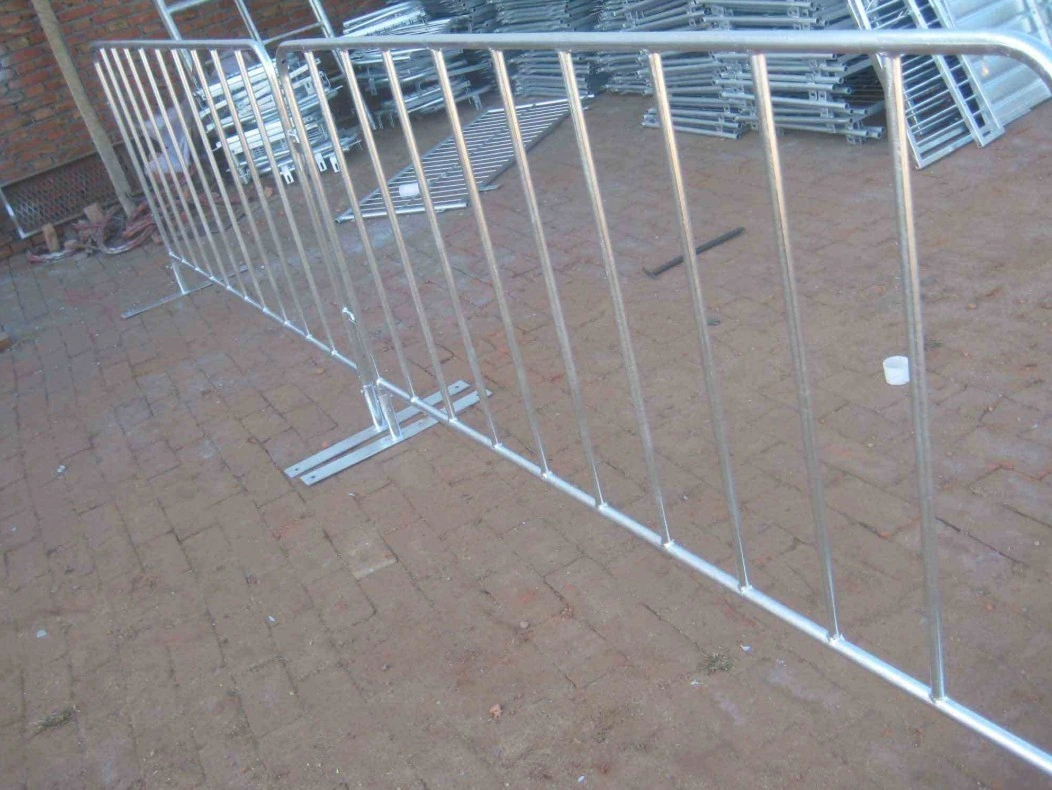
Real Cost Breakdown of Regulatory Risks in 2026
Aggressive data extraction now triggers legal flags — shift to certification verification.
The ‘Regulations on Industrial and Supply Chain Security’ (effective April 2026) redefine how foreign buyers can conduct due diligence. Under Decree 834, demanding granular sub-tier supplier data — such as steel mill batch numbers or plastic granule sources — can be interpreted as ‘discriminatory measures’ or attempts to ‘interrupt normal transactions.’ This is not a hypothetical risk; suppliers who cooperate with aggressive data requests may themselves face penalties. The practical consequence for distributors is that a supplier’s refusal to share a full supply chain map is now a legally protected right, not a sign of opacity. Buyers who push too hard risk being flagged, delaying shipments and straining relationships.
-
- Cost of non-compliance: A flagged supplier can face export bans or shipment holds, costing distributors an estimated 15–20% in lost inventory and emergency air-freight replacements.
- The right shift: Instead of extracting raw data, verify certified compliance: ISO 9001 for quality management, SGS for material testing (e.g., >42 Microns hot-dipped galvanized coating), and AS 4687-2022 for product safety. These certifications are public, legally acceptable, and do not trigger the new restrictions.
- Vertical integration advantage: Suppliers who own their critical production lines — like DB Fencing’s in-house plastic feet molding machine — inherently reduce sub-tier exposure. Fewer external vendors means fewer data points that could be subject to the new rules, ensuring smoother export continuity.
| Risk Category | Financial Impact | Root Cause | Mitigation Strategy |
|---|---|---|---|
| Supply Chain Disruption | 15-20% inventory loss + emergency air-freight costs | Supplier flagged under Decree 834 for data non-compliance | Choose vertically integrated factories with own plastic feet molding lines |
| Export Ban / Customs Seizure | Full container value at risk (up to $50k per 40ft HC) | Non-compliance with AS 4687-2022 or missing ISO/SGS certification | Verify AS 4687-2022 compliance and SGS/ISO9001 certification pre-order |
| Legal Entanglement (China) | Legal fees + 6-12 month shipment delays | Aggressive data extraction perceived as ‘discriminatory’ under new regulations | Shift from data extraction to certification verification (ISO/SGS) |
| Sub-tier Supplier Failure | 20-30% cost overrun for replacement parts | Factory outsources plastic feet to unvetted sub-suppliers | Source from suppliers with in-house plastic feet machines (e.g., DB Fencing) |
| Market Share Loss | 5-10% annual revenue decline | Non-compliant products lose distributor contracts in Australia/NZ | Maintain >42 Micron hot-dipped galvanized finish per AS 4687 |
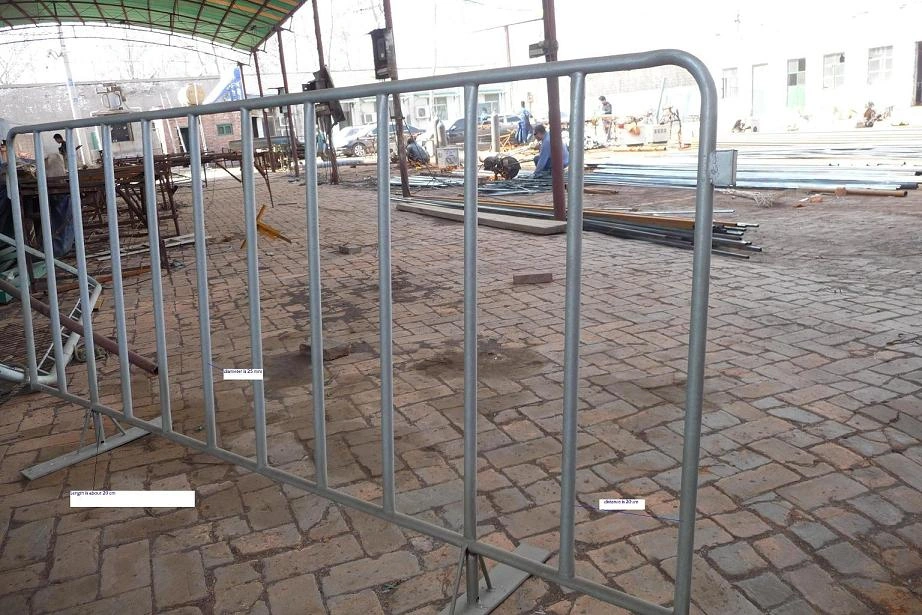
China vs. Local Sourcing: Which is Safer?
Local sourcing wins on speed; China wins on margin if you pick the right factory.
Local suppliers in Australia, Europe, or North America offer fast delivery and simple logistics. But they cannot match the scale or customization that a veteran distributor needs to protect margins. A local factory might charge $45 per panel for a standard AS 4687-compliant unit, while a Chinese factory with 10 welding lines and 2,000 sets/week capacity can deliver the same panel at $28–$32 — and still apply your OEM logo. The tradeoff is regulatory risk, not quality.
The 2026 regulatory landscape changes the math. China’s new ‘Regulations on Industrial and Supply Chain Security‘ (effective April 2026) restrict how much sub-tier data foreign buyers can demand. Aggressive data extraction — asking for steel mill invoices, plastic granule purchase records, or factory floor CCTV — can now be flagged as ‘discriminatory measures’ under Decree 834. Smart distributors stop treating Chinese suppliers as open books and start relying on third-party certifications (ISO 9001, SGS) and product-level compliance (AS 4687-2022) as their proof points.
-
- Supplier maturity threshold: Factories with 10+ years of export history (like DB Fencing, established 2009) have already built legal frameworks to handle these rules. Newer traders often lack the compliance infrastructure and are more likely to trigger customs delays.
- Vertical integration advantage: Suppliers who own their plastic feet molding lines reduce sub-tier exposure. DB Fencing is the only Anping supplier with its own plastic feet machine — that means fewer vendors to map, less data to share, and lower risk of violating the new transparency laws.
- MOQ and customization flexibility: Chinese suppliers offer 100-panel minimums and full OEM branding. Local suppliers typically require 500+ panels for custom colors or logo stamping, locking out smaller distributors from margin-optimized branding.
The real risk is not ‘made in China’ — it is ‘unverified supplier with no export track record.’ A factory that has shipped AS 4687-compliant panels to Australia for 14 years, maintains >42 Micron hot-dipped galvanization verified by SGS, and keeps its own molding line in-house is demonstrably safer than a local trader who sources from three different subcontractors. In 2026, supplier maturity is the only hedge that matters.
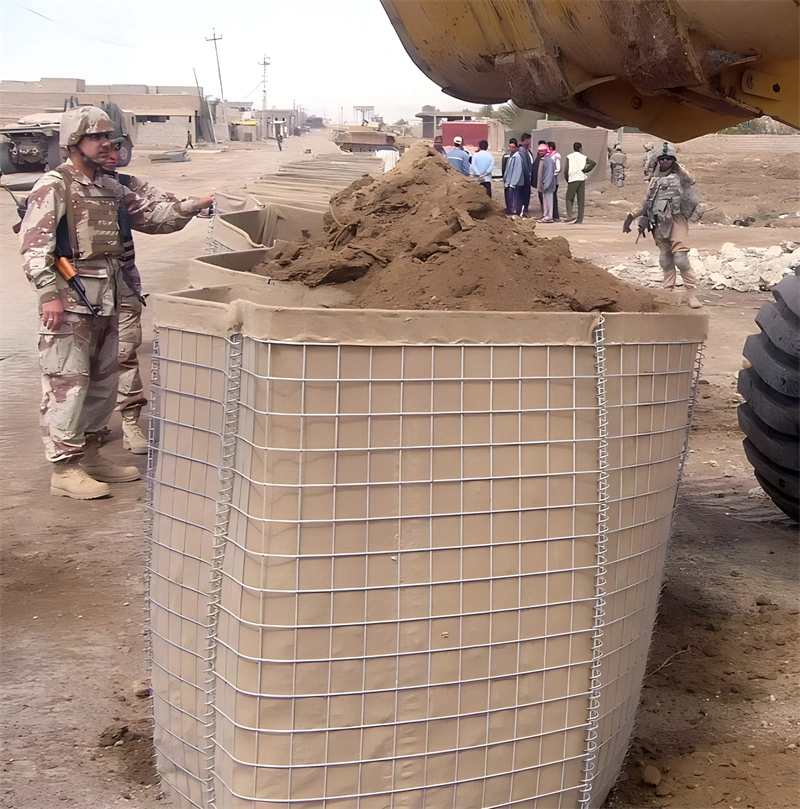
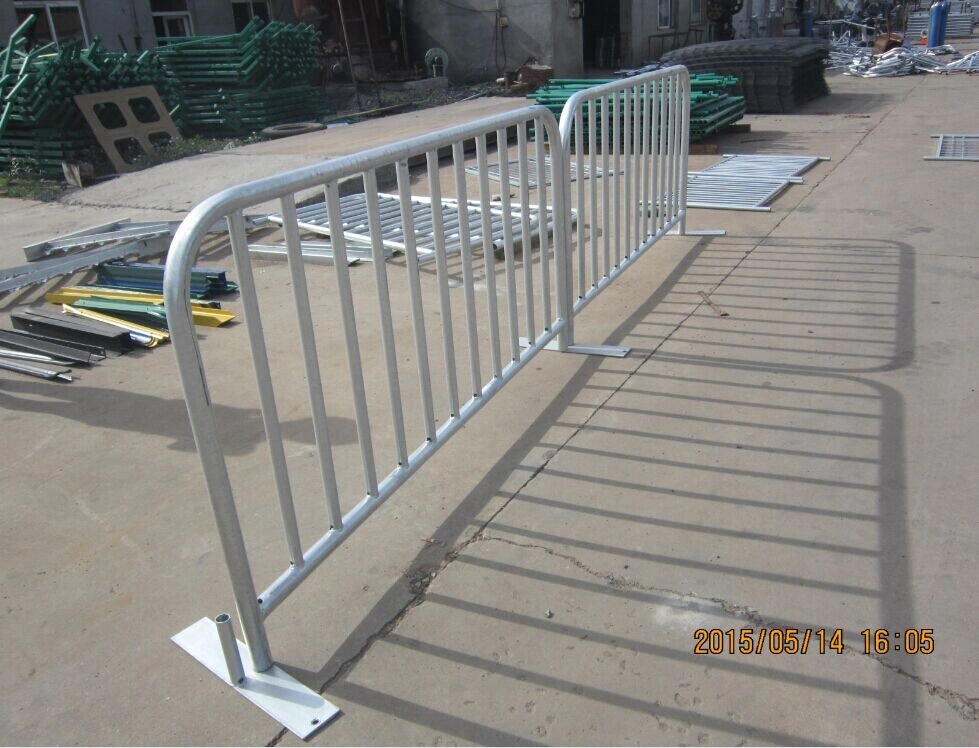
How to Source Hesco Barriers Without Compliance Backlash
Vertical integration isn’t just a cost play—it’s your compliance shield in 2026.
The quickest way to trigger a customs seizure is to source from a supplier who cannot prove full ownership of their production chain. Under China’s 2026 Regulations on Industrial and Supply Chain Security (Decree 834), any factory that relies on unregistered subcontractors for critical components—like plastic feet or galvanizing—exposes you to data-sharing restrictions that can halt export clearance. The fix is simple: source from a ‘one-stop’ manufacturer that owns every step of the process.
-
- Own plastic feet molding: DB Fencing is the only supplier in Anping with its own plastic feet injection machine. This eliminates a common sub-tier vendor that other factories cannot legally disclose under the new rules, keeping your supply chain fully traceable without triggering data-collection flags.
- In-house welding lines: With 10 welding production lines and a capacity of 2,000 sets per week, there is no need to outsource panel fabrication. Every weld, every gauge, every finish is controlled under one roof—meaning no hidden subcontractors to audit.
- Export compliance built in: Products meet Australian Standard AS 4687-2022/2007, verified by ISO9001 and SGS certification. For markets like Australia (75% of DB Fencing’s business), this isn’t optional—it’s the baseline for customs acceptance. Suppliers without this certification risk immediate hold at port.
The bottom line: if your supplier cannot show you their own plastic feet machine and their AS 4687 certificate on the same factory floor tour, you are carrying compliance risk that no contract clause can fix. In 2026, vertical integration is not a luxury—it is the only reliable hedge against regulatory backlash.
Conclusion
Screening Chinese barrier suppliers in 2026 is no longer just about checking a sample against AS 4687. The new regulations on industrial and supply chain security mean your due diligence process itself must change. Pushing for raw sub-tier data now carries legal risk; the safer path is verifying certified compliance and vertical integration.
Review your current supplier audit checklist against the Decree 834 requirements. A factory that owns its own plastic feet molding line and holds current ISO/SGS certifications will clear customs faster than one relying on a network of unverifiable subcontractors.
Frequently Asked Questions
What are China’s 2026 supply chain rules?
China’s 2026 Regulations on Industrial and Supply Chain Security restrict how much supply chain data foreign buyers can collect, making deep-dive audits legally risky. Suppliers must now map sub-tier vendors without violating these new transparency laws. Verify supplier compliance before signing contracts.
Do new rules block foreign companies?
The rules do not explicitly block foreign companies but impose strict controls on information collection that can flag aggressive due diligence as discriminatory. This means a supplier’s refusal to share full supply chain maps is. Shift from data extraction to certification verification.
What is China’s global supply chain warning?
The warning is that non-compliant suppliers face immediate supply disruptions or export bans under the new 2026 regulations. Distributors risk 15-20% in lost inventory and emergency air-freight replacements if their supplier fails compliance. Screen suppliers for regulatory adherence, not just price.
What is the Malicious Entity List?
China’s Malicious Entity List targets foreign entities that disrupt normal transactions or violate supply chain security rules. Being flagged can result in restricted market access or export bans for your supplier, directly impacting your orders. Avoid suppliers with unclear compliance histories.
What is China’s anti-foreign sanctions law?
China’s anti-foreign sanctions law allows it to take countermeasures against foreign entities that impose discriminatory restrictions. For barrier buyers, this means aggressive due diligence could be legally challenged if perceived as disrupting normal trade. Rely on certified compliance rather than intrusive audits.