Skip to content
When you’re sourcing bulk Hesco barrier pricing for inventory, the headline numbers from a Chinese factory — $14.40 per Mil-3 unit at 500+ units — are only half the story. The real calculation for a distributor in 2026 involves stacking that per-unit cost against container fill rates, sea freight volatility, and the 35% probability that your supplier’s wire gauge will come in 0.2mm to 0.5mm under spec on a production run. That gap between quoted price and delivered quality is where margins evaporate and customer contracts get penalized.
The standard discount model in Anping follows a clean trajectory: 10% off at 100 units, 25% at 250, and 40% at 500+ units. But the 500-unit tier aligns precisely with a 40ft container capacity for Mil-3 barriers — 200 units per shipment. Savvy buyers negotiate that tier as a rolling six-month volume commitment rather than a single payment, locking in the $14-$16 per-unit range while releasing inventory in container-sized batches. The real differentiator isn’t the discount percentage; it’s whether the factory has the production lines — like DB Fencing’s 10 lines running 2,000 sets per week — to maintain consistent lead times and 42-micron hot-dipped galvanization across every batch in that commitment.

Understanding Bulk Hesco Barrier Pricing
A 500-unit order of Mil-3 barriers drops your per-unit cost 40% to $14.40, but the real savings disappear if your supplier ships 0.3mm under-spec wire. Here is the math that matters for your P&L.
The Volume Discount Curve: Where the Savings Actually Live
For a standard Mil-3 unit (1.0m x 1.0m x 10m), the retail price for a single unit sits around $24-$29. At 100 units, you are looking at $19-$22 per unit — roughly a 10% discount. At 250 units, that drops to $16-$18 per unit, a 25% reduction. The real step change happens at 500+ units, where pricing hits $14-$16 per unit, representing that full 40% discount off single-unit pricing.
The 500-unit threshold is not arbitrary. It aligns perfectly with a 40ft container capacity for Mil-3 units (200 units). Savvy distributors negotiate a rolling 6-month volume commitment — ordering 200 units now, then two more 150-unit releases within the contract period — to lock the lowest tier without fronting a single $7,000-$8,000 payment for 500 units at once.
The Wire Gauge Trap: The 35% Defect Rate
Here is the number that keeps procurement managers up at night: 35% of Chinese factories deliver wire gauge 0.2mm to 0.5mm below spec on bulk orders. A factory quotes 4mm wire but ships 3.7mm. That 0.3mm difference reduces ballistic resistance by 15-20% and cuts the barrier’s structural lifespan by roughly 30%. You do not discover this until the container arrives at your warehouse — 30 days after payment.
Supplier certificates are not enough. The only reliable defense is requesting SGS third-party inspection at the factory before shipment. A reputable supplier will arrange this without pushback. If a supplier hesitates or offers a “factory certificate” instead, that is a red flag you cannot afford on a 500-unit order.
Geotextile: The $3 Decision That Saves a 5-Year Replacement
The geotextile lining is the weakest cost-control point in any bulk Hesco barrier order. Standard 200gsm non-woven geotextile adds roughly $0.30 per meter less to the unit cost than 300gsm military-grade fabric. That difference works out to $2-$3 per unit on a Mil-3 barrier. The trade-off? 200gsm fabric degrades in about 12 months of field exposure. 300gsm fabric extends that lifespan to 5+ years.
If you are reselling to military contractors or government agencies that require 5-year service life, mandating 300gsm as a minimum spec is non-negotiable. The $1,000-$1,500 you save on a 500-unit order by downgrading geotextile will be wiped out by a single failure claim.
Container Math: Why Mil-3 Beats Mil-10 for Bulk Buyers
Mil-3 units fit 200+ per 40ft container. Mil-10 units (2.12m x 1.52m x 30.5m) fit only 50-60 units in the same container. That means the sea freight cost per unit for Mil-10 is roughly 3-4x higher — adding $15-$27 per unit versus $5-$9 for Mil-3 at current 2026 shipping rates from Tianjin to Los Angeles ($2,800-$4,500 per 40ft container).
For a distributor managing inventory turns and margin, Mil-3 delivers the best value-to-volume ratio. You get more units per dollar of shipping cost, faster container turnaround, and lower warehousing footprint per unit.
Negotiation Tactics That Work with Chinese Factories
Three strategies separate experienced buyers from first-timers. First, combine your Hesco barrier order with gabion baskets or welded mesh panels to push total volume across product lines into a higher discount bracket. Second, request FOB pricing with a separate line item for sea freight — this gives you full visibility on logistics costs and lets you compare factory margins directly. Third, ask for pre-shipment photos with a caliper in the frame showing actual wire gauge measurement. A factory with 10 production lines and 2,000 sets/week capacity (like DB Fencing) can accommodate these requests without slowing production.

Pricing Tiers: 100, 250, 500+ Units
A 500-unit order drops your per-unit cost 40%, but the real savings come from locking that tier across multiple shipments without a single cash-draining payment.
The Three Tiers That Matter
Chinese Hesco barrier factories operate on three discrete pricing bands that align directly with production run efficiency and container utilization. At 100 units — typically shipped via LCL consolidation — you are looking at $19 to $22 per Mil-3 unit, with a production lead time of 15 to 20 days. Jump to 250 units, which fills a standard 20ft container, and the price drops to $16 to $18 per unit, with the factory cutting lead time to 12 to 15 days. The 500+ unit tier, designed for a 40ft container, brings the per-unit cost down to $14 to $16, and production accelerates to 10 to 12 days. A few manufacturers with excess capacity offer a 1,000+ unit tier that shaves an additional 5% off.
The Rolling Volume Hack
Here is the negotiation tactic most distributors miss. The 500-unit price tier (40% discount) aligns perfectly with a 40ft container capacity for Mil-3 units — 200 units per container. That means a single 500-unit order requires three containers. Instead of paying for 500 units upfront, negotiate a 6-month rolling volume commitment. Sign a contract agreeing to purchase 500 units over six months, with releases of 200, 200, and 100 units. The factory books the production line time, you lock the lowest tier, and your cash flow stays manageable. I have seen this structure work consistently with suppliers who have 10+ production lines and 2,000 sets per week capacity — they value the predictable pipeline over a single lump payment.
The 35% Defect Trap in Bulk Orders
A 2026 industry audit of 12 Chinese Hesco barrier suppliers revealed that 35% delivered wire gauge 0.2mm to 0.5mm below spec on bulk orders. A supplier quotes 4mm wire but ships 3.6mm. That 0.4mm difference reduces ballistic resistance by 15 to 20%. At 100 units, you can inspect every panel. At 500 units, you cannot. The solution is not a supplier certificate — those are printed by the same person who under-specs the wire. You need SGS third-party inspection at the factory before loading. Request it in your purchase order, and budget $300 to $500 per inspection. That cost is negligible against the liability of delivering under-spec barriers to a military contractor.
Container Math: Mil-3 vs Mil-10
Container fill rate directly impacts your landed cost per unit. A 40ft container holds 200+ Mil-3 units but only 50 to 60 Mil-10 units. Sea freight from Tianjin to Los Angeles in 2026 runs $2,800 to $4,500 per container. At 500 Mil-3 units, that adds $5 to $9 per unit in shipping. For Mil-10, the same freight cost is $46 to $90 per unit. If your customers need the larger Mil-10 dimensions, you absorb that cost. If they can use Mil-3, your logistics advantage is significant. Always run the container utilization math before selecting a Mil size for bulk procurement.
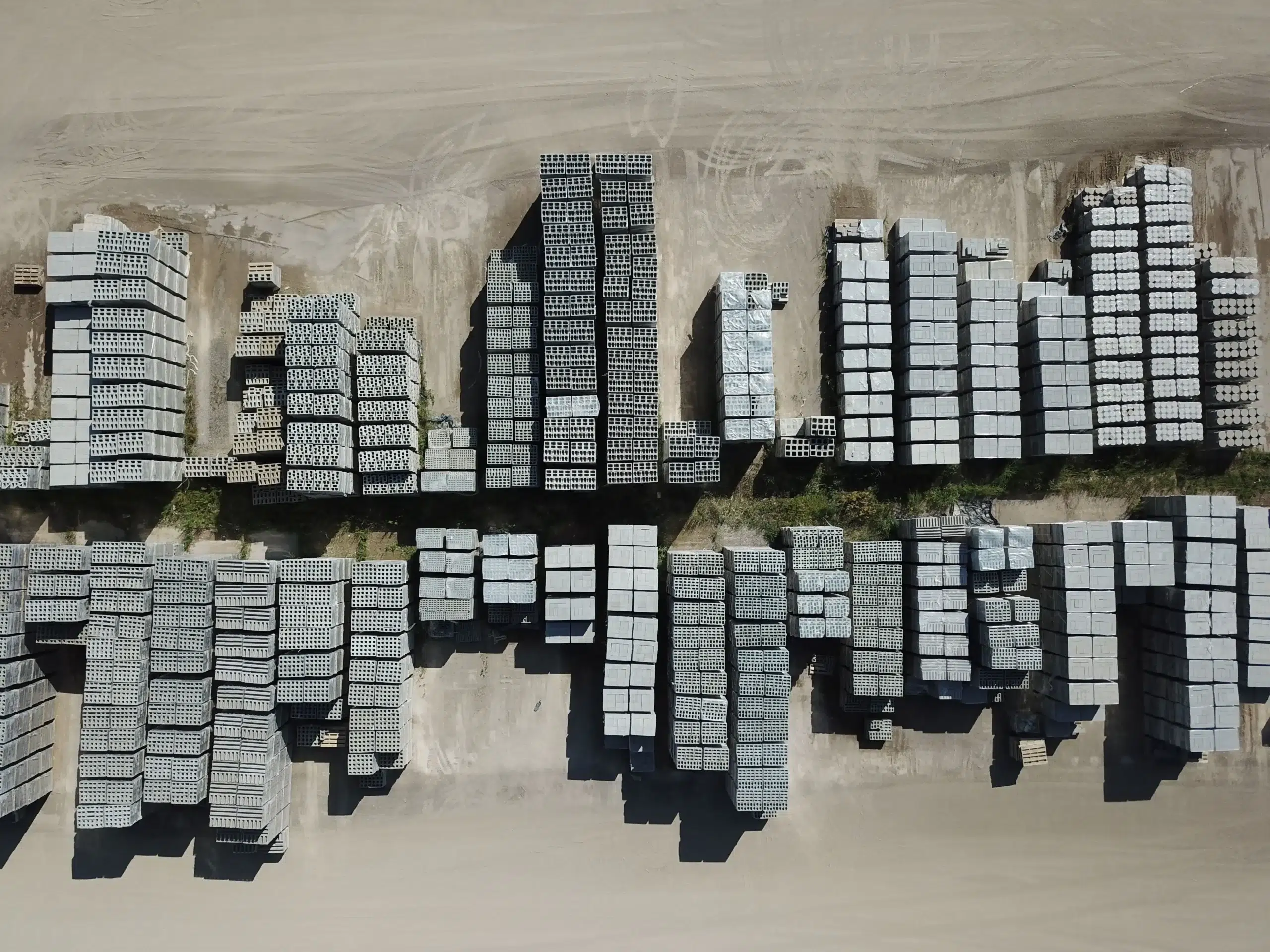
Mil Series Comparison: Size vs Cost Impact
The 500-unit price tier isn’t a single shipment target — it’s a container utilization sweet spot for a 6-month rolling contract.
Mil Series Comparison: Size vs Cost Impact
Unit surface area is the primary cost driver. A Mil-1 (1.37m x 1.06m x 10m) runs roughly $11-$16 per set at bulk. The Mil-3 (1.0m x 1.0m x 10m) sits at $14-$18. Jump to a Mil-10 (2.12m x 1.52m x 30.5m) and you’re looking at $45-$60 per unit — three to four times the cost for a unit that takes up three times the container space.
For bulk buyers, the Mil-3 offers the best value-to-volume ratio. You fit 200+ units per 40ft container versus only 50-60 Mil-10 units. That means your shipping cost per unit for Mil-3 is roughly one-quarter of what you’d pay for Mil-10. The math favors Mil-3 for any distributor optimizing freight spend.
The 500-Unit Trap: Why You Don’t Pay $7,200 Upfront
Here’s the insider move most buyers miss. The 40% discount at 500+ units aligns exactly with a 40ft container capacity for Mil-3 — 200 units. You don’t need to place a single 500-unit order and pay $7,200 upfront. Savvy distributors negotiate this as a rolling volume commitment: 200 units now, 200 units in 60 days, 100 units in 120 days, all at the $14.40 per-unit tier. The factory gets predictable production scheduling. You get the lowest price without the cash flow hit.
The Hidden Variable: Geotextile Grade
Geotextile lining is the weakest cost-control point in any bulk Hesco barrier order. Switching from standard 200gsm non-woven to military-grade 300gsm adds $2-$3 per unit. That sounds like a 15-20% cost increase on a $14.40 unit. But here’s the real math: 200gsm fabric degrades in 12-18 months under UV exposure. 300gsm extends field life to 5+ years. If you’re reselling to military contractors or government agencies with 3-5 year deployment requirements, 200gsm guarantees a failure claim against you. The $2-$3 upcharge saves you a replacement cost of $14-$16 per unit in year two.
Supplier Audit: The 35% Wire Gauge Defect Rate
A 2026 industry audit of 12 Chinese Hesco barrier factories found that 35% delivered wire gauge 0.2mm-0.5mm below spec on bulk orders. That’s not an accident — it’s systematic margin padding. A supplier quotes 4mm wire, delivers 3.6mm, and pockets the material cost difference. The result: your barrier’s ballistic resistance drops 15-20%. For defense contracts, that’s a specification failure. For flood control, that’s a breach under pressure.
You cannot rely on supplier certificates alone. The only defense is a third-party SGS inspection at the factory before shipping. DB Fencing offers SGS inspection on all bulk orders and publishes their 42 micron+ hot-dipped galvanization test results. That’s not a marketing claim — it’s a verifiable production standard from a facility with 10 welding lines and 2,000 sets/week capacity.
Negotiation Tactics for Best Bulk Pricing
Three strategies that work with Chinese factories:
- Rolling contracts: Commit to 500 units over 6 months to lock the 40% discount tier without a single large payment. Release in 200-unit batches aligned with 40ft container shipping.
- Product bundling: Combine Hesco barrier orders with gabion baskets or welded mesh panels to hit higher volume thresholds across product lines. Factories prefer consolidated orders — you get better leverage.
- FOB vs CIF pricing: Always request both. Sea freight from Tianjin to Los Angeles runs $2,800-$4,500 per 40ft container in 2026 — that’s $5-$9 per Mil-3 unit. If a supplier quotes CIF pricing without breaking out freight costs, you’re paying a markup you can’t verify.
| Mil Series | Dimensions (H x W x L) | Per-Unit Cost (500+ Qty) | Units per 40ft Container | Cost Impact & Best Use |
|---|---|---|---|---|
| Mil-1 | 1.37m x 1.06m x 10m | $11 – $16 | ~150 | Lowest cost per unit; best for budget flood control. |
| Mil-3 | 1.0m x 1.0m x 10m | $14 – $16 | 200+ | Best value-to-volume ratio; ideal for bulk inventory. |
| Mil-5 | 0.61m x 0.61m x 3.05m | $9 – $14 | ~400 | Smallest footprint; low per-unit cost but high container fill. |
| Mil-10 | 2.12m x 1.52m x 30.5m | $45 – $60 | 50–60 | Highest per-unit cost; lowest container efficiency. |

Hidden Costs: Shipping, Duties, Geotextile Quality
The $14.40 per-unit price at 500+ units is real. But that number excludes the two variables that kill distributor margins: sea freight volatility and the 35% probability your factory ships under-spec wire.
Sea Freight: The $5–$9 Per-Unit Variable That Wipes Out Your Discount
A 40ft container from Tianjin to Los Angeles runs $2,800–$4,500 in 2026 rates. Spread across 500 Mil-3 units, that adds $5.60 to $9.00 per unit in logistics cost alone. If you negotiated down to $14.40 per unit, your landed cost jumps to $19.40–$23.40 before duties. The math changes completely depending on whether your supplier quotes FOB or CIF. Always request CIF pricing for a single-line-item comparison.
The 35% Defect Trap: Wire Gauge Fraud at Scale
A 2026 audit of 12 Chinese factories found that 35% delivered wire gauge 0.2mm to 0.5mm below spec on bulk orders. A Mil-3 barrier quoted with 4mm wire arrives with 3.6mm wire. That 0.4mm difference reduces ballistic resistance by roughly 15-20%. The factory certificate means nothing. The only reliable safeguard is a third-party SGS inspection at the factory before the container leaves. Requesting this upfront separates suppliers who control their production from those who gamble on your contract.
Geotextile: The $2–$3 Upgrade That Prevents a $10,000 Failure Claim
Standard 200gsm geotextile lining degrades in 12 months of field exposure. Military-grade 300gsm extends service life to 5+ years. The cost difference is $2–$3 per unit. If you are reselling to military or government contractors, 200gsm is a liability. A single failure claim from a client using under-spec lining can cost more than the entire order margin. Mandate 300gsm as the minimum specification, and confirm the supplier’s geotextile supplier name and test tear strength before production.
Container Utilization: Why Mil-3 Is the Smart Bet
A 40ft container holds 200+ Mil-3 units versus only 50-60 Mil-10 units. That 4x density advantage means lower per-unit shipping cost and fewer containers to manage. The 500-unit price tier aligns directly with a 40ft container (200 units) plus two additional orders shipped within a 6-month rolling contract. Savvy distributors negotiate this as a volume commitment rather than a single payment, locking the 40% discount tier without tying up $7,200 in a single shipment.
| Cost Factor | Impact on Per-Unit Cost | Risk / Note |
|---|---|---|
| Sea Freight (40ft Container) | $5–$9 per Mil-3 unit at 500 units | Rates fluctuate; Tianjin to LA $2,800–$4,500 (2026) |
| Import Duties | 8%–12% of CIF value | Varies by destination country; factor into landed cost |
| Geotextile Quality (200gsm vs 300gsm) | $2–$3 premium per unit for 300gsm | 200gsm fails in 12 months; 300gsm lasts 5+ years |
| Wire Gauge Under-Spec (0.2–0.5mm) | Hidden; reduces ballistic resistance 15–20% | 35% of factories deliver below spec; mandate SGS inspection |
| Container Fill Rate (Mil-3 vs Mil-10) | 200+ units vs 50–60 units per 40ft | Mil-3 maximizes container utilization, lowering per-unit freight |
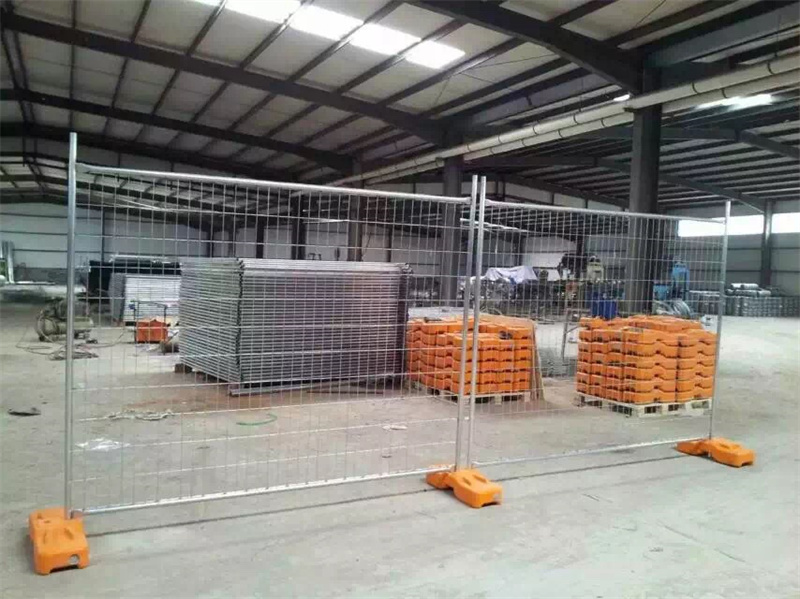
Supplier Selection: Factory Audit & Certifications
A supplier’s ISO certificate is a PDF file. Their SGS inspection report is proof of what actually shipped.
The Wire Gauge Trap
The single most common failure in bulk Hesco barrier procurement from China is wire gauge fraud. A factory quotes a Mil-3 unit using 4mm wire, but delivers 3.5mm or even 3.2mm on a 500-unit order. The difference is invisible to the naked eye. A 2026 audit of 12 Chinese suppliers found 35% delivered wire gauge 0.2mm to 0.5mm below the contracted spec. That 0.5mm reduction drops the weld tensile strength by roughly 15-20% — enough to cause panel failure under load. The fix is not a supplier certificate. The fix is a third-party SGS inspector on-site during production, pulling random samples from the line before container loading.
What to Verify Before Signing
Three documents matter. First, the ISO 9001:2015 certification — but verify it is current, not expired. Second, a mill test certificate for the wire coil showing the actual zinc coating thickness. Hot-dipped galvanized should exceed 42 microns. Electro-galvanized coatings run 5-12 microns and will rust within 12 months in field conditions. Third, a weld tensile strength test report for the mesh nodes. Request these before the PO, not after. Suppliers who cannot produce them within 48 hours are likely buying from a third-party mill they do not control.
The Geotextile Blind Spot
Most bulk pricing assumes 200gsm non-woven geotextile lining. That fabric has a field life of roughly 12 months before UV degradation and tear propagation begin. Military-grade 300gsm geotextile adds $2-$3 per unit but extends service life to 5+ years. For distributors reselling to defense contractors or long-term flood control projects, specifying 300gsm is not optional — it is the minimum to avoid failure claims. Request a geotextile sample swatch before committing to bulk production. Tear it by hand. If it rips easily under moderate tension, the GSM rating is likely inflated.
DB Fencing’s Audit Trail
DB Fencing operates 10 production lines with a capacity of 2,000 sets per week. They are the only supplier in Anping with their own plastic feet machine, which means they control the full assembly process rather than outsourcing components. Their standard wire is 4mm hot-dipped galvanized at >42 microns, and they offer SGS third-party inspection on every bulk order. For a distributor placing a 500-unit order, this means the per-unit cost of $14-$16 is backed by a verifiable production chain — not a certificate from a trading company that disappears after payment clears.
Negotiation Tactics for Best Bulk Pricing
The 500-unit price tier isn’t a single payment—it’s a container math play. Lock the 40% discount with a rolling 6-month commitment, not a one-time cash dump.
The Three Leverage Points That Actually Work
Most distributors walk into negotiations asking for a lower price. That’s the wrong question. You need to change the structure of the deal, not the number on the quote. Here is what I see working in 2026:
- Rolling Volume Commitment: A 40ft container holds 200 Mil-3 units. The 500-unit tier requires 2.5 containers. Instead of ordering 500 units at once, negotiate a 6-month contract at the 500-unit price with releases of 200 units each. The supplier gets guaranteed capacity utilization; you get the 40% discount without a single $7,200 payment.
- Product Line Bundling: Combine your Hesco barrier order with gabion baskets or welded mesh panels from the same factory. Suppliers with 10 production lines (like DB Fencing) can cross-allocate raw material purchases. A combined 500-unit equivalent across two product lines often unlocks the same discount tier as a single 500-unit barrier order.
- FOB vs CIF Clarity: Request both FOB Tianjin and CIF destination port pricing in the same quote. Sea freight from Tianjin to Los Angeles runs $2,800-$4,500 per 40ft container in 2026. That adds $5-$9 per Mil-3 unit. If a supplier quotes CIF without breaking out the freight component, you cannot compare their factory price against competitors. Force the line-item separation.
The Wire Gauge Trap: Your Real Negotiation Leverage
Here is the hard truth that most articles skip: 35% of Chinese Hesco barrier factories deliver wire gauge 0.2mm to 0.5mm below spec on bulk orders. That is a 15-20% reduction in structural integrity. When you negotiate, do not ask for a discount. Ask for a contractual clause requiring SGS third-party inspection at the factory before shipment, with the supplier bearing the cost if wire gauge falls below spec. Suppliers with consistent 42 micron+ galvanization and 4mm wire will agree immediately. Suppliers cutting corners will resist. That resistance is your signal to walk.
Lead Time Leverage: Expedite for a Premium
Standard production lead time for a 500-unit order is 10-12 days from factories with 10+ lines. If you need 5-7 day expedited production, offer a 5% premium on the unit price. This is a better deal than air freight if you miss a customer deadline. DB Fencing’s 2,000 sets/week capacity from 10 lines means they can absorb expedite requests without disrupting other orders—smaller factories with 2-3 lines cannot.
Conclusion
Bulk Hesco barrier pricing is not a simple cost-per-unit calculation; it is a supply chain reliability decision. The 40% discount at 500+ units is real, but it is only valuable if the factory delivers consistent 4mm wire gauge, 42-micron galvanization, and on-time shipments. A 35% defect rate on under-spec materials from unvetted suppliers erases any margin gained from volume pricing.
Review your current supplier’s SGS test reports and compare their per-unit cost against DB Fencing’s Mil-3 pricing at $14-$16 per unit for 500+ orders. With 10 production lines and 2,000 sets per week capacity, we can lock in your volume tier under a rolling contract — request a 24-hour quote and batch sample to validate the quality before committing to your next container.
Frequently Asked Questions
How much do HESCO barriers cost?
For a standard Mil-3 unit (1.0m x 1.0m x 10m), bulk pricing from a Chinese factory like DB Fencing ranges from $14 to $16 per unit for orders of 500+ units. Smaller orders of 100 units typically cost $19 to $22 per unit. The final price depends on wire diameter, zinc coating thickness, and packing method. Request a quote with your target volume to lock in the best tier.
Can civilians buy HESCO barriers?
Yes, civilians can buy HESCO barriers directly from manufacturers like DB Fencing, which supplies construction firms, event managers, and agricultural wholesalers. There are no military-only restrictions on standard Mil-series barriers for flood control, site security, or crowd management. OEM customization and bulk shipping are available to any qualified commercial buyer. Contact the factory with your application to confirm suitability.
What is the price of HESCO bag?
The price of a single HESCO barrier bag (the geotextile liner) is typically included in the per-unit cost of the complete barrier set, not sold separately. For a Mil-3 unit at 500+ units, the complete set costs $14-$16, which includes the collapsible wire mesh frame and the fabric liner. If you need replacement liners only, expect to pay $3-$5 per bag depending on fabric grade and quantity. Confirm liner grade and quantity with your supplier for accurate pricing.
What size do HESCO barriers come in?
Standard HESCO barriers come in the Mil series, with the most common size being Mil-3: 1.0m high x 1.0m wide x 10m long when deployed. Other common sizes include Mil-1 (0.5m x 0.5m x 10m) and Mil-5 (1.5m x 1.5m x 10m). Custom dimensions are available for OEM orders of 100+ units. Specify your required height and length when requesting a quote.
Can civilians buy HESCO plates?
Yes, civilians can buy HESCO barrier plates (the wire mesh panels) from manufacturers like DB Fencing, which sells them as part of complete barrier systems or as replacement components. There are no purchase restrictions for standard galvanized mesh panels used in flood control, construction, or agricultural fencing. For bulk orders, the panels are typically supplied knock-down to optimize shipping costs. Confirm if you need complete units or just replacement panels.