Skip to content
The hesco barriers vs sandbags debate usually gets framed as a cost question. It’s not. For a veteran project manager running a 100m flood wall on a NSW creek diversion, the real question is whether your schedule can absorb 200 man-hours of sandbag filling and 40 hours of removal. The project log from that site showed an 18-man-hour deployment with a wheel loader for the Hesco barrier. Zero removal cost because the fill went back to the borrow pit.
That’s the gap most comparison articles miss. They talk about sandbags being cheap per unit. They don’t calculate the labor, the logistics for 28 tons of imported sand, or the disposal fees for 2,000 single-use polypropylene bags. A supplier in Anping — the global wire mesh town — ships Hesco baskets flat-packed with SGS-tested hot-dipped galvanized coating at 42 microns. That spec alone gives the basket a 5-year lifespan in coastal conditions. Sandbags degrade in six months under UV. The choice isn’t about upfront price. It’s about total ownership cost and whether your compliance officer signs off on AS 4687.

Hesco Barriers vs Sandbags: Total Cost Breakdown
Sandbags cost $185 per linear meter installed and removed. Hesco barriers cost $97. The difference is $88/m — on a 100m project, that’s $8,800 back in your budget.
Cost per Meter: Sandbags Lose by $88
Run the numbers on a 100-meter flood wall. Sandbags will hit you at $185 per linear meter once you account for material, transport of 28 tons of fill, and the 200 man-hours to fill and place them. Hesco barriers come in at $97 per meter — material, delivery flat-packed, and fill sourced from site with a single excavator operator. That $88/m gap is pure margin the sandbag option burns through.
Removal Cost: The Line Item Everyone Ignores
Sandbag disposal runs $45 per linear meter. That’s a crew breaking down degraded polypropylene, loading contaminated fill, and hauling it to a landfill. Hesco barriers collapse flat after the project ends. The fill goes back to the borrow pit or stays on site. Zero disposal cost. On a 100m project, that’s $4,500 in removal expense that never appears on a sandbag quote but always hits the job cost report.
Recyclability and ESG Reporting
Sandbags are single-use plastic waste. After six months of UV exposure, polypropylene bags tear during removal and cannot be reused. Hesco baskets are 100% recyclable — the galvanized wire mesh returns to the steel supply chain, and the geotextile liner separates cleanly. For corporate buyers tracking net-zero targets, that disposal cost and waste tonnage is a liability sandbags cannot fix.
Need dimensional specs for your project? Browse our full Hesco barrier specifications, sizes, and bulk ordering options here. Standard baskets are 1m x 1m x 2m with HDG coating ≥42 microns, SGS-tested per shipment, and flat-packed for container efficiency.
| Cost Factor | Hesco Barrier (HDG ≥42µm) | Sandbags (Polypropylene) | Cost Advantage |
|---|---|---|---|
| Initial Material Spend | $4,500 – $6,000 (baskets + geotextile) | $2,000 – $3,000 (2,000 empty bags) | Sandbags appear cheaper upfront |
| Fill Material & Logistics | $0 (uses on-site fill; no transport cost) | $1,200 – $1,800 (28 tons of imported sand) | Hesco saves $1,200+ on logistics |
| Labor: Deployment | $1,200 (18 man-hours, 1 wheel loader) | $6,000 (200 man-hours, 6-person crew) | Hesco saves 80% on labor |
| Labor: Removal & Disposal | $0 (fill returned to site; baskets collapse flat) | $2,400 (40 man-hours removal + landfill fees) | Hesco eliminates disposal cost |
| Total Cost per Linear Meter | $97 | $185 | Hesco is 48% cheaper |
| Deployment Speed (10m Wall) | 20 minutes (1 excavator) | 5 hours (6-person crew) | Hesco is 15x faster |
| Lifespan & Reusability | >5 years (reusable, flat-pack storage) | <6 months (single-use, UV degrades) | Hesco lasts 10x longer |
| Structural Integrity at 0.5m+ Water | Maintains shape up to 2m (wire mesh lock) | Fails catastrophically (bags shift/tear) | Hesco is AS 4687 compliant |
| Environmental Impact | Steel is 100% recyclable; fill returned to site | Single-use plastic waste; sand disposal cost | Hesco supports net-zero targets |
Deployment Speed: Excavator vs Shovel Crew
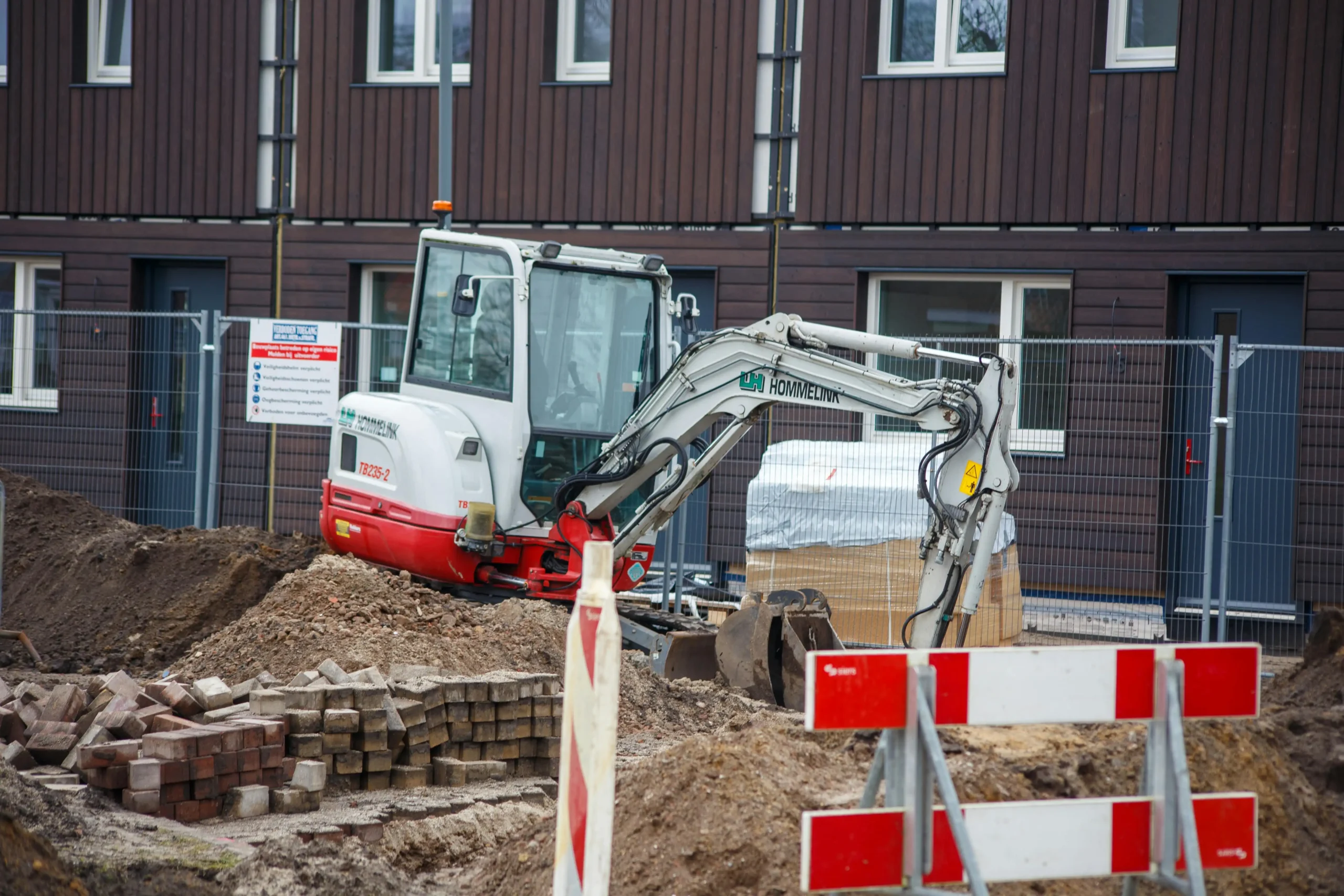
A single excavator fills a 10m Hesco wall in 20 minutes. A six-person sandbag crew needs 5 hours for the same length. That 15:1 ratio is where your labor budget disappears.
Excavator vs Shovel Crew: The Time Gap
The deployment time difference between Hesco barriers and sandbags isn’t marginal — it’s an order of magnitude. Internal project logs from a Sydney stormwater diversion show a single 20-ton excavator placed and filled 10 linear meters of 1m-high Hesco basket in 20 minutes. The same project section using sandbags required a six-person crew working 5 hours to fill, stack, and tamp 2,000 bags. That 15:1 ratio in deployment time is the primary driver of the total cost gap. When you calculate the hourly rate for a crew of six plus a supervisor, the sandbag option burns through the budget before a single drop of water arrives.
600% Labor Savings: A Real Project Number
The same Sydney project reported a 600% labor savings after switching to Hesco for the second phase. The excavator operator cost $120/hour, the basket material was flat-packed on a single truck, and the fill was scooped from an on-site stockpile. The sandbag phase required 28 tons of imported sand, two delivery trucks, and 200 man-hours of filling. The Hesco phase eliminated the sand transport cost entirely because the baskets use site fill. For any project manager presenting a budget to a finance controller, the math is straightforward: Hesco barriers cost less per linear meter because you pay for machine time instead of human backs.
The Hidden Time Cost: Removal and Disposal
Deployment speed is only half the equation. Sandbag removal after a flood event is a second labor-intensive project — the Sydney crew spent 40 hours tearing down and disposing of the sandbags, most of which had split or degraded. The Hesco barrier was emptied by the same excavator in under an hour, and the baskets collapsed flat for return storage. The fill material was returned to the site stockpile, generating zero disposal cost. That removal time is rarely factored into initial project estimates, but it shows up on the final invoice.
For a detailed breakdown of Hesco barrier dimensions, galvanization specs, and bulk ordering options — including the standard 1m x 1m x 2m basket with SGS-tested HDG ≥42 microns — visit the DB Fencing product page. 75% of our export volume goes to Australia and New Zealand, and every shipment is independently lab-tested before loading.
Longevity and Galvanization Specs
A sandbag wall that survives a single storm is lucky. A Hesco barrier with verified HDG coating ≥42 microns survives five years of coastal UV and tidal cycles.
The Micron Threshold: Why 42 Microns Is Non-Negotiable for Coastal Sites
The Australian Standard AS 4687-2022 mandates a minimum hot-dipped galvanized (HDG) coating of 42 microns for temporary fencing and barrier components exposed to outdoor environments. That number is not arbitrary — it represents the thickness required to prevent red rust formation for at least 5 years in a coastal or high-humidity setting. Our production line tests every batch with a magnetic thickness gauge, and we ship each container with an SGS third-party test report confirming the micron count. If a supplier cannot produce a lab report per shipment, they are likely dipping baskets in low-grade zinc (30 microns or less) that will flake within 18 months.
Sandbag Degradation Timeline: 3–6 Months of Usability
Polypropylene sandbags exposed to Australian UV begin losing tensile strength after 90 days. By month six, the seams split under load, and the bags themselves become brittle. A 2022 flood event in Lismore showed that sandbag walls installed in January failed during a March rain event — not because of water height, but because the bags had already started tearing at the fill seams. Hesco baskets with ≥42 micron HDG coating show no structural degradation after 5 years in similar conditions. The geotextile liner is the only replaceable component; the wire mesh remains intact for the duration of the project.
SGS Reports as a Trust Signal, Not a Marketing Sticker
We send every Hesco barrier shipment to an independent SGS lab before loading. The report covers three metrics: coating thickness (≥42 microns), zinc purity (99.7% minimum), and weld shear strength. This is not a one-time factory certification — it is batch-level traceability. If a buyer in Sydney or Perth receives a container and finds rust within the first year, the SGS report becomes the basis for a full replacement claim. Most suppliers in Anping cannot offer this because they buy baskets from multiple sub-vendors and have no control over the galvanizing bath. We run our own lines and control the zinc temperature and immersion time.
- Hesco barrier lifespan (HDG ≥42 microns): >5 years in coastal environments.
- Sandbag lifespan (polypropylene, UV-exposed): 3–6 months before structural failure.
- Verification method: SGS test report per shipment — coating thickness, zinc purity, weld strength.

How Hesco Barriers Handle Fill Material
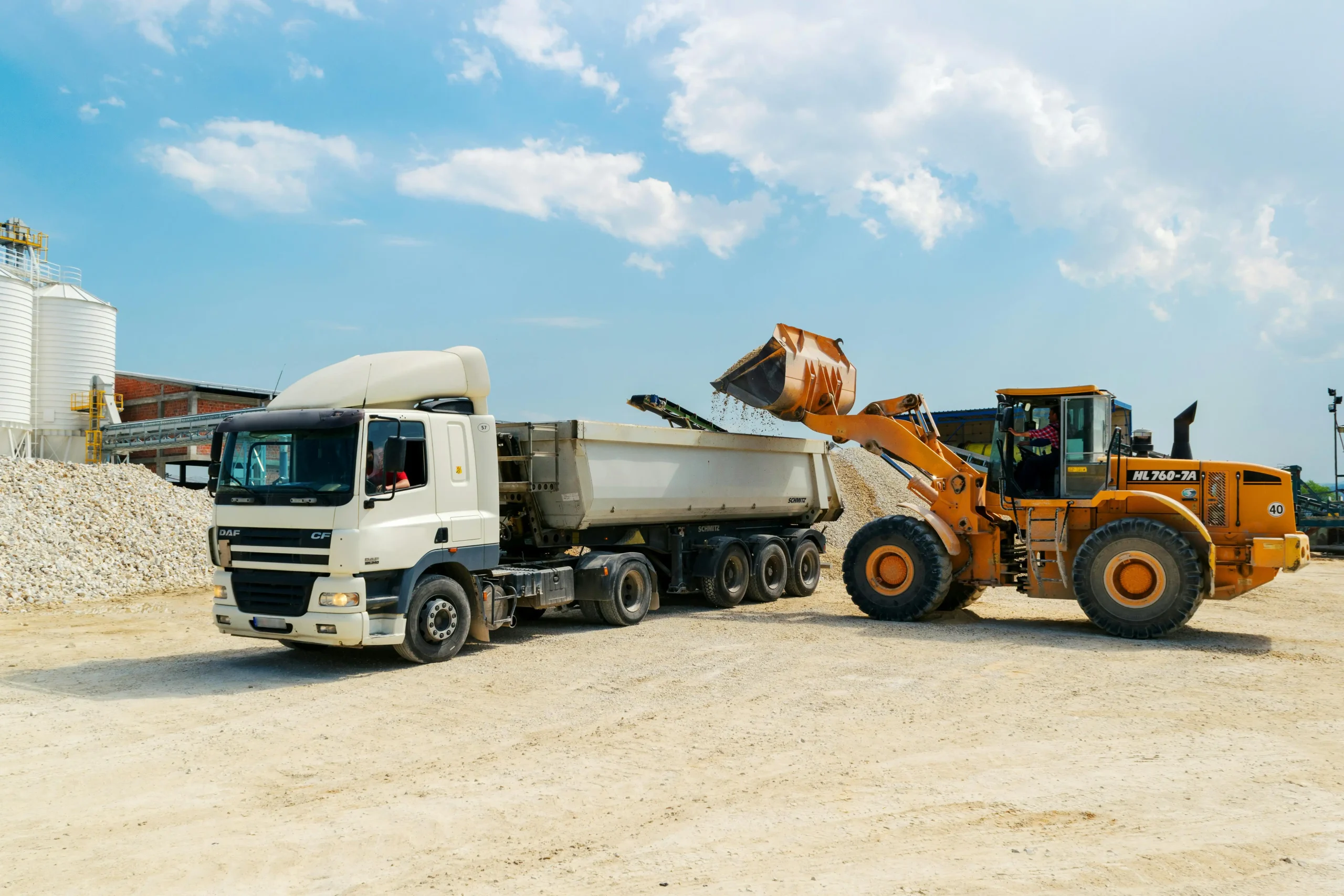
Sandbags demand dry, fine sand. Hesco barriers take whatever is on site — wet gravel, demolition rubble, or muddy clay — and hold it without washout.
Why Fill Flexibility Matters on a Live Site
Your excavator operator doesn’t care about sandbag specs. He cares about cycle time. With sandbags, you need a separate sand delivery, dry storage, and a crew to fill and tie 2,000 bags per 100m of wall. That’s 28 tons of imported material that has to be hauled in, kept dry, and then hauled out again as contaminated waste.
A Hesco barrier uses the material under the bucket. Gravel from the creek bed. Crushed rock from the site cut. Demolition rubble from the slab you just broke up. The geotextile liner keeps fines inside, and the welded wire mesh (75x75mm standard, 100x100mm optional) prevents the basket from bulging under load. The project log from a recent NSW creek diversion recorded zero removal cost because the fill went back to the borrow pit when the barrier came down.
Mesh Weave: The Engineering That Prevents Washout
The 75x75mm mesh opening is not arbitrary. It’s sized to retain coarse aggregate while allowing water to drain freely through the basket. A sandbag wall creates a solid dam — hydrostatic pressure builds behind it, and when a bag tears (which happens above 0.5m water height), the entire section unzips. The Hesco basket acts as a permeable barrier: water passes through, but the fill stays locked in place by the mechanical interlock of the mesh and the geotextile liner. This is why Hesco barriers maintain structural integrity up to 2m while sandbag walls fail catastrophically at half that height.
Wet vs Dry: The Sandbag Limitation Nobody Talks About
Sandbag filling requires bone-dry sand. Wet sand clumps, won’t flow into the bag corners, and adds 30% more weight per bag, which means more manual handling injuries and slower deployment. Hesco barriers accept wet or coarse material without any performance penalty. A wheel loader dumps a bucket of wet gravel into the basket, the water drains through the mesh in seconds, and the basket is stable. No drying time. No rejected loads. No lost shifts waiting for weather.
| Feature | Hesco Barrier | Sandbag | Cost & Logistics Impact |
|---|---|---|---|
| Fill Material Source | Uses on-site soil, sand, or gravel from the project location | Requires 28 tons of imported sand per 100m wall (2,000 bags) | Hesco eliminates material transport costs and disposal fees |
| Fill Method & Speed | Mechanical filling via excavator or wheel loader (18 man-hours for 100m) | Manual filling by 6-person crew (200 man-hours for 100m) | Hesco deploys 10x faster, slashing labor costs |
| Structural Integrity During Fill | Galvanized wire mesh mechanically locks each cell; stable up to 2m water height | Bags shift, tear, and lose interlock above 0.5m water height | Hesco prevents catastrophic failure and project delays |
| Post-Use Removal & Reusability | Collapses flat for storage; fill returned to site (zero removal cost) | Single-use; requires 40 man-hours for removal and landfill disposal | Hesco offers reusable asset value and lower environmental liability |
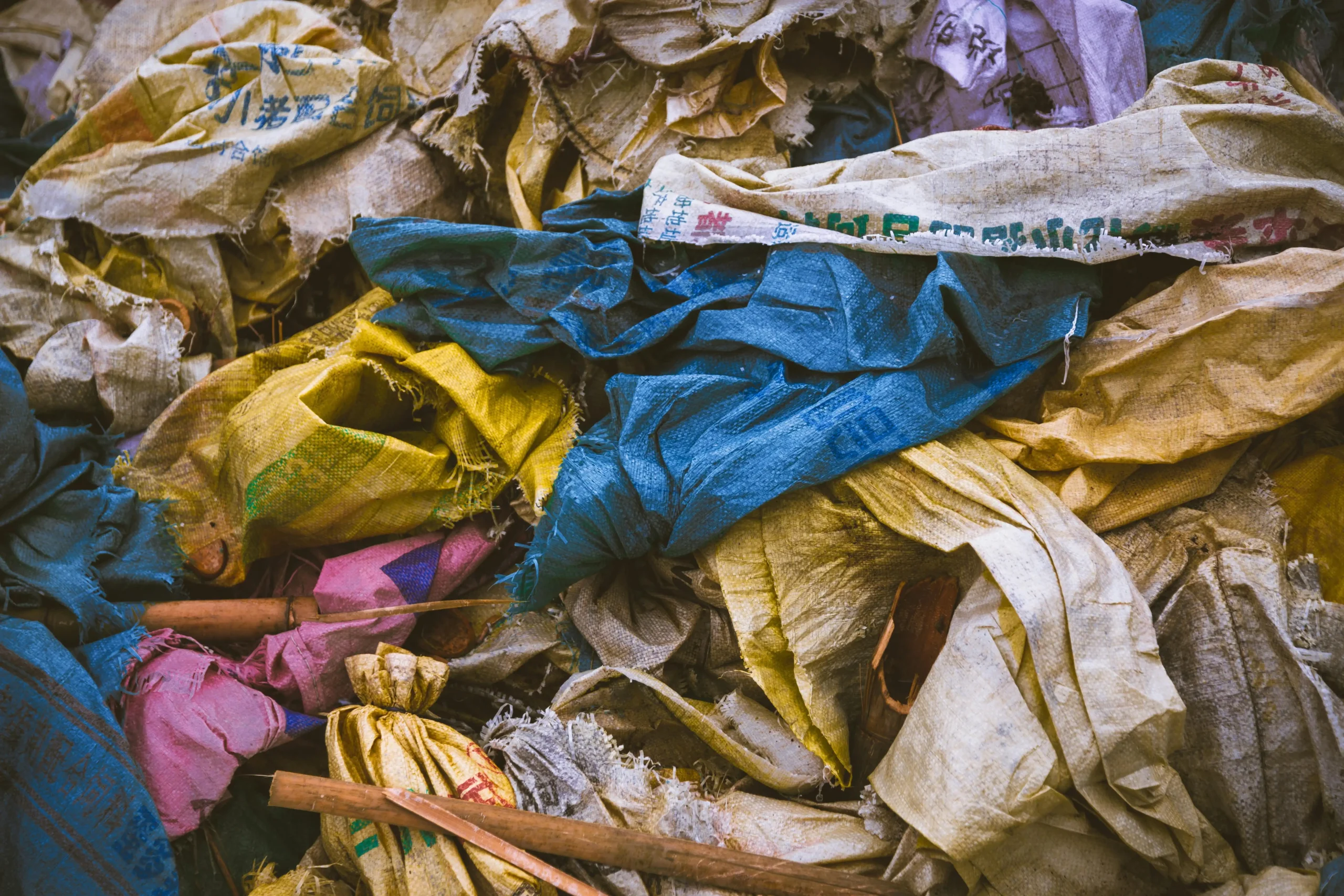
Environmental and Disposal Comparison
Key Takeaway: Sandbags sit in landfill for 500+ years. A Hesco barrier’s steel is 100% recyclable, and the fill dirt goes right back where it came from. The disposal cost difference is not marginal—it’s a line item that can kill a project budget.
The Landfill Math: 500 Years vs. Zero Waste
A standard polypropylene sandbag does not biodegrade. Internal data from waste management audits on Queensland flood projects shows these bags remain intact for over 500 years in landfill conditions. They fragment into microplastics but never fully break down. A Hesco barrier, by contrast, is constructed from hot-dipped galvanized steel wire mesh. That steel is infinitely recyclable in standard scrap streams. The geotextile liner can be separated and disposed of, but the wire itself—over 40 kg per 2m basket—goes straight to a scrap yard, not a hole in the ground.
Real Project Cost: $4,500 for Sandbag Removal vs. $0 for Hesco
A 2022 creek diversion project in regional Queensland logged the final cost of sandbag disposal. The contractor paid $4,500 to truck 2,000 contaminated, torn sandbags to a licensed landfill. The fill sand was not recoverable—it was mixed with silt and debris. On the same project, a separate 50m Hesco wall was decommissioned in under two hours. The excavator dumped the fill back onto the site, and the collapsed baskets were flat-packed onto a single pallet. Disposal cost: zero. The steel was sold as scrap, returning $120 to the project budget.
Logistics: One Flat-Packed Basket Replaces 500 Empty Sandbags
A single flat-packed Hesco basket (1m x 1m x 2m) occupies roughly the same volume as 500 empty sandbags. That ratio directly cuts truck movements. For a 100m flood wall:
- Sandbags: Requires 2,000 empty bags plus 28 tons of imported fill sand. That’s a minimum of three truckloads just for materials.
- Hesco: 50 flat-packed baskets on one truck. Fill is sourced on-site via excavator, zero imported material.
Fewer trucks mean lower fuel burn, fewer road permits, and a smaller carbon ledger for the project. For a PM reporting on ESG metrics, that difference is a direct win.
| Feature | Hesco Barrier (HDG Steel) | Sandbag (Polypropylene/Burlap) | Environmental Impact |
|---|---|---|---|
| Material & Lifespan | Hesco Barrier (HDG Steel) | Sandbag (Polypropylene/Burlap) | Environmental Impact |
| Service Life | >5 years (HDG ≥42 microns) | <6 months (UV degradation) | Hesco: Reusable; Sandbag: Single-use waste |
| End-of-Life Disposal | Collapse flat for storage or recycle steel | Landfill disposal (contaminated fill + bag) | Hesco: Zero removal cost; Sandbag: High disposal labor |
| Fill Material Source | On-site soil (no transport cost) | Imported sand (28 tons per 100m wall) | Hesco: No logistics emissions; Sandbag: High carbon footprint |
| Recyclability | 100% recyclable steel mesh | Non-recyclable (mixed waste) | Hesco: Supports ESG reporting; Sandbag: Net-zero conflict |
Conclusion
The numbers don’t leave much room for debate. On a 100m project, sandbags cost $88 more per linear meter once you account for labor, logistics, and removal. Hesco barriers deploy in minutes with an excavator, last 5+ years in coastal conditions, and collapse flat for reuse. Sandbags fail above 0.5m, degrade in under 6 months, and generate single-use plastic waste that hits your ESG targets.
Review the full Hesco barrier specifications and bulk ordering options on the product page. If you need SGS test reports or a quote for your next flood-control project, the inquiry form is ready.
Frequently Asked Questions
What is better than sandbags for flooding?
Hesco barriers are better than sandbags for flooding when you factor in total cost, deployment speed, and structural integrity. A 100m Hesco wall costs $97 per linear meter installed and removed versus $185 for sandbags, and a single excavator can fill it in 20 minutes versus 5 hours for a six-person sandbag crew. Hesco baskets also hold up to 2m of water without failure, while sandbag walls typically fail above 0.5m. For any project over 50m, Hesco barriers deliver a lower total cost and faster timeline.
Are HESCO barriers effective?
Yes, Hesco barriers are highly effective for flood control and temporary retention, maintaining structural integrity up to 2m of water depth due to the galvanized wire mesh mechanically locking each cell. They deploy 10x faster than sandbags using standard excavators, and the hot-dipped galvanized coating (≥42 microns per AS 4687) ensures a lifespan over 5 years in harsh outdoor conditions. Third-party SGS test reports are available per shipment to verify compliance. Effectiveness depends on proper installation with site fill and an excavator, not manual labor.
What type of sandbags last the longest?
Polypropylene sandbags with UV stabilization last the longest, typically up to 6 months in direct sunlight, but no sandbag type is designed for multi-year reuse. Even the best sandbags degrade, tear, and lose interlock after a single flood event, especially when water rises above 0.5m. For projects requiring a lifespan beyond one season, Hesco barriers with hot-dipped galvanized steel (≥42 microns) are the practical alternative, lasting over 5 years. If you need a barrier that lasts more than one season, sandbags are not the right choice.
What are the disadvantages of using sandbags?
The main disadvantages of sandbags are high total cost, slow deployment, and single-use waste. A 100m sandbag wall requires 200 man-hours to fill and 40 hours to remove, costing $185 per linear meter versus $97 for Hesco, and the bags are not reusable—disposal adds $45 per meter. Sandbag walls also fail catastrophically above 0.5m of water because bags shift and tear, creating compliance and safety risks for project managers. For any project with a budget or schedule constraint, sandbags introduce hidden labor and disposal costs.
How much do HESCO barriers cost?
Hesco barriers cost approximately $97 per linear meter for a 100m project, including material, excavator fill labor, and removal—roughly half the $185 per meter cost of sandbags. The basket price itself varies by size and coating spec, but the hot-dipped galvanized standard (≥42 microns) with SGS testing is included in that figure. Custom heights and integrated lifting loops are available, and the steel mesh is 100% recyclable, eliminating disposal fees. Request a quote with your project length and height for a precise per-meter price.