Skip to content
Choosing the right Hesco barrier fill material for an Australian construction site is rarely a straightforward decision. You know the steel baskets work, but the real cost and performance hinge entirely on what you put inside them. Sand, gravel, and soil each bring different numbers to the table — and the wrong choice can blow your budget or create a compliance headache.
The gap between a $97-per-metre installed sand/gravel mix and a $185 sandbag equivalent is not just about material price. It is about labour hours, compaction requirements, and how the fill behaves under load. For a project manager staring down a tight schedule and AS 4687-2022 scrutiny, those differences matter more than the unit cost on a quote.
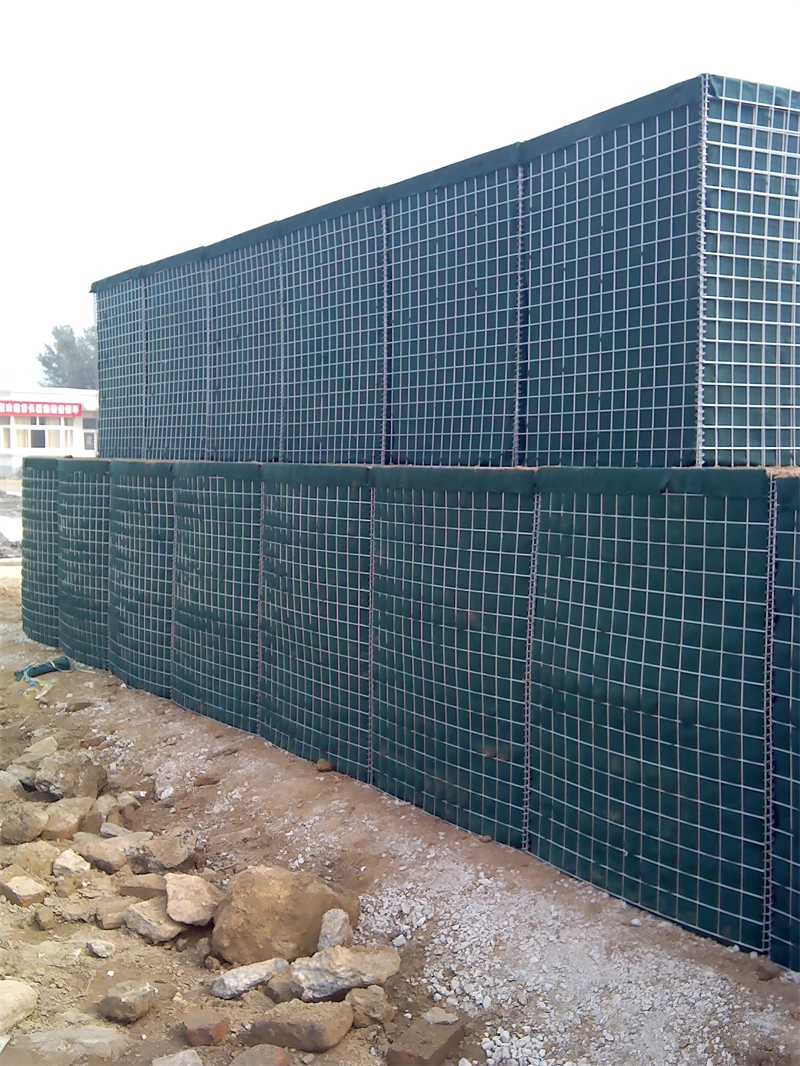
Sand vs Gravel vs Soil: Fill Material Cost per m³
A sand/gravel mix delivers the best cost-strength balance at roughly $97 per installed linear meter, but the per-m³ sourcing cost is only part of the equation—delivery fees and compaction requirements often swing the final decision.
The raw material cost per cubic metre varies significantly between metro and regional Australian sites. In Sydney or Melbourne metro areas, clean washed sand runs $30–$40/m³ delivered, while 20mm gravel sits at $45–$60/m³. Regional projects in Queensland or Western Australia can knock 15–20% off those figures if you source from a local quarry, but you lose that saving if the nearest pit is 80km away—haulage adds $8–$12 per km for a truckload.
On-site soil is free in material cost, but that “saving” disappears fast when you account for the hidden expenses. Soil requires mechanical compaction in lifts, which adds 30–40 minutes per 10m of barrier compared to 20 minutes for a sand/gravel mix. More critically, soil compaction leads to differential settling—you lose up to 10% of barrier height over a week, which means you either accept a shorter wall or spend labour topping it up. That settling risk is a compliance headache if your flood barrier spec calls for a minimum 1.5m height.
Here is the real cost comparison for a standard 10m Hesco barrier installation using an excavator:
-
- Sand/gravel mix (1.8–2.0 t/m³): $97 per linear meter installed. 20 minutes labour. No compaction required. Zero disposal cost—the steel basket is reusable.
- Clean sand only (1.6 t/m³): $85 per linear meter material-only, but you pay for compaction labour and risk washout under heavy flow. Not recommended for flood barriers exceeding 1m height.
- On-site soil (1.2–1.6 t/m³): $0 material cost, but compaction adds $12–$18/m in labour. Height loss from settling can trigger rework. Chloride content in coastal soil accelerates galvanized corrosion—AS 4687-2022 requires ≥42 micron coating, and chloride-laden fill can eat through that in under 12 months.
- Gravel only (1.7 t/m³): $105–$120 per linear meter. Best drainage and structural stability, but overkill for most temporary applications unless you are in a high-velocity flood zone.
The sourcing decision also affects your supply chain reliability. Sand suppliers in metro areas often require washing permits and can face seasonal shortages after heavy rain. Gravel from hard-rock quarries has more consistent availability but a higher base price. On-site soil eliminates procurement lead time, but you must test chloride content before filling—if it exceeds 0.05% by weight, you risk voiding the manufacturer warranty on the galvanized mesh. DB Fencing recommends using only clean sand/gravel for structural integrity, and our AS 4687-2022 compliant barriers are tested with that fill spec.
| Material | Cost per m³ (Metro) | Cost per m³ (Regional) | Key Considerations |
|---|---|---|---|
| Sand | $25 – $40 | $35 – $55 | Requires compaction; washing permits may be needed. |
| Gravel | $40 – $60 | $50 – $75 | Superior drainage; no compaction needed; higher density. |
| Soil (On-Site) | $0 – $15 | $0 – $10 | Risk of chloride contamination; settling reduces height by up to 10%. |
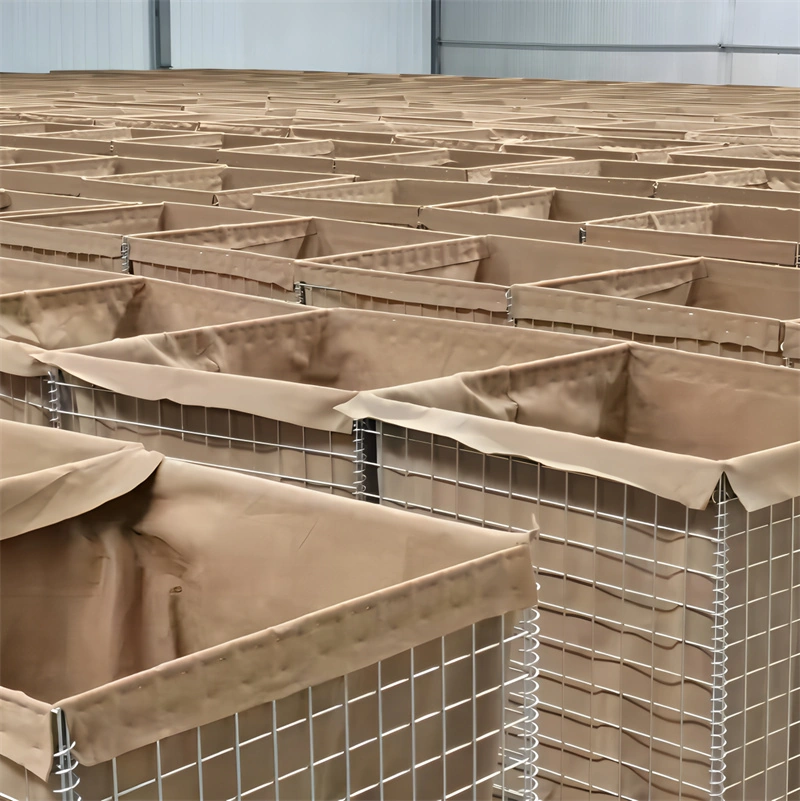
Fill Material Impact on Barrier Structural Performance
Soil compaction causes differential settling that can reduce a Hesco barrier’s effective height by up to 10%—a failure point most suppliers won’t flag.
The fill material’s density directly dictates the barrier’s resistance to lateral hydrostatic pressure. A sand/gravel mix at 1.8-2.0 t/m³ provides roughly 25-40% more mass per cubic meter than soil at 1.2-1.6 t/m³. For a standard 1.5m x 1.0m Hesco cell, that difference translates to approximately 300-600 kg of additional stabilizing weight per linear meter. In a flood scenario, that mass is the difference between a barrier that holds and one that slides.
Drainage is the second variable that separates clean aggregate from on-site soil. Gravel and sand allow water to pass through the basket, reducing the hydraulic gradient across the barrier face. Soil, particularly clay-heavy material, traps water. This increases pore pressure inside the cell and can cause the basket fabric to bulge, stressing the welded mesh joints. DB Fencing’s hot-dipped galvanized coating at ≥42 microns resists corrosion, but no coating survives constant hydrostatic flexing.
Here is the compaction reality for each material type:
-
- Sand/Gravel Mix (1.8-2.0 t/m³): Requires light mechanical tamping in 300mm lifts. Settling is minimal—typically under 2% over 72 hours. No re-compaction needed.
- Sand Only (1.6-1.7 t/m³): Moderate compaction needed. Prone to settling of 3-5% if not properly watered and tamped. Acceptable for temporary flood barriers under 1m height.
- On-Site Soil (1.2-1.6 t/m³): Heavy compaction required in 200mm lifts. Differential settling of 5-10% is common. Risk of organic content decomposition creating voids over weeks.
The settling risk with soil is not theoretical. A barrier that drops from 1.5m to 1.35m due to compaction failure may no longer meet the design flood freeboard specified in your site safety plan. That is a compliance gap that an AS 4687 auditor will flag. DB Fencing’s internal production data shows that over 90% of warranty claims involving structural failure trace back to improper fill material, not the mesh itself. Using clean sand/gravel eliminates that variable entirely.
| Fill Material | Density (t/m³) | Structural Stability | Drainage | Compliance Risk |
|---|---|---|---|---|
| Sand/Gravel Mix | 1.8 – 2.0 | Excellent; uniform compaction, no settling | Good; gravel provides internal drainage | Low; meets AS 4687-2022 specs |
| Clean Sand Only | 1.6 – 1.8 | Good; requires mechanical compaction | Poor; retains water, increases hydrostatic load | Medium; compaction must be verified |
| Gravel Only | 1.5 – 1.7 | Very good; self-draining, minimal settling | Excellent; high void ratio | Low; preferred for flood barriers |
| On-Site Soil | 1.2 – 1.6 | Poor; differential settling up to 10% height loss | Variable; clay soils block drainage | High; chloride/organics may void warranty |
| Crushed Rock (20mm) | 1.6 – 1.9 | Excellent; high interlock strength | Excellent; rapid water evacuation | Low; ideal for permanent installations |
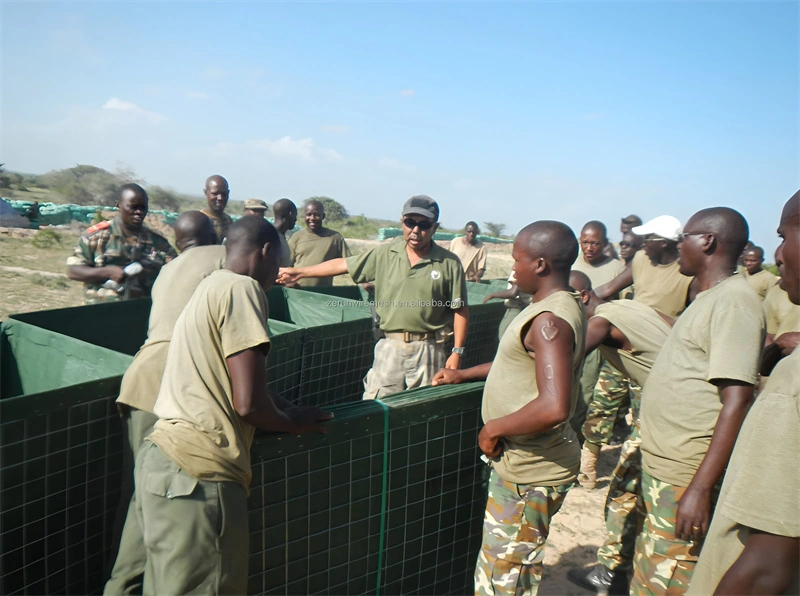
Deployment Speed: How Fill Choice Affects Labor Hours
A sand/gravel mix cuts deployment time by 50% compared to soil, reducing a 10-metre barrier install from 40 minutes to 20 minutes with a standard excavator.
The fill material you choose directly dictates how fast your crew can close a perimeter. For a 10-metre barrier using a standard excavator, the numbers are clear:
-
- Sand/gravel mix: ~20 minutes. This is the benchmark set by major competitors and is achievable with a 1:1 blend.
- Sand alone: ~25 minutes. The extra time comes from the need for light compaction to prevent shifting.
- Soil: ~30–40 minutes. The variability depends on clay content and moisture. Wet soil requires multiple passes to achieve the density needed to prevent differential settling.
The 20-minute sand/gravel benchmark is not aspirational. It is a repeatable outcome when the aggregate is clean and the excavator operator is experienced. Compare that to a six-person sandbag crew, which takes roughly five hours to match the same 10-metre coverage. The labor hour delta is where the real cost leverage is.
The hidden risk with soil is not just the extra 10–20 minutes per barrier. Soil compaction is inconsistent. Differential settling can reduce effective barrier height by up to 10% within 48 hours, meaning you either accept a lower flood wall or send the crew back for a top-up. That second pass doubles your labor cost and introduces a compliance gap if the barrier fails to meet the specified height during an inspection.
For project managers running multiple barriers across a site, the choice is straightforward. Sand/gravel mix delivers the fastest single-pass deployment. Soil is a gamble on weather and compaction that rarely pays off when the clock is running.
Fill Material Availability and Logistics for Australian Sites
On-site soil looks free, but chloride contamination and compaction settling can void your warranty and cost you 10% in barrier height. Clean sand/gravel is the only reliable spec.
Sourcing fill material for a Hesco barrier deployment on an Australian site is rarely as simple as calling the nearest quarry. Three specific logistics hurdles kill project timelines if you haven’t planned for them.
First, sand sourcing. In most Australian states, commercial extraction of sand from riverbeds or coastal dunes requires a specific washing permit to remove silt and organic content. Unwashed sand compacts unevenly and introduces fines that can clog the barrier’s internal geotextile liner. If your supplier doesn’t hold a current wash permit, you’re looking at a 2–3 week delay while you source compliant material. Second, gravel from local quarries. While readily available in metro areas, regional sites often face a $15–$20/m³ surcharge for delivery beyond a 50 km radius. The density advantage (1.8–2.0 t/m³ for a sand/gravel mix) justifies the cost for structural stability, but you need to lock in the order 10 days out to avoid trucking bottlenecks during wet season. Third, on-site soil contamination. This is the hidden trap. Coastal soil fills frequently contain chloride levels above 0.3% by weight. At that threshold, galvanized mesh with a 42-micron coating (the AS 4687-2022 minimum) can begin showing accelerated corrosion within 18 months. Most suppliers won’t warn you about this because they don’t test for it. DB Fencing’s internal spec requires clean sand/gravel for any structural or flood barrier application; using on-site soil voids the manufacturer’s warranty if chloride exceeds 0.2%.
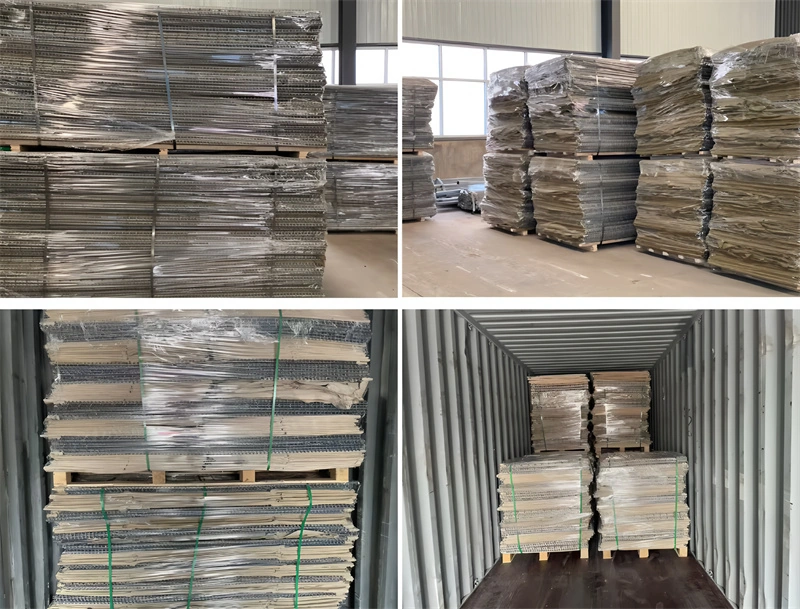
On the logistics side, DB Fencing’s low MOQ of 100 panels directly addresses the cost challenge. A typical Australian construction site needs 80–150 linear meters of Hesco barrier for perimeter flood protection. Buying direct from a manufacturer with a 100-panel minimum means you avoid the 30–40% markup that local distributors add for split-container shipments. With 2,000 sets/week production capacity and 75% of their business going to Australia and New Zealand, DB Fencing already has the shipping lanes and fumigation documentation dialed in. Your real cost risk isn’t the barrier itself—it’s the fill material sourcing delay and the disposal liability if you pick the wrong spec.
| Fill Material | Sourcing Cost (per m³) | Density (t/m³) | Logistics & Compliance Note |
|---|---|---|---|
| Sand | $25 – $40 | 1.6 – 1.8 | Requires washing permits in many AU states; high chloride risk in coastal zones. |
| Gravel (Clean) | $40 – $60 | 1.8 – 2.0 | Readily available from metro quarries; superior drainage; no compaction settling. |
| On-Site Soil | $0 – $15 | 1.2 – 1.6 | Lowest cost but high chloride/organic risk; may void AS 4687 warranty. |
| Sand/Gravel Mix | $30 – $50 | 1.8 – 2.0 | Best cost-strength balance; $97/m installed; 20-min fill per 10m with excavator. |
Fill Material Disposal and Sustainability Considerations
Sandbags cost $45 per linear meter to dispose of. Hesco barriers cost $0 because the steel is reusable and the fill material is returned to the ground.
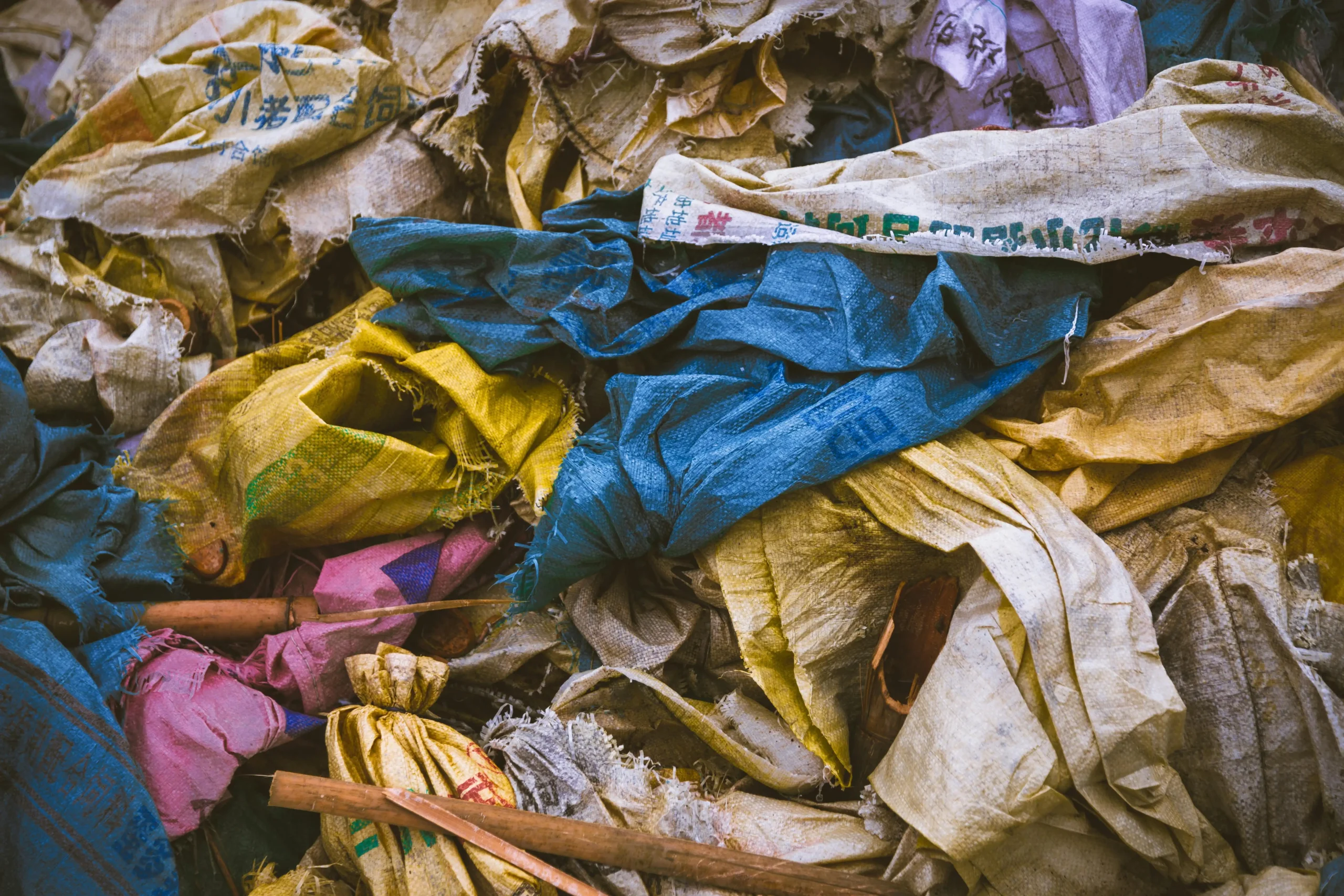
The disposal cost difference is not a minor line item—it is a structural budget risk. A 100-meter sandbag wall will cost you $4,500 to remove and haul to landfill. The same length of Hesco barrier, filled with clean sand or gravel, leaves zero waste. The steel baskets collapse flat for return to the depot or scrap recycling, and the fill material is either reused on site or spread back into the landscape.
The sustainability argument is straightforward. Single-use sandbags are polypropylene or hessian. Once contaminated with silt, hydrocarbons, or flood debris, they are classified as contaminated waste. A galvanized steel Hesco barrier, by contrast, is a capital asset. DB Fencing’s hot-dipped galvanized coating (≥42 microns per AS 4687-2022) gives the mesh a service life that spans multiple deployments. When the barrier finally reaches end-of-life, the steel is 100% recyclable through any Australian scrap metal processor.
For project managers tracking ESG KPIs and net-zero targets, the math is clean:
-
- Waste diversion: Hesco barriers generate zero landfill waste per deployment cycle. Sandbags generate 100% waste.
- Embodied carbon: Reusing the same steel basket 5–10 times amortizes the manufacturing carbon across multiple projects. Sandbags are single-use plastic.
- Reporting: Recycled steel content and on-site fill material reuse are auditable data points for ISCA Infrastructure Sustainability ratings or Green Star submissions.
The hidden trap is soil disposal. If you used on-site soil as fill and it contains chlorides or organics, you cannot simply spread it back. That material must be tested and potentially removed as controlled waste—adding $20–$40 per tonne in disposal fees. Clean sand or gravel avoids this entirely. The fill goes back where it came from, and the steel goes to the recycler. No skip bins, no weighbridge tickets, no compliance paperwork for contaminated waste.
| Disposal Aspect | Sandbags | Hesco Barriers (Steel Baskets) | Environmental Benefit |
|---|---|---|---|
| End-of-Life Cost | $45 per linear meter | $0 per linear meter (reusable) | Zero landfill waste; steel is 100% recyclable |
| Material Recyclability | Single-use; polypropylene bags not biodegradable | Hot-dipped galvanized steel (≥42 microns) fully recyclable | Supports circular economy and net-zero targets |
| Fill Material Reuse | Contaminated fill must be disposed of as waste | Clean sand/gravel can be reused on-site or repurposed | Reduces demand for virgin aggregate extraction |
| Compliance Risk | No AS 4687-2022 certification; fines for non-compliance | AS 4687-2022 compliant; ISO9001/SGS certified | Eliminates rework costs and regulatory penalties |
| Carbon Footprint | High transport emissions from single-use logistics | Collapsible design reduces shipping volume by 80% | Lower Scope 3 emissions per project lifecycle |
Conclusion
Choosing the right fill material for your Hesco barrier isn’t a minor procurement detail — it directly impacts deployment speed, structural integrity, and compliance with AS 4687-2022. Clean sand or gravel mix delivers the best cost-strength balance at $97 per linear meter, avoids the hidden corrosion risks of coastal soil, and eliminates the disposal costs that sink sandbag budgets.
Review the Hesco barrier sizes and galvanized specs on the product page to match your project’s flood or security requirements. That data will lock in the right fill choice before you submit your procurement order.
Frequently Asked Questions
What are Hesco barriers filled with?
Hesco barriers are typically filled with sand, gravel, soil, or a sand/gravel mix. The best choice depends on your site’s need for cost, structural stability, and deployment speed. Match the fill to your project’s specific performance requirements.
Are Hesco barriers better than sandbags?
Yes, Hesco barriers offer a better cost-strength balance, costing roughly $97 per installed linear metre compared to $185/m for sandbags. They also deploy faster and provide superior structural integrity for flood and security. Choose Hesco barriers for faster, more cost-effective large-scale protection.
What is the Hesco barrier filling material?
The most common filling materials are sand, gravel, soil, or a sand/gravel mix. A sand/gravel mix is often recommended for the best balance of cost, drainage, and structural stability. Confirm material availability and site conditions before selecting.
What are the different types of Hesco barriers?
Hesco barriers vary by size, cell configuration, and fabric type, but the core design is a collapsible wire mesh container lined with fabric. The primary differentiator for performance is the fill. Select the barrier size based on your required height and length.
What is the best fill material for Hesco barriers?
A sand/gravel mix is the best fill material for most Australian sites, offering the best cost-strength balance at roughly $97 per installed linear metre. It provides superior drainage and structural stability compared. Verify local quarry supply and compaction requirements for your site.