Skip to content
hesco barrier factory audit is the first checkpoint buyers should lock before they approve a supplier, budget, or production slot. Picture this: a distributor in Brisbane receives a 500-set bulk Hesco barrier order for a coastal flood protection project. The FOB pricing looked solid. The sample approval went through three rounds. But when the container arrives, the weld joints on the gate frames snap under a static load test. That $50K order just turned into a liability negotiation with the site contractor. That scenario plays out more often than most buyers admit. A Hesco barrier factory audit is the only way to catch a mismatch between sample quality and mass production output before funds hit the supplier’s account.
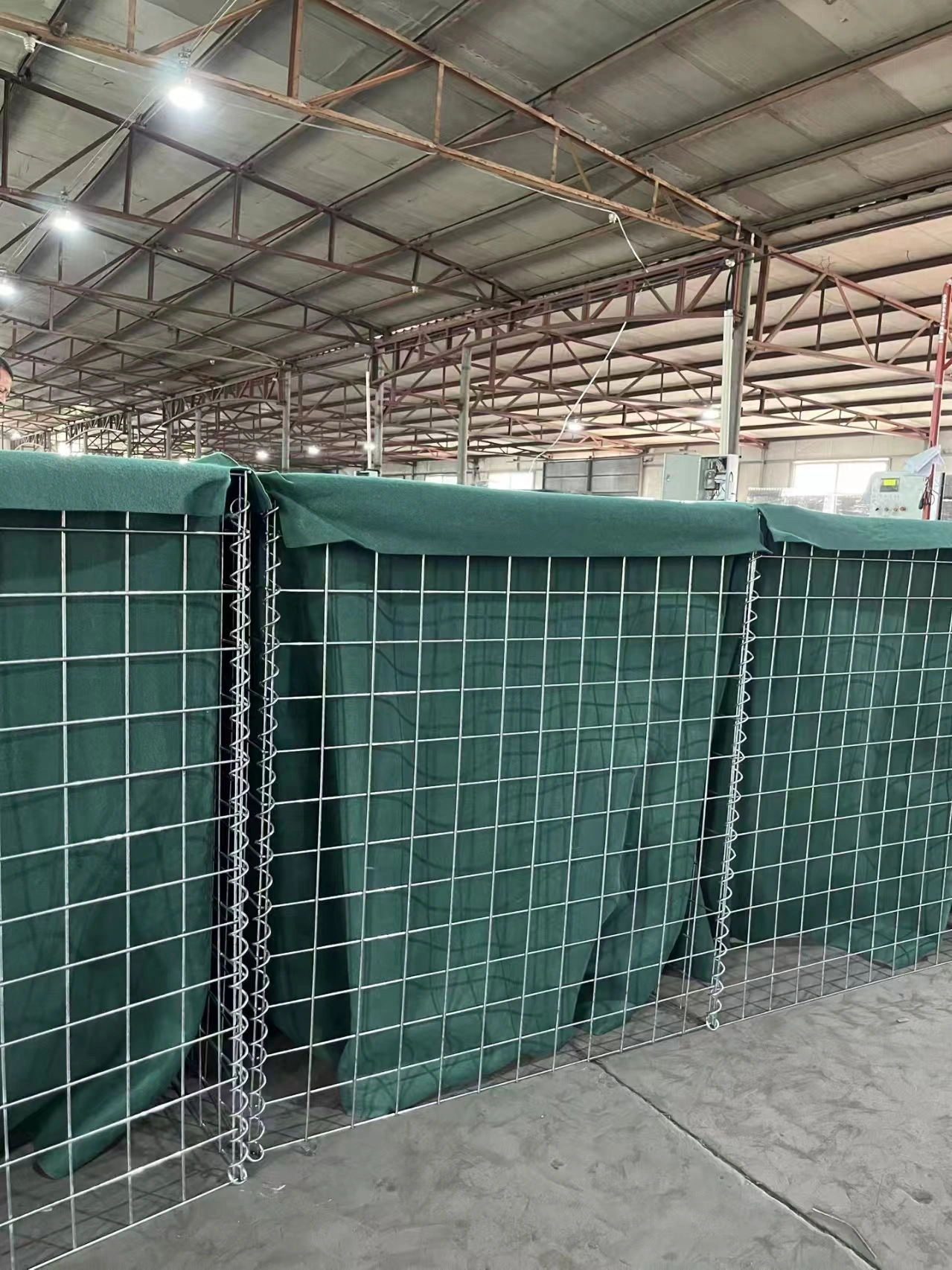
The reality is, Anping County in China produces the majority of wire mesh products globally. But not every factory there runs the same operation. Some rely on manual tack welding and source their plastic feet from a middleman. Others, like DB Fencing, operate 10 welding lines, own their plastic injection process, and ship to standards like AS 4687-2022. The difference is consistency. When you’re committing to a container load—1,000 panels with a tight 45-day lead—a factory audit for Hesco barriers China becomes a competitive advantage, not a bureaucratic checkbox. You want to know if the supplier can hold a 4.0mm wire diameter across the entire batch, or if they shave 0.3mm to hit a lower quote.
Skipping this step costs time and money. The following seven audit checks separate a reliable partner from a problematic vendor. These apply whether you’re vetting anISO 9001 certifiedHesco barrier factory for the first time or revisiting a current supplier’s capabilities.
Why Factory Audits Are Non-Negotiable for Bulk Hesco Buyers
Skipping a factory audit can turn a $50K order into a $200K liability.
A bad Hesco barrier supplier doesn’t just deliver subpar panels — it hands you project delays, contract penalties, and safety liabilities. In one instance, a 500-set order arrived with wire diameters 0.5mm thinner than the spec sheet claimed. That gap turns a 4‑foot barrier into a collapse risk under flood pressure. If your buyer’s site inspector catches it, you’re paying for emergency replacement, idle labor, and lawyer fees. One Australian distributor lost a $1.2M contract because a single panel failed an AS 4687 field test — all because the factory had skipped weld‑strength verification on the bulk run.
The real cost of a bad supplier is never the price of the panels — it’s the downtime, the re‑certification fees, and the loss of repeat business. And that’s exactly why a factory audit isn’t a nice‑to‑have; it’s a risk‑management prerequisite for any bulk Hesco barrier order.
-
- ISO 9001:2015 – validity check: Many suppliers wave a certificate that expired six months ago. Pull the cert number and verify via the issuing body’s online portal. A factory that can’t maintain its own QMS will struggle to maintain your quality tolerance.
- SGS or TÜV galvanizing test report: Hot‑dipped galvanizing must exceed 42 microns. Ask for the actual coating‑thickness gauge readings from the last three production runs. If they can’t produce them, assume the coating is thinner than spec — that means rust within 18 months in coastal environments.
- AS 4687‑2022 compliance certificate (AU/NZ shipments):This is non‑negotiable for Australian and New Zealand projects. A reliable factory will offer to courier a sample panel set for your own AS 4687 testing. If they hesitate or offer only a photo of a certificate, treat it as a red flag. Counterfeit certs that looked identical until the panel failed a fold test have been observed.
7 Audit Checks to Perform
Most factory tours are staged.
A Hesco barrier factory audit isn’t about counting machines—it’s about catching the shortcuts that lead to field failures. Here are the seven checks that separate reliable suppliers from the rest.
-
- Check 1: Welding Line Capacity and Automation: Count the number of automated welding lines. A factory with 10 lines (like DB Fencing) can handle 2,000 panels per week without quality drops. Manual welding introduces inconsistent penetration—ask to see weld cross-sections from the last batch. Pull a micrometer on the mesh wire diameter; it’s common to find 0.5mm less than the spec sheet.
- Check 2: Galvanizing Bath Quality: Hot-dip galvanizing must exceed 42 microns. Request a coating thickness gauge reading during the tour. Electro-galvanizing flakes within 18 months outdoors. A quick visual: hot-dip has a matte gray finish; electro is shiny.
- Check 3: Geotextile Liner Sourcing: Ask for the UV resistance grade. Liners rated below 3000 hours will degrade within one season. Verify the factory has a secondary supplier—single-source dependency is a red flag for bulk orders.
- Check 4: Customization Capabilities: Does the factory own its plastic feet injection machine? Many Anping factories outsource this, adding 15–20% cost and lead time. DB Fencing owns theirs, ensuring consistent color and strength. Also check MOQ for custom logo printing: 100 panels is the industry minimum.
- Check 5: Export Documentation History: Ask for a sample Bill of Lading for a shipment to Australia or New Zealand. The factory should have experience with AS 4687 compliance paperwork. Missing fumigation certificates can delay containers at port for weeks.
- Check 6: Lead Time and Buffer Stock: For a 500-panel order, confirm production lead time (typical: 20 days from deposit). Ask about buffer stock policy—does the factory keep raw wire in stock for urgent orders? Flood season demand spikes require a minimum 20% capacity buffer.
- Check 7: After-Sales Support: Warranty on galvanizing should be at least 2 years. Request the replacement policy for transit damage. A reliable factory will offer to courier a sample panel set for your own AS 4687 testing—if they hesitate, consider it a red flag.
Red Flags That Kill a Deal
Paperwork is the supplier’s most revealing product.
When a seller dodges documentation requests — no ISO 9001 validity check, no SGS galvanizing test report, no bill of lading from a prior AU shipment — treat that as a deal breaker. Every legitimate Hesco barrier factory in Anping can produce these within 24 hours. The ones who can’t are either subcontracting from a third workshop or running a trading desk without factory control.
-
-
- What to demand: ISO 9001:2015 certificate (check expiry date on the issuing body’s portal). SGS or TÜV report showing hot-dip galvanizing thickness ≥42 microns. AS 4687-2022 compliance certificate if targeting Australia. Customs clearance records for the last three container shipments.
- What silence means: No paper often means no production line. You’re paying for a factory that doesn’t exist.
-
Then there’s the ‘ITAR‑free’ label. Some Chinese Hesco suppliers throw this in to sound military‑grade. Reality check: ITAR (International Traffic in Arms Regulations) only covers US defense articles listed on the US Munitions List. Hesco barriers — welded wire mesh with geotextile liner — are not ITAR‑controlled unless specifically designed for weapon systems. A seller touting ‘ITAR‑free’ is either ignorant or hoping you won’t question it. Neither inspires confidence for a bulk order.
-
- The real test: Skip the buzzwords. Ask for a micrometer measurement of the wire diameter on a random mesh sample. Industry data shows 0.5mm shortfall is common — that’s a 15% strength loss hidden in the spec sheet.
- Better question: ‘What is your wire gauge tolerance per your quality control log?’ A factory that records actual numbers won’t hide behind vague military claims.

How to Request and Evaluate Samples
A sample that passes your bench test prevents costly field failures.
Any Hesco barrier factory should offer to courier a full sample panel set, including geotextile liner and plastic feet, for your own AS 4687 compliance testing. If they hesitate or demand payment for the sample itself (not just shipping), consider it a red flag. You need physical evidence before committing to a bulk Hesco barrier order.
-
- Weld strength: Apply a lever test on random mesh intersections. Use a torque wrench set to 50 N·m and see if the weld holds. Many Chinese Hesco factories use 0.5mm less wire diameter than advertised; a micrometer check on the mesh wire during the sample audit reveals this instantly.
- Foldability: Fold and unfold the hinge joint five to ten times. The weld should not crack, and the wire should return to shape. Poor foldability indicates brittle galvanizing or inconsistent heat treatment, which leads to panel failure on site.
- Wire gauge tolerance: Measure wire diameter at multiple spots with a micrometer. The spec sheet says 4.0 mm, but you often get 3.5 mm. That 0.5 mm gap reduces load capacity by roughly 20%.
- Galvanizing thickness: Use a coating thickness gauge on the wire and frame. Hot-dipped galvanizing should read above 42 microns. If the sample reads below 30 microns, skip the supplier.
Sample shipment cost ranges from $300 to $600 for a full panel set, door-to-door. That is a small fraction of a bulk Hesco barrier order. If a supplier charges more than $1,000 or insists you pay for the panel itself, you are dealing with a trading company, not a factory. A Hesco barrier factory with a proper audit trail will absorb the product cost and only ask for freight.
Final Checklist Template for Your Next Supplier Visit
Bring a micrometer and a coating thickness gauge.
A checklist for aHesco barrier suppliervisit isn’t about ticking boxes—it’s about confirming that what’s promised on the quote matches what’s actually produced. Over the years, distributors have been seen signing off on orders only to discover after shipping that the wire gauge was 0.5mm thinner than spec, or the galvanizing was electro-plated instead of hot-dipped. Here’s the checklist used when walking a factory floor in Anping, tailored for bulk buyers.
-
- Wire Gauge Tolerance Check: Use a digital micrometer on the mesh wire at three random points. DB Fencing’s standard for heavy-duty Hesco panels is 4.0mm. Many factories in Anping quietly drop to 3.5mm to save raw material cost—that reduces structural load capacity by roughly 20%. Insist on seeing the wire spools and matching them against the production batch number.
- Galvanizing Method & Thickness: Request a coating thickness gauge reading on the finished panels. Hot-dipped galvanizing (HDG) should show >42 microns per the AS 4687 requirement for outdoor durability. Electro-galvanized panels will read under 15 microns and fail salt spray testing within 48 hours. DB Fencing’s internal standard is 45–50 microns for all Hesco export orders. If the supplier can’t produce a thickness log from the last production run, walk away.
- Welding Line Automation & Consistency: Count the number of active welding lines. DB Fencing runs 10 lines, enabling consistent output of up to 2,000 sets per week. Manual welding stations produce uneven weld penetration—check for burn-through or cold welds by asking for a destructive test on a sample panel. A robotic line will show uniform weld spacing; manual lines nearly always show variation that compromises panel foldability during deployment.
- Geotextile Liner Sourcing & UV Grade: Ask for the geotextile supplier name and UV resistance rating. Liners stored outdoors in Anping’s sun degrade quickly if not UV-stabilized. DB Fencing sources liners with a minimum 500-hour UV test rating. Verify the liner weight in grams per square meter—lighter liners (under 150 gsm) tear during filling. A single-source supplier for liners is a risk; prefer factories that have at least two approved backup suppliers.
- Plastic Feet Mold Ownership: In Anping, most fence factories outsource plastic feet production. DB Fencing is one of the few that owns its own injection mold machine, supplying even other local vendors. If the factory doesn’t have an in-house plastic feet line, ask for lead time on replacement feet—outsourced molds create a bottleneck that can delay urgent orders, especially during flood season.
- Sample Testing Protocol: A reliable factory will courier a sample panel set for you to test independently to AS 4687, including weld strength and fold/unfold cycles. If the supplier hesitates to provide samples or charges an excessive fee, treat it as a red flag. DB Fencing routinely ships sample panels to distributors in Australia, New Zealand, and North America for pre-order verification. Expect no more than a 5-day turnaround on sample requests.
- Certifications: Live, Not Expired: Check the validity of the ISO 9001:2015 certificate—ensure it covers the specific product scope (e.g., wire mesh, temporary fencing). Many expired certificates are recycled by bad actors. Request the SGS or TÜV test report for galvanizing, referencing the same batch you intend to buy. For AU/NZ buyers, the AS 4687-2022 compliance certificate must list the exact panel dimensions and wire gauge. DB Fencing holds both current ISO 9001 and SGS reports for its full product range.
- Export Documentation Readiness: Ask to see copies of recent bills of lading for destinations matching your market—Australia, Canada, or the Middle East. The supplier should have experience with Australian customs clearance, including fumigation certificates and packing declarations. A factory that only ships domestically will struggle with export documentation, causing port delays. DB Fencing has a dedicated export team that handles all paperwork for 75% of its volume going to AU/NZ.
Print this checklist before you step into the factory. Trust the numbers on the micrometer, not the words in the sales pitch. The difference between a reliable production run and a costly mistake is often the 0.5mm you didn’t check.
Conclusion
Skipping the factory audit on your first Hesco barrier order is a gamble that doesn’t pay off. Three years after installation, a sub-42 micron galvanized coating will start to flake in a coastal environment. By the fifth year, you are looking at a 40% cost overrun on replacements—not because the product failed, but because the supplier cut the spec on the wire gauge or the geotextile weight. Those seven checks are not bureaucratic overhead. They are the difference between a 15-year barrier lifecycle and a 5-year write-off on a bulk FOB order that looked cheap at the quote stage.
Before you commit to a container load, run your supplier through the checklist. If the sample approval process or the certification paperwork creates friction, walk. The cost of bad Hesco is not just the purchase price. It is the project delay, the damage to your reputation with the civil engineering firm, and the rush order premium you will pay to fix it. Verify the factory now, or pay the difference later. Review the product range and spec sheets for options that match your quality tolerance.
Frequently Asked Questions
What are key audit checks for a Hesco barrier factory?
Check welding line capacity, galvanizing bath quality, geotextile liner sourcing, customization capabilities, export documentation, lead time, and after-sales support. For Australian buyers, prioritise AS 4687 compliance and hot-dip galvanizing above 42 microns. Start with welding capacity and galvanizing thickness.
How do I verify galvanizing quality on Hesco barriers?
Request SGS or TÜV test reports showing hot-dip galvanizing thickness above 42 microns. Visual identification: hot-dip has a matte, rough finish vs. Ask for the coating thickness gauge report before sampling.
What certifications should a Hesco barrier supplier have?
A valid ISO 9001:2015 certificate and AS 4687-2022 compliance for Australia/New Zealand markets. Also look for SGS test reports on galvanizing to confirm the 42-micron minimum. Verify the certificate expiry date and scope.
How can I check a factory’s export history for Hesco barriers?
Ask for bill of lading samples for recent shipments to Australia or New Zealand. A supplier like DB Fencing with 14 years of export experience and 75% AU/NZ business can provide clear customs. Request three recent BOLs and a customs clearance reference.