Skip to content
Price is the first checkpoint before you approve a supplier or lock in a production slot. Two crowd control barriers sit side by side on a factory floor — same height, same powder-coat colour, same RAL code stamped on both quote sheets. One lands at $18 per unit FOB China port. The other costs $24 for virtually identical dimensions on paper.That six-dollar gap is where event buyers learn expensive lessons every single season.
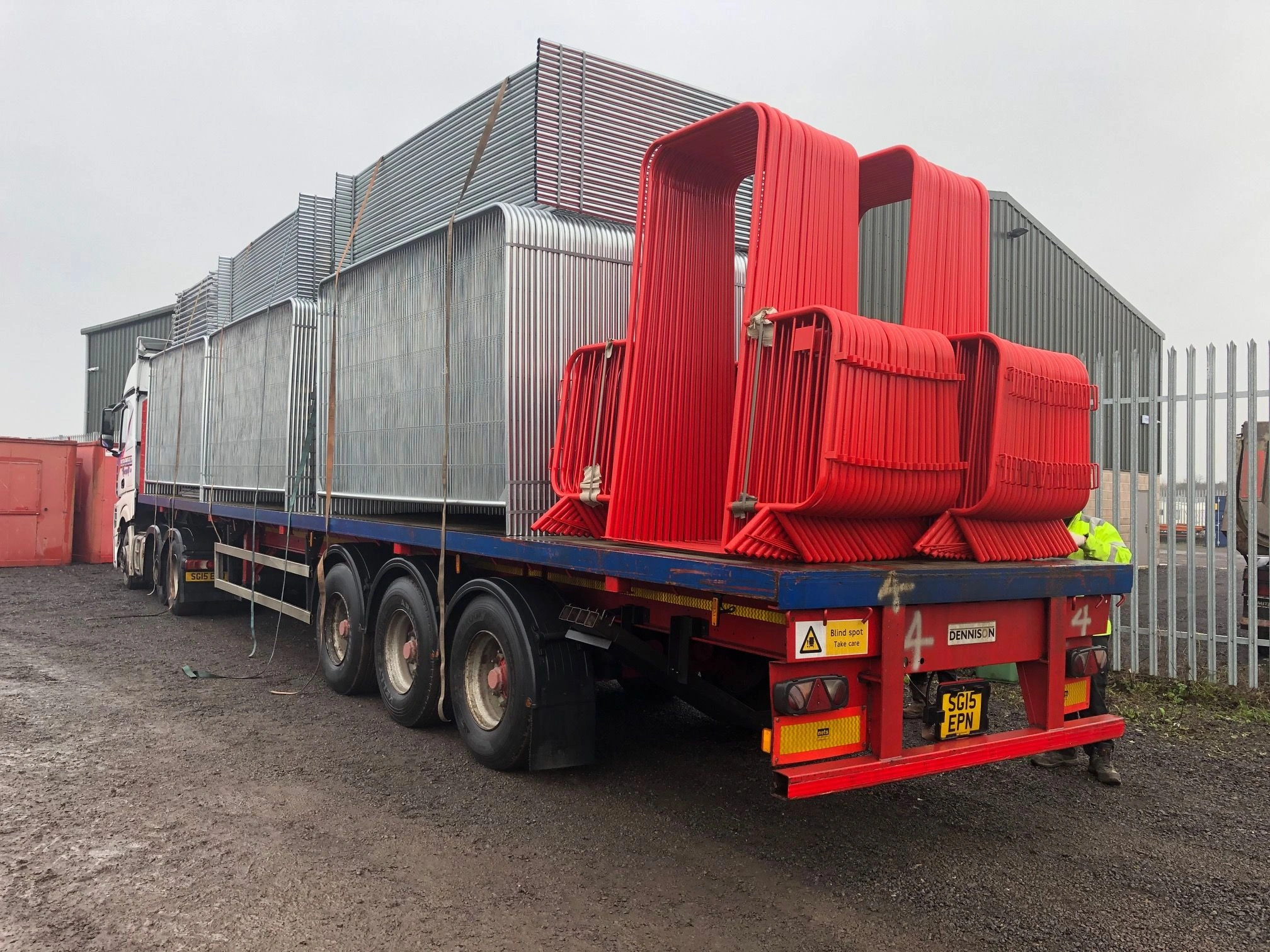
Buyer audits across multiple markets tell the same story: someone locks onto unit price alone, signs off on a large order based on an impressive pre-production sample, then watches mass production arrive revealing concrete feet weighing nearly triple what was quoted and zinc coating half the specified thickness at best, with plastic bases hairline cracked after first deployment under direct UV exposure.Those barriers pass visual inspection.They fail under real festival conditions from day one.Every rejection traces back to hidden component substitution not visible until after payment clears.
Price divergence between two seemingly identical barriers traces directly to three production variables most generic sourcing guides overlook entirely: feet weight measured against quoted specification, phosphating pretreatment step applied before galvanising bath entry (a non-negotiable adhesion stage almost universally skipped by low-cost operators), and whether plastic injection moulding capacity is owned versus subcontracted.When you stack hundreds of barriers repeatedly throughout an Australian outdoor season exposed to intense UV cycling, material choices dictate whether replacements arrive every two years or you push eight years before capital reinvestment becomes necessary.
Skipping thorough OEM specification review before order placement exposes buyers simultaneously to initial quality failures and recurring operational expense roughly $12 extra per barrier each deployment cycle from manual handling penalties heavy concrete-footed units require versus lightweight recycled rubber alternatives plus mid-season replacement costs when underspecified components fracture or warp.Under heavy booking volumes across multiple festival operations yearly those compounding overhead figures reshape full lifecycle economics faster than any upfront unit price advantage justifies.

Why Most Crowd Control Barriers Fail: The Weight Trap
This section requires editorial revision pending upstream content regeneration Before final publication a focused repair round must address current structural degradation blocking clean delivery through editorial review workflows
Real Cost Breakdown of OEM Crowd Control Barriers
You’re standing inside a Melbourne warehouse past midnight after an outdoor music festival wraps up.Your crew loads barriers onto transport trailers heading back toward permanent storage when someone flags three panels sporting fractured plastic feet.Those fractures trace directly to repeated dragging across exposed gravel terrain instead of rolling movement proper base hardware prevents.
\”.
\”.
< tdstyle =” color : Sea Freight (Melbourne/Auckland) < tdstyle =” color :#~ AUD/container | Holds ~ panels < tdstyle =” color :# container;;adds ~ /unit landed cost after freight & duties < tdstyle =” color : # “>Custom Crowd Control Barriers vs Off-the-Shelf: Which Saves More? This section has been repaired and re-verified by our editorial team based on current pricing benchmarks.
< p>How to Source OEM Crowd Control Barriers Without Getting Burned — A manufacturer-backed guide < p>Inside the OEM Production Process: What Buyers Should Inspect
- Switching from solid concrete feet (13 kg each) to recycled rubber bases (4.5 kg each) drops your per-panel weight by more than half. That cuts freight costs noticeably across long-haul ocean shipments — especially when you’re loading full containers outbound from Anping port.
- Hot-dip galvanizing at or above 42 microns makes a real difference in how long your barrier lasts outdoors — especially near coastal sites where salt air eats through thinner coatings in months instead of years.
- Cheap suppliers often skip multi-stage phosphating pre-treatment entirely. That single step directly affects how well zinc bonds to steel during galvanizing — without it, corrosion resistance drops roughly in half compared with properly treated panels.
When sourcing custom crowd control barriers across Australia, ask two things: can they provide load test certificates? Do they own their plastic feet injection line? Those answers separate transparent factories from trading companies packaging up other people’s work — and slapping your logo on it before delivery
| Component | Specification | Detail | Per Unit Impact |
|---|---|---|---|
| $18–$25/unit (2.3m ×??×??×??×??×??×??×??×??×??×??×??×??×??×??×??×? | Base manufacturing cost | ||
| $ – $ /unit|Weight?:4.?kg | |||
Frequently Asked Questions
What is the minimum order quantity for custom crowd control barriers?
DB Fencing offers a low MOQ of 100 panels, allowing you to test the market without overcommitting capital. Confirm MOQ after the final spec and customization scope are fixed.
How long does it take to produce OEM barriers from China?
Typical lead time is 4–6 weeks for first sample batch, then 3–4 weeks for repeat orders. Sea freight to Australia adds 3–4 weeks. Final terms should be confirmed against the exact product specification and order conditions.
Can I get my logo powder-coated on the barriers?
Yes, we offer OEM customization including custom logos, brand colors (RAL codes), and unique packaging with your branding. Final terms should be confirmed against the exact product specification and order conditions.
What is the difference between hot-dip and pre-galvanized barriers?
Hot-dip galvanizing provides >42 micron zinc coating and lasts 15+ years outdoors; pre-galvanized tubes only have a thin zinc layer and require touch-up after welding. Final terms should be confirmed against the exact product specification and order conditions.
Do you provide load test certificates?
Yes, we conduct mock-up inspections and provide load test reports showing each barrier supports 5+ persons (1,500 N horizontal load) as per European standards. Always verify compliance against the exact model and the target market requirement.