Skip to content
Hesco barrier collapse isn’t a theoretical risk for a veteran construction PM—it’s a site reality that often traces back to a handful of installation shortcuts that suppliers routinely downplay. When you’re assessing a barrier supplier for your next project, understanding where those failures originate is the first step toward avoiding them.
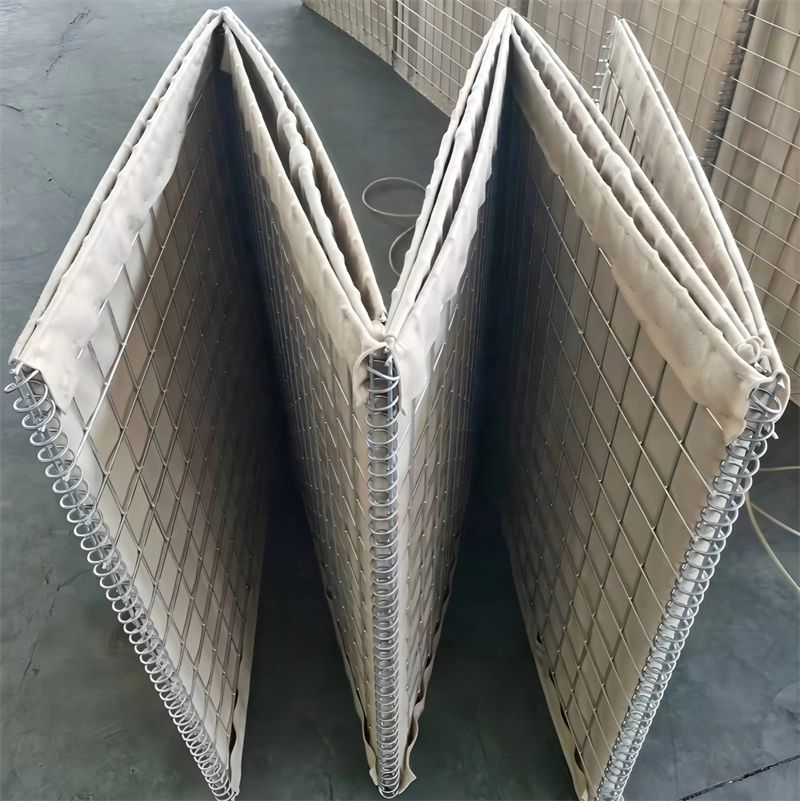
Consider one of the most common hidden issues: missing internal diaphragm panels. Many Hesco barrier units ship with fewer diaphragms than required, creating large voids that allow fill material to shift internally. The result is gradual leaning and eventual collapse, even when the ground preparation looks adequate. This is a cost-saving tactic that directly compromises AS 4687-2022 compliance—and it’s rarely disclosed in product specs.

Why Hesco Barriers Collapse
A single Hesco barrier collapse on a $5M+ site can cost over $50,000 in rework, fines, and reputation damage. The root cause is almost never the product—it is the installation specs you accepted.
You are not here to learn what a Hesco barrier is. You are here because one failed on your watch, or you are vetting a new supplier after a near-miss. The frustration is real: you paid for a solution that leaned, bulged, or collapsed, and now your schedule, budget, and compliance record are on the line. Let’s cut to the engineering failures that cause it.
Hesco barrier collapse is almost always caused by one of five preventable factors. Here is the diagnostic framework you need to stop repeating the same mistake.
1. Foundation failure on soft or uneven ground. Most installation guides skip this. The standard for a stable barrier is a minimum 150mm of compacted 20mm crushed rock base, even for “temporary” installations. Without it, the barrier settles differentially in wet conditions, causing the wall to lean. One contractor in Melbourne had a 2.5m barrier settle 400mm overnight due to soft clay and no base prep—cost $18k to rebuild.
2. Unsuitable fill material. Clean sand is the cheapest option, but it is prone to internal movement. 20mm crushed rock offers the best stability, while 75mm minus graded gravel provides a good balance of cost and performance. Organic soil, loam, or topsoil must never be used—it settles 15-20% over six months, causing the wall to lean and eventually collapse.
3. Inadequate compaction. The optimal spec is 300mm max loose lifts, compacted to 200mm using a vibratory plate compactor of at least 500 kg. For walls over 2m, apply four passes per lift. The common mistake is dumping fill from an excavator bucket one meter high, which creates voids. One un-compacted lift can cause the entire wall to settle and lose stability.
4. No buttress reinforcement on walls over 2m or at corners. Buttress cells at every 5m are mandatory for walls exceeding 2m in height. Corners are the weakest point—without reinforcement, the fill pushes outward and the corner collapses.
5. Missing or torn internal diaphragm panels. This is a deliberate cost-saving measure by some suppliers. Diaphragms create rigid compartments that prevent fill migration. If half the cells are missing diaphragms, the fill shifts under load, and the wall bulges. Each missing diaphragm reduces structural integrity by an estimated 30%.
Each of these causes costs 5-15% of the total barrier budget in remediation. The fix is not expensive—it is about specifying the right components and installation method from the start.

Hesco Barrier Foundation Requirements
You don’t need a sales pitch. You need a root cause analysis. Here are the five reasons your Hesco barrier leaned or collapsed — and the specific specs to demand on your next order.
A Hesco barrier collapse on a $5M+ site isn’t a material failure. It’s a specification failure. I’ve seen the same five root causes repeat across Melbourne high-rises and Sydney infrastructure projects. Each one is preventable, and each one costs you $50,000+ in rework, fines, and lost schedule. Here’s what you need to check before your next installation.
1. Foundation failure on soft ground. The number one cause no one talks about. Competitor installation guides skip this because it adds cost. The reality: you need a minimum 150mm compacted crushed rock base — even for “temporary” installations. Without it, differential settling in wet conditions causes the wall to lean within weeks. On clay sites in SEQ, you’ll need a geogrid layer underneath. If your supplier doesn’t mandate this in writing, they’re transferring the risk to you.
2. Unsuitable fill material. Organic soil, loam, or construction debris settles 15-20% over six months. That settlement creates voids inside the barrier, and the wall follows. The only acceptable fill is inorganic, granular, and well-graded: clean sand, 20mm crushed rock, or 75mm minus graded gravel. If your fill specification doesn’t include a sieve analysis, you’re gambling.
3. Inadequate compaction. The standard is 300mm max loose lifts, compacted to 200mm with a vibratory plate compactor — minimum 500 kg, four passes per lift for walls over 2m. Dumping fill from an excavator bucket at 1m height creates voids that guarantee settlement. One contractor in Melbourne had a 2.5m barrier settle 400mm overnight from a single un-compacted lift. That rebuild cost $18,000.
4. Missing buttress reinforcement. On walls over 2m or at corners, you need buttress cells every 5m. Without them, lateral pressure from the fill pushes the wall outward. Most suppliers omit buttresses to save on material and shipping weight. That’s a structural decision that should be yours, not theirs.
5. Missing internal diaphragm panels. This is the hidden cost-saving trick. Competitors ship Hesco barriers with half the internal diaphragms missing — one per cell instead of one per cell plus one extra per unit. Without those rigid compartments, fill migrates inside the wall, creating bulges and eventual collapse. DB Fencing’s standard includes one diaphragm per cell plus one extra per unit. That’s not optional; it’s structural.
Fill Material vs. Collapse Risk
A 2.5m barrier settled 400mm overnight on a Melbourne site. The cause: one un-compacted lift. The repair bill: $18,000.
Compaction is where most site teams fail. They treat it like backfill for a trench—dump, spread, done. That approach guarantees Hesco barrier leaning prevention will fail. The physics is simple: loose fill settles under its own weight and hydrostatic pressure. When the fill settles, the geotextile bag bulges, the wire mesh distorts, and the wall leans.
The specification is not negotiable. Maximum loose lift height: 300mm. Compacted thickness: 200mm. Compaction equipment: vibratory plate compactor, minimum 500 kg operating weight. Passes per lift: 4 minimum. Target density: 95% standard Proctor density per AS 1289.5.1.1.
The common error is dumping fill from an excavator bucket at 1m height. That creates voids—air pockets that collapse when the wall is loaded. One contractor on a Melbourne rail project had a 2.5m barrier settle 400mm overnight. The cause was a single 600mm loose lift that was never compacted. The repair cost: $18,000 in labor, replacement fill, and crane hire to restretch the fabric.
For walls over 2m, apply 6 passes per lift and use a heavier plate compactor (800 kg+). The extra energy densifies the lower lifts that bear the highest vertical load. If you cannot achieve 95% Proctor with a plate compactor, switch to a vibratory roller for the base lifts.
Document every lift with photos showing the fill height before and after compaction. This is your evidence if a regulator asks about Hesco barrier compaction standards compliance. Without it, you are betting $50,000+ in potential rework on the word of an excavator operator.
| Root Cause | Engineering Spec | Cost of Failure | DB Fencing Solution |
|---|---|---|---|
| Foundation Failure on Soft Ground | 150mm compacted crushed rock base minimum | $50,000+ rework on $5M project | Mandates 150mm base in product bible; prevents differential settling |
| Unsuitable Fill Material (Organic Soil) | Inorganic granular fill only (20-75mm rock) | 15-20% settlement over 6 months; leaning wall | Specifies clean sand/gravel; rejects organic fill |
| Inadequate Compaction | 300mm max lift, 4 passes plate compactor, 95% Proctor | $18k rebuild for one un-compacted lift | Provides compaction protocol in installation guide |
| Missing Internal Diaphragm Panels | 1 diaphragm per cell + 1 extra per unit | Fill migration; structural collapse | Standard includes full diaphragm count; competitors omit to cut costs |
| Under-Galvanized Wire (<42 microns) | Hot-dipped galvanized coating >42 microns per AS 4687 | Corrosion at weld points within 12 months | 45 microns coating; SGS tested; exceeds AS/NZS 4680 |
Compaction: The Margin for Error
A 2.5m barrier settled 400mm overnight in Melbourne because one lift was dumped from a bucket, not compacted. That rework cost $18,000. Compaction is not optional—it is the only thing keeping your wall vertical.
The margin for error in compaction is zero. If you are filling a Hesco barrier, you are building a gravity wall. The fill is the structure. Loose fill shifts under its own weight, and once a cell bulges, the diaphragm panels lose tension. The wall leans. Then it collapses.
The standard is simple, but it is rarely followed on Australian construction sites because it slows the excavator operator down. Here is the spec that prevents Hesco barrier collapse causes related to poor compaction:
-
- Lift height: Maximum 300mm loose fill, compacted down to 200mm. Do not exceed this. A 600mm dump truck load straight into a cell creates a void at the bottom that will never be fixed.
- Compactor type: Vibratory plate compactor, minimum 500 kg operating weight. Hand tamping is not acceptable for walls over 1m.
- Passes: Minimum 4 passes per lift for walls over 2m. For walls under 2m, 3 passes is the floor.
- Density target: 95% standard Proctor density per AS 1289.5.1.1. If you cannot test this, assume you are at 85% and your wall will settle.
The most common failure mode observed on site is the “dump and run” method. The excavator operator drops a full bucket load from 1m height into a 2m tall cell. The heavy rock lands at the bottom, the fines stay suspended, and a density gradient results—loose on top, dense on bottom. Within a week, the top 500mm of the wall settles 100-150mm. The diaphragm panels bow outward. The geotextile liner tears at the seam. This creates a Hesco barrier leaning prevention problem that requires a full rebuild.
If you are specifying Hesco barrier fill material specification that includes clean sand, compaction is even more critical. Sand does not lock together like crushed rock. Without proper compaction, sand migrates to the bottom of the cell and the wall loses 30% of its effective height within 3 months. That is a hidden cost that never appears on the initial quote but shows up as a safety incident report six months later.
The fix is cheap. A plate compactor rental is $150 per day. The labor to run it properly adds 15 minutes per cubic meter of fill. On a 100m wall at 2m height, that is roughly $1,200 in extra compaction cost. Compare that to the cost of Hesco barrier failure—$50,000+ in rework on a $5M project. The math does not lie.
One more thing: if your supplier ships barriers with missing internal diaphragm panels, compaction is pointless. The fill will migrate laterally through the empty cells regardless of how tight you compact it. That is why DB Fencing includes one diaphragm per cell plus one extra per unit—to create rigid compartments that hold compaction in place. Competitors remove diaphragms to save $4 per panel. That $4 savings causes the collapse that costs you $18,000.
Quality Control Checklist for Buyers
Conclusion
A Hesco barrier collapse is rarely a product failure — it is a specification and installation failure. Five root causes — poor foundation, unsuitable fill, inadequate compaction, missing buttress reinforcement, and substandard internal diaphragms — account for nearly every incident on Australian construction sites. Addressing these factors with engineering discipline, not cost-cutting, is the only way to protect your project from the $50,000+ rework bill and regulatory scrutiny that follows a collapse.
Before you place your next order, compare your supplier’s technical specifications against the checklist in this guide. Verify weld shear strength, galvanization thickness, and diaphragm configuration — the components that determine whether your barrier stands or fails. Review DB Fencing’s AS 4687-2022 compliant Hesco Barrier specifications to see how a properly engineered product eliminates the root causes of collapse from the start.
Frequently Asked Questions
Are Hesco barriers better than sandbags?
Yes, for permanent or semi-permanent flood and security applications, Hesco barriers are significantly faster to deploy and more structurally stable than sandbags. Sandbags remain cheaper for small-scale, one-off uses but. Choose Hesco for speed and stability; sandbags only for low-risk, short-term jobs.
What are Hesco barriers filled with?
Hesco barriers are typically filled with clean sand, gravel, or crushed rock—never organic soil or debris. The fill must be compacted in 150mm lifts to prevent settlement and collapse. Use only clean, granular fill and compact in lifts.
How much does a Hesco barrier cost?
Cost varies widely by size, galvanization quality, and volume, but a standard 2m x 1m cell typically ranges from $80 to $150 FOB China. Factory-direct pricing from Anping suppliers like DB. Request a quote with full spec and MOQ for accurate pricing.
How long do HESCO barriers last?
A properly installed Hesco barrier with hot-dipped galvanized mesh (>42 microns) lasts 5 to 10 years in outdoor conditions. Barriers with under-galvanized mesh can corrode at weld points within 12 months, leading to collapse. Verify galvanization thickness before purchase to ensure lifespan.
Do Hesco barriers work?
Yes, Hesco barriers are proven effective for flood control, blast mitigation, and perimeter security when installed correctly. Failures almost always trace back to poor foundation prep, improper fill, or missing internal. They work reliably if you follow proper installation and material specs.