 Skip to content

Understanding Corrosion Science in Australian Environments
Australia’s diverse climate zones create unique corrosion challenges that require targeted protection strategies for steel fencing installations.
The Hidden Cost of Inadequate Corrosion Protection
Corrosion silently damages steel structures across Australia, costing industries an estimated $13 billion annually. This financial drain extends beyond visible rust to include structural failure, safety risks, and premature replacement costs. The electrochemical process accelerates dramatically in Australian environments where salt-laden coastal air, high UV exposure, and fluctuating humidity create perfect conditions for steel degradation. Property owners often focus solely on upfront costs rather than total lifecycle expenses, leading to repeated fence replacements instead of investing in proper protection systems.
Mapping Corrosion Zones: From Coastal Exposure to Inland Conditions
Australian corrosion environments vary dramatically from severe marine conditions to UV-intensive inland regions. Each zone presents unique challenges that determine appropriate protection requirements. The Australian Corrosion Association recognizes several distinct zones that help property owners and specifiers select appropriate protection systems.
| Corrosion Zone | Environmental Characteristics | Minimum Protection Recommendation |
|---|---|---|
| C5 (Very High) – Coastal/Marine | Within 1km of breaking surf, salt spray present | Duplex system with 85μm min. galvanizing + premium powder coating |
| C4 (High) – Coastal | 1-10km from coast, moderate salt exposure | Duplex system with 70μm min. galvanizing + quality powder coating |
| C3 (Medium) – Inland Urban | Urban areas with moderate pollution, low salt | Hot-dip galvanizing (70μm min.) or duplex for aesthetic purposes |
| C2 (Low) – Rural Inland | Low pollution levels, dry climate | Hot-dip galvanizing (55μm min.) meets functional requirements |
How Different Australian Climates Attack Steel Differently
Each Australian region creates specific corrosion mechanisms that target steel fencing in different ways. Coastal areas subject metal to chloride attack, where salt particles deposit on surfaces and create corrosion cells that rapidly penetrate protective barriers. Urban environments contribute sulfur dioxide and nitrogen oxides that form acid rain, gradually dissolving zinc protective layers. Tropical northern regions combine high humidity with elevated temperatures, accelerating reaction rates and creating perfect conditions for microbial corrosion. These regional variations explain why one-size-fits-all protection strategies frequently fail across Australia’s diverse geography.
Hot-Dip Galvanizing: The Foundation of Lasting Steel Protection
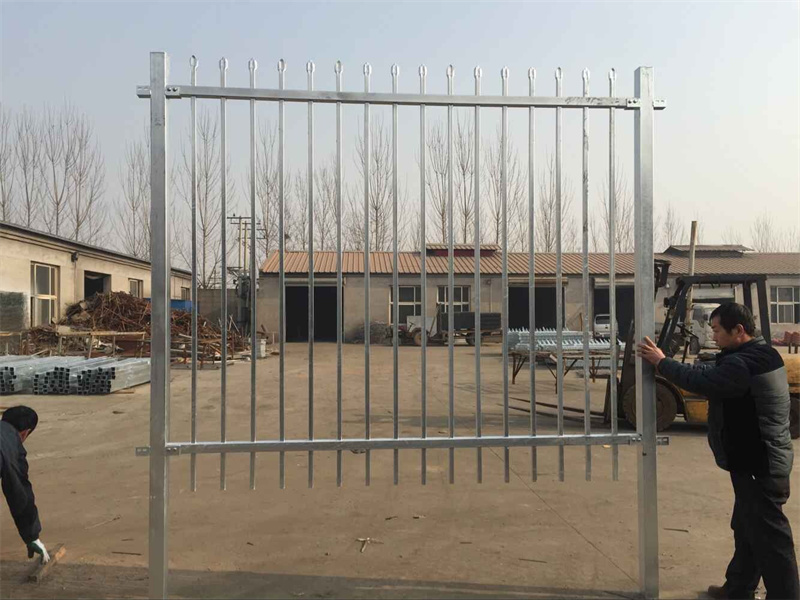
Hot-dip galvanizing creates a metallurgical bond between zinc and steel that provides superior corrosion protection through both barrier and sacrificial mechanisms.
The Science Behind Hot-Dip Galvanizing’s Effectiveness
Hot-dip galvanizing immersed steel in molten zinc at approximately 450°C creates a series of zinc-iron alloy layers that metallurgically bond to the steel substrate. This process produces four distinct layers, each with increasing zinc content moving outward from the steel surface. Unlike paint or other applied coatings, this metallurgical bond prevents coating separation even when physical damage occurs. The zinc layer provides dual protection mechanisms: a physical barrier that prevents moisture and oxygen contact with the steel, and sacrificial protection where zinc corrodes preferentially to protect the underlying steel even at cut edges or damaged areas.
Australian Standard AS/NZS 4680: What Quality Galvanizing Looks Like
AS/NZS 4680 establishes critical requirements for hot-dip galvanized coatings on fabricated steel articles. The standard specifies minimum coating thickness requirements based on steel material thickness, with thicker steel requiring heavier zinc coatings. For typical fence elements, the minimum average coating thickness ranges from 55μm for thin sections to 85μm for thicker structural components. Quality galvanizing appears relatively smooth and uniform, though some surface variations are normal and acceptable under the standard. The standard also addresses coating adhesion, finish, and freedom from defects that could compromise protection.
Measuring What Matters: Coating Thickness and Adhesion Testing
Proper verification of galvanized coating quality requires testing of both thickness and adhesion. Magnetic thickness gauges provide non-destructive measurement of coating thickness across multiple points on each article as specified in AS/NZS 4680. The standard requires multiple readings based on article size to ensure uniform protection. Adhesion testing involves subjective assessment plus hammer testing on coating edges to verify proper metallurgical bonding has occurred. Documentation of these tests forms an essential part of quality assurance, confirming that fencing will perform as expected in field conditions.
Powder Coating Over Galvanized Steel: The Duplex Advantage
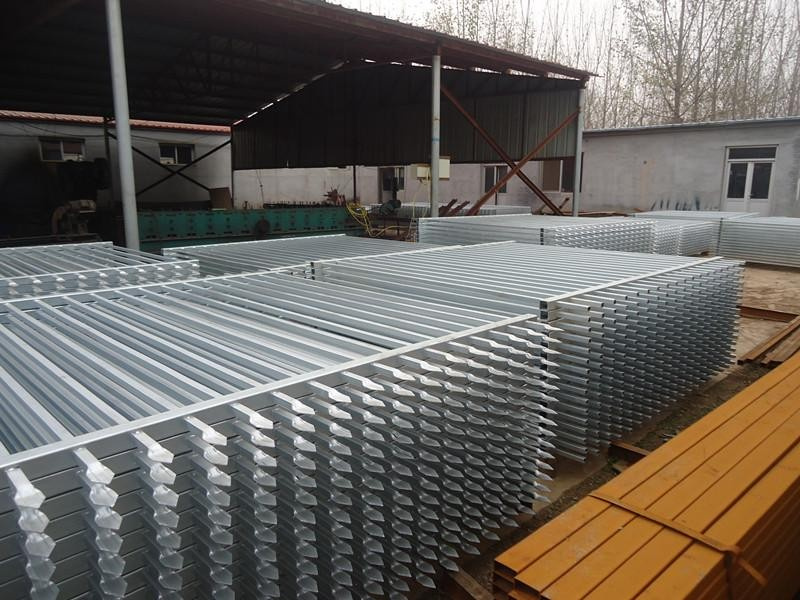
Combining hot-dip galvanizing with powder coating creates a synergistic system that extends protection 1.5-2.5 times longer than either method alone.
Why Duplex Systems Outlast Single-Protection Methods
Duplex systems create protection that exceeds the sum of individual components through complementary mechanisms. When atmospheric contaminants eventually penetrate the powder coating layer, they encounter the zinc surface of the galvanized layer, which continues to provide sacrificial protection. Meanwhile, the powder coating substantially slows zinc consumption rates by limiting direct exposure to atmospheric elements. Field studies across Australian installations demonstrate that properly applied duplex systems in coastal environments can extend service life 1.5-2.5 times longer than galvanizing alone. This enhanced durability justifies the additional investment, particularly in challenging environments.
Pre-treatment Processes: The Critical Step Most Suppliers Overlook
Surface preparation between galvanizing and powder coating represents the most crucial factor determining system success. After galvanizing, surfaces require thorough cleaning followed by profile creation through either chemical etching or mechanical abrasion. This critical step removes zinc oxides that form naturally after galvanizing and creates a surface profile for strong powder coating adhesion. Professional applicators apply zinc phosphate or chromate conversion coatings that chemically modify the zinc surface to accept powder coating. Skipping or rushing these pretreatment steps almost invariably leads to premature coating failure, regardless of the quality of materials used.
Powder Selection: Matching Coating Chemistry to Environmental Exposure
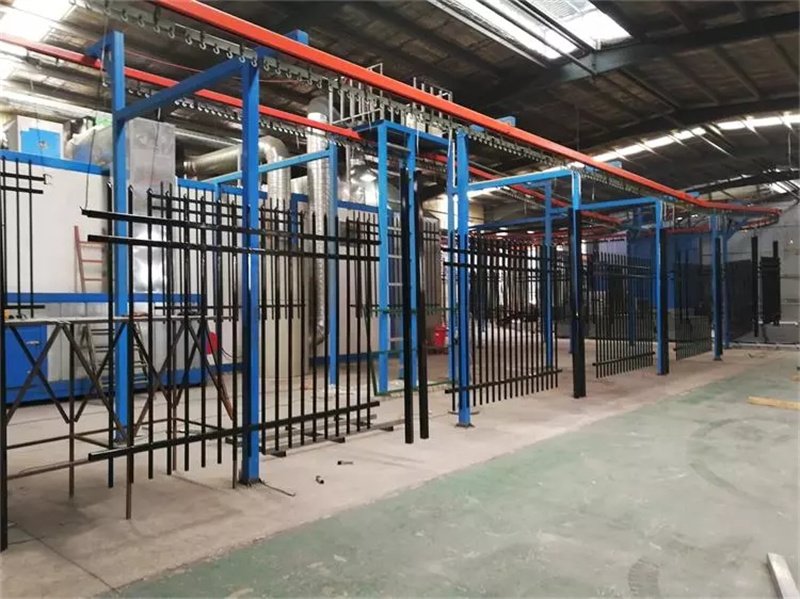
Different powder coating formulations offer varying performance characteristics that must match environmental conditions. Standard polyester powders provide cost-effective solutions for inland applications with moderate UV exposure. Super-durable polyesters incorporate enhanced UV stabilizers that extend color and gloss retention in high-sunshine regions. Fluoropolymer coatings like PVDF offer superior resistance against chemical exposure and salt spray, making them ideal for coastal installations despite their higher cost. The table below compares common powder types for Australian applications.
| Powder Type | UV Resistance | Chemical/Salt Resistance | Recommended Application |
|---|---|---|---|
| Standard Polyester | Moderate (3-5 years) | Fair | Inland rural areas (C2 zones) |
| Super-Durable Polyester | High (7-10 years) | Good | Urban areas (C3 zones) |
| Polyurethane | Very High (10+ years) | Very Good | Near-coastal areas (C4 zones) |
| Fluoropolymer (PVDF) | Excellent (15+ years) | Excellent | Coastal areas (C5 zones) |
Service Life Prediction and Warranty Evaluation
Understanding how to calculate expected service life and interpret warranty terms enables property owners to make informed decisions that maximize fence protection investments.
Calculating Expected Service Life Across Australian Corrosion Zones
Service life estimation requires consideration of both protection system specifications and environmental exposure conditions. The zinc corrosion rate in Australian environments ranges from 0.5-2.5μm per year in rural areas to 4-8μm annually in severe coastal zones. For a galvanized fence with 85μm coating in a C3 urban environment with 2μm annual zinc loss, theoretical protection lasts approximately 40 years to first maintenance. Adding a quality powder coating in a duplex system typically extends this by 1.5-2.5 times. Real-world performance may vary based on microclimates, installation quality, and maintenance practices, but these calculations provide valuable benchmarks for comparing protection options.
Interpreting Warranty Terms: What Suppliers Don’t Tell You
Warranty documents require careful review to identify limitations and exclusions that affect real coverage. Most standard warranties for hot-dip galvanizing cover only coating adhesion and minimum thickness, not actual corrosion protection duration in specific environments. Powder coating warranties typically separate “film integrity” from “color and gloss retention,” with the latter having substantially shorter coverage periods. Many warranties exclude installations within 1km of marine environments or require documented maintenance records. The strongest warranties specify both aesthetic and structural protection durations and include pro-rated replacement rather than just materials costs.
Monitoring and Maintenance Protocols for Maximum Service Life
Proper maintenance significantly extends protection system life, particularly in aggressive environments. Quarterly washing with clean water removes salt deposits and atmospheric contaminants that accelerate corrosion, especially critical in coastal areas. Annual inspection should identify coating damage, focusing on horizontal surfaces where water pools and creates corrosion cells. Early intervention through spot repair prevents damage spread, using approved zinc-rich primers and compatible topcoats. Detailed maintenance records not only optimize fence performance but also validate warranty claims if needed.
Quality Control and Supplier Assessment Framework
Evaluating fence suppliers based on quality indicators beyond basic standard compliance helps identify partners committed to delivering lasting protection systems.
Beyond Compliance: Key Quality Indicators That Exceed Standards
Standards represent minimum acceptable requirements, not optimal protection. Quality suppliers voluntarily exceed these benchmarks through practices like increased galvanized coating thickness (10-15μm above minimum), controlled cooling after galvanizing to minimize distortion, and additional edge protection on cut surfaces. Leading manufacturers maintain detailed batch records including process parameters, test results, and material traceability. They also participate in industry certification programs like the Galvanizers Association of Australia Quality Program that verify consistent process control beyond basic standards compliance.
Critical Questions to Ask Potential Suppliers
Thorough supplier assessment requires targeted questions that reveal true capabilities and quality commitment. Ask for detailed process documentation including surface preparation methods between galvanizing and powder coating. Request specific test data showing coating thickness distribution across representative samples rather than just minimum compliance statements. Verify whether suppliers conduct regular salt spray testing to ASTM B117 or cyclic testing to AS/NZS 4506. Inquire about repair procedures for coating damage during transport and installation. These questions help differentiate suppliers focused on quality from those meeting only minimum requirements.
Documentation and Certification: Ensuring Accountability
Proper documentation creates accountability and verification throughout the protection process. Quality systems should generate comprehensive records including material test certificates confirming steel chemistry, galvanizing batch records with process parameters, coating thickness test results from multiple locations, and adhesion test verification. For powder coating, expect documentation of pretreatment methods, powder specification sheets, and cure parameters. These records not only verify compliance but support warranty claims and guide maintenance practices throughout the fence lifecycle.

Environmental and Sustainability Considerations
Quality corrosion protection systems deliver environmental benefits through extended service life, reduced resource consumption, and complete recyclability at end-of-life.
Life Cycle Assessment: Why Quality Corrosion Protection Is Environmentally Superior
Life cycle assessment shows that higher initial investment in proper protection yields significant environmental benefits over time. A quality duplex system might increase initial costs by 15-25% compared to basic protection, but doubles or triples service life, dramatically reducing lifetime environmental impact. Each replacement cycle avoided saves approximately 75% of the embodied energy and carbon emissions associated with new fence production and installation. The durability advantage makes quality protection environmentally preferable despite the additional processing steps required during manufacturing.
Evolving Regulatory Framework for Galvanizing and Powder Coating
Australian environmental regulations increasingly impact corrosion protection processes and materials. Recent changes to chromate use in pretreatment systems have prompted industry transition to more environmentally friendly alternatives like trivalent chromium and non-chrome systems. VOC emission limits affect powder coating operations, though these systems already offer environmental advantages over liquid paints. Water recycling requirements for process tanks continue to tighten, driving technological improvements in both galvanizing and powder coating facilities. Future regulatory changes will likely focus on energy efficiency and further restrictions on metals in wastewater discharge.
Recyclability and End-of-Life Considerations
Steel fencing with galvanized and powder coated protection maintains excellent recyclability at end-of-life. The steel itself is 100% recyclable, with zinc coating contributing valuable material to the recycling process rather than becoming a contaminant. Powder coating, being a thermoset material, burns off during steel recycling without creating problematic emissions or residues. This complete recyclability minimizes landfill impact and conserves raw materials, making properly protected steel fencing environmentally responsible throughout its complete lifecycle from production through final disposal.
FAQ Section
Is hot-dip galvanizing alone sufficient for coastal Australian environments?
Hot-dip galvanizing alone typically provides insufficient protection in coastal Australian environments. Within 500m to 1km of breaking surf, salt spray accelerates zinc corrosion at rates 4-8 times faster than inland areas. Under these conditions, even an 85μm galvanized coating might last only 10-15 years before requiring maintenance. A duplex system combining galvanizing with appropriate powder coating extends protection to 25-30 years in the same environment. For optimal coastal performance, specify both hot-dip galvanizing to AS/NZS 4680 and powder coating with a fluoropolymer or super-durable polyester formulation rated for marine exposure.
How can I verify if steel fencing has been properly galvanized to AS/NZS 4680 standards?
Request test certificates showing coating thickness measurements taken according to AS/NZS 4680 methodology using calibrated magnetic gauges. These certificates should document multiple readings across representative areas rather than single measurements. Visually, properly galvanized steel exhibits a relatively uniform silver-gray appearance without bare spots, though some surface texture variation is normal. For field verification, a calibrated magnetic thickness gauge operated by a trained person provides non-destructive measurement. Independent inspection services can perform comprehensive assessment if certification documentation appears incomplete or questionable.
What is the expected lifetime difference between standard and duplex-protected steel fencing?
In moderate C3 environments, properly hot-dip galvanized steel fencing (70μm coating) typically provides 25-30 years of protection before first maintenance. A quality duplex system in the same environment extends this to 40-50+ years, representing a 1.5-2× improvement. The advantage becomes even more significant in coastal environments, where galvanizing alone might last only 10-15 years while a duplex system with marine-grade powder coating extends protection to 25-30 years. This lifetime extension makes duplex systems financially advantageous despite higher initial costs, particularly in aggressive environments or where maintenance access is difficult.
Are there Australian-specific testing requirements for powder coating over galvanized steel?
AS/NZS 4506 provides specific testing methodology for powder coating over galvanized steel in Australian conditions. Beyond basic cross-hatch adhesion testing (AS 1580.408.4), powder coatings for Australian use should demonstrate UV resistance through accelerated weathering tests like QUV exposure (AS/NZS 1580.483.1). For severe environments, the most relevant performance data comes from cyclic corrosion testing that combines salt spray, humidity, and UV exposure according to AS 4506 Appendix C, which more accurately replicates Australian coastal conditions than standard salt spray testing alone.
How soon after galvanizing should powder coating be applied?
Powder coating should ideally be applied within 4-12 hours after galvanizing and surface preparation. This narrow window minimizes zinc oxidation that can interfere with coating adhesion. Longer delays increase contamination and oxidation risks, requiring more aggressive surface preparation. If immediate powder coating isn’t possible, specially formulated zinc passivation treatments can temporarily stabilize the surface for up to several days, though these must be disclosed to the powder coating applicator. The timing between processes represents one of the most critical factors affecting duplex system performance and should be specified in project requirements.
What maintenance is required for duplex-protected steel fencing?
Regular washing with clean water and mild detergent represents the most important maintenance practice, removing salt deposits and atmospheric contaminants. Washing frequency depends on environment: quarterly in coastal areas (C4-C5), semi-annually in urban locations (C3), and annually in rural settings (C2). Annual inspections should identify any coating damage, particularly on horizontal surfaces and joints where water can collect. Address any damage promptly with spot repair using compatible zinc-rich primers and matching topcoats. Document all maintenance activities to support warranty claims and optimize protection life.


