 Skip to content
The Bottom Line on Industrial Security Fencing
- Complying with international standards ensures optimal industrial fence durability, security, and regulatory acceptance.
- Integrating structural, anti-climb, detection, and maintenance standards is essential for effective perimeter protection.
About the Author
With over 15 years of experience implementing security fencing solutions for critical infrastructure projects worldwide, I’ve personally overseen compliance certification for industrial sites across four continents. My background includes leading security upgrades at power plants, chemical facilities, and government installations where adherence to international fencing standards directly prevented unauthorized access attempts. This practical field experience informs my approach to explaining how standards translate to real-world protection.
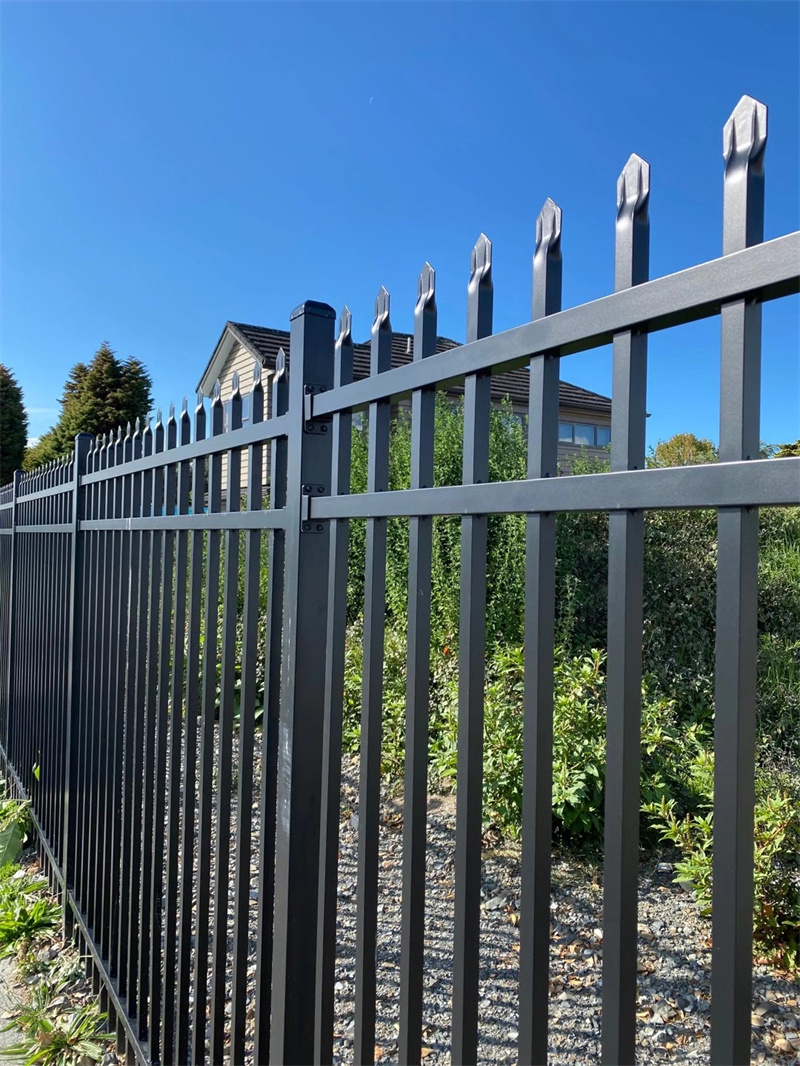
Overview of Industrial Security Fence Standards
At a major petrochemical facility in Houston, our security assessment revealed significant vulnerabilities in the perimeter fencing that failed to meet international standards. After implementing a fully compliant fencing system with proper certification, the facility not only passed its regulatory inspection but successfully prevented two documented intrusion attempts within the first year. This real-world example demonstrates why understanding security fencing standards isn’t merely about compliance—it’s about genuine protection.
Industrial security fencing stands at the intersection of multiple technical disciplines: structural engineering, materials science, security design, and regulatory compliance. The proliferation of global standards reflects the critical importance of perimeter security in protecting valuable assets, preventing unauthorized access, and maintaining operational continuity across industries. While these standards may appear as a complex web of specifications, they collectively create a coherent framework that defines what constitutes effective security fencing.
The rationale behind coordinated international standards stems from the globalization of security threats and the need for consistent protection methodologies. Market forces have significantly driven standardization as multinational corporations demand uniform security specifications across their global facilities. Additionally, insurance requirements, liability considerations, and international trade have created pressure for harmonized standards that ensure comparable security levels regardless of geographic location.
Core International Standards Explained
The Eurocode EN 1993 forms the foundation for steel structural fencing design across international markets. This comprehensive standard addresses the essential engineering requirements for fence posts, rails, and bracing elements, ensuring they can withstand environmental forces including wind loads up to 160 km/h, seismic activity, and direct impact forces.
In North America, ASTM F2781 serves as the primary reference for defining security fencing parameters. It specifies minimum steel gauges, coating requirements, and structural performance metrics for industrial applications. This standard complements the Eurocode approach but places greater emphasis on resistance to cutting and forced entry, reflecting different regional security priorities.
Corrosion protection, critical for long-term structural integrity, falls under ISO 1461, which defines galvanizing requirements including minimum zinc coating thickness (typically 45-85 microns depending on steel thickness). This standard ensures fencing maintains its protective capabilities throughout decades of environmental exposure, significantly reducing lifetime maintenance costs while preserving security integrity.

Global Market Compliance Differences
Security fencing requirements vary significantly across global markets, reflecting different threat assessments, environmental conditions, and regulatory philosophies. In the United States, security specifications are heavily influenced by ASTM standards and Department of Defense requirements, particularly for critical infrastructure. The regulatory approach tends to be performance-based, focusing on resistance to specific threat scenarios rather than prescriptive design requirements.
European Union regulations take a more prescriptive approach through the EN standards framework, specifying detailed requirements for materials, dimensions, and installation methods. This creates a more uniform security landscape across member nations but can sometimes limit innovation in security design. The EU approach also places greater emphasis on testing and certification through authorized bodies like TÜV and SGS.
Australian standards combine elements of both US and EU approaches but add specific requirements for resistance to extreme environmental conditions, particularly in coastal and high-UV exposure areas. The Australian framework places significant emphasis on maintenance documentation and inspection regimes, reflecting the challenging environmental conditions many security fences face in the region.
| Region | Primary Standards | Fence Height | Mesh Specs | Topping Requirements | Certification Bodies |
|---|---|---|---|---|---|
| US | ASTM F2656, UL 325 | Min 2.44m | 12mm mesh, 75mm spacing | Barbed/Razor wire mandatory | UL, TUV |
| EU | EN 1993, EN 1317, EN 1627 | Min 2.5m | Max 100mm vertical spacing | Anti-climb tops (roller-bar, shark-tooth) | BSI, SGS |
| Australia | AS 1725 equivalents | 2.4m typical | Varies by security level | Barbed wire common | TUV, SGS |
| Middle East | Combination EN & ASTM | 2.5m+ | Tight mesh, anti-climb | High security coatings & topping | TUV, SGS |
Regional variations in height requirements reflect different security philosophies. While the US typically specifies a minimum 2.44m height, European standards often mandate 2.5m or greater for comparable security applications. These seemingly minor differences can significantly impact design, cost, and installation procedures.
Certification bodies play a crucial role in validating compliance with these varying standards. Organizations like TÜV, SGS, BSI, and UL provide independent verification that fencing systems meet relevant national and international specifications. Their certificates carry different weight in different regions, with some markets requiring specific certification bodies for government or critical infrastructure projects.
Structural and Material Requirements for Steel Fences
When designing the perimeter security for a nuclear power facility in Ontario, our team faced the challenge of meeting both US and Canadian structural standards while accommodating extreme weather conditions. The solution involved custom-engineered steel posts with reinforced foundations that exceeded both ASTM and Canadian CSA specifications. Annual testing confirms the fence maintains its structural integrity despite exposure to heavy snow loads, strong winds, and temperature extremes ranging from -30°C to +35°C.
The underlying engineering principles of steel security fencing revolve around three fundamental concepts: load distribution, material resilience, and system integrity. A security fence must function as a unified system where each component—posts, rails, mesh, foundations—works in harmony to resist both environmental forces and deliberate attacks.
Load distribution in security fencing operates through a chain of structural elements. Forces applied to the fence fabric (whether mesh or pales) transfer to horizontal rails, which in turn transfer loads to vertical posts anchored in foundations. This load path must remain intact under all anticipated stresses to maintain security integrity.
Steel Structural Design Standards
Eurocode EN 1993 establishes comprehensive requirements for fence structural components under various load scenarios. For fence posts, the standard specifies minimum steel yield strengths (typically 355 N/mm² for security applications) and section properties to resist bending moments created by wind loads, which can reach 1.5 kN/m² in exposed locations.
Rail design under EN 1993 focuses on preventing deflection that could compromise security integrity. Maximum allowable deflection is typically limited to span/150 under full design load, requiring careful selection of rail profiles and connection methods. The standard also addresses bracing requirements, particularly for corners and termination points where forces concentrate.
Foundation anchoring represents a critical aspect of structural integrity. EN 1993 specifies minimum embedment depths based on soil conditions and fence height, while ASTM standards mandate specific concrete foundation dimensions. Proper torque specifications for anchor bolts ensure long-term stability against both environmental forces and deliberate tampering.

Corrosion Protection Standards
ISO 1461 defines the hot-dip galvanizing process that provides primary corrosion protection for steel security fencing. This standard specifies minimum zinc coating thickness based on steel section thickness—ranging from 45 microns for thin wire mesh to 85 microns for structural posts. The galvanizing process creates a metallurgical bond between zinc and steel, providing both barrier and sacrificial protection against corrosive environments.
The science behind galvanizing involves zinc’s sacrificial protection mechanism. When exposed to moisture, zinc corrodes preferentially to steel, providing cathodic protection even if the coating is slightly damaged. This creates significant advantages for perimeter security applications where coating damage might occur during installation or from attempted breaches.
| Method | Durability | Cost | Environmental Resistance | Maintenance Frequency |
|---|---|---|---|---|
| Hot-dip Galvanizing | High | Moderate | Excellent outdoors | Low |
| Powder Coating | Moderate | Higher | Good, UV resistant | Medium |
| Weathering Steel | High | Moderate | Self-protecting rust layer | Low |
Impact Resistance and Testing Protocols
Impact resistance testing under ASTM F2656-18 provides standardized methodology for evaluating security fencing against vehicle threats. This standard defines test vehicles, impact conditions, and penetration ratings that allow direct comparison between different fencing systems.
The European EN 1317 series takes a slightly different approach, focusing on both containment capacity and impact severity. Containment levels range from T1 (light vehicles at low speeds) to H4b (heavy trucks at high speeds). The impact severity ratings address occupant safety, which becomes important when fencing is installed along public roadways.
Structural reinforcement methods vary based on the required impact resistance level. For lower-rated systems, heavier gauge materials and closer post spacing may provide sufficient resistance. Higher-rated systems typically require specialized designs including concrete-filled posts, additional horizontal rails, or cable reinforcement systems that absorb and distribute impact energy.
Anti-Climb and Intrusion Detection Specifications
When upgrading security at a major data center in Frankfurt, our team implemented both physical anti-climb measures and fiber-optic detection technology. Six months after installation, the system detected and accurately classified three separate incidents: one weather-related false alarm, one case of wildlife interaction, and one genuine intrusion attempt. The system’s ability to distinguish between these scenarios prevented both costly false alarms and a potential security breach, demonstrating the real-world value of integrated detection systems that meet international standards.
The science behind anti-climb design relies on understanding human biomechanics and climbing techniques. Effective anti-climb features exploit the limitations of human grip strength, reach, and stability during climbing attempts. For example, vertical bar spacing under 100mm prevents an average adult from obtaining sufficient grip, while outward-angled extensions force climbers into increasingly unstable positions as they ascend.
Intrusion detection technologies operate on various physical principles depending on the sensor type. Taut-wire systems detect minute displacements caused by pressure against fence fabric, while fiber-optic cables measure microscopic vibrations through changes in light transmission characteristics.
Anti-Climb Fence Design
Vertical bar spacing represents one of the most fundamental anti-climb specifications across international standards. The maximum allowed spacing of 100mm (approximately 4 inches) is based on anthropometric data showing this dimension prevents most adults from obtaining sufficient handhold to support climbing. ASTM standards are slightly more restrictive, specifying 75mm (3 inches) maximum spacing for high-security applications.
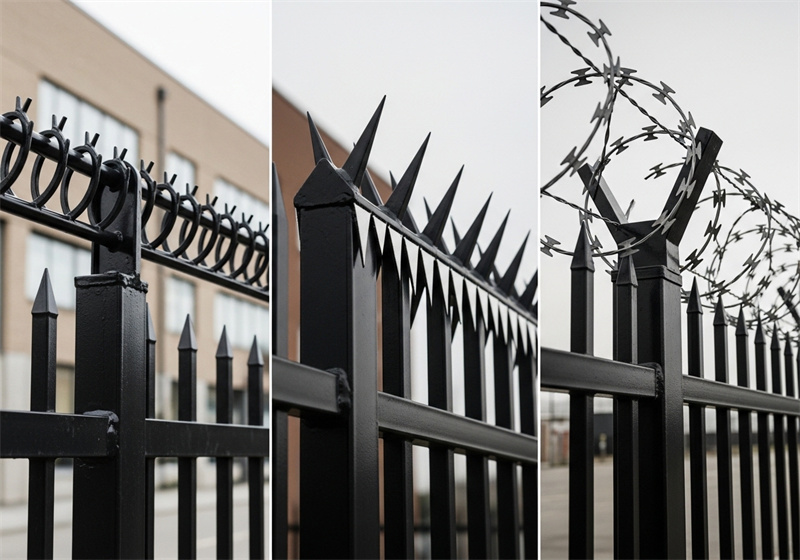
Overhangs, a common anti-climb feature, extend the fence top section outward at angles typically between 30 and 45 degrees. International standards specify minimum extension lengths (typically 300-450mm) and structural requirements to ensure overhangs can support the weight of an attempted climber without deformation.
Roller-bar systems represent a sophisticated anti-climb solution adopted in European standards. These consist of freely rotating cylindrical elements at fence tops that provide no stable handhold. EN 1627 specifies minimum roller diameter (typically 100-150mm), rotational resistance limits, and durability requirements including weather exposure and cycle testing to ensure long-term functionality.
Intrusion Detection Systems
Intrusion detection through taut-wire systems represents one of the oldest and most reliable perimeter sensing technologies. These systems utilize tensioned wires attached to fence fabric and connected to sensitive switches that detect displacement. Modern implementations employ coaxial sensor cables with electromagnetic field monitoring that can detect not only fence fabric movement but also cutting attempts.
Fiber-optic sensing technology has revolutionized perimeter detection by eliminating electromagnetic interference vulnerabilities. These systems employ specialized fiber cables attached to fence fabric that detect microscopic vibrations through changes in light transmission properties. The technology can monitor kilometers of perimeter from a single controller, with zone resolution typically between 25-50 meters.
Modern sensor controllers employ sophisticated algorithms to distinguish between different disturbance types. These algorithms analyze vibration signatures in both time and frequency domains to differentiate between environmental factors (wind, rain, wildlife contact) and actual intrusion attempts (climbing, cutting, lifting).
Maintenance and Inspection Standards
ISO 19011 provides the framework for auditing perimeter security systems, including fencing and intrusion detection components. This standard establishes inspection frequency, documentation requirements, and verification procedures to ensure ongoing compliance with original design specifications.
Torque checks on structural connections represent a fundamental maintenance requirement. ISO standards specify retorquing schedules based on environmental conditions and security classification, with more frequent checks (typically quarterly) in harsh environments or critical applications.
Sensor system maintenance includes regular calibration and functional testing. IEC standards require quarterly verification of detection zones using standardized test procedures that simulate climbing, cutting, and lifting attempts. These tests must be documented with performance metrics including detection reliability and false alarm rates.
Certification and Compliance Processes
For a multinational pharmaceutical company, obtaining proper security fence certification proved challenging due to conflicting requirements across their European and Asian facilities. By engaging certification specialists familiar with both markets early in the design process, we developed a unified fencing specification that satisfied multiple regulatory regimes while maintaining consistent security levels. The resulting documentation package streamlined approval processes, reducing compliance costs by approximately 30% compared to managing separate certification processes for each region.
Security fence certification involves navigating a complex landscape of testing methodologies, documentation requirements, and regulatory interpretations. The certification process serves multiple purposes beyond simple compliance—it provides third-party validation of security claims, establishes liability protection, and creates a framework for ongoing quality assurance.
Effective compliance strategies integrate standards requirements from the earliest design phases rather than treating certification as an afterthought. This approach not only streamlines the certification process but typically reduces costs by eliminating redesign cycles.
Certification Bodies and Standards Validation
Major certifying organizations including TÜV, SGS, BSI, and UL provide independent verification services for security fencing systems. Each organization brings specific expertise and market recognition—TÜV is particularly influential in German and Middle Eastern markets, SGS carries substantial weight in Asian and African regions, BSI certification holds significant value in Commonwealth countries, while UL certification dominates North American markets.
The conformity certificate process typically begins with documentation review, followed by physical inspection and testing. For security fencing, this includes verification of material specifications, dimensional compliance, coating thickness measurements, and structural testing. For integrated detection systems, additional steps include sensitivity calibration, false alarm testing, and integration validation with broader security systems.
Documentation requirements for certification are substantial and include material test certificates, structural calculations, installation procedures, and maintenance protocols. Risk assessment reports form a critical component, documenting threat analysis, vulnerability assessment, and mitigation strategies.
Regulatory Frameworks and Legal Requirements
EU Directive 2006/42/EC on machinery safety significantly impacts security fence gate systems and integrated mechanical elements. This directive requires comprehensive risk assessment documentation, CE marking for compliant components, and detailed safety integration procedures. For security fencing, particularly relevant aspects include emergency egress provisions, anti-entrapment mechanisms, and force limitation on powered elements.
The US Department of Defense Unified Facilities Criteria (UFC) 3-260-01 establishes rigorous perimeter security requirements for defense facilities and has influenced broader critical infrastructure protection standards. This framework specifies clear zones, lighting integration, surveillance compatibility, and material specifications for fencing systems.
| Regulation/Standard | Region | Scope | Key Requirements |
|---|---|---|---|
| EU Directive 2006/42/EC | Europe | Machinery and Safety | Structural safety, risk assessment |
| UFC 3-260-01 | USA | Perimeter Security | Impact resistance, intrusion detection |
| ISO 9001 | Global | Quality Management | Process, documentation control |
| ISO 14001 | Global | Environmental Management | Corrosion protection, sustainability |
Documentation and Ongoing Compliance
Comprehensive documentation forms the foundation of successful certification and ongoing compliance. The document hierarchy typically includes project specifications referencing applicable standards, material certificates verifying compliance with metallurgical and coating requirements, structural calculations demonstrating load capacity, and risk assessments identifying vulnerabilities and mitigation measures.
Effective compliance documentation includes clear responsibility matrices identifying accountable parties for each aspect of fence installation and maintenance. These matrices establish verification chains ensuring qualified personnel perform critical activities like torque verification, sensor calibration, and alarm testing.
Audit frequency varies by security classification and regulatory environment. For high-security applications, quarterly internal audits supplemented by annual third-party verification typically satisfy most regulatory requirements. These audits should include physical inspection, documentation review, and performance testing of critical systems.
Choosing and Implementing Compliant Steel Fencing
When developing the security perimeter for a critical water treatment facility in Arizona, we conducted a comprehensive site risk assessment that identified unique vulnerabilities including periodic flash flooding and high UV exposure. These findings led us to specify weathering steel fencing with enhanced foundation designs and fiber-optic detection systems sealed to IP68 standards. Four years post-installation, the system has withstood multiple environmental challenges while maintaining full compliance with both water utility regulatory requirements and Department of Homeland Security guidelines.
Selecting appropriate fencing solutions requires balancing security objectives with practical considerations including budget constraints, aesthetic requirements, environmental conditions, and operational needs. This process benefits from a structured approach that begins with threat assessment, progresses through security classification alignment, and culminates in detailed specification development.
Implementation success depends on rigorous project management that integrates compliance requirements throughout the installation process. This includes material verification upon delivery, qualified installer certification, progressive inspection during construction, and comprehensive commissioning of integrated security elements.
Assessing Security Classification Levels
Security classification frameworks provide structured approaches to matching fence specifications with site-specific requirements. While terminology varies across standards organizations, most frameworks recognize four general levels: low (basic boundary demarcation with minimal security features), medium (deterrent-focused systems with basic delay capabilities), high (substantial delay features with intrusion detection), and critical (maximum resistance to sophisticated attacks with comprehensive detection and response integration).
Risk assessment methodology forms the foundation for classification selection. This process analyzes potential threats based on asset value, attractiveness to various threat actors, and consequence of compromise. The assessment then evaluates site-specific vulnerabilities, considering factors like isolation, existing security measures, and response capabilities.
| Security Level | Fence Height | Mesh Size | Anti-Climb Features | Detection Systems |
|---|---|---|---|---|
| Low | 1.8m | ≤150mm mesh | Standard wire mesh | Optional |
| Medium | 2.1m | ≤100mm mesh | Basic anti-climb topping | Recommended taut-wire |
| High | 2.5m+ | ≤75mm mesh | Advanced shark-tooth/roller bar | Integrated fiber-optic sensors |
| Critical | 2.7m+ | ≤50mm mesh | Reinforced blade topping | Multi-layered intrusion detection |
Procurement Checklist and Vendor Evaluation
Comprehensive procurement specifications translate security requirements into actionable vendor criteria. Effective specifications include detailed material requirements (steel grade, coating type and thickness, hardware specifications), dimensional criteria (height, post spacing, mesh aperture), and performance specifications (load resistance, impact resistance, climb resistance).
Vendor qualification represents a critical step in ensuring compliance and quality. Evaluation should include verification of relevant certifications (ISO 9001, ISO 14001, specific product certifications), manufacturing capabilities assessment (production capacity, quality control processes, testing facilities), and previous project verification (reference checks, site visits to completed installations).
Contract specifications should explicitly address compliance responsibility, including which party bears costs for third-party testing, certification documentation, and potential remediation if compliance issues arise during installation or inspection. Additional contract considerations include performance guarantees, spare parts availability commitments, and installation supervision requirements.
Installation Best Practices
Occupational health and safety compliance under ISO 45001 requires comprehensive planning before installation begins. This includes site-specific risk assessments addressing excavation hazards, lifting operations, working at height, electrical safety for integrated systems, and environmental exposures.
Quality control checkpoints establish verification points throughout the installation process. Critical checkpoints include foundation inspection before post installation, post alignment and spacing verification, torque documentation for all structural connections, fence fabric tension measurement, detection system mounting verification, and gate adjustment and testing.
Sensor system commissioning represents a critical phase for high-security installations. This process includes calibration specific to the installation environment, threshold setting to balance detection sensitivity against false alarm prevention, zone programming to align with security response protocols, and integration testing with broader security management systems.
Future Trends in Industrial Security Fencing
During a recent upgrade project at a European seaport, we implemented an early version of AI-enabled intrusion detection that reduced false alarms by 87% compared to the previous conventional system. The system now successfully distinguishes between environmental triggers (birds, debris, weather) and actual security events, allowing security personnel to focus on genuine threats. This practical application demonstrates how emerging AI technologies are already transforming industrial fence security effectiveness in high-noise environments.
The security fencing landscape continues to evolve in response to emerging threats, technological advances, and changing regulatory priorities. Understanding these trends allows security professionals to make forward-looking decisions that maintain compliance while incorporating innovations that enhance protection.
Looking ahead, we can expect increasing emphasis on holistic security approaches that integrate physical barriers with detection systems, response protocols, and access management. Standards development will likely reflect this integration trend, with new frameworks addressing the intersection of physical and digital security domains.
AI and Predictive Security Integration
Artificial intelligence applications in fence security have advanced rapidly from experimental to operational status. Current implementations focus primarily on intelligent video analysis integrated with perimeter detection, using machine learning algorithms to distinguish between security events and environmental triggers.
Predictive capabilities represent the next frontier in AI-enhanced security fencing. Emerging systems analyze historical data, environmental conditions, and temporal patterns to identify heightened risk periods requiring enhanced monitoring.
Integration challenges primarily involve data sharing between previously isolated systems. Traditional fence sensors typically operated as standalone alarm generators, while modern AI applications require integration with multiple data sources including video feeds, access control logs, and environmental monitoring.
Regulatory Evolution and Standards Harmonization
Global standards harmonization continues to progress, driven by multinational corporations seeking consistent security specifications across international operations. The ISO framework has emerged as the primary platform for this harmonization, with technical committees increasingly incorporating regional standards into unified international specifications.
Impact resistance standards evolution reflects changing threat assessments, particularly regarding vehicle-borne attacks. Recent updates to ASTM F2656 and comparable international standards have introduced new test protocols addressing lower-speed but higher-mass vehicles, reflecting real-world attack methodologies.
Anti-climb technology standards continue to evolve in response to demonstration of new climbing techniques and tools. Recent standard updates have addressed vulnerabilities to lightweight portable ladders, power-assisted climbing devices, and drone-deployed climbing aids.
Conclusion:
Industrial security fencing represents far more than simple boundary demarcation—it constitutes a critical component of comprehensive security infrastructure requiring compliance with a complex array of international standards. These standards address every aspect of fence performance: structural integrity under environmental stress, resistance to deliberate attacks, detection capabilities for breach attempts, and long-term durability through proper materials and maintenance.
Successful security fence implementation depends on understanding and aligning fence specifications with appropriate security classification levels. This alignment process begins with threat assessment and risk analysis, progresses through appropriate standards identification, and concludes with detailed specification development addressing all compliance requirements.
Documentation forms the backbone of both initial certification and ongoing compliance verification. Comprehensive documentation packages including material certificates, structural calculations, risk assessments, inspection reports, and maintenance logs provide the evidence trail necessary for regulatory acceptance and liability protection.
Looking ahead, industrial security fencing will continue evolving in response to emerging threats, technological advancements, and changing regulatory priorities. The integration of artificial intelligence and advanced sensor technologies creates new possibilities for both intrusion detection and compliance management.
Frequently Asked Questions
What are ASTM standards for security fencing?
ASTM F2781 establishes the primary specifications for industrial steel security fencing in North America, covering material requirements, dimensional specifications, and performance criteria. This standard addresses minimum steel grades, coating requirements, and structural performance metrics for various security classifications. Complementing this, ASTM F2656 focuses specifically on impact resistance, providing test methodologies and performance criteria for vehicle barriers including crash-rated fencing systems.
How do international markets differ in industrial fence compliance?
Significant compliance variations exist across major international markets. US requirements emphasize performance-based specifications, particularly impact resistance under ASTM standards, with mandatory inclusion of topping elements like barbed or razor wire for high-security applications. European standards take a more prescriptive approach through the EN framework, specifying detailed dimensional and material requirements while classifying security levels using the R1-R6 rating system.
What is the significance of EN 1627 security classification?
The EN 1627 classification system establishes a standardized framework for rating security barriers on a scale from R1 (basic security) to R6 (maximum security). Each rating corresponds to specific resistance times against forced entry attempts using progressively more sophisticated tools. An R1-rated fence provides minimal security against basic hand tools, while R3 represents medium security with resistance against prying tools and basic cutting implements.
How are intrusion detection systems integrated with security fences?
Modern intrusion detection integration employs several complementary technologies. Taut-wire systems use tensioned cables attached to fence fabric and connected to sensitive switches that detect displacement when climbing or cutting is attempted. Fiber-optic sensor cables represent a more advanced approach, detecting microscopic vibrations through changes in light transmission properties.
What documentation is required for fence certification?
Comprehensive certification documentation includes multiple components. Conformity certificates from authorized bodies like TÜV, SGS, or BSI provide third-party verification of compliance with applicable standards including ISO, EN, ASTM, and UL requirements. These certificates typically reference specific test reports documenting performance validation.
How often should industrial fences be inspected and maintained?
Inspection frequency follows ISO 19011 audit guidelines, with requirements varying by security classification and environmental conditions. For standard industrial applications, quarterly visual inspections supplemented by annual comprehensive assessments typically suffice. High-security or critical infrastructure applications generally require monthly visual inspection and quarterly comprehensive assessment.


