 Skip to content
Key Takeaways
- Steel picket pool fencing offers superior strength-to-visibility ratio compared to aluminum alternatives, making it ideal for architectural integration
- Color matching through powder coating allows fencing to either complement or contrast with existing building elements
- Different architectural styles require specific picket spacing and profile choices to maintain design harmony
- Centralized design management systems ensure consistent quality across large-scale premium developments
Architectural Harmony: Custom Steel Picket Pool Fencing for Distinguished Properties
Custom steel picket pool fencing serves as both a safety requirement and a design opportunity that can enhance architectural integrity rather than compromise it.
Pool fencing sits at the intersection of safety requirements and design aesthetics in premium developments. Architects and property developers often face the challenge of finding fencing solutions that satisfy strict safety codes while maintaining the visual flow and design language of their projects. Steel picket fencing offers a versatile solution that adapts to various architectural styles while providing the necessary safety features.
Unlike standard catalog options, custom steel picket fencing can be precisely engineered to complement specific architectural elements. The flexibility in picket profiles, spacing, heights, and finishes allows designers to create barriers that feel intentional rather than imposed. When properly specified, these fences become integral components of the overall design rather than afterthoughts.
The Renaissance of Steel Picket Fencing in Premium Design
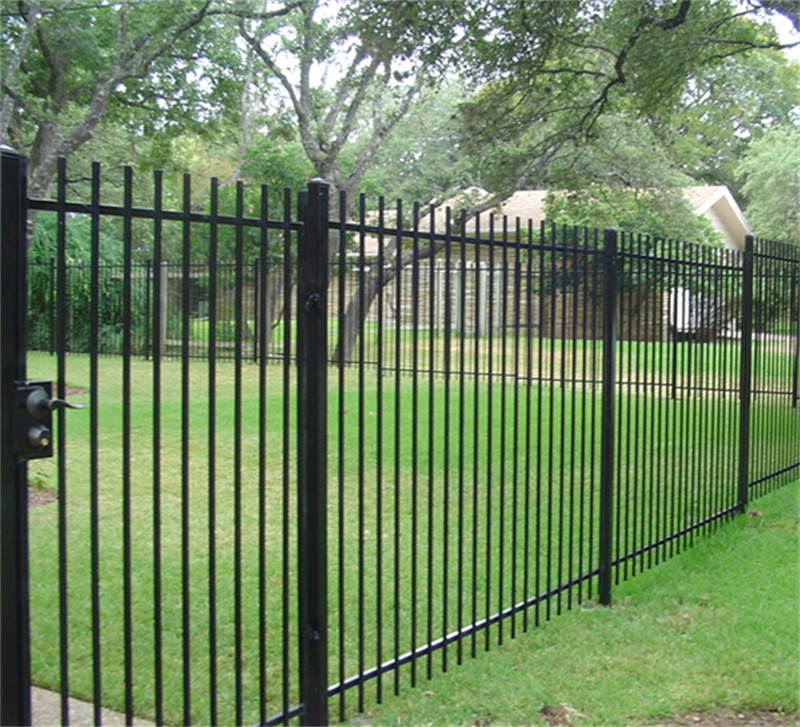
Steel picket fencing has evolved from purely functional barrier to sophisticated design element that complements premium architectural projects.
Steel has long been the material of choice for structural applications, but its use in decorative fencing has seen renewed appreciation in contemporary design. Modern manufacturing techniques allow for precision fabrication that wasn’t possible in previous decades. This technical evolution has made steel picket fencing increasingly popular in high-end residential and commercial developments.
| Material Property | Steel Advantage | Design Impact |
|---|---|---|
| Strength-to-weight ratio | Higher than aluminum | Allows for more slender pickets while maintaining structural integrity |
| Rigidity | Minimal deflection under load | Creates clean, straight lines even across long spans |
| Durability | Superior resistance to impacts | Maintains appearance longer in high-traffic areas |
The substantial feel of steel communicates quality in a way that lighter materials cannot match. When visitors interact with a steel gate, its weight and smooth operation signal attention to detail. This tactile experience reinforces the premium positioning of the property.
Customization Principles for Architectural Congruence
Successful integration of pool fencing begins with identifying the fundamental design language of the property and extending those principles to the fence design.
Identifying Your Property’s Architectural DNA
Before selecting specific fence components, analyze the existing or planned architecture for key design elements. Look for repeating motifs, dominant lines (horizontal vs. vertical emphasis), material transitions, and scale relationships. These observations form the basis for design decisions that will ensure the fencing feels like an extension of the architecture rather than an addition.
For example, a building with strong horizontal banding might be complemented by a fence with wider horizontal rails and narrower vertical pickets. Conversely, a façade with prominent vertical elements might pair better with fencing that emphasizes vertical pickets with minimal horizontal elements.
Critical Proportion Guidelines for Different Architectural Styles
Proportion plays a crucial role in how fencing relates to surrounding structures. The ratio between picket width, spacing, and height creates visual weight that should be calibrated to the architectural context. Contemporary minimalist designs typically favor slimmer profiles with greater spacing, while traditional styles often incorporate more substantial pickets with decorative elements.
| Architectural Style | Recommended Picket Width | Optimal Spacing | Finish Considerations |
|---|---|---|---|
| Contemporary Minimalist | 10-16mm square | 80-100mm | Matte black or color-matched to window frames |
| Coastal Modern | 16-20mm round or square | 70-90mm | Marine-grade with textured finish |
| Heritage/Traditional | 16-25mm with decorative profiles | 65-85mm | Gloss black or bronze tones |
| Industrial/Urban | 20-25mm square | 75-95mm | Raw galvanized or weathered steel look |
Material Finish Selection Beyond Basic Black
While matte black remains the most specified finish for steel picket fencing, custom powder coating offers virtually unlimited color options. Modern coating systems provide excellent durability and UV resistance, allowing fences to maintain their appearance for years with minimal maintenance. Color selection strategies fall into three main approaches:
- Match architectural elements – coordinating with window frames, fascias, or other building components creates a cohesive look
- Create deliberate contrast – using complementary colors to make the fence stand out as a design feature
- Blend with surroundings – selecting colors that help the fence recede visually when views beyond are prioritized
Style-Specific Design Strategies
Each architectural style demands specific design approaches to ensure pool fencing enhances rather than detracts from the overall aesthetic.
Contemporary Minimalism: Clean Lines and Deliberate Simplicity
Modern architectural styles typically embrace restraint and geometric precision. For these properties, fence designs should avoid ornamental details in favor of clean, simple forms. Flat-top pickets with minimal or concealed fasteners create the uncluttered appearance that complements contemporary architecture. Square pickets offer sharper definition than round profiles, reinforcing the geometric language often found in modern design.
Integration with lighting can further enhance minimalist fencing. Recessed LED strips along fence lines or subtle uplighting can transform the fence into a dramatic nighttime feature while maintaining its daytime simplicity.
Classic Revival: Traditional Elements Reimagined
Heritage-inspired developments benefit from steel interpretations of classical wrought iron designs. Decorative finials, scrollwork, and medallions can reference historical architectural elements without looking like inauthentic replicas. The key is selecting ornamental details appropriate to the specific historical period being referenced, rather than mixing elements from different eras.
Post caps deserve special attention in traditional designs, as they create visual punctuation along the fence line. Caps can echo details found in balustrades, columns, or other architectural features to strengthen design continuity.
Technical Implementation Guidelines
Engineering specifications must address both aesthetic requirements and the unique challenges of pool environments to ensure long-term performance.
Engineering Specifications for Longevity in Pool Environments
Pool environments present specific challenges for metal components due to chemical exposure, high humidity, and safety requirements. Material selection must prioritize corrosion resistance through proper alloy selection and protective treatments. Hot-dip galvanizing provides superior protection for steel elements, especially when followed by powder coating that seals the surface against moisture intrusion.
Wind loading calculations should factor in the specific site conditions and the potential for fence panels to act as sail-like surfaces during high winds. This is particularly important for pool fencing, as failure could create safety hazards. Proper engineering ensures that the fence maintains both its appearance and structural integrity throughout its service life.
Code Compliance While Maintaining Design Integrity
Pool safety codes typically specify minimum heights, maximum gaps, and requirements for self-closing gates. These regulatory requirements can be addressed through thoughtful design that incorporates safety features as integral elements rather than obvious additions. For example, vertical picket spacing can be adjusted to meet code requirements while maintaining visual rhythm, and self-closing mechanisms can be concealed within gate frames or posts.
Non-climbability requirements often present the greatest design challenge. Creative approaches include setting horizontal elements on the pool side of vertical pickets or incorporating decorative elements that satisfy aesthetic goals while preventing climbing.
Integration with Landscape Architecture
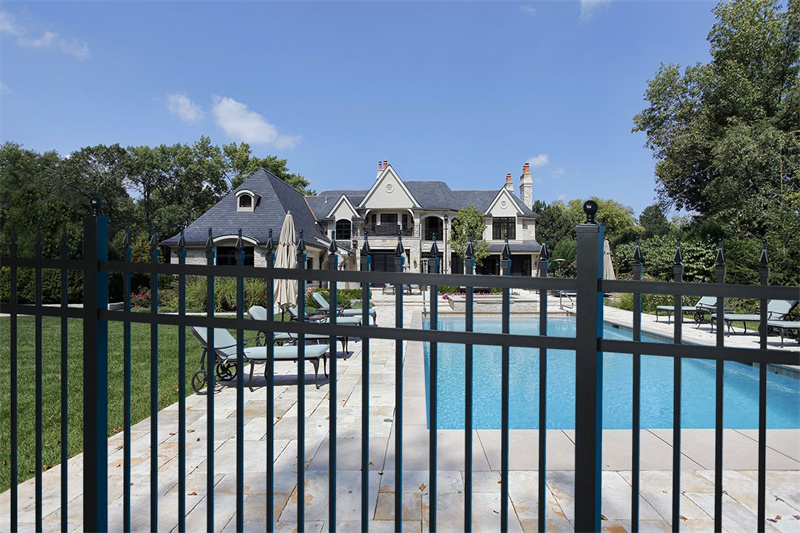
The most successful pool fencing installations consider the fence as part of a broader landscape composition rather than an isolated element.
Creating Transition Zones Between Hardscape and Fencing
The junction between paving and fencing represents a critical design opportunity. Rather than allowing fence posts to interrupt paving patterns, thoughtful detailing can create intentional transitions. Setting posts in line with paving joints, incorporating planting beds at fence lines, or using material changes to mark transitions all help integrate the fence into the overall landscape design.
Level changes can be particularly effective in minimizing the visual impact of required fence heights. By raising the grade on the outside of the fence or lowering it on the pool side, the apparent fence height can be reduced while maintaining code-compliant protection.
Case Studies: Architectural Harmony Achieved
Examining successful implementations reveals practical strategies for integrating custom steel picket fencing across diverse architectural contexts.
Coastal Contemporary: Glass and Steel Synthesis
A beachfront development successfully balanced safety requirements with ocean views by combining minimal steel pickets with glass panels. The steel elements were specified with marine-grade galvanizing and a specialized coastal powder coating system to withstand salt exposure. The color was matched precisely to the building’s window frames, creating visual continuity between architecture and perimeter elements.
By limiting solid steel pickets to code-required areas and using glass where views were prioritized, the design maintained safety compliance while preserving the property’s primary asset—its connection to the ocean landscape. The result feels intentional rather than compromised, enhancing rather than detracting from the luxury positioning of the development.
Specification Guide for Professionals
Clear, detailed specifications ensure design intent translates into proper execution, particularly for large-scale projects with multiple stakeholders.
Writing Effective Steel Picket Fencing Tender Documents
Comprehensive specifications should address material quality, fabrication standards, finish requirements, installation methods, and quality control measures. For large projects, consider creating a full-scale mockup requirement to verify aesthetic and functional performance before full production. This allows refinement of details that might not be apparent in drawings alone.
Performance specifications should include wind loading parameters, corrosion resistance requirements, and compliance with relevant pool safety codes. These technical aspects ensure the fence will perform as expected throughout its service life.
Maintenance and Longevity Considerations
Proper maintenance protocols protect both the appearance and functional integrity of steel picket pool fencing in demanding environments.
Well-specified steel picket fencing should provide decades of service with minimal maintenance. However, developing a care plan for facility managers ensures this potential is realized. Regular inspection for damage, touch-up of any coating breaches, and proper cleaning procedures all contribute to extending service life. Provide clients with specific recommendations for cleaning products and methods that won’t damage protective coatings.
For properties in coastal environments, more frequent maintenance may be necessary to address salt accumulation. Establish inspection schedules based on proximity to saltwater and local weather patterns to prevent corrosion issues before they compromise fence integrity.
Expert Answers to Custom Pool Fencing Questions
What makes steel picket fencing superior to aluminum alternatives for premium properties?
Steel offers approximately three times the rigidity of aluminum at comparable dimensions, allowing for more graceful proportions while maintaining structural integrity. This superior strength means steel pickets can be more slender than aluminum equivalents without sacrificing stability. Steel also provides a substantial feel that communicates quality through both visual and tactile experiences. The material’s natural weight creates gates that close with authority rather than the lighter feel of aluminum alternatives.
How does custom steel picket fencing impact property valuation?
Well-designed fencing typically returns 70-80% of its investment through immediate property valuation increases. Beyond direct valuation, distinctive fencing contributes to overall project differentiation, potentially accelerating sales velocity in competitive markets. Luxury property buyers often recognize quality details like custom fencing as indicators of overall development quality, influencing purchasing decisions.
What innovative ways exist to integrate access control technology with custom steel picket fencing?
Modern security systems can be seamlessly incorporated into custom steel frameworks through hollow posts that conceal wiring, readers, and electronic strike hardware. Magnetic locks can be integrated into gate frames, eliminating visible hardware while providing secure access control. Biometric readers and keyless entry systems can be built into custom post designs that match the overall fence aesthetic, maintaining design integrity while enhancing functionality.


