 Skip to content
Chain link fence panels look interchangeable on a spreadsheet, until a Queensland civil job loses two weeks because the shipment lands short on clamps and feet, the galvanizing is light, and nobody can hand the inspector a clean AS 4687 file. I have seen that movie before. The panel price looked fine, then the buyer wore hire extension costs, extra freight, site labour standing around, and a compliance headache that should never have reached the gate.
This piece cuts through the catalogue noise around chain link fence panels and gets to the few checks that actually protect your programme: what to ask for in tender documents, which coating numbers matter near the coast, how to read lead times against real production capacity, and where landed cost blows out after the quote is signed. My view is simple. If a supplier cannot prove post-weld zinc thickness, packing control for fittings, and a believable delivery plan, they are not cheap; they are expensive in slow motion.
Commercial Panel Basics
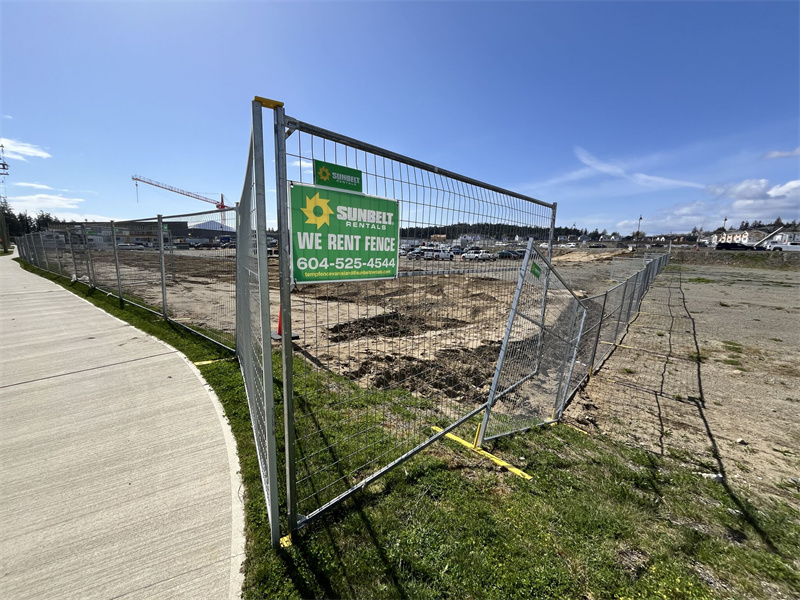
Buy commercial chain link fence panels as a system, not a fabric-only item. Most cost overruns come from weak components, mixed specifications, and avoidable rework.
Commercial chain link fence panels vs light-duty options
In procurement terms, commercial chain link fence panels are specified for service life, site abuse, and inspection risk. Light-duty options are usually bought on unit price alone. That is where many projects go wrong. A cheaper panel can become the expensive option once you add replacements, labour revisits, and delay exposure.
For commercial tenders, buyers usually need predictable component compatibility, corrosion resistance, and documentation that stands up during review. In Australia, that often means aligning the package with AS 4687-2022/2007 for relevant fencing applications, plus clear records on finish, dimensions, and packing. If your supplier cannot support that workflow, your landed cost is not actually under control.
- Commercial-grade baseline: Market specs commonly start around 50 mm mesh and 9 gauge wire, roughly 3.4 mm, for stronger perimeter performance.
- Light-duty pattern: Lower wire mass, thinner framing, and basic fittings may work for low-risk zones but often fail under repeated handling or public contact.
- Procurement impact: Commercial-grade systems reduce variation across sites, simplify spare planning, and cut the chance of rejected goods or field modification.
- Total cost reality: The real comparison is not panel price per unit. It is installed cost over 12 to 36 months, including damage, corrosion, lost parts, and labour for rework.
Typical use cases
Commercial chain link fence panels are usually selected where the buyer needs fast perimeter definition without guessing how the system will behave on site. The common use cases are not decorative. They are operational: keeping people out, controlling movement, reducing loss, and meeting site safety expectations.
- Construction sites: Suitable for active projects needing temporary or semi-permanent perimeter control, especially where access points and site layout change during the build.
- Warehousing: Used to secure yard boundaries, loading areas, and equipment zones where forklifts and repeated traffic put pressure on the fence line.
- Storage perimeters: Common around container yards, materials storage, and contractor compounds where theft risk matters more than appearance.
- Temporary security zones: Applied around maintenance works, shutdown areas, roadworks support zones, and event back-of-house sections where quick deployment matters.
If the site is exposed to frequent relocation, rough loading, or public interaction, panel consistency matters more than marketing claims. We see buyers focus too narrowly on fabric price and ignore fittings, feet, clamps, or post stability. That is exactly where avoidable failures start.
Commercial grade components must be bought as one system
A commercial chain link fence panel only performs as well as its weakest matched component. Fabric, rails, posts, and fittings have to be specified together. If one part is downgraded to win on price, the whole line becomes unreliable. Procurement teams should review the system package, not just the infill mesh.
- Fabric gauge: Commercial fabric thickness drives impact resistance and shape retention. A common market baseline is 9 gauge, about 3.4 mm, for heavier-duty perimeter use.
- Mesh size: 50 mm mesh is widely specified because it balances visibility, containment, and material efficiency without making the panel too easy to deform.
- Rails: Top and bottom rails control panel rigidity. If the rail wall is too light, the fabric may be acceptable on paper but the panel still twists during transport or installation.
- Posts: Post diameter, wall thickness, and spacing determine line stability. Reference installation practice often sets line post spacing up to 3.0 m, depending on project design and load conditions.
- Fittings: Ties, clamps, and brackets are not minor accessories. Reference specs commonly call for ties at 300 mm intervals on posts and 450 mm on top rails to maintain attachment integrity.
- Finish: For harsh outdoor and coastal exposure, hot-dip galvanization after welding with a zinc layer above 42 microns is the corrosion benchmark buyers should ask to verify.
At DB Fencing, we build for this system logic, not catalog clutter. Our production runs through 10 welding production lines, capacity reaches up to 2,000 sets per week, and our hot-dipped galvanized finish target is greater than 42 microns. For B2B buyers, that matters because schedule risk and consistency risk are procurement issues, not factory trivia.
The cost of mismatched components
Mismatched components are one of the fastest ways to destroy margin on a commercial fence package. The panel may arrive on time, but if the clamp set is incomplete, the post spacing is wrong, or the fittings do not match the rail diameter, your crew starts improvising. Improvisation on site is expensive and hard to defend internally.
- Failure mode: Thin rails paired with heavier fabric can bow or distort during lifting and repeated use.
- Failure mode: Incorrect fittings or missing clamps create loose sections, rattling panels, and immediate snag lists during inspection.
- Failure mode: Mixed finishes accelerate uneven corrosion, especially when a lower-grade coated fitting is paired with hot-dipped galvanized main components.
- Commercial consequence: Rework adds labour, plant idle time, replacement freight, and avoidable email traffic between site, procurement, and supplier.
- Hidden landed cost: A low ex-works price can quickly lose its appeal if one container arrives with packing errors or incomplete attachment hardware.
This is why experienced buyers ask about packing quality, count accuracy, and spares policy before they ask for the last dollar off. Missing clamps and mixed bundles are not small annoyances. They directly affect installation speed, inspection readiness, and subcontractor claims.
How to select by site condition
Panel selection should start with the site environment, not the cheapest available drawing. Urban construction, coastal projects, and high-footfall event zones each stress the system differently. If you specify one generic panel across all of them, you will either overspend or underbuy.
- Urban construction: Prioritize stable posts, reliable fittings, and easy repeatable installation. Sites with changing access points often benefit from commercial systems that can be adjusted without damaging the panel line.
- Coastal projects: Corrosion resistance becomes non-negotiable. For these jobs, buyers should insist on hot-dipped galvanized finish after welding with zinc above 42 microns, because premature rust creates replacement cost fast.
- High-footfall event zones: Focus on public contact risk, panel stability, and repeated handling. Weak feet, loose clamps, or lighter frames may survive one event but fail during constant movement and stacking.
If uneven ground is part of the job, ask the supplier how the system handles leveling, foot stability, and spare support. That conversation should happen before purchase order release, not after the truck arrives. Buyers in Australia are right to treat installation on uneven ground as a sourcing question, not just a site-team problem.
When to use temporary panels vs fixed perimeter systems
Use temporary panels when the perimeter will move, the project duration is limited, or deployment speed matters more than permanent embedment. Use fixed perimeter systems when the line must stay in place, take repeat loading, and deliver a longer service life with less repositioning. The decision is operational, not cosmetic.
For temporary security zones, staging areas, and short-to-medium duration construction works, temporary fence panels are usually the practical answer. They support quick setup, recovery, and relocation. For warehouse boundaries, long-term storage perimeters, and sites with ongoing public exposure, a fixed perimeter system usually gives better cost control over time because it reduces movement-related damage and maintenance.
If your procurement brief is still unclear, use one simple test: will this fence line stay where it is for the life of the project, or will operations force repeated relocation? That answer usually decides the system type faster than any brochure does. For bulk buyers managing multiple sites, that distinction also improves forecasting, spares planning, and container load efficiency.
For buyers comparing commercial chain link fence panels Australia-wide, the safest approach is to buy against failure risk: compliance exposure, corrosion exposure, and delivery exposure. We serve that procurement model directly, with export experience since 2009, low MOQ from 100 panels, and output scaled for repeat B2B supply rather than one-off retail orders.
Compliance and Standards
For Australian fence buying, check compliance evidence before comparing quotes. Cheap supply becomes expensive fast when inspections fail, documents are outdated, or batch records do not match the shipment.
Screen suppliers by standards and paperwork before you compare price
If your project is in Australia, the first filter is not unit price. It is whether the supplier can prove alignment with AS 4687-2022/2007, show stable quality control, and support inspection without scrambling after the order is placed.
Procurement teams usually get into trouble when they compare panel rates while ignoring test reports, coating records, and traceability. That is how you end up with a low landed price on paper and a failed site inspection in reality.
For B2B buyers, especially on temporary fencing australia AS 4687 compliance jobs, the real question is simple: can this supplier give you a clean document trail before deposit, during production, and at shipment release?
Why AS 4687 alignment matters for Australian procurement
AS 4687 matters because Australian buyers are not just buying steel panels. They are buying inspection readiness, tender defensibility, and reduced project risk. If the fencing package cannot stand up to document review, the site team inherits the problem.
DB Fencing ships heavily into Australia and New Zealand, which account for 75% of its business. That market focus matters because repeated AU supply forces discipline around the paperwork sequence, not just the manufacturing step.
In practical terms, AS 4687 alignment supports smoother tender submissions, easier inbound quality checks, and fewer arguments between procurement, site supervisors, and external inspectors.
What to check for AS 4687 compliance evidence
- Test reports: Ask for current reports tied to the relevant fencing application, not generic marketing PDFs with no date, no scope, and no sample identification.
- Coating evidence: If the supplier claims hot-dipped galvanized protection for harsh outdoor or coastal exposure, ask how coating thickness was verified. DB Fencing states a target above 42 microns, and that claim should be backed by records, not sales language.
- Quality records: Request in-process and final inspection documents covering dimensions, weld quality, finish condition, and component count.
- Component consistency: Confirm that clamps, bases, stays, and related fittings are included in the documented scope. Missing clamps packing quality is a common cause of receiving disputes.
This is where many suppliers look fine in a catalog and fall apart under audit. If the coating file, test file, and shipment file do not line up, your inspection team will notice.
Pre-PO verification is cheaper than post-arrival damage control
Do the hard checks before issuing the purchase order. Once cargo is produced, packed, and booked, your options shrink fast. Rework, replacement, detention, and project delay costs can wipe out any initial quote advantage.
A serious supplier should be able to confirm production capability, document readiness, and packing control before deposit. DB Fencing operates 10 welding production lines with capacity up to 2,000 sets per week, which matters because inspection readiness is useless if the factory cannot hold schedule on multi-site demand.
For buyers managing temporary fencing supplier lead time reliability, pre-PO verification should also cover production slots, packing lists, and whether the supplier controls critical accessories in-house. DB Fencing’s own plastic feet machine is relevant here because outsourced bases often create avoidable delays and batch inconsistency.
ISO 9001 and SGS or third-party proof reduce quality drift
ISO 9001 does not guarantee perfect product, but it does tell you the supplier should have documented process control, corrective action flow, and record discipline. That matters when you are trying to avoid batch-to-batch variation across repeat orders.
SGS or other third-party verification adds another layer of credibility, especially when your internal team cannot inspect every production lot in person. For risk-averse procurement managers, this reduces dependence on verbal promises.
The commercial point is simple: quality variability is expensive. It creates re-sorting, missing parts claims, extra site labor, and replacement orders that destroy margin and total cost of ownership over 12 to 36 months.
Document checklist: validity dates and batch traceability
- Certificate dates: Check whether ISO 9001 certificates and third-party reports are still valid on the planned shipment date, not just on the day the quote was sent.
- Company name match: The factory name on certificates, reports, invoices, and packing documents should match. Mismatched entities are a red flag.
- Product scope: Make sure the report applies to the actual fence system you are buying, including panel type, finish, and key fittings.
- Batch identification: Ask how the factory links raw material, production run, inspection result, and shipment batch. If a defect appears, you need a clear trail.
- Packing records: Confirm packed quantities by item, especially clamps, feet, stays, and fasteners. Small shortages create large site delays.
- Coating records: If corrosion resistance is part of the buying decision, request coating verification records tied to the production batch.
- Pre-shipment approval: Require a final document pack before balance payment or container release.
If a supplier cannot provide this cleanly before PO, expect problems later. In commercial chain link fence panels Australia and temporary fencing procurement, paperwork discipline is not admin overhead. It is part of the product.

Spec Comparison Table
For procurement, the right spec is the one that prevents climb risk, panel distortion, and early corrosion on the actual site.
If you are comparing light commercial, commercial, and heavy-duty panel systems, the decision comes down to four variables: wire diameter, mesh opening, tube class, and zinc coating. Price differences usually look small at purchase stage, but they become expensive fast when a panel bends, fails inspection, or starts corroding on wet or salt-exposed sites.
The practical benchmark for many commercial chain link fence panels is 50 mm mesh with 9 gauge wire, which is about 3.4 mm. From there, lighter specs reduce cost but also reduce stiffness and anti-climb performance. Heavier specs raise upfront cost, but they usually lower replacement frequency and maintenance pressure over 12 to 36 months.
Light commercial, commercial, and heavy-duty options
- Light commercial: Typically uses lighter wire in the 2.5 mm to 3.0 mm range, larger mesh openings around 50 mm to 60 mm, and light-wall tube. Common for lower-risk perimeters and shorter service cycles. Expected lifecycle is usually shortest where panels are frequently moved, stacked, or exposed to wet ground.
- Commercial: The common baseline is 9 gauge wire at about 3.4 mm with 50 mm mesh and standard commercial tube. This is the balanced option for general site security, rental fleets, and projects that need a credible durability-to-cost ratio.
- Heavy-duty: Usually moves to thicker wire from about 4.0 mm upward, tighter mesh where anti-climb matters, and heavier-wall tube. This is the better fit for repeated handling, higher abuse environments, longer deployment windows, and sites where deformation or intrusion risk is a real cost driver.
- Tube class impact: Wire gets most of the attention, but tube class controls frame rigidity. A panel with decent mesh fabric and weak tube still racks, twists, and loses alignment during transport or repeated installation.
- Lifecycle logic: Light commercial works when the site is sheltered and turnover is low. Commercial is the normal procurement starting point. Heavy-duty earns its keep where replacement labor, downtime, or damage claims cost more than the upgrade.
How wire gauge and mesh size translate into security and durability
Smaller mesh openings improve anti-climb because there is less foothold and less hand access. Heavier wire improves rigidity because each strand resists bending and impact better. When you combine smaller mesh with heavier wire, you get a panel that is harder to scale and less likely to deform during transport, loading, and repeated site moves.
The reverse is also true. Larger mesh with lighter wire may be acceptable for low-risk use, but it gives you more visible deflection, weaker recovery after impact, and a shorter useful life in hire fleets or busy construction environments. For buyers managing commercial chain link fence panels in Australia, this is not a cosmetic issue; it directly affects inspection readiness, safe perimeter control, and replacement spend.
- Lighter wire + larger mesh: Lowest material cost, but easier to deform and easier to climb.
- 3.4 mm wire + 50 mm mesh: The market’s common commercial baseline because it balances cost, handling, and general site security.
- Heavier wire + smaller mesh: Better anti-climb performance, better shape retention, and lower risk of permanent distortion after repeated use.
Pre-galvanized versus hot-dip galvanized after welding
This is one of the most important specification checks, and many buyers miss it. Pre-galvanized material is coated before fabrication. Once the panel is welded, the weld areas and heat-affected points are the weak spots, because that is where corrosion tends to start first in outdoor service.
Hot-dip galvanized after welding is the stronger commercial choice for exposed conditions because the complete fabricated panel is coated after welding. That means weld points, cut edges, and the finished frame all receive zinc coverage. For wet sites, repeated outdoor storage, or salt-laden air, this usually gives a longer corrosion life and lower maintenance burden than pre-galvanized fabrication.
- Pre-galvanized: Lower initial cost, acceptable for lower exposure environments, but more vulnerable at welds and cut points.
- Hot-dip galvanized after welding: Better full-panel coverage, better corrosion resistance at critical points, and usually the safer procurement decision for external commercial use.
- DB Fencing standard direction: For harsh outdoor and seaside environments, we target hot-dipped galvanized finish above 42 microns rather than treating galvanizing as a box-ticking item.
Zinc thickness thresholds, corrosion life, and maintenance impact
For practical procurement, zinc thickness is not an abstract lab number. It is a maintenance forecast. Thinner zinc coatings may survive sheltered use, but in wet sites, muddy laydown areas, and salt-spray exposure, they burn through faster and push you into touch-up, earlier replacement, or visible rust complaints.
- Below about 20 to 25 microns: Usually a short-life option for aggressive outdoor exposure. Suitable only where site duration is limited and corrosion appearance is not a major issue.
- Around 40 microns and above: A more credible threshold for general outdoor commercial service where buyers want lower replacement frequency and fewer corrosion-related issues.
- Above 42 microns: This is the target we use for hot-dipped galvanized finishes intended for harsh outdoor, coastal, and wet-site conditions, because thinner coating simply creates avoidable lifecycle risk.
Expected service life still depends on exposure, handling damage, standing water, and whether panels are dragged or properly stored. No honest supplier should promise one fixed number of years for every site. But the buying rule is simple: if the project is near the coast, regularly wet, or used across multiple deployments, heavier wire, tighter mesh, stronger tube, and hot-dip galvanizing after welding will usually cost less over the real service window than replacing light-spec panels early.
For Australian projects where compliance, inspection pass rate, and total cost of ownership matter more than the cheapest line item, commercial grade should be your starting point, not your upgrade. Heavy-duty is justified when climb deterrence, repeated handling, or corrosion exposure is severe. Light commercial only makes sense when the risk profile is genuinely low and the shorter lifecycle is already priced into the job.
| Spec Area | Typical Requirement | DB Fencing Offer | Why It Matters |
|---|---|---|---|
| Standards & Compliance | Australian projects often require AS 4687-2022/2007 compliance evidence plus auditable quality records. | Manufactured for Australia-focused supply with AS 4687 alignment targets and ISO9001 / SGS-related certification support. | Reduces audit failure risk, supports tender documents, and improves inspection pass readiness. |
| Corrosion Protection | Hot-dip galvanized finish after welding with zinc coating above 42 microns for outdoor or coastal exposure. | Hot-dipped galvanized finish target exceeds 42 microns for harsh seaside and long-term outdoor use. | Helps prevent premature rust, lowers replacement frequency, and improves total cost of ownership. |
| Panel / Fabric Baseline | Commercial chain link baseline commonly references 50 mm mesh and 3.4 mm wire for general-duty applications. | Commercial-grade galvanized chain link fencing systems can be supplied to project specifications and OEM requirements. | Gives buyers a practical benchmark when comparing durability, weight, and bid compliance. |
| Installation Reference | Typical reference layout uses post spacing up to 3.0 m, ties at 300 mm on posts, and 450 mm on top rail. | Factory supply supports complete system matching of panels, posts, and fittings for project-based installation needs. | Improves installation consistency, helps avoid missing parts, and reduces site delays. |
| Production Capacity | Large projects need reliable factory throughput and continuity for repeat orders or staged shipments. | 10 welding production lines with capacity up to 2,000 sets per week. | Supports lead time reliability and lowers schedule risk for multi-site or container-load orders. |
| Minimum Order Quantity | Import buyers often need trial, replenishment, or mixed commercial orders without overcommitting stock. | Low MOQ starts from 100 panels. | Makes OEM testing, pilot orders, and distributor restocking more flexible. |
| Component Supply Control | Temporary fencing buyers often face issues with missing clamps, inconsistent feet, or fragmented component sourcing. | Own plastic feet machine plus one-stop supply capability for fencing components. | Improves packing completeness, reduces shortage claims, and helps control landed cost surprises. |
| Australia Market Experience | Buyers prefer suppliers familiar with local specification habits, documentation needs, and import expectations. | Australia and New Zealand account for about 75% of business. | Increases confidence in spec matching, communication speed, and documentation accuracy for Australian procurement workflows. |
| Export & Quotation Support | Procurement teams need fast response, clear commercial terms, and supplier stability for internal approvals. | Export experience since 2009 with 24-hour quotation support for B2B buyers. | Speeds sourcing decisions, helps compare landed cost faster, and supports shortlist approval. |
| Customization & OEM | Distributors and project buyers often need custom dimensions, branding, or packaging for resale and site handling. | Factory-direct OEM customization with bulk export support. | Improves channel fit, reduces repacking work, and supports differentiated market offerings. |
Landed Cost Breakdown
Landed cost is not the ex-factory price. For Australian fence procurement, the real number is product cost plus freight, import charges, local delivery, and expected replacement risk.
Build the landed-cost model before you compare suppliers
If you are buying commercial chain link fence panels or temporary fencing for Australia, the quote that matters is the installed and usable cost at your site, not the FOB unit price. Procurement failures usually come from missing cost lines: port charges, customs clearance, local transport, damaged parts, or rework caused by poor packing. That is why experienced buyers model the full landed number first, then negotiate the panel price second.
- Product cost: Panel, posts, clamps, stays, bases or feet, gates, and any OEM marking or special packing.
- Freight cost: Origin trucking, export handling, ocean freight, destination port fees, and container unpack costs if applicable.
- Customs and import cost: Duty, GST or VAT, broker fees, inspection fees, and document correction charges if paperwork is wrong.
- Local transport: Delivery from port or warehouse to branch locations or project sites, including split-load penalties.
- Replacement and repair factor: Missing clamps, bent frames, damaged welds, coating defects, and labor spent fixing shortages after arrival.
We advise buyers to treat replacement and repair as a real budget line, not a rounding error. On paper, a cheap shipment looks attractive. In practice, if the container arrives with inconsistent components or weak packing, your team pays twice: once for the order, and again in labor, expedited replenishment, and project delay exposure.
Why a low ex-factory price often loses at project level
This is where many tenders go wrong. A supplier can be cheaper per panel but more expensive per installed meter once you account for compliance risk, corrosion life, and delivery reliability. For Australian projects, inspection readiness matters. If the fencing package does not align with AS 4687-2022/2007 requirements for the relevant application, the price advantage disappears fast.
The same logic applies to durability. Many offshore offers look similar until you check galvanizing and packing discipline. Our standard for hot-dipped galvanized product is more than 42 microns, because outdoor and coastal exposure punishes thin coating fast. A lower-cost panel with weaker corrosion protection can turn into a replacement problem inside the first service cycle, which wrecks the total cost of ownership.
- Audit risk: Missing compliance documents or unclear material records can stall site acceptance.
- Delay risk: A supplier with weak capacity may miss shipment windows when demand spikes.
- Failure risk: Poor weld consistency, thin zinc, or damaged parts increase replacements and call-backs.
- Admin burden: Multiple corrective emails, claims, and partial reshipments consume buyer time that never appears on the quote.
DB Fencing sells into Australia and New Zealand for about 75% of its business, so the commercial reality is familiar: buyers want fewer surprises, not just lower sticker prices. Capacity also matters here. With 10 welding production lines and output up to 2,000 sets per week, we can discuss delivery risk in concrete terms instead of vague promises. That is the difference between a quote and a procurement plan.
Container planning metrics you should confirm up front
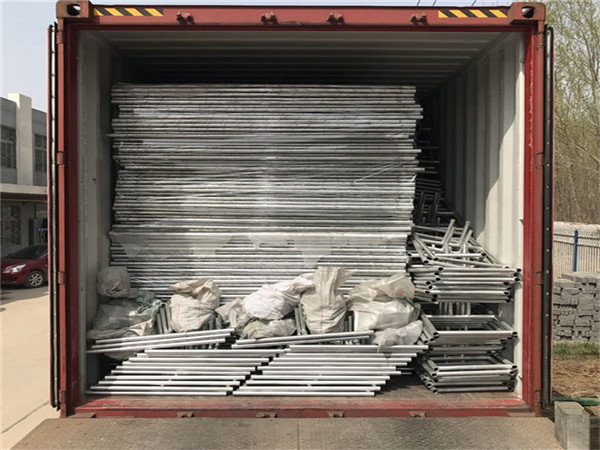
Freight budgeting falls apart when buyers request a price before locking the loading assumptions. For container load chain link fence panels, you need the actual packing dimensions, unit weight, and loading quantity per 40ft HQ. Without those numbers, your freight partner is estimating in the dark.
- Panel dimensions: Confirm the exact frame size in mm, not a nominal size only. Small dimensional changes affect stack height and container fit.
- Unit weight: Ask for net weight and packed weight per panel or per set. Freight planning and unloading equipment both depend on this.
- Packing method: Loose stack, steel pallet, timber pallet, or bundled frame pack. Packing changes damage risk and loading efficiency.
- Accessory ratio: Bases, clamps, stays, and gates can consume more cube than buyers expect. Do not budget panels alone.
- 40ft HQ loading quantity: Confirm the actual container quantity for the exact spec and packing style, not a generic best-case number.
If you are comparing commercial chain link fence panels Australia supply options, insist on a load plan tied to the exact specification. A freight number based on a different panel height, lighter wire, or reduced accessory count is not a real comparison. We only recommend budgeting from confirmed loading data issued against the final drawing or approved production spec.
Use a simple freight-partner template for budgeting
Good importers do not ask their forwarder, “What will one container cost?” They send a clean shipment brief. That cuts revisions, exposes hidden fees early, and makes supplier quotes easier to compare. It also helps your internal team defend the buy with finance and operations.
- Incoterm: EXW, FOB, CIF, or another agreed term. If this is unclear, your freight comparison is useless.
- Factory location: Origin pickup point in Anping, Hebei, China.
- Product description: Exact fence type, panel size, finish, and accessory list.
- Shipment volume: Total sets, package count, net weight, gross weight, and estimated cubic meters.
- Container plan: Number of 40ft HQ containers or LCL requirement, if any.
- Destination: Port, final delivery suburb, and whether tail-lift, forklift, or appointment delivery is needed.
- Document set: Commercial invoice, packing list, bill of lading, certificate requests, and any compliance file expected by the project team.
This matters because import costs are rarely destroyed by one big mistake. They are usually destroyed by five small omissions: wrong Incoterm, vague cargo description, missing weights, unrealistic packing assumptions, and no allowance for destination handling. A proper budgeting template shuts that down early.
Lead time risk controls: production and ocean buffers
Lead time should be treated as a risk range, not a single date. For bulk fence procurement, there are two separate clocks: factory production time and ocean transit time. Buyers who ignore that split usually order too late and then pay for emergency fixes. The safer approach is to build buffers around both stages.
- Production lead time: Confirm the factory schedule against actual capacity, material availability, and accessory readiness. Capacity claims only matter if they are linked to your order window.
- Ocean transit buffer: Add contingency for vessel rollover, port congestion, customs processing, and local transport booking delays.
- Document buffer: Leave time for draft review of invoice, packing list, and shipping marks before the cargo sails.
- Claim buffer: Keep room in the schedule for shortage verification and corrective action if the arrival inspection finds issues.
We are careful not to promise a universal lead time because order mix, finish, and season all affect it. What we can say is this: a supplier with 10 welding production lines, weekly capacity up to 2,000 sets, and low MOQ from 100 panels is structurally better positioned to support staged deliveries than a trader relying on uncertain third-party slotting. That reduces schedule risk, especially on multi-site or repeat-buy programs.
Procurement timing tips to avoid stockouts and delay penalties
Most stockouts are not caused by demand alone. They are caused by late approvals, late freight booking, or buying against best-case transit assumptions. If your KPI is on-time material availability, the purchase timing has to reflect project reality, not optimistic spreadsheets.
- Lock the specification early: Delays often start with late changes to panel height, feet type, clamp count, or finish.
- Book against need-by date, not ex-factory date: Site demand is measured at delivery point, not at the factory gate.
- Carry a safety buffer for repeat-use fencing: Temporary fencing fleets always lose some usable stock to damage, site spread, or missing fittings.
- Align procurement with shipping cycles: Missing a vessel cutoff can push the whole order into the next sailing window.
- Split critical orders if needed: For high-penalty projects, staged shipments can be cheaper than one late full-container arrival.
- Check accessory continuity: Bases, clamps, and plastic feet should never be treated as afterthoughts. Missing small parts stop installation just as effectively as missing panels.
That last point is where buyers get caught. Everyone tracks panel count. Fewer people track the component set needed to make panels installable on day one. Because DB Fencing has its own plastic feet machine and supplies many local vendors, this part of the continuity risk is easier to control than with suppliers who outsource every accessory. For procurement teams, that is not a side detail. It is schedule insurance.
Bottom line for commercial buyers
If you want a defensible buy, compare suppliers on landed cost per usable installed set, not just on unit price. Confirm compliance documents, galvanizing standard, packing method, loading quantity per 40ft HQ, and realistic lead time buffers before you release the order. That is how you avoid hidden cost, failed inspections, and project-level margin erosion.
| Cost Element | What It Covers | Buyer Impact | Cost Control Lever |
|---|---|---|---|
| EXW Unit Price | Fence panels, posts/rails if included in system, clamps, plastic feet or base accessories, and standard factory packaging | This is the starting price only; low ex-works pricing can hide later cost increases if fittings, feet, or packing are excluded | Confirm full bill of materials, galvanizing target above 42 microns, and whether plastic feet and clamps are included per set |
| Compliance & Documentation | AS 4687-2022/2007 related paperwork, ISO9001 process records, SGS-related verification, test reports, packing lists, and commercial invoice accuracy | Missing or unclear documents can delay customs clearance, trigger site rejection, or fail internal procurement audits | Request document pack before deposit and match product specs to tender documents for Australian projects |
| Packaging & Load Security | Palletizing, bundling, clamp/carton packing, plastic feet stacking, labeling, and container loading method | Poor packing increases risk of missing clamps, bent panels, damaged coating, and replacement freight after arrival | Ask for packing photos, component count by bundle, spare clamp ratio, and loading plan per container |
| Inland Transport in China | Factory-to-port trucking, export handling, and terminal delivery before ocean shipment | Often overlooked in budget approval; can materially change landed cost for lower-volume orders | Compare EXW vs FOB quotations and consolidate full-container orders where possible |
| Ocean Freight | Sea freight from China to destination port in Australia, New Zealand, North America, or other target markets | Freight volatility can outweigh small unit-price savings, especially for bulky fencing systems | Model cost per panel at container-load level and confirm supplier lead time reliability against vessel schedule |
| Marine Insurance | Cargo protection against loss or transit damage during international shipping | Small percentage cost that can prevent larger losses on high-volume panel and accessory shipments | Clarify whether insurance is buyer-arranged or included under the agreed Incoterm |
| Import Duties & Taxes | Destination-country duty, GST/VAT where applicable, customs entry fees, and related statutory charges | A major landed-cost line that directly affects total cost of ownership and resale margin | Verify HS code, origin declaration, and local tax assumptions before approving supplier comparison |
| Destination Port & Customs Clearance | Port handling, customs broker fees, inspection fees if triggered, storage, and release charges | Incorrect paperwork or slow release can create demurrage, storage cost, and project delay penalties | Use a broker familiar with fencing imports and pre-check all shipping documents before vessel arrival |
| Local Delivery to Site or Warehouse | Transport from destination port to construction site, distributor warehouse, or agricultural stockyard | Final-mile cost rises quickly for remote projects or split deliveries across multiple sites | Plan delivery windows early and compare direct-to-site versus central warehouse distribution |
| Installation & Site Readiness | Labor, layout, ties/clamps application, bracing, and adjustments for uneven ground or temporary deployment conditions | Cheap panels can become expensive if installation is slow, unstable, or requires extra fittings on site | Standardize panel sizes, confirm accessory compatibility, and request supplier guidance for uneven-ground installation |
| Maintenance, Corrosion & Replacement | Future repainting or replacement risk, clamp loss, coating failure, and panel life in coastal or harsh outdoor environments | This is the hidden cost area most likely to erode savings over 12 to 36 months if galvanizing is inadequate | Prioritize hot-dipped galvanizing after welding with zinc thickness above 42 microns for outdoor/coastal exposure |
| Schedule Risk & Buffer Stock | Costs associated with lead-time slippage, urgent replenishment, or holding spare inventory for ongoing projects | Late deliveries can create idle labor, missed milestones, and penalty exposure that far exceeds panel price differences | Use suppliers with scalable output, such as 10 welding lines and up to 2,000 sets per week, and align MOQ from 100 panels with forecast demand |
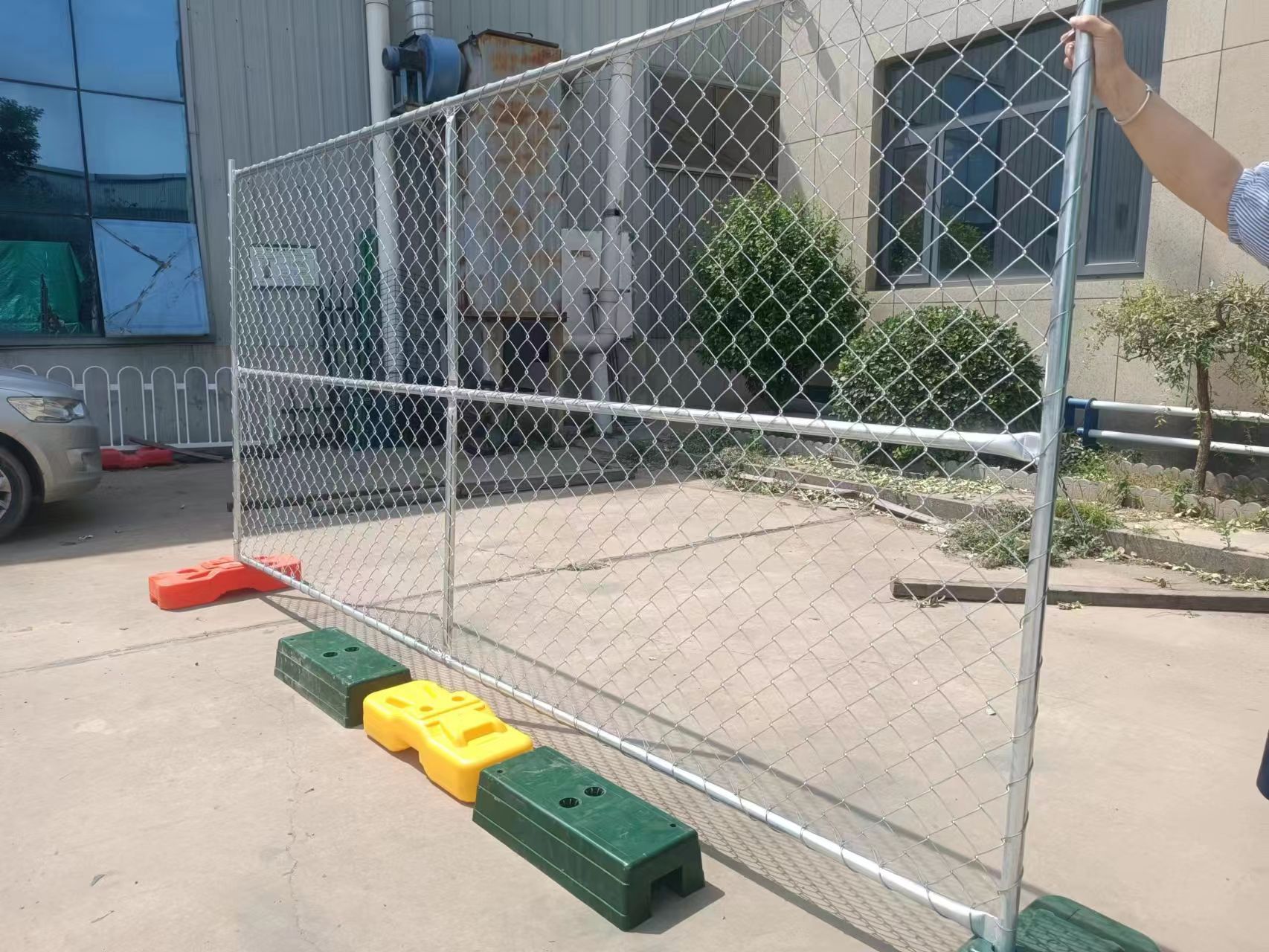
Explore Chain Link Panels for Commercial Security.

Supplier Due Diligence
Supplier due diligence is risk control. If a factory cannot prove compliance, capacity, packing discipline, and claims handling before PO, the cheapest quote usually becomes the most expensive shipment.
Treat supplier selection as risk control, not vendor preference
For Australian construction and civil buyers, supplier selection is not a style choice. It is a control point for audit risk, delivery risk, replacement cost, and site disruption. If the supplier fails on documentation, coating quality, weld consistency, or shipment completeness, your team wears the problem long after the invoice is paid.
That is why serious buyers assess a temporary fencing or commercial chain link fence panels supplier the same way they assess any critical subcontracted input: can this factory deliver compliant product, on time, with a clean claims path if something goes wrong? If the answer is vague, walk away.
Pre-PO checklist for factory capability and after-sales accountability
Before issuing a purchase order, get hard proof on capability and after-sales responsibility. Do not rely on a catalog, a website gallery, or a sales promise. Procurement failure usually starts where verification stops.
- Compliance file: Request evidence for AS 4687-2022/2007 where relevant to the fencing application, plus ISO9001 and SGS-related verification documents.
- Material and finish: Confirm hot-dipped galvanized protection is specified at greater than 42 microns, not described with loose language like “anti-rust” or “outdoor grade”.
- Production reality: Ask how many welding lines are running, what weekly output is sustainable, and whether peak-season orders are subcontracted.
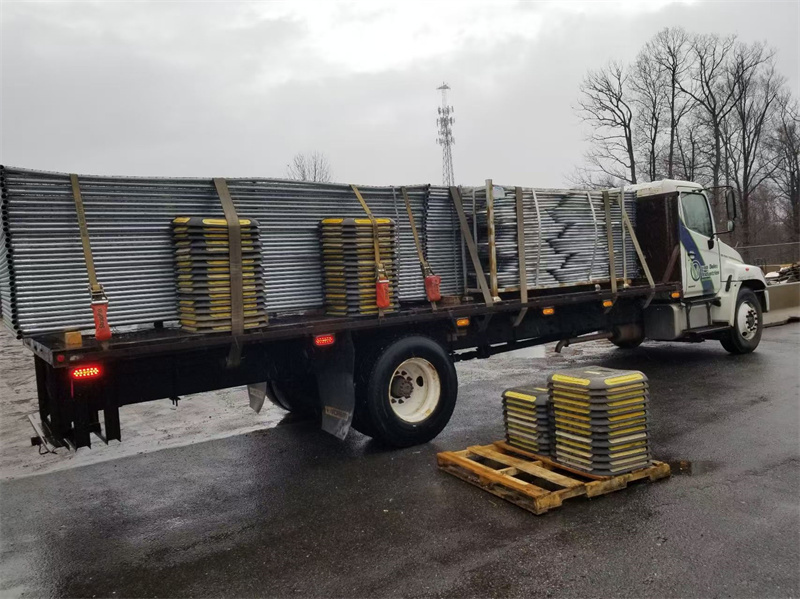
- Packing control: Review packing photos and packing lists for panels, clamps, bases, and accessories. Missing clamps and mixed bundles are common avoidable failures.
- Lead time discipline: Get a written production window, loading window, and document handover timeline, not just a verbal ETA.
- Claims ownership: Confirm who handles arrival damage, shortage claims, and replacement parts, and in what time frame.
- MOQ fit: Check whether the supplier can support bulk planning without forcing oversized commitment. DB Fencing starts from 100 panels, which matters when you are testing a market or splitting supply across projects.
A supplier that answers these points cleanly is usually operating a real system. A supplier that dodges them is usually selling around the weak spots.
Capacity signals that actually matter
Capacity is not a vanity metric. It is a fulfillment reliability signal. Buyers looking for temporary fencing supplier lead time reliability should care less about how big the workshop looks in photos and more about whether the factory can absorb order spikes without pushing your shipment back two weeks.
- Welding lines: DB Fencing operates 10 welding production lines.
- Weekly output: Stated capacity reaches up to 2,000 sets per week.
- Export pattern: 75% of business goes to Australia and New Zealand, which matters because repeat volume into one market usually forces better document discipline and spec familiarity.
- Commercial flexibility: Low MOQ starts at 100 panels for bulk buyers, reducing inventory risk when you need staged purchasing.
Those signals do not guarantee perfect execution, but they are far more meaningful than generic claims like “large factory” or “fast delivery.” We have seen too many vendors quote aggressively, then quietly outsource when volumes rise. That is where consistency slips and delivery promises fall apart.
Why component self-production improves consistency
Component self-production matters because many shipment problems do not come from the fence panel itself. They come from the supporting parts: plastic feet, clamps, and bundled hardware. When those parts are sourced from different workshops with different tolerances and packing habits, you get fit issues, shortage claims, and avoidable site delays.
DB Fencing is the only supplier in Anping with its own plastic feet machine, and it also supplies many other local vendors. From a procurement standpoint, that matters for two reasons. First, it reduces dependence on outside component schedules. Second, it improves dimensional and packing consistency across repeat orders, which directly supports lower replacement frequency and better installation flow on site.
Define warranty scope before the order, not after the problem
Most warranty disputes happen because scope was never defined clearly. “Quality guaranteed” is not a warranty. A usable warranty names the failure points, the review process, and the commercial remedy.
- Coating performance: The warranty should state what is covered if galvanizing is below the agreed finish standard or if early corrosion appears under normal outdoor use. For harsh exposure, the agreed benchmark should match the ordered hot-dipped galvanized finish target of greater than 42 microns.
- Weld integrity: Coverage should include cracked welds, incomplete welds, or weld failure under normal handling and installation.
- Arrival damage: The warranty should define responsibility for bent panels, broken feet, damaged clamps, torn wrapping, and pallet collapse on arrival.
- Short shipment: Missing clamps, missing feet, and count discrepancies must be treated as a claims item, not as buyer inconvenience.
If the supplier cannot put those points in writing before deposit, assume the after-sales process will become negotiable when the shipment lands. That is exactly what risk-averse procurement teams should avoid.
Set claims process criteria with response SLAs and replacement-part rules
A claims process should be operational, not emotional. The buyer needs to know how fast the supplier responds, what evidence is required, and whether missing or damaged parts will be credited, replaced with the next shipment, or sent separately.
- Initial response SLA: Require written acknowledgement within 24 hours of claim submission. That fits DB Fencing’s stated 24-hour quoting discipline and is a reasonable benchmark for commercial communication.
- Evidence standard: Define exactly what the buyer must provide: packing list, container number, photos of labels, quantity count, and close-up images of defects or damage.
- Resolution timeline: Set a fixed review period for shortage or damage confirmation, so the issue does not drift for a week while the site keeps waiting.
- Replacement-part procedure: State whether replacement clamps, feet, or other fittings ship by courier, with the next container, or as a credit note. For urgent site needs, small-parts courier support matters more than arguing over minor values.
- Escalation path: Name the responsible sales contact and the factory-side quality contact. Claims die when nobody owns them.
This is where many suppliers fail. They are happy to discuss unit price, but weak on what happens after arrival. For buyers managing temporary fencing total cost of ownership, that is backwards. A supplier with a clear response SLA and a practical replacement-parts process is usually worth more than a marginally cheaper quote.
Bottom line for procurement teams
If you are sourcing temporary fencing or commercial chain link fence panels for Australia, due diligence should center on proof, not presentation. Check compliance evidence, verify real capacity, confirm whether critical components are made in-house, and lock in warranty and claims rules before PO. That is how you reduce audit exposure, prevent shipment surprises, and protect installed cost over the next 12 to 36 months.
Installation and Parts Planning
Most installation delays are caused by missing accessories, not missing panels. Pre-specifying parts, pack ratios, and spares before production is the fastest way to protect site schedules.
How procurement reduces installation delays before the order is packed
On commercial temporary fencing jobs, the panel is rarely the problem. Delays usually start when the shipment lands with the wrong clamp count, the wrong plastic feet type, no gate hardware, or no agreed spare ratio for breakage and site loss.
The fix is not complicated. Procurement should lock the accessory scope at PO stage, not after container loading. For Australian projects, that means the panel count, clamp ratio, foot ratio, brace requirements, gate set hardware, and spare percentage all need to be written into the packing plan and checked against the tender documents.
This matters even more when inspection readiness and lead time reliability are KPI issues. We supply Australia and New Zealand as 75% of our business, and that market does not forgive loose paperwork or accessory shortages. A clean parts schedule reduces emergency air freight, on-site cannibalizing of other fence runs, and the usual argument over who missed what.
Mini parts matrix for clamps, feet, gates, and tie components
Procurement does not need a bloated retail catalog. It needs a short control list that ties each part to its installation function and pack ratio. This is the practical matrix most buyers should finalize before shipment approval.
- Clamps: Define clamp type, finish, and quantity per panel junction. Also state the spare ratio for loss, damage, and site changes.
- Plastic feet: Confirm foot style, weight class, slot fit, and quantity per panel. This is critical for uneven ground and for projects where replacement feet are hard to source locally.
- Braces and brace clamps: Specify where wind load or corner stability requires extra support. If braces are omitted from the original count, installation crews usually stop and wait.
- Gates: Confirm gate width, frame type, hinge set, latch set, wheels if required, and whether the gate ships as a complete hardware kit or loose components.
- Tie components: Where tie wire, clips, or secondary fixing points are used, define the unit pack and installation ratio. Do not assume the contractor will source matching ties locally.
- Spare ratio: Put the spare allowance in writing for clamps, feet, and gate hardware. If the contract is multi-site, the spare ratio should reflect handling loss across the full rollout, not just the first site.
If a supplier cannot map these parts clearly, that is a warning sign. Catalog-heavy sellers often look organized, but they still ship incomplete kits because the procurement logic was never agreed at order stage. The real issue is not how many SKUs exist. The issue is whether every SKU needed for deployment is tied to the panel count and loading list.
Parts catalog essentials required before shipping
Before container release, procurement should require a parts catalog summary that is built for site deployment, not showroom browsing. If the shipment is going into an Australian project workflow, the document set should also support compliance review, receiving checks, and claims handling.
- Part identification: Every accessory needs a clear item code, description, finish, and photo or drawing reference.
- Pack quantity: Show units per carton, cartons per pallet, and total units per container so the receiver can check shortages quickly.
- Application mapping: State which panel system or gate set each accessory belongs to. Do not mix similar-looking parts without a cross-reference note.
- Spare allocation: List the agreed spare ratio separately from the base installation quantity. If not separated, disputes start immediately when cartons are opened.
- Packing list linkage: The catalog must match the commercial invoice, packing list, and carton marks exactly. Different wording across documents causes receiving delays.
- Compliance file support: For projects requiring AS 4687-2022/2007 alignment, include the relevant product and quality documents with the shipment file, not after the goods arrive.
- Claim protocol: State the reporting window, shortage evidence needed, and replacement process. This matters more than marketing warranty language.
For bulk buyers, this is where factory discipline shows up. We operate 10 welding production lines with capacity up to 2,000 sets per week, but output alone does not protect a schedule. The shipment must be matched by accessory control, carton accuracy, and a receiving-friendly document pack. That is also why having our own plastic feet machine matters: a core accessory is under direct production control instead of being pushed to a third-party bottleneck.
Why complete parts planning cuts emergency purchases and speeds site deployment
A complete parts plan lowers total installed cost because the site crew can start immediately. When parts are missing, the contractor does not just buy a few extra clamps. They lose labor time, push handover dates, split deliveries, and often pay retail or rush freight pricing for items that should have been in the original container.
This is where many buyers underestimate total cost of ownership. A cheaper panel price means very little if the shipment creates emergency purchases, receiving confusion, or non-compliant installation workarounds. For procurement managers measured on material availability and inspection pass rate, complete parts planning is a risk-control tool, not an admin exercise.
The commercial rule is simple: buy the fence system, not just the fence panel. If the order includes clear accessory counts, agreed spare ratios, correct packing logic, and project-ready documentation, installation moves faster and claims drop. If those details are vague, the site ends up solving factory mistakes at local market prices.
Conclusion
If you’re buying chain link fence panels for a commercial site, spec hot-dip galvanized steel at more than 42 microns and demand the compliance file before you talk price. That one call cuts most of the risk, because early rust, missing paperwork, and failed inspections cost far more than a small unit-price difference.
Ask each supplier for three things: the galvanizing test report, the Australian standard declaration, and a packing list that shows clamps, feet, posts, and ties by count. Then match that against lead time, weekly output, and your landed cost on a 100-panel order, because a cheap quote falls apart fast if parts arrive short or the vessel misses your install date.
Frequently Asked Questions
Commercial Chain link fence supply
For commercial supply, prioritize verified standards, coating data, and complete component compatibility before comparing unit price. Request compliance documents, production lead time, and replacement-part policy in writing.
Wholesale chain link fence supplies near me
Nearby stock can reduce immediate delivery time, but evaluate against imported landed cost and durability spec. For larger projects, compare total installed cost over lifecycle, not only local pickup price.
8 ft Chain Link Fence price
Price varies by wire gauge, mesh aperture, pipe class, coating type, and order volume. Freight lane, container utilization, and accessory completeness can materially change final cost per linear meter.
Chain Link fence parts Catalog
A commercial catalog should include fabric, posts, rails, tension bars, tension bands, ties, clamps, gates, hinges, latches, and feet/base systems where relevant. Missing minor hardware often causes site delays.
8 ft Chain Link Fence for sale
Before purchase, verify the exact 8 ft system spec, corrosion protection level, and warranty coverage for weld/coating defects. Confirm packaging method and transit-damage claim process to protect project timelines.


