 Skip to content
The Essentials You Need to Know
- Temporary fencing excels in flexibility, quick setup, and short-term projects, while permanent fencing offers superior durability and long-term security.
- Choosing between temporary or permanent fencing hinges on project duration, security needs, compliance requirements, and cost considerations.
Understanding Temporary and Permanent Fencing
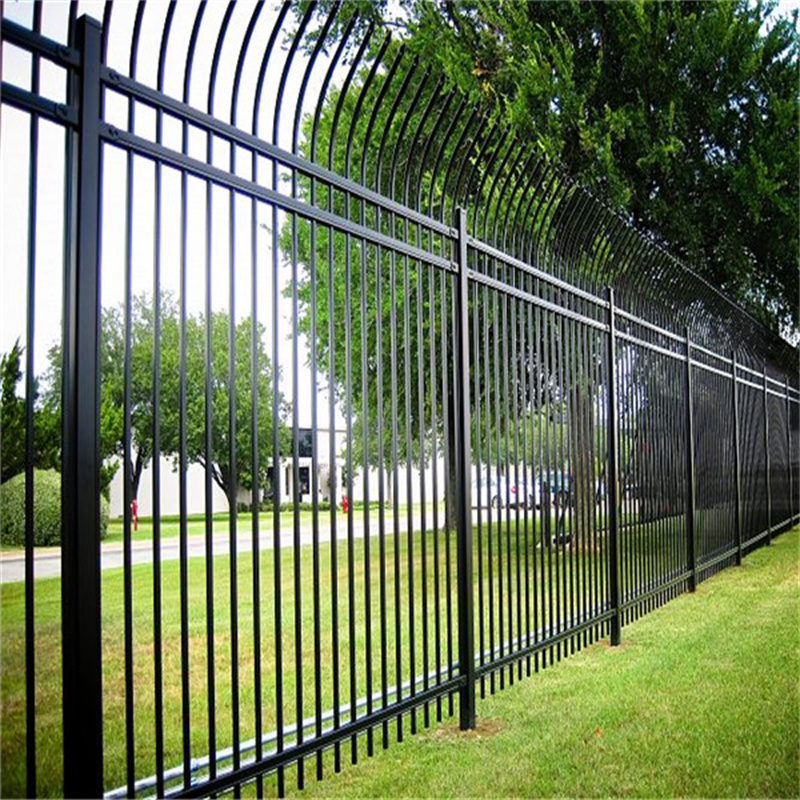
Before any project begins, a critical decision must be made about its perimeter, a choice that is far more than a simple logistical detail. Opting for temporary or permanent fencing is a strategic move that profoundly impacts budget, security, compliance, and operational efficiency. While all fencing serves the core functions of defining boundaries and ensuring safety, the key distinction is its intended lifespan and adaptability. This primary difference ultimately dictates a project’s materials, installation methods, and overall cost structure.
Understanding this distinction is crucial for project managers, event coordinators, and facility owners. A temporary fence offers a transient, flexible barrier, ideal for the dynamic environment of a construction site or the fleeting nature of a music festival. In contrast, a permanent fence is an enduring statement of security and demarcation, an integral part of a property’s infrastructure. The following sections will demystify these two categories, providing the clarity needed to select the optimal solution for your specific requirements.
What Is Temporary Fencing?
Temporary fencing is a modular, free-standing barrier system designed for short-term or interim use. Unlike permanent installations that are anchored deep into the ground, these fences typically utilize weighted bases or interlocking panels to create a stable perimeter that can be rapidly deployed, reconfigured, and removed. Common materials include individual temporary fencing panels made of chain-link mesh, welded wire, or lighter-weight plastic, often supported by steel feet and clamps. These systems are the workhorses of construction sites, special events, and any scenario demanding a flexible boundary.
The principal advantages of temporary solutions are speed and agility. As noted in a recent industry report from the Construction Safety Authority, temporary fencing significantly reduces installation time and upfront costs, while enabling flexible perimeter configurations that can adapt to changing site needs. They can be rented, which eliminates the need for a large capital outlay and the burden of storage and maintenance. This makes them ideal for securing equipment, managing crowd control at concerts, or meeting short-term safety regulations for public works projects. Their modularity allows for easy creation of access gates and adjustment of the perimeter as a project’s phases evolve.
What Is Permanent Fencing?
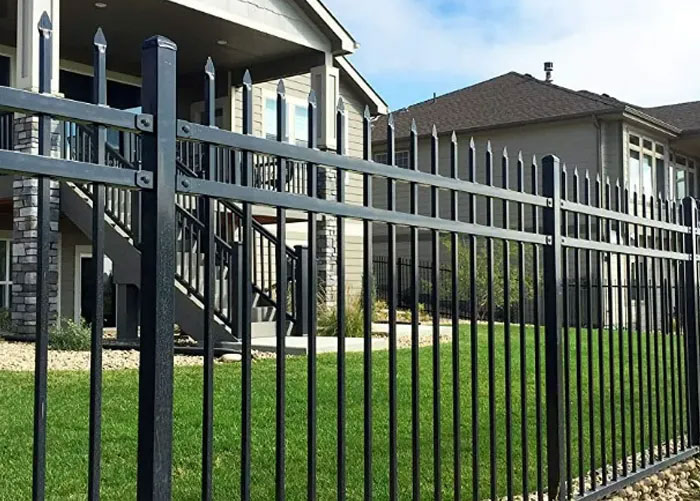
Permanent fencing, as the name implies, is a long-term boundary solution installed with the intent to remain in place for many years, if not decades. These fences are characterized by their durable construction and in-ground installation, which typically involves setting posts in concrete footings. Materials are chosen for longevity and strength, ranging from high-security welded mesh and galvanized chain-link to aesthetic options like wood, vinyl, or even reinforced concrete walls. These are the fences you see defining the perimeters of industrial facilities, commercial properties, and residential communities.
The primary benefit of a permanent fencing installation is its superior strength and durability. According to leading Security Industry Publications, it provides a more robust barrier against unauthorized entry, vandalism, and the relentless effects of weather. While the initial investment in materials and labor is higher—and often requires building permits and longer lead times—the lifecycle cost can be significantly lower. Over time, the reduced need for repairs, replacement, and maintenance makes a permanent fence a cost-effective investment for site-wide security and clear property demarcation.
Applications: When to Use Temporary Fencing
The decision to use temporary fencing is driven by a project’s finite timeline and dynamic nature. In environments where boundaries are not fixed and security needs evolve, a permanent solution is both impractical and cost-prohibitive. Temporary fencing provides the necessary safety and control without the long-term commitment, allowing project managers and event organizers to secure a site efficiently and compliantly. The operational principle is agility: the fence must be able to appear, adapt, and disappear in lockstep with the project’s requirements, ensuring safety without hindering progress.
Construction Sites and Phased Developments
On a modern construction site, the perimeter is rarely static. Temporary fencing is indispensable for establishing initial site security, protecting valuable equipment and materials from theft, and keeping the public safe from hazards. As construction progresses through different stages, this fencing can be easily moved to accommodate new work zones or changing access points. This staged fencing strategy is particularly crucial in phased development projects, where one part of a site may be operational while another is still under construction. The ability to segment areas with temporary barriers is fundamental to safe and efficient phased development fence planning.
I recall a recent project, the Osborne Park Hospital expansion in Western Australia, that perfectly illustrates this. In the initial phases, temporary fencing with banner mesh was erected to clearly define the work zones and secure the site. As early works progressed, this was strategically replaced in stages with colorbond hoarding panels to provide a more solid visual barrier and better directional signage for staff and visitors, all while major utility diversions were underway. This phased approach, using adaptable temporary solutions, allowed construction to proceed with minimal disruption to the active hospital, showcasing how these systems are integral to managing complex, multi-stage projects.
Event Perimeter and Crowd Control
For large-scale events like music festivals, marathons, or outdoor markets, temporary fencing is the backbone of operational success. It serves multiple critical functions: defining the event perimeter, creating secure entry and exit points, and segmenting the venue into different zones like VIP areas, staff-only sections, and vendor stalls. Steel barricades, a specific type of temporary barrier, are essential for managing queues and directing pedestrian traffic flow safely. The rental model is particularly advantageous here, allowing event organizers to access professional-grade event perimeter fencing for a fraction of the cost of ownership, without worrying about transport or storage.
A well-planned fencing layout is paramount for safety. It must ensure clear paths for emergency egress and prevent dangerous overcrowding. For a major city marathon I consulted on, we used thousands of interlocking steel crowd control barricades to line the route, keeping spectators safe and runners unimpeded. At the finish line festival, taller chain-link panels were used to establish a secure perimeter, with designated entry points managed by security. This combination demonstrates how different temporary systems work together to create a safe, controlled, and successful event environment.
Utility and Other Short-Term Applications
Beyond construction and events, temporary fencing is vital for a host of other short-term scenarios. Public works departments rely on it to create safe temporary traffic diversions during road repairs or utility maintenance, guiding vehicles and pedestrians safely around work zones. In emergency response situations, portable panels can be deployed in minutes to secure an unsafe area or manage access for first responders. The logistical benefits of temporary fencing rental services are a key driver of adoption in these fields, providing rapid access to the necessary equipment without capital expenditure.
Modern temporary fencing can also be integrated with advanced security features to elevate protection. Panels can be fitted with a security alarm system or even linked to a temporary electric fence energiser to provide a more active deterrent against intrusion. At a recent project on Akoranga Drive, a temporary fence system was installed with a 16-meter cantilever gate to allow wide, secure access for large construction vehicles. The system also included support stays for enhanced wind resistance, demonstrating how even temporary solutions can be engineered for high performance and reliability.
Applications: When to Use Permanent Fencing
The decision to invest in permanent fencing is rooted in a long-term vision for security, property value, and operational stability. When the goal is to establish a lasting boundary that will protect assets and define a property for years or decades, the permanence of an in-ground fence becomes an asset, not a liability. The underlying principle is one of lifecycle cost analysis; the higher upfront investment is justified by decades of durability, low maintenance, and unwavering security. This is for when you build a perimeter you intend to last as long as the buildings it protects.
Long-Term Site and Property Security
For industrial plants, commercial campuses, data centers, and even residential communities, a permanent fence is the first line of defense. It provides a formidable physical barrier against unauthorized entry, vandalism, and theft. Materials like galvanized steel picket fences, welded mesh, and reinforced concrete are chosen for their ability to withstand both determined intruders and harsh weather conditions. A well-constructed permanent fence serves as a powerful deterrent, signaling that a property is secure and monitored.
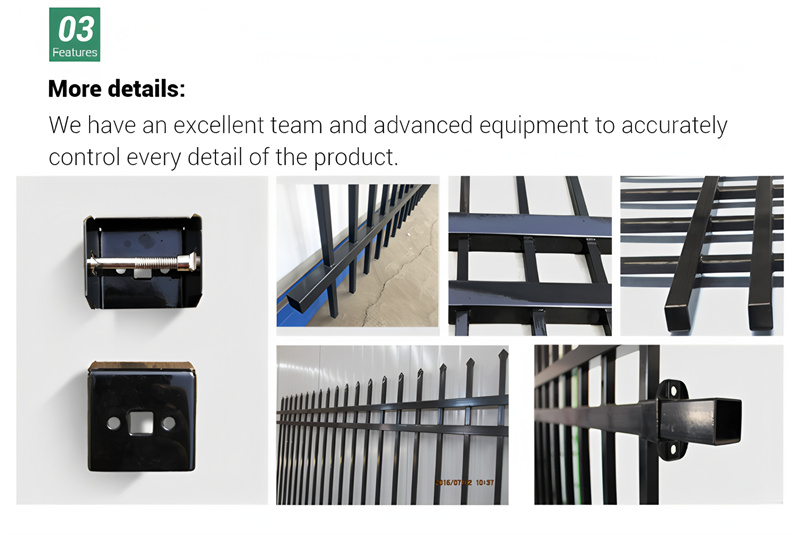
While the initial cost is higher than repeated rentals of temporary fencing, the investment amortizes over its long lifespan. Consider an industrial facility that will operate for 30 years. The cost of purchasing and installing a high-security permanent fence is a one-time capital expense. In contrast, renting and re-renting temporary fencing for that duration would be financially untenable and provide a far lower level of security. Products like DB Fencing’s steel picket fences, which are galvanized and powder-coated for corrosion resistance, are engineered for this exact purpose, offering decades of reliable long-term security fencing with minimal upkeep.
Aesthetic and Regulatory Considerations
Permanent fencing is not just about security; it’s also an architectural element that contributes to a property’s aesthetic and value. The choice of materials can be tailored to complement the building design and landscaping. A classic wood fence can provide a warm, traditional feel for a residential development, while sleek vinyl or architecturally designed concrete can offer a modern look for a corporate campus. This role in property demarcation is often subject to local zoning ordinances and neighborhood standards, which dictate acceptable heights, materials, and setbacks.
Unlike most temporary setups, permanent installations almost always require permits and must adhere to local building codes. This process ensures the fence is structurally sound and safely installed. Furthermore, these permanent structures provide a stable framework for integrating sophisticated security systems. Surveillance cameras, access control readers, and perimeter intrusion detection alarms can be seamlessly mounted onto a permanent fence, creating a comprehensive, multi-layered security solution that blends the aesthetics of permanent fencing with robust protection.
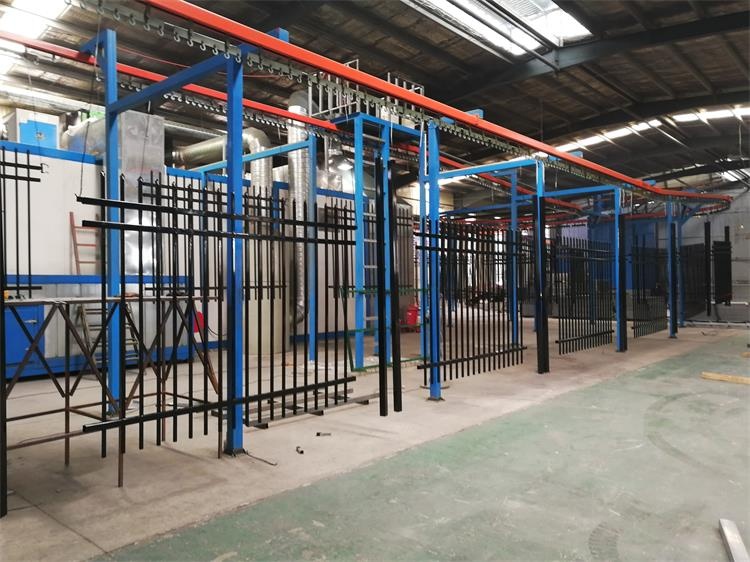
Cost Comparison and Lifecycle Analysis
For any project manager or developer, the bottom line is paramount. A direct comparison of temporary versus permanent fencing reveals a classic trade-off between short-term expenditure and long-term value. Simply looking at the initial invoice is misleading; a true cost-benefit analysis requires an examination of the total cost of ownership over the project’s or property’s entire lifecycle. This involves factoring in not just material and installation costs, but also maintenance, replacement, flexibility, and the cost of potential security breaches associated with a mismatched solution.
Initial Installation and Setup Costs
The most immediate difference lies in the upfront cost. Renting temporary fencing panels involves a low initial outlay, typically billed on a monthly basis, covering the panels, bases, and clamps. Labor costs for setup are also minimal, as a small crew can erect a significant perimeter in hours. In contrast, purchasing and installing a permanent fence represents a substantial capital investment. This includes the high cost of materials like steel or vinyl, significant labor for digging post holes and pouring concrete, and often, fees for permits and land surveys. Furthermore, any changes to the perimeter of a permanent fence are costly and disruptive, whereas reconfiguring a temporary fence incurs only minor labor costs.
| Cost Factor | Temporary Fencing | Permanent Fencing |
|---|---|---|
| Initial Material Cost | Low to moderate (rental or purchase) | High (purchase and installation) |
| Installation Time | Hours to days | Days to weeks |
| Permit Requirements | Usually minimal | Often required |
| Maintenance | Minimal due to short duration | Ongoing over years |
| Flexibility & Reconfiguration | High | Low |
Maintenance and Replacement Costs
Over the long term, the cost narrative begins to shift. Temporary fencing, while cheap to rent, is built for a limited lifespan. Panels can be damaged by machinery on a construction site or by unruly crowds at an event. While the rental company typically handles replacement, consistent damage can lead to additional fees. Permanent fencing, conversely, is built to last. Materials like galvanized steel or aluminum are resistant to rust and corrosion, and a concrete-set fence is far less susceptible to damage from wind or impact. The primary ongoing cost is occasional inspection and minor repairs, which is often far less than the cumulative cost of renting a temporary solution for an extended period.
Total Cost of Ownership Over Time
The concept of Total Cost of Ownership (TCO) illuminates the break-even point. For a two-year construction project, renting temporary fencing is almost certainly the most economical choice. However, for a facility that needs a secure perimeter for ten years, the TCO of a permanent fence will be substantially lower. The initial investment in the permanent fence might be equal to 3-4 years of temporary rental fees. Beyond that break-even point, the permanent fence provides “free” security for the rest of its 20- or 30-year lifespan, while the rental costs would have continued to accumulate indefinitely. Project managers must therefore analyze the required duration of the perimeter to make a financially sound decision.
Reliable Metal Fences Built for Global Markets
From quick sample delivery to quality that meets international standards, DB Fencing combines expert manufacturing with competitive pricing to supply durable steel fences and more. Partner with us for trusted products and responsive support.
Transitioning and Hybrid Solutions
The choice between temporary and permanent fencing is not always a binary one. For large, multi-year projects or developing facilities, a hybrid approach that leverages the strengths of both systems can be the most intelligent and cost-effective strategy. This involves careful planning to determine how the site’s perimeter needs will evolve over time, allowing for a seamless transition from flexible, temporary barriers to a final, permanent enclosure. This advanced strategy enables developers to maintain robust security and compliance at every stage while optimizing their budget.
Phased Development Fence Planning
In large-scale phased developments, it’s common to begin with temporary fencing to secure the entire site during initial earthworks and foundation laying. As the first phase of construction completes and becomes operational, a section of the temporary fence is removed and replaced with a permanent one. The remaining temporary panels are then re-deployed to secure the perimeter for the next phase of construction. This rolling transition requires careful coordination between the construction team, security personnel, and fencing contractors to ensure there are no gaps in the perimeter during the changeover. The budget must account for both the rental of temporary systems and the scheduled capital expenditure for the permanent installations.
Hybrid Fencing Solutions
Innovations in the fencing industry have also led to the rise of hybrid or semi-permanent solutions. These systems blur the lines between temporary and permanent. For example, some modular panel systems are designed with posts that can be driven into the ground without concrete, providing more stability than a standard temporary fence but allowing for easier removal than a traditional permanent one. These are ideal for projects that may last several years but do not warrant a full permanent installation. A case in point could be a long-term environmental remediation site, where a secure but ultimately removable perimeter is needed for a 5- to 7-year period.
Logistics and Rental Service Coordination
A successful hybrid strategy hinges on excellent logistics and a strong partnership with a flexible fencing provider. The rental service must be able to deliver and remove panels on a precise schedule to minimize disruption and avoid security lapses. When selecting a partner, look for companies that can offer a range of solutions, from standard chain-link panels to more robust options with integrated privacy screens or security alarm system compatibility. Clear communication about the project timeline and transition points is essential to ensure that the right equipment is on-site at exactly the right time.
Compliance, Safety & Security Considerations
Beyond simple boundary demarcation, fencing on construction sites and at public events is a matter of legal and regulatory compliance. An improperly specified or installed fence is not just a logistical failure; it’s a significant safety liability. Work Health and Safety Acts and local municipal codes mandate specific requirements for fencing to protect workers and the public. Exceeding these minimum standards with innovative safety technologies and best practices is the hallmark of a professionally managed project.
Regulatory Standards for Temporary Fencing
Adherence to safety regulations is non-negotiable, as government frameworks mandate specific standards for the type and duration of fencing on construction sites. The updated Australian Standard for Temporary Fencing and Hoardings (AS 4687:2022), for example, is far more comprehensive than earlier versions. It introduces a risk-based classification system, detailed methodologies for wind load assessment, and mandatory testing for stability. This rigorous approach ensures fencing is fit for purpose, providing a much higher degree of safety, a principle reflected in similar provincial regulations in regions like Canada.
Security Enhancements and Technologies
While meeting compliance standards is the baseline, true site security often requires going further by enhancing temporary fencing with added technologies. For instance, wind resistance screens provide privacy but must be properly engineered to avoid toppling, a risk highlighted by groups like the UK’s Temporary Works Forum. For more robust protection, panels can be integrated with alarm systems or an electric fence energiser. These non-lethal electric systems offer a powerful deterrent against intrusion while ensuring safety for the public and wildlife.
Safety & Crowd Management in Events
At public events, fencing is the primary tool for crowd management and safety. The layout must be designed to facilitate smooth crowd flow, prevent bottlenecks, and provide clearly marked emergency egress routes in case of an incident. While taller fence panels define the main perimeter, lower steel barricades are more effective for creating queues and directing pedestrian traffic within the venue. Every decision—from the placement of a gate to the width of a corridor—must be made with crowd dynamics in mind. Local event safety regulations will often specify minimum requirements, but experienced organizers know that a well-thought-out fencing plan is the key to preventing security incidents before they happen.
Sustainability and Environmental Impact
In today’s business climate, a project’s environmental footprint is a critical measure of its success. Fencing, like all construction materials, has an ecological impact that stems from its manufacture, transport, and disposal. As a result, project managers and developers are increasingly called upon to make choices that balance operational needs with environmental stewardship. This involves analyzing the entire lifecycle of fencing materials and adopting practices that reduce waste and promote sustainability.
Environmental Effects of Fencing Materials
Different fencing materials carry vastly different environmental costs. Steel and aluminum are energy-intensive to produce but are highly durable and infinitely recyclable. Plastic fencing may have a lower manufacturing footprint but can be difficult to recycle and may degrade into microplastics if not properly managed. Wood is a renewable resource, but its longevity often depends on chemical treatments that can be harmful to the environment. When choosing a permanent fence, a key trade-off is often between the environmental cost of a highly durable, long-lasting material and a less impactful material that may need to be replaced sooner.
Sustainable Practices in Temporary Fencing
The rental model inherent to temporary fencing is, by its nature, a sustainable practice based on the principles of a circular economy. Reusability is its greatest ecological benefit. A single fence panel can be deployed on dozens of different sites over its lifespan, an drastic reduction in the demand for new material production and minimizing waste. To maximize this benefit, choose rental companies that have robust maintenance and storage programs designed to extend the life of their inventory. Adopting best practices during site setup and teardown to prevent damage to panels further contributes to reducing the overall environmental footprint.
Innovations in Eco-Friendly Fencing
The industry is responding to the demand for greener solutions with a host of innovations. Fencing products made from recycled composite materials, combining plastic and wood fibers, offer a durable alternative that diverts waste from landfills. Manufacturers are also developing new coatings and treatments that provide corrosion resistance without the use of heavy metals or volatile organic compounds. On the technological front, the nascent concept of virtual fencing, which uses GPS and sensor-based collars to contain livestock or manage wildlife, represents a potential future where physical barriers—and their associated material impact—could be significantly reduced in certain applications.
Reliable Metal Fences Built for Global Markets
From quick sample delivery to quality that meets international standards, DB Fencing combines expert manufacturing with competitive pricing to supply durable steel fences and more. Partner with us for trusted products and responsive support.
Conclusion: Key Takeaways
The decision between temporary and permanent fencing is a pivotal one, fundamentally shaping a project’s budget, security posture, and overall operational flow. This choice is not merely logistical but a strategic calculation that balances immediate costs against long-term value and liability. Therefore, your choice must be guided by a clear-eyed assessment of your project’s unique demands, considering factors like duration, required security levels, and regulatory compliance to ensure a successful outcome.
- Temporary fencing is best for short-term, flexible, and cost-effective perimeter control, especially on construction sites and events. Its value lies in its agility, low upfront cost, and the convenience of rental models.
- Permanent fencing suits long-term property security needs, offering durability and lower lifecycle maintenance. It is an investment in lasting security, stability, and property value.
- Lifecycle cost analysis and regulatory compliance are critical in making an informed fencing choice. Look beyond the initial invoice to understand the total cost over time and ensure you meet all legal safety standards.
- Hybrid solutions provide adaptable strategies for phased projects, balancing security and budget. Don’t be afraid to combine temporary and permanent systems for complex, long-term developments.
- Considering sustainability and environmental impact is increasingly essential in fencing decisions. The reuse model of temporary rentals and the emergence of eco-friendly materials offer greener alternatives.
Ultimately, the right fence is the one that is fit for purpose. We encourage project managers and facility owners to evaluate their requirements carefully. By considering the project duration, security risks, budget constraints, and compliance landscape, you can make a strategic choice. For complex needs, always consult with fencing experts who can help design and implement an optimal perimeter security solution tailored to your exact specifications.
Frequently Asked Questions
When should I choose temporary fencing over permanent?
You should choose temporary fencing for any situation where the need for a barrier is finite and flexibility is paramount. This includes construction projects of a limited duration, special events like festivals or concerts, emergency situations requiring rapid deployment, or phased developments where the perimeter needs to be reconfigured as the project evolves. If speed of installation and removal, along with the ability to rent rather than buy, are your priorities, temporary fencing is the correct choice.
What are the cost differences between temporary and permanent fencing?
The primary cost difference is upfront versus long-term. Temporary fencing has a low initial cost, typically through a rental model, making it financially accessible for short-term projects. Permanent fencing has a high upfront cost due to materials purchase, significant labor for in-ground installation, and potential permitting fees. However, over a long period (5+ years), the total cost of ownership for a permanent fence becomes lower as it requires minimal maintenance and you are no longer paying recurring rental fees.
Can temporary fencing provide adequate security for construction sites?
Yes, when specified and installed correctly, temporary fencing can provide adequate security for most construction sites. To be effective, it must comply with local safety regulations like Australia’s AS 4687:2022, which mandates standards for stability and wind resistance. Security can be further enhanced by adding privacy screens, anti-climb mesh, and integrating technologies like alarm systems or electric fence energisers. While not as robust as a permanent concrete-set fence, a well-managed temporary system is the industry standard for securing active construction zones.
What permits are required for permanent fencing installation?
Permitting requirements for permanent fencing vary significantly by municipality, but they are almost always necessary. You will typically need to submit a plan to your local building or planning department for approval. This plan will detail the fence’s height, materials, and exact location on the property, including its distance from property lines (setbacks). The process often involves inspections to ensure the fence is installed according to code, particularly regarding footing depth and structural integrity. Always check with your local government office before beginning any permanent installation.
How can hybrid fencing solutions benefit phased construction projects?
Hybrid solutions offer the best of both worlds for long-term, multi-phase projects. A project can start with cost-effective temporary fencing to secure the entire site. As Phase 1 is completed and becomes operational, that section of the perimeter can be upgraded to its final permanent fencing. The temporary panels can then be relocated to secure the new boundary of Phase 2. This strategy optimizes cash flow by deferring the capital expense of permanent fencing, maintains full security and compliance throughout the project’s life, and ensures maximum flexibility.
Are there sustainable options for fencing materials?
Absolutely. For temporary solutions, the rental model itself is highly sustainable due to its emphasis on reuse. For permanent fences, options include steel and aluminum with high-recycled content, wood sourced from sustainably managed forests (FSC-certified), and composite materials made from recycled plastic and wood fibers. Additionally, innovations in coatings are reducing environmental impact. Considering the longevity of a material versus its production footprint is also a key part of making a sustainable choice.


