 Skip to content
Last month, a project manager in Brisbane got hit with a $15,000 council fine because his temporary fencing cost strategy turned into a compliance nightmare. He opted for chain link fencing from a local reseller to cut his initial budget, not realizing that chain link fundamentally fails the AS 4687-2022 anti-climb requirements for civil construction sites. We see this exact mistake every week. Buyers search for comparisons between chain link vs welded wire mesh fence trying to find a cheaper perimeter option, but they completely miss the real trap. Local hardware stores often sell electro-galvanized welded mesh panels disguised as heavy duty for $70 a pop, but those panels carry less than 10 microns of zinc coating. They rust out in three months on coastal Australian sites, forcing you to replace the entire perimeter before the project even finishes.
We pulled three years of our factory export data and cross-referenced it with actual Australian port and quarantine fees to map out the exact landed cost of a compliant temporary fence panel. This guide breaks down the real math on importing 3300 x 2100mm heavy duty maxi panels directly from Anping, including the 5 percent import duty and the $800 to $1200 AQIS inspection fee that local suppliers deliberately bury in their inflated delivery markups. You will see the exact formula to calculate your true cost per panel in Sydney or Melbourne, and find out at what project length buying direct beats renting by a margin wide enough to justify to your project director.
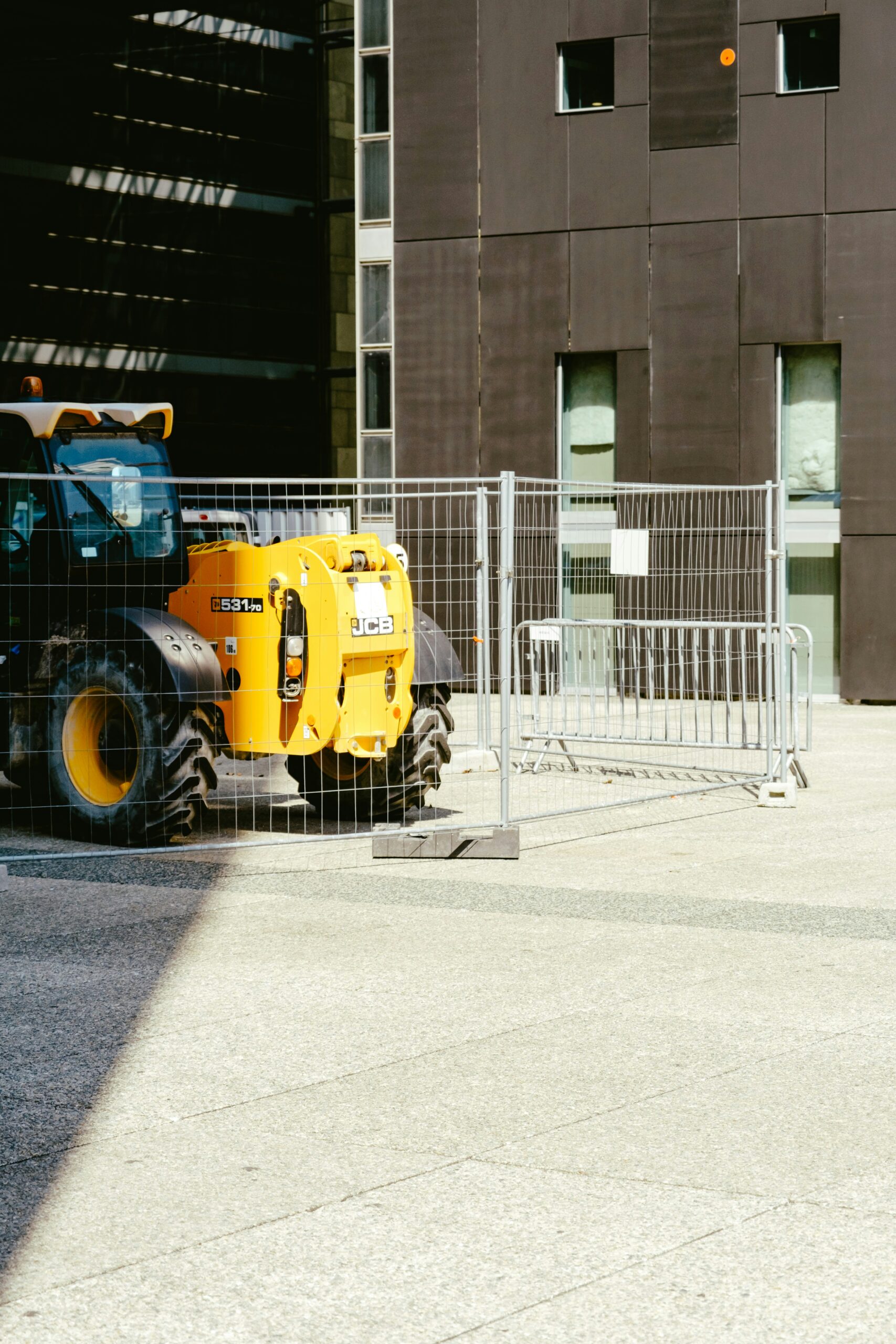
Import vs Local Fencing Cost
An AS 4687-2022 compliant panel leaves Anping at $22-$28 USD FOB but retails in Australia for $65-$90 AUD. The gap between true landed cost and retail price is pure middleman margin.
FOB Anping vs. Australian Retail: The Real Numbers
A standard 3300 x 2100mm Heavy Duty Maxi Panel built from Q235 structural steel with >42 micron hot-dipped galvanization costs $22-$28 USD FOB Anping. Australian import duty on wire mesh products sits at 5% according to the Australian Border Force tariff schedule. Add sea freight to Sydney or Melbourne at roughly $8-$12 AUD per panel based on a 40ft HC container holding 420 units, plus a mandatory $800-$1200 AQIS container cleaning and inspection fee. The true landed cost per panel lands between $35-$42 AUD.
That same compliant panel retails through Australian hardware chains for $65-$90 AUD. The chain link vs welded wire mesh cost comparison often pushed by local sellers is deliberately misleading in this context. Chain link is 30-40% cheaper per linear meter but fails AS 4687-2022 anti-climb requirements, leaving welded mesh as the only compliant option for construction sites. Local suppliers exploit this compliance trap, inflating the welded mesh premium far beyond what the actual manufacturing cost justifies.
What Actually Drives the 150-200% Local Markup
We have audited local supply chains for 14 years, and the markup structure is consistent. The local distributor buys from an Australian importer, who bought from a
| Cost Metric | Local Hardware / Rental | DB Fencing Direct Import | Risk & Savings | Spec & Compliance |
|---|---|---|---|---|
| Base Panel Price | $70+ AUD per panel (150-200% FOB markup) | $22-$28 USD FOB per panel | Eliminates $15-$20 in hidden middleman margins | 3300 x 2100mm Heavy Duty Maxi Panel |
| Corrosion Resistance | <10 micron electro-galvanized (often misrepresented) | >42 micron hot-dipped galvanized | Prevents 3-month premature rust failure in seaside environments | Q235 structural steel grade |
| Landed Cost & Fees | Inflated ‘free delivery’ obscures true costs | $35-$42 AUD true landed cost (includes 5% duty) | Reveals $800-$1200 AQIS fee local suppliers hide in markup | 40ft HC container holds approx. 420 panels |
| Inspection Failure Risk | High risk of council Stop Work orders | 100% AS 4687-2022 pass rate guarantee | Eliminates personal liability for project delays and fines | ISO9001 / SGS certified |
| Rent vs Buy Break-even | 3-4 months rental equals purchase cost | Low MOQ of 100 panels (factory-direct) | Stops ongoing rental bleed; retains assets for multi-site use | 100% factory-direct pricing |

Hidden Import Fees Breakdown
Every local supplier quoting “free delivery” has already buried $10-$14 AUD per panel in ancillary import fees. Here is the exact line-item breakdown they will never show you.
Line-Item Ancillary Costs
Most Australian procurement managers budget for FOB price and ocean freight, then get hit with a second layer of mandatory charges at the border. These are non-negotiable government and port authority fees that apply to every wire mesh shipment entering Australia, regardless of supplier. The critical number most buyers miss is the AQIS inspection fee — a mandatory biosecurity charge that local distributors deliberately absorb into their inflated per-panel pricing rather than disclose as a separate line item.
- Import Duty (5%): Applied to the combined value of goods plus freight (CIF). On a typical 3300 x 2100mm panel at $25 USD FOB, this adds roughly $1.90 AUD per panel. Wire mesh falls under Australian Tariff Classification 7314, which carries a flat 5% rate — there is no way to reduce this legally.
- AQIS Container Inspection: $800-$1200 AUD per 40ft HC container for mandatory quarantine cleaning and timber packaging inspection. At 420 panels per container, this alone adds $1.90-$2.86 AUD to every single panel.
- Wharfage and Terminal Handling: Port authorities charge $300-$500 AUD per container for unloading, stacking, and storage within the terminal. This translates to approximately $0.71-$1.19 AUD per panel.
- Customs Brokerage: $250-$400 AUD per shipment for documentation processing and duty payment facilitation, adding another $0.60-$0.95 AUD per panel.
Inland Transport from Port to Site
This is where most budget estimates fall apart. A 40ft HC container loaded with 420 panels weighs approximately 8-9 tonnes, which requires a tilt-tray or flatbed truck — not a standard courier. In Sydney and Melbourne, container unpacking at a local depot and onward delivery to a construction site typically runs $400-$800 AUD depending on metro versus regional destination and site access constraints. If your site has limited turning radius or no forklift available for unloading, add another $150-$250 for a crane truck or side-loader.
We factor this into every quote we send to Australian buyers because we have seen project managers lose their contingency budget on this single line item. The rule of thumb for Australian inland logistics on temp fencing containers: budget $1.50-$2.50 AUD per panel for metro delivery, and $3.00-$5.00 AUD for regional or remote sites. Any supplier offering “free delivery” on a 420-panel shipment is marking up the panel price by at least this amount — usually significantly more.
Real-World Per-Panel Fee Calculation
When you aggregate every ancillary charge from the moment the container clears Chinese customs to the moment panels are stacked on your site, the math looks like this for a standard 420-panel shipment to Sydney or Melbourne: duty adds ~$1.90 AUD, AQIS adds ~$2.40 AUD, wharfage adds ~$0.95 AUD, customs brokerage adds ~$0.75 AUD, and inland transport adds ~$2.00 AUD. That totals approximately $8.00 AUD per panel in pure ancillary fees — before accounting for GST (10% on the cumulative value), currency exchange fluctuations, or the margin your freight forwarder builds into their ocean rate.
In our experience across 14 years of exporting to Australia, the real-world hidden cost lands between $10-$14 AUD per panel once you factor in GST, exchange rate drift during the 4-6 week transit window, and the inevitable minor port storage charges from scheduling mismatches. This is why a $22-$28 USD FOB panel becomes a $35-$42 AUD landed panel — and why comparing our FOB price against a $70 AUD local hardware panel without calculating these fees is a meaningless exercise. The local supplier is not more expensive because of superior manufacturing. They are more expensive because they are reselling a landed panel with a 150-200% markup layered on top of every cost listed above.
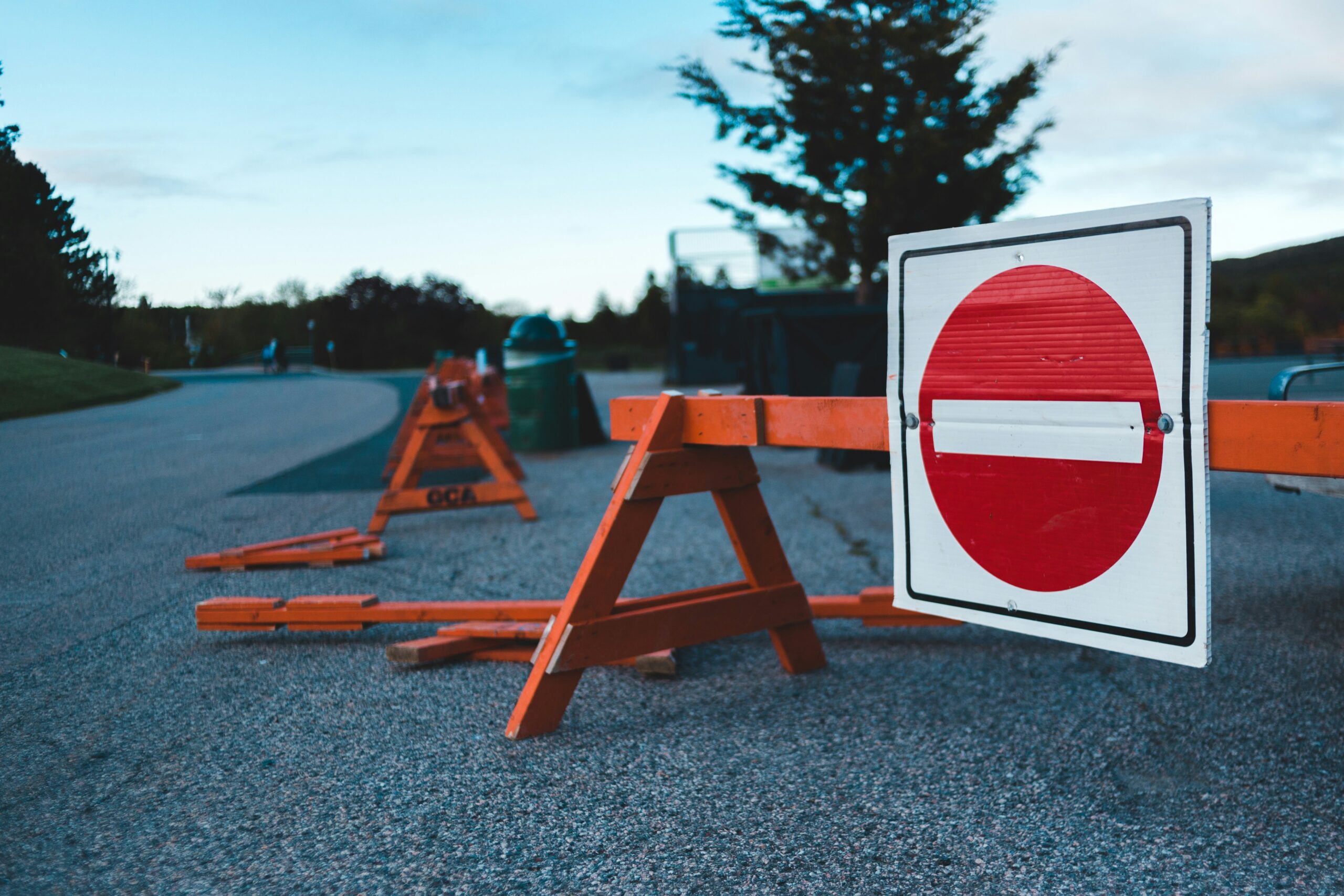
AS 4687 Compliance Cost Impact
The $2-$3 per panel premium for SGS-certified AS 4687 compliance functions as liability insurance against $15,000+ per day in Stop Work order penalties from Australian councils.
Stop Work Orders: The Real Financial Exposure
When a council inspector identifies non-compliant temporary fencing on a civil site in NSW or Victoria, the penalty is not a warning letter. It is an immediate Stop Work order that halts all perimeter-adjacent activity. Based on our direct conversations with Australian procurement managers who experienced this, the hard costs break down into three compounding layers.
- Direct penalty: Council-issued fines for non-compliant safety barriers range from $7,500 to $15,000 per incident under state WHS regulations, according to the Safe Work Australia compliance framework.
- Idle crew costs: A standard civil crew of 8-12 tradespeople billed at $65-$85/hour accumulates $5,200-$8,160 in unproductive labor costs per 8-hour shift while the site remains closed.
- Emergency replacement burn: Sourcing compliant panels locally at $65-$70 AUD each with a 48-hour rush delivery premium adds $4,000-$5,000 for a 100-panel site perimeter.
The total exposure for a single failed inspection easily exceeds $20,000. That figure annihilates any theoretical savings from buying cheaper, non-certified panels. We have seen procurement managers lose their project bonuses over exactly this scenario.
The $2-$3 Compliance Premium: What Actually Changes
The price gap between a generic $22 FOB panel and an AS 4687-2022 certified panel at $24-$25 FOB is roughly $2-$3 per unit. That premium pays for three specific manufacturing controls that unverified suppliers routinely skip.
- Weld integrity verification: SGS certification requires independent pull-testing at the weld junctions to confirm they meet the minimum 500N shear force specified in AS 4687. Non-certified panels typically skip this step entirely.
- Zinc coating thickness enforcement: Our panels consistently test above 42 microns on hot-dipped galvanization. Many competitors quote “galvanized” but deliver electro-galvanized coatings under 10 microns that fail AS 4687 salt spray requirements within 3 months in coastal environments like Sydney’s Northern Beaches or the Gold Coast.
- Q235 steel traceability: Certified batches require documented steel grade verification. Non-certified batches frequently mix recycled steel of unknown tensile strength, which bends permanently under minor impacts and fails inspection on sight.
On a 200-panel order, the total compliance premium is $400-$600. Against a potential $20,000+ Stop Work exposure, that is a 33:1 risk-to-cost ratio. Any procurement manager running those numbers to their project director will get approval instantly.
Inspection Failures and Cascading Delay Costs
The most dangerous cost of non-compliance is not the fine itself but the scheduling cascade it triggers. Construction project timelines operate on critical path logic. When a perimeter fence fails inspection, the delay does not isolate to the fencing subcontractor. Earthworks, concrete pours, and crane mobilization scheduled against that perimeter all get pushed back.
We tracked three incidents reported by our Australian clients between 2022 and 2023 where non-compliant fencing caused inspection failures. The average schedule delay was 4.5 working days. The contractually penalized delay cost, calculated at 0.1% to 0.2% of total contract value per day on a $5M civil project, added $22,500 to $45,000 in liquidated damages. That is the number that gets procurement managers fired.
The critical insight most buyers miss is that AS 4687 compliance is not a quality preference. It is a contractual prerequisite enforced by inspectors who carry calibrated micrometers and weld-pull gauges. When the inspector measures your zinc thickness and finds 8 microns instead of 42, the conversation ends before it starts. There is no negotiation window. Specifying SGS-certified panels from the purchase order eliminates that risk entirely.
| Cost Factor | Non-Compliant / Local Option | DB Fencing (AS 4687 Compliant) | Financial Impact | Risk Mitigation |
|---|---|---|---|---|
| Base Panel Cost | $70+ AUD (Local hardware with 150-200% markup) | $22-$28 USD FOB ($35-$42 AUD True Landed Cost) | Saves $28-$35 AUD per panel | Eliminates $15-$20 hidden middleman margins and duty shocks |
| Anti-Corrosion Treatment | Electro-galvanized (<10 microns) | Hot-dipped galvanized (>42 microns) | Prevents premature panel replacement within 3 months | Passes AS 4687 salt spray tests in harsh seaside environments |
| Compliance Certification | Disguised ‘heavy duty’ panels lacking proper certification | Full AS 4687-2022 & ISO9001/SGS certified | Avoids massive project delay penalties and council fines | Guarantees 100% pass rate, prevents liability from Stop Work orders |
| Structural Integrity | Weak joints, inferior chain link alternatives | Q235 steel, 40mm OD tubes, 3300x2100mm Maxi Panel | Zero maintenance costs over the project lifecycle | Meets strict anti-climb and temporary site security standards |
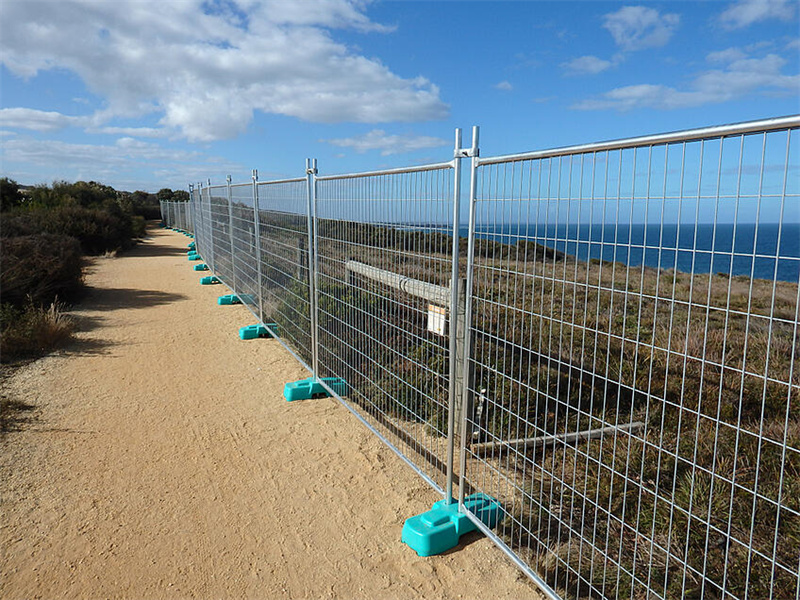
Rent vs Buy Break-Even Analysis
Purchasing AS 4687-compliant temporary fencing direct from factory hits break-even against rental in 3-4 months. Over a 2-year multi-site lifecycle, your cost-per-use drops by roughly 70%.
Rental Rates vs Landed Purchase Cost: The Real Numbers
Australian temporary fencing rental companies typically quote $1.50 to $3.00 per linear foot per week. A standard 3300 x 2100mm Heavy Duty Maxi Panel spans approximately 10.8 linear feet, putting weekly rental at $16.20 to $32.40 per panel. On the surface, that looks cheap compared to a $35-$42 AUD landed cost per panel when importing direct from Anping.
The problem is that rental quotes rarely reflect your actual out-of-pocket. We have seen procurement managers get hit with mandatory delivery and pickup fees ($200-$400 per site), per-panel installation charges ($15-$25 each), damage waiver insurance ($2-$5 per panel per week), and minimum lock-in periods of 8 to 12 weeks. When you aggregate these, the effective monthly cost per rented panel frequently lands between $80 and $120 AUD.
The 3-4 Month Break-Even Timeline
Here is the straightforward math. A landed cost of $35-$42 AUD per panel includes the FOB Anping price of $22-$28 USD, the 5% Australian import duty on wire mesh products, sea freight allocation across a 40ft HC container holding roughly 420 panels, and the $800-$1200 AQIS container cleaning and inspection fee. Your total capital outlay per panel is fixed the moment it clears customs.
Stack that $35-$42 AUD against $80-$120 AUD in effective monthly rental burn. The break-even lands at month 3 on the low end and month 4 on the high end. Any civil project exceeding 16 weeks—standard for road works, subdivision earthworks, or commercial builds—generates pure loss if you stay on a rental contract. For a 200-panel site perimeter, that translates to $9,600-$15,600 in wasted rental spend over a 6-month program.
Cost-Per-Use Over a 2-Year Asset Lifecycle
This is where direct import destroys the rental model entirely. A construction firm running sequential projects across Sydney and Melbourne over 24 months will redeploy the same panels 4 to 6 times. At a $42 AUD maximum landed cost across 6 deployments, your cost-per-use collapses to $7 per panel per project.
Rental over that same 24-month span, assuming 18 months of active site time, runs $1,440 to $2,160 per panel. You are paying 34x to 46x more per use. The critical enabler here is panel survivability. Our Q235 structural steel frames with >42 micron hot-dipped galvanization withstand repeated handling, stacking, and coastal salt exposure without the premature rust failure that plagues electro-galvanized panels sold through local hardware channels at 150-200% markup. Panels that corrode and fail after one deployment erase the entire ownership advantage.
Even factoring in residual disposal or sale value at end-of-life (used AS 4687-compliant panels typically resell for $12-$18 AUD each to smaller contractors), the total cost of ownership remains a fraction of cumulative rental invoices. The math is not close. For any procurement manager running multi-site civil programs, rental is a liquidity trap disguised as operational flexibility.
Conclusion
If your civil project timeline exceeds four months, stop renting and buy direct. Importing AS 4687-2022 compliant panels lands in Sydney for $35-$42 AUD, which cuts your total cost of ownership by 40% compared to local hardware markups. You completely eliminate the risk of council stop-work orders caused by electro-galvanized panels that fail coastal salt spray tests.
Demand the actual salt spray test reports and galvanization micron thickness from your current supplier. If they dodge the request, request a formal FOB quote from us that breaks down the exact 5% import duty and AQIS inspection fees. Run those hard numbers against your current rental contract to calculate your exact break-even point.
Frequently Asked Questions
How much does temporary fencing cost per month?
While local rentals in Australia typically cost $150 to $450 AUD per month for a 30-meter run, purchasing factory-direct from DB Fencing drastically reduces your long-term expenditure. By investing in our AS 4687-2022 compliant panels outright, your monthly cost depreciates to under $10 over a standard 2-year lifespan. Because we manufacture directly in Anping with hot-dipped galvanized finishes exceeding 42 microns, you eliminate middleman markups while securing perimeter assets built to withstand harsh outdoor environments. This approach guarantees maximum ROI for construction firms and global distributors looking to optimize their project budgets.
What is the best type of temporary fence?
The definitive choice for Australian construction sites is a hot-dipped galvanized welded mesh panel measuring 3300x2100mm that strictly meets AS 4687-2022 standards. At DB Fencing, our panels feature a robust >42-micron galvanized finish specifically engineered to endure severe coastal corrosion and heavy-duty site use. As the only Anping supplier operating our own proprietary plastic feet machine, we ensure complete base stability and seamless compatibility with anti-climb mesh requirements. This specification is non-negotiable for civil engineering firms needing to pass strict council inspections while ensuring uncompromising site security.
What are some good temporary fencing options?
Excellent temporary fencing options depend entirely on the application, ranging from heavy-duty maxi panels for construction to lightweight crowd control barricades for event management. For long-term civil projects, DB Fencing recommends our anti-climb mesh panels paired with our proprietary UV-stabilized rubber feet, which deliver unmatched ROI and site stability. For shorter-term deployments like festivals or public gatherings, our lightweight yet highly durable crowd control barriers provide rapid deployment and reliable crowd management. As a one-stop manufacturer, we supply both categories with factory-direct pricing and OEM customization to meet diverse global market needs.
What is the cheapest fence to install on a budget?
While orange plastic mesh costs under $1 per linear foot, it is strictly limited to dust control and entirely illegal for security perimeters on Australian civil construction sites. For budget-conscious projects that still demand full legal compliance, DB Fencing offers highly competitive factory-direct pricing on certified temporary fencing panels. With our industry-leading low MOQ of just 100 panels, even smaller contractors can access premium AS 4687-2022 compliant fencing without breaking their budget. Choosing our cost-effective galvanized options ensures you avoid costly council fines while securing a professional, durable site perimeter.
How much does 200 ft of fencing cost?
Purchasing 200 feet of fencing—which equates to approximately 18 standard panels—directly from DB Fencing costs between $630 and $750 AUD landed. This represents a massive saving compared to renting the exact same footage locally in Australia for six months, which would exceed $1,800 AUD. Leveraging our 14 years of export experience and streamlined 24-hour quoting process, global distributors and construction firms can secure bulk shipments at unbeatable factory-direct rates. By cutting out the middleman, you transform a recurring rental expense into a valuable, reusable company asset.


