 Skip to content
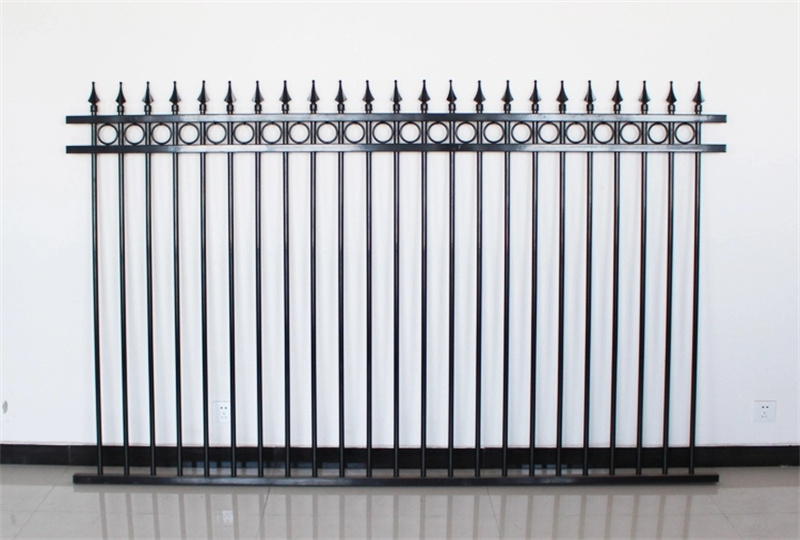
The Financial Case for Steel Picket Fencing in Your Product Portfolio
Adding steel picket fencing to your distribution lineup delivers substantially higher profit margins while requiring minimal additional operational resources.
Steel picket fencing represents an untapped profit center for many building materials distributors across Australia. Unlike traditional building supplies that operate on tighter margins, fencing products create opportunities for higher returns without significant changes to your existing business model. The financial benefits extend beyond direct product sales, creating a multiplier effect through related materials and services.
Margin Structures That Outperform Traditional Building Materials
Steel picket fencing typically delivers wholesalers a 28-35% gross margin—significantly higher than the 18-22% average for standard building materials. This margin advantage stems from several factors: the specialized nature of fencing products, lower price sensitivity among contractors, and fewer competitors in the space. Many successful distributors implement tiered pricing models based on volume commitments, further enhancing profitability while building customer loyalty.
| Product Category | Average Gross Margin | Inventory Turnover (Annual) |
|---|---|---|
| Steel Picket Fencing | 28-35% | 4.2x |
| Aluminum Fencing | 23-27% | 3.8x |
| Standard Building Materials | 18-22% | 6.1x |
| Timber Products | 17-25% | 5.7x |
Investment-to-Return Ratio: Minimizing Capital Outlay for Maximum Profit
Unlike many building materials requiring substantial warehouse space and inventory investment, steel picket fencing can be managed with relatively modest initial stock. Most successful distributors start with $25,000-40,000 in inventory, covering essential styles and components to service 70-80% of market demand. This focused approach allows for 4x ROI within the first year while minimizing warehouse space requirements. Many manufacturers also offer drop-shipping options for specialty items, reducing your inventory carrying costs while still allowing you to offer a complete product range.
Complementary Sales Opportunities: The Multiplier Effect
Fence sales naturally drive demand for related products likely already in your inventory. When customers purchase fencing, they typically need concrete for posts, fastening systems, gates, and various installation tools. Leading distributors report increasing average order values by 47% through strategic bundling and cross-selling. This multiplier effect amplifies the profit impact of adding fencing to your product mix without requiring additional marketing or sales efforts.
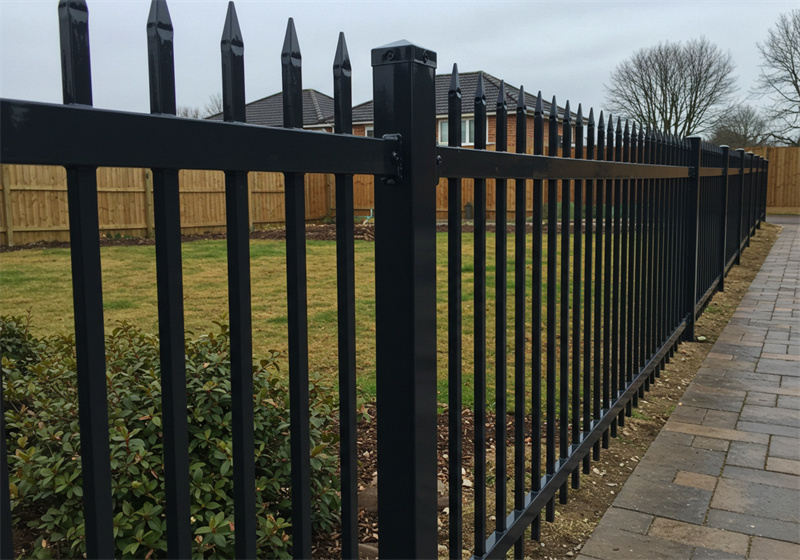
Market Demand Analysis: The Growing Australian Fencing Sector
Steel picket fencing demand continues to grow across Australia, with regional variations creating targeted opportunities for distributors who understand local market dynamics.
The Australian steel fencing market shows consistent growth patterns driven by residential development, commercial security needs, and renovation activity. Understanding these demand drivers and their regional variations allows distributors to make informed inventory and marketing decisions. Most importantly, this growth shows no signs of slowing, making now an ideal time to enter this product category.
Regional Demand Patterns and Growth Projections
The Australian steel fencing market is projected to grow at 5.7% annually through 2028, with particularly strong demand in developing suburbs and commercial sectors. This growth outpaces many traditional building materials categories, reflecting increased focus on security, property delineation, and architectural aesthetics. Regional variations exist, with Queensland and Western Australia showing the strongest growth at 6.8% and 6.2% respectively, while Victoria and New South Wales maintain steady demand from both new construction and replacement markets.
Customer Segment Analysis: Who’s Buying and Why
Understanding the diverse customer segments for steel picket fencing helps optimize inventory and marketing efforts. Professional contractors and builders account for approximately 70-75% of sales, valuing product availability, consistent quality, and technical support. The remaining 25-30% comes from retail/DIY customers who prioritize design options and installation guidance. Commercial property managers represent a growing segment, particularly for security-focused applications where steel picket designs offer both visual appeal and practical benefits.
Seasonal Trends and Demand Fluctuations
Steel picket fence sales follow predictable seasonal patterns that smart distributors leverage for inventory planning. Peak demand typically occurs from September through November (spring) and February through April (fall), aligning with optimal outdoor construction periods. January often sees reduced demand due to holiday schedules, while winter months (June-August) show regional variations based on climate conditions. Planning marketing activities and stock levels around these cycles helps maximize sales while minimizing inventory carrying costs during slower periods.
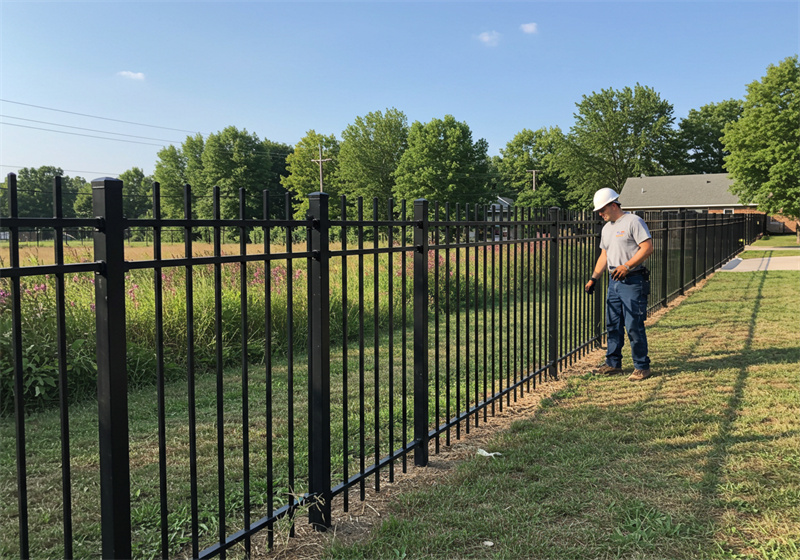
Inventory Management Systems for Fencing Products
Effective inventory management makes the difference between profitable fence distribution and warehouse headaches, requiring specialized approaches tailored to these unique products.
Steel picket fencing presents unique inventory management challenges due to product size, configuration options, and seasonal demand patterns. Implementing systems specifically designed for these products prevents both overstocking and stockouts while optimizing warehouse space. Successful distributors develop fencing-specific inventory protocols rather than simply applying their standard building materials approach.
Optimal Stock Levels: The Balanced Inventory Approach
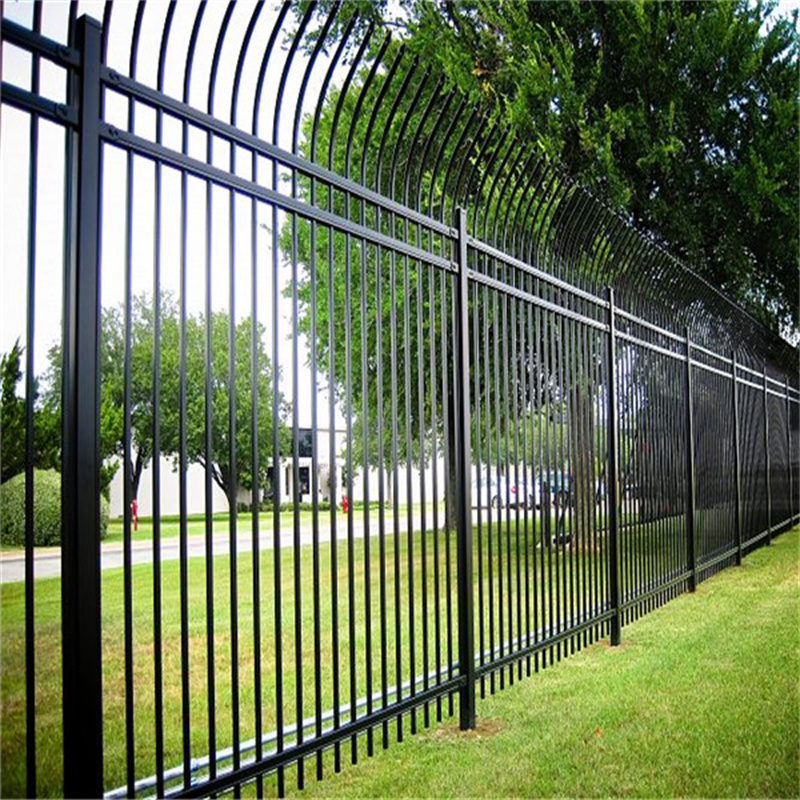
The “80/20 inventory model” proves particularly effective for steel picket fencing, where typically 80% of sales come from 20% of product variations. Focusing inventory investment on these high-demand items allows distributors to satisfy 95% of orders while minimizing warehouse requirements. For the remaining 5% of specialized orders, manufacturer partnerships enabling quick special orders or drop-shipping arrangements keep customers satisfied without expanding inventory. Many leading distributors maintain 45-60 days of stock for core items while leveraging just-in-time ordering for slower-moving products.
Warehouse Configuration: Space-Efficient Storage Solutions
Steel picket fencing requires specific storage solutions to prevent damage and maximize space efficiency. Vertical storage racks with dividers prevent scratching and bending while allowing easy access. Color-coding systems help warehouse staff quickly identify product variations, reducing picking errors and improving fulfillment speed. Strategic placement of complementary products (gates, posts, hardware) nearby creates efficient picking paths that reduce labor costs and order fulfillment time.
Digital Inventory Systems: Integration With Existing Operations
Modern inventory management for steel fencing relies on digital systems that integrate with existing platforms. Barcode tracking systems linked to warehouse management software allow real-time inventory visibility and automated reordering. Many distributors implement minimum stock alerts based on historical sales patterns and lead times, ensuring adequate stock without manual monitoring. Mobile scanning technology enables warehouse staff to process receiving and picking more efficiently, reducing errors and improving inventory accuracy.
Building a Strategic Manufacturer Partnership
Selecting the right manufacturing partner transforms steel fence distribution from a mere product category into a strategic competitive advantage with protected territories and custom solutions.
The relationship with your fence manufacturer extends far beyond simple product supply. The most successful distributors view these relationships as strategic partnerships that provide competitive advantages through exclusivity, technical support, and co-development opportunities. Taking time to evaluate and select the right partner pays dividends through enhanced margins, protected territories, and market differentiation.
Evaluating Potential Manufacturing Partners: Beyond Price Points
Selecting a steel fencing manufacturer requires examining factors beyond basic pricing. Production capacity influences your ability to meet seasonal demand spikes and large project needs without delays. Quality control systems affect your warranty claims and customer satisfaction rates. Financial stability ensures consistent supply without disruption. A strong partnership philosophy includes marketing support, technical training, and collaborative problem-solving when issues arise. The best manufacturer relationships evolve into true strategic alliances rather than transactional vendor arrangements.
Negotiating Exclusivity and Territory Rights
Territory protection significantly enhances your competitive position in the regional market. Manufacturers typically offer exclusivity based on minimum purchase commitments, marketing investment, and market development metrics. These arrangements prevent price erosion from multiple distributors competing in the same territory while creating incentives for both parties to invest in market development. Well-structured agreements include performance requirements that protect both distributor and manufacturer interests while creating predictable supply and demand channels.
Co-Development Opportunities: Customized Product Solutions
The most valuable manufacturer relationships include opportunities to develop customized solutions for your market. These might include region-specific designs addressing local building codes, climate conditions, or aesthetic preferences. Custom color programs allow you to offer unique options that differentiate your offering from competitors. Several Australian distributors have created proprietary fencing systems through manufacturer collaborations that command premium pricing while addressing specific local needs.
Marketing Support and Customer Acquisition
Effective marketing of steel picket fencing requires specialized materials, digital strategies, and sales training that transform technical products into compelling solutions.
Marketing steel picket fencing differs significantly from promoting standard building materials. The visual nature of fencing products demands strong imagery and demonstration capabilities. Contractors need technical details and installation guidance, while property owners focus on aesthetics and security benefits. Successful distributors implement multi-faceted marketing approaches that address these diverse needs while highlighting their unique value proposition.
Co-Branded Marketing Collateral That Drives Sales
Effective marketing materials bridge the gap between manufacturer expertise and your local market position. Physical sample boards displaying actual fence materials and finishes allow customers to evaluate quality firsthand. Installation guides co-branded with your company information build both customer confidence and brand recognition. Digital design tools enabling customers to visualize different fence styles on their property help overcome purchase hesitation. Leading distributors find that physical displays generate the highest conversion rates, followed by visualization tools and technical literature.
Digital Marketing Strategies for Building Materials Distributors
Online presence plays an increasingly important role in B2B building materials sales. Contractor-focused content marketing addressing installation challenges and code requirements positions you as a valuable resource beyond mere product supply. Geotargeted advertising reaches contractors in your service area with relevant messaging. Project galleries featuring completed installations help customers envision possibilities while showcasing your products in real-world applications. Many successful distributors implement customer referral programs that incentivize contractors to promote their fencing products to other trade professionals.
Training Your Sales Team: From Product Knowledge to Solution Selling
Your sales team needs comprehensive training that goes beyond basic product specifications. Understanding application scenarios and customer pain points enables them to position fencing as solutions rather than commodities. Role-specific training matters—counter staff need quick reference information for walk-in customers, while outside sales representatives require deeper knowledge of competitive advantages and integration with other building systems. Regular training updates keep your team current on new products, installation techniques, and market trends.
Competitive Positioning in the Australian Market
Strategic positioning against both direct manufacturers and other distributors requires leveraging your unique strengths in local inventory, multi-product ordering, and established relationships.
Effective competitive positioning helps you capture market share while maintaining healthy margins. This requires understanding both your direct competitors (other distributors) and alternative supply channels (manufacturer-direct sales). The strongest market positions leverage distributor advantages that manufacturers struggle to match, including local inventory, credit terms, and multi-product ordering capabilities.
Analyzing Your Local Competition: Identifying Market Gaps
Understanding your regional competition reveals untapped opportunities in the fencing market. Evaluate competitors based on product range, inventory availability, pricing structure, and support services. Many markets show gaps in specific segments—such as high-end architectural fencing, contractor-focused programs, or specialty applications like pool fencing. These gaps often represent the most profitable entry points for expanding your fence offering without directly competing against established players on their core products.
Differentiation Strategies Beyond Price Competition
Price competition erodes margins and devalues your offering in the marketplace. Successful distributors differentiate through service quality, product exclusivity, and expertise. Same-day availability for core products attracts contractors facing tight schedules. Bundled delivery of multiple building materials creates efficiency contractors value. Technical support and installation guidance build loyalty beyond transactional relationships. Many leading distributors create private-label or exclusive fence styles that prevent direct price comparisons while offering aesthetic differentiation.
Conclusion
Adding steel picket fencing to your building materials distribution business creates substantial profit opportunities while leveraging your existing infrastructure and customer relationships. The higher margins, complementary sales potential, and growing market demand make this product category particularly attractive for distributors seeking sustainable growth. By implementing strategic inventory management, building strong manufacturer partnerships, and positioning your offering effectively in the Australian market, you can capture this opportunity while strengthening your overall competitive position.
Take your next step by conducting a competitive analysis of your local market to identify specific opportunities, then reach out to potential manufacturing partners with a clear understanding of your value proposition and growth objectives. The distributors who move decisively into this growing market segment will establish strong positions that become increasingly difficult for competitors to challenge.
FAQ Section
What minimum inventory investment is required to start distributing steel picket fencing?
Most successful distributors begin with an initial investment of $25,000-40,000, covering essential styles, heights, and components to service approximately 70-80% of market demand. This can be scaled based on your warehouse capacity and regional market size. Many distributors start with 2-3 popular styles in standard heights and expand their inventory as sales patterns emerge.
How does steel picket fencing compare to aluminum or timber alternatives in terms of profitability?
Steel picket fencing typically offers 5-8% higher gross margins than aluminum and 10-12% higher than timber products. Steel products also generate fewer warranty claims and returns, contributing to higher net profitability. The longer lifespan of steel products compared to timber creates higher customer satisfaction and repeat business for related projects.
What are the most common challenges distributors face when adding fencing to their product line?
The three most common challenges are inadequate staff training leading to incorrect order specifications, inefficient warehouse storage systems that damage product, and insufficient technical support for contractors during installation. Addressing these challenges proactively through comprehensive training programs, specialized storage solutions, and installation support materials significantly improves success rates.
How can we effectively display fencing products in our showroom given their size?
Leading distributors use a combination of full-height corner displays showing actual installed product supplemented by sample boards showing color and style options. Digital displays with visualization software allow customers to view complete installations without requiring extensive showroom space. Mobile showroom solutions bringing samples to contractor offices prove particularly effective for building commercial relationships.


