 Skip to content
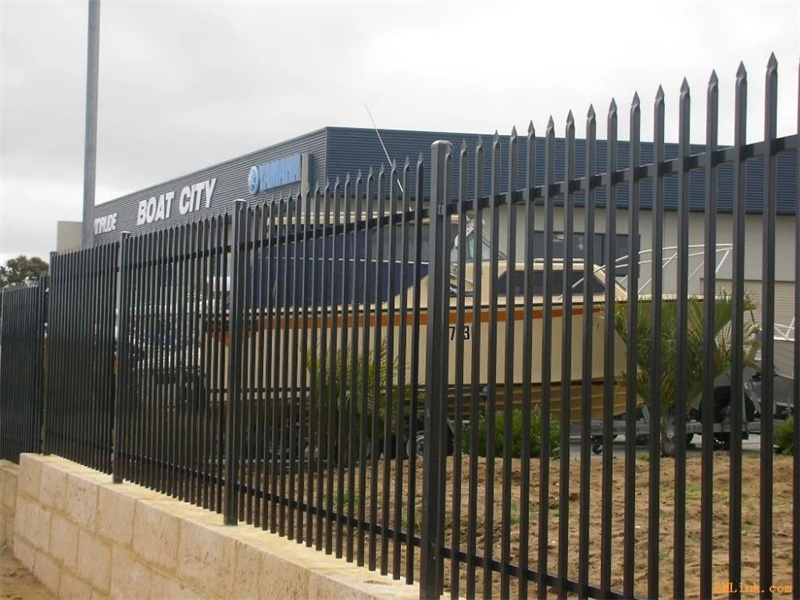
The Strategic Advantage of Steel Picket Fencing for Residential Estates
Steel picket fence panels deliver measurable returns on investment through enhanced property values, reduced maintenance costs, and improved community perception.
Property developers face constant pressure to create residential estates that offer both security and visual appeal. Traditional options often force compromises—brick walls look imposing, wood requires frequent maintenance, and chain-link fencing lacks sophistication. Steel picket fencing resolves this dilemma by combining strength with elegance.
The financial benefits of steel picket fencing extend beyond initial impressions. Research indicates that well-designed perimeter fencing can increase property values by 3-8% across residential developments. This translates to significant returns when multiplied across dozens or hundreds of homes within a single estate.
Beyond monetary value, these fencing systems address practical challenges that plague many residential developments. Their modular design allows for quick installation across large areas while maintaining consistent appearance. The vertical pickets provide security without creating visual barriers that block natural light or views—a critical factor for creating inviting community spaces.
How Steel Picket Fencing Addresses Key Developer Challenges
Residential estate developers regularly encounter obstacles when designing community perimeters. Security concerns must balance with aesthetic requirements. Weather resilience must match with installation efficiency. Steel picket fence panels offer solutions to these competing demands.
Unlike solid barriers, steel picket designs promote passive surveillance—allowing residents to see beyond their immediate surroundings while still defining boundaries. This design principle aligns with modern crime prevention strategies that emphasize visibility and community awareness over isolation.
| Developer Challenge | Steel Picket Fencing Solution |
|---|---|
| Security without fortress appearance | Vertical pickets provide deterrence while maintaining visual openness |
| Consistent appearance across phases | Factory-finished panels ensure color and design uniformity |
| Terrain adaptation | Modular panels accommodate slopes and irregular boundaries |
| Weather resilience | Galvanized and powder-coated finishes resist Australian climate extremes |
| Installation efficiency | Pre-fabricated panels reduce on-site labor and accelerate completion |
Creating a Cohesive Community Identity Through Perimeter Design
The fence line forms a development’s first impression. Before prospective buyers see individual homes, they experience the community boundary. Steel picket fencing creates an architectural framework that establishes expectations about quality and attention to detail throughout the development.
Strategic fence design becomes part of the community’s visual signature. Developers can incorporate design elements that reflect architectural themes—from contemporary minimalist styles with clean lines to more ornate traditional designs featuring decorative finials or post caps. This consistency creates a sense of arrival and belonging that resonates with homebuyers seeking not just houses but communities.
Design Considerations for Estate-Wide Fence Implementation
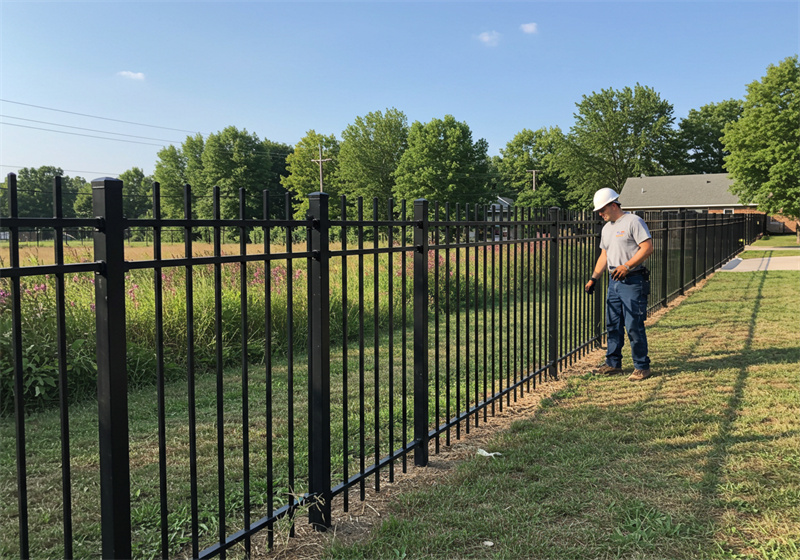
Strategic variation in fence designs across different estate zones creates visual interest while maintaining an overall community identity.
Successful residential developments use fencing as more than simple barriers—they incorporate them as design elements that define spaces and guide experiences. The most effective approach involves matching fence styles to architectural themes while varying designs according to functional needs across different areas.
Contemporary estates benefit from clean lines and minimalist picket profiles that complement modern architecture. Traditional developments might incorporate more decorative elements, such as spear-top pickets or ornamental post caps. The key lies in selecting designs that enhance rather than compete with the homes they surround.
Strategic Zoning: Varying Fence Designs for Different Estate Areas
Not every area within a residential estate serves the same purpose or faces identical security challenges. Main entrances require distinctive, attention-grabbing designs that establish community character. Perimeter boundaries facing public areas need robust security features. Interior recreational spaces benefit from more open, welcoming fence styles.
This strategic approach to zoning creates visual hierarchy within the development while addressing specific functional requirements. For example, the main entrance might feature wider picket spacing with decorative post caps, while boundaries adjacent to public roads utilize narrower spacing and additional height for enhanced security.
| Estate Zone | Recommended Fence Style | Primary Function |
|---|---|---|
| Main Entrances | Decorative with custom design elements | Create distinctive identity and first impression |
| Perimeter Boundaries | Narrower picket spacing, 1.8-2.1m height | Security and clear boundary definition |
| Community Recreation Areas | Mid-height with wider picket spacing | Define space while maintaining openness |
| Internal Lot Boundaries | Lower height with standard picket design | Visual continuity with privacy consideration |
Height and Visibility Considerations for Balanced Security
Fence height directly impacts both security perception and community feel. Too tall, and the estate projects an unwelcoming, fortress-like atmosphere. Too short, and security benefits diminish. Most residential developments benefit from heights between 1.5-1.8 meters for standard boundaries, with modest increases to 2.1 meters for areas requiring additional security.
Visibility through the fence plays an equally important role. Standard picket spacing of 100-125mm strikes the optimal balance—close enough to prevent entry but open enough to maintain views and light penetration. This spacing discourages intruders while allowing for the passive surveillance that enhances community safety.
Material and Construction Specifications for Lasting Quality
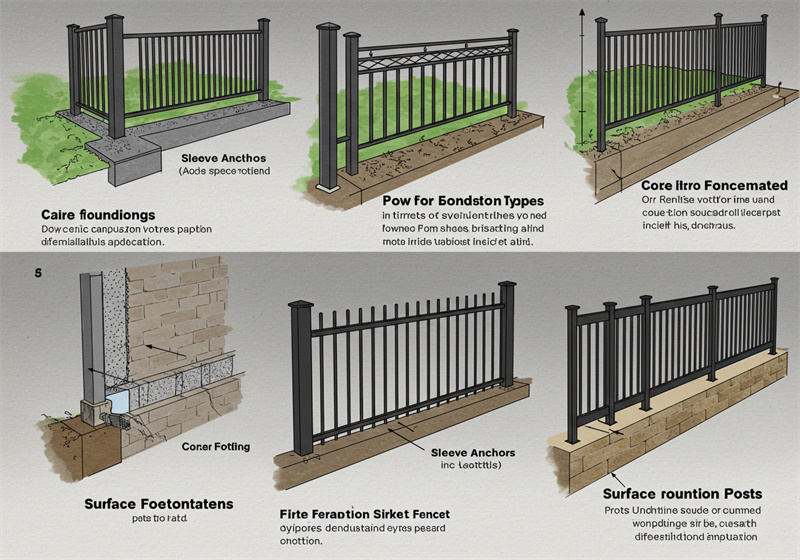
Australian climate conditions demand specialized material treatments and engineering standards to ensure fence systems deliver decades of performance.
Australia’s diverse climate zones present unique challenges for fence durability. Coastal areas face salt corrosion, northern regions endure tropical humidity, and inland areas experience extreme temperature variations. Steel picket fence systems must incorporate appropriate protective measures to withstand these conditions.
The foundation of long-term performance lies in proper material selection and treatment. High-quality steel combined with appropriate protective finishes forms the basis of fence systems that maintain their appearance and structural integrity for decades rather than years.
Galvanization and Coating Systems for Australian Climate Resilience
Hot-dip galvanization provides the primary defense against corrosion by bonding zinc to the steel substrate. This process creates a metallurgical bond that protects even if the outer surface sustains minor damage. For maximum protection in Australian conditions, fence systems should utilize steel with minimum zinc coating of 600g/m² for severe environments or 300g/m² for moderate conditions.
Adding powder coating over galvanized steel creates a dual-protection system that extends longevity while providing aesthetic benefits. This approach combines the sacrificial protection of zinc with the barrier protection of polymer coating. Powder coating thickness should reach 60-80 microns with proper pre-treatment for optimal adhesion and performance.
Structural Engineering Standards for Wind Resistance and Stability
Wind forces represent the primary structural challenge for fence systems across Australia. Proper engineering accounts for both direct pressure and dynamic loading effects. Post spacing, footing depth, and rail dimensions must align with wind zone calculations based on location and exposure.
Typical residential estates require concrete footings extending at least 600mm deep with diameter proportional to fence height and wind conditions. Post sizes for standard 1.8m fencing should be minimum 65mm square for intermediate posts and 75mm square for corner and end posts. These specifications ensure stability even during severe weather events.
Navigating HOA Requirements and Building Regulations
Clear, comprehensive fence guidelines integrated into HOA documentation create consistency while streamlining approval processes for both developers and homeowners.
Successful residential estates establish detailed fencing guidelines from the outset. These specifications become part of the homeowner association documentation, creating clear standards while allowing for appropriate flexibility as the community evolves.
Effective HOA fence guidelines balance prescription with flexibility. They define essential parameters—material types, height ranges, and approved colors—while permitting variations that accommodate individual lot characteristics and homeowner preferences within the established framework.
Developing Comprehensive Fence Guidelines for HOA Documentation
Clear fence specifications should address all relevant aspects of design, materials, and installation. Basic guidelines include approved fence types, height restrictions, setback requirements, and finish options. More comprehensive guidelines might include specific post and rail dimensions, picket spacing parameters, and approved hardware components.
Equally important is establishing clear processes for modifications and exceptions. Even the most thoughtfully designed guidelines will encounter situations requiring flexibility. Documenting the review process, approval criteria, and timelines for decisions prevents confusion and promotes fair application of standards.
Compliance with Local Building Codes and Development Approvals
Local regulations vary significantly across municipalities, affecting everything from maximum fence heights to setback requirements and permit processes. Successful developers research these requirements during planning phases and incorporate them into master plans before marketing begins.
Building codes often address safety aspects such as pool barriers, fence stability, and visibility at driveway intersections. Integrating these requirements into the estate-wide fencing plan from the outset avoids costly modifications and homeowner confusion later in the development process.
Case Studies: Australian Residential Developments Showcasing Steel Picket Solutions
Real-world implementations across diverse Australian developments demonstrate how steel picket fencing contributes to community identity and property value enhancement.
Several Australian developments have successfully implemented steel picket fence systems with notable results. These case studies highlight practical applications across different market segments and environmental conditions.
The Cove at Port Stephens represents a premium coastal development where corrosion resistance was paramount. The developer selected a marine-grade galvanized system with additional powder coating, resulting in zero corrosion issues after seven years in a salt-spray environment. Property values have consistently outperformed similar developments with different fencing solutions by approximately 6.5%.
Westfield Gardens, a mid-market suburban development near Melbourne, balanced budget constraints with quality requirements. By standardizing on a single picket design while varying post caps and colors across different neighborhoods, the developer created distinct precincts within a cohesive overall design. This approach delivered significant cost savings during installation while still achieving the desired aesthetic differentiation.
Emerging Trends and Innovations in Residential Estate Fencing
The integration of smart technology with traditional fence systems creates enhanced security without compromising aesthetic appeal or community openness.
Modern fence systems increasingly incorporate technology elements that expand functionality beyond physical barriers. These innovations enhance security, simplify maintenance, and add value for both developers and residents.
Smart security integration represents the most significant advancement in recent years. Vibration sensors embedded within fence posts can detect climbing attempts, while discrete cameras mounted on select posts provide surveillance without creating an institutional appearance. These systems connect to community security networks, enhancing safety without compromising visual appeal.
Sustainable Practices in Fence Manufacturing and Installation
Environmental considerations influence both manufacturing and installation practices for forward-thinking developers. Steel components with high recycled content reduce environmental impact while maintaining structural integrity. Some manufacturers now offer carbon-neutral production processes that align with green building certifications increasingly valued by homebuyers.
Installation practices also reflect sustainability concerns. Reduced-excavation footing systems minimize soil disruption and concrete usage. Some developments incorporate landscaping plans that integrate native plantings along fence lines, creating wildlife corridors while enhancing aesthetic appeal.
Conclusion
Steel picket fence panels provide residential estate developers with an optimal solution that balances security, aesthetics, and longevity. By carefully considering design integration across different estate zones, selecting appropriate materials for local conditions, and establishing clear guidelines for ongoing maintenance, developers create perimeters that enhance property values while defining community identity.
The most successful implementations recognize that fencing represents more than simple boundaries—it establishes the framework for the entire community experience. Strategic variation within consistent themes creates visual interest while maintaining cohesion. Proper material selection ensures decades of performance in challenging Australian conditions.
For your next residential development project, consider how thoughtfully implemented steel picket fencing can contribute to both immediate market appeal and long-term community success. Contact fencing specialists familiar with estate-scale projects to discuss how these versatile systems might enhance your specific development vision.
Frequently Asked Questions
What makes steel picket fencing more suitable for residential estates than traditional masonry walls?
Steel picket fencing provides security without creating the fortress-like appearance of masonry walls. It maintains visibility for natural surveillance while establishing clear boundaries. Installation typically proceeds 40-60% faster than masonry construction, allowing developers to complete perimeters more efficiently across construction phases. Steel systems also accommodate sloped terrain more easily than continuous masonry structures, reducing the need for stepped designs or extensive grading.
How do steel picket fence panels compare to wrought iron in terms of maintenance requirements?
Steel picket panels require significantly less maintenance than traditional wrought iron. Modern manufacturing processes, including hot-dip galvanization and powder coating, provide superior corrosion resistance. While wrought iron typically needs repainting every 3-5 years, properly finished steel picket fencing maintains its appearance for 15+ years with minimal intervention. This represents substantial long-term savings for HOAs and homeowners while delivering comparable aesthetic benefits.
What is the typical lifespan of steel picket fencing in Australian conditions?
Properly specified steel picket fencing lasts 25+ years in most Australian environments. Coastal locations may experience slightly reduced lifespans due to salt exposure, but modern dual-protection systems dramatically improve performance even in these challenging conditions. The modular design of panel systems allows for targeted replacement of damaged sections without disturbing the entire fence line, further extending the practical service life of the overall system.
How can developers ensure consistent fence appearance when installation occurs across multiple construction phases?
Consistency across construction phases requires detailed specifications and proactive planning. Developers should create comprehensive fence documentation including exact product references, color codes, and installation standards. Purchasing larger material quantities at once, even if stored for later phases, prevents manufacturer color variations. Establishing relationships with specific manufacturing facilities rather than just specifying brands helps maintain consistent quality throughout multi-year development projects.
What are the key considerations for integrating gates into a steel picket fence system for a residential estate?
Gate integration requires attention to both security and aesthetics. Key considerations include selecting designs that complement fence panels while accommodating automation hardware, ensuring adequate structural support through proper post sizing and foundations, planning for power supply to automated systems, and implementing access control systems that balance security with resident convenience. For main entrances, custom gate designs create distinctive community landmarks while maintaining overall fence aesthetic continuity.
How do steel picket fence panels perform in bushfire-prone areas of Australia?
Steel picket fencing performs exceptionally well in bushfire-prone areas due to its non-combustible nature. Local bushfire regulations may specify requirements regarding fence design, particularly relating to vegetation proximity and potential ember accumulation. In high-risk areas, designs that minimize horizontal surfaces where debris can collect are preferred. Always consult local bushfire planning requirements and consider having fence specifications reviewed by fire safety consultants for compliance in high-risk zones.


