 Skip to content

Understanding Modular Steel Fence Panel Systems
Modular steel fence panel systems represent a fundamental shift in perimeter security, replacing time-consuming traditional construction with engineered, ready-to-install components that dramatically reduce project timelines.
Commercial contractors and developers across Australia face growing pressure to complete projects under tighter deadlines and with fewer skilled workers. Traditional security fencing – with its labor-intensive post-by-post, rail-by-rail construction – often becomes a critical path bottleneck. Modular steel fence panels address this challenge by transforming fencing from a field-fabricated process into a simple assembly operation.
The Evolution of Commercial Fencing Technology
Traditional fence building requires multiple specialized tradespeople working sequentially through measuring, cutting, welding, and finishing processes. Each step depends on favorable conditions and skilled labor. In contrast, modular systems arrive with pre-welded pickets, pre-finished surfaces, and standardized connection points. This industrial approach to security infrastructure has matured significantly in the past decade, with Australian suppliers now offering systems specifically engineered for local conditions.
The shift toward modular systems parallels broader construction trends, where prefabrication increasingly replaces field work across multiple building components. For commercial projects where time directly impacts profitability, this evolution delivers substantial advantages in predictability and speed.
Core Components of Modular Steel Fence Systems
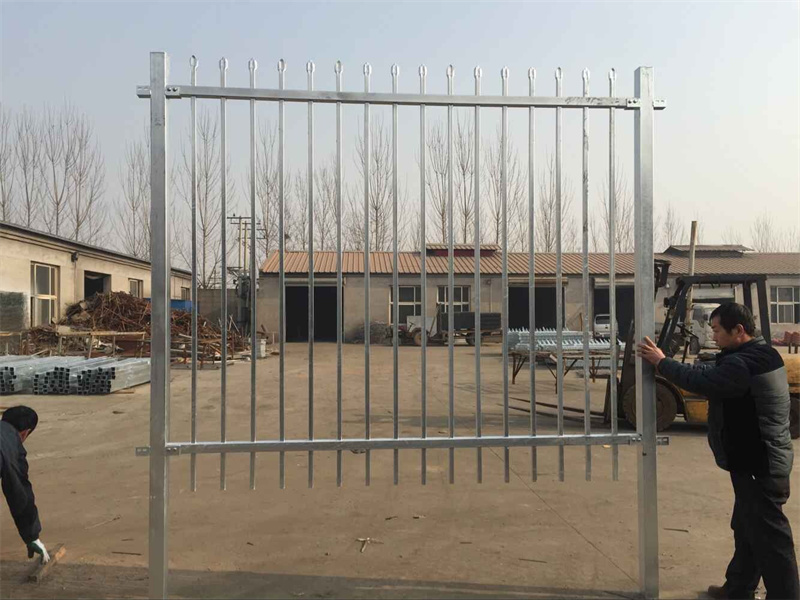
Understanding the key components helps project managers evaluate and implement modular systems effectively. A typical system includes: pre-fabricated steel picket panels (available in various heights and picket spacings), support posts (either direct-bury or surface-mounted), connection hardware (brackets, bolts, and security fasteners), and foundation elements (concrete footings or surface-mounting plates).
| Component | Description | Installation Consideration |
|---|---|---|
| Picket Panels | Pre-welded vertical pickets with horizontal rails | Panels typically span 2.4m between posts, reducing post quantity |
| Support Posts | Square or round steel tubes with mounting hardware | Proper alignment critical; often placed before panel installation |
| Connection Brackets | Secure panels to posts, designed for quick attachment | Security fasteners available for high-security applications |
| Foundation Systems | Either concrete footings or base plates | Site conditions determine most appropriate foundation type |
Australian Standards Compliance and Security Classifications
Modular steel fence panels available in Australia must meet specific standards based on their intended security level. AS 1170 governs structural requirements including wind load resistance – particularly important in coastal and cyclone-prone regions. The security classifications range from Class 1 (basic demarcation) through Class 5 (high-security applications). Most commercial projects typically require Class 3 fencing, which provides deterrence against casual intruders while maintaining an aesthetic appearance.
When selecting a system, verify that the manufacturer provides documentation confirming compliance with Australian standards. This documentation should include wind ratings for your specific region, as well as corrosion protection certification appropriate to your local environment.
Time-Saving Installation Methodologies
Strategic installation techniques specifically developed for modular fence systems can reduce perimeter security deployment by up to 60% compared to traditional methods.
Installation time represents one of the most significant advantages of modular steel fence systems. A systematic approach maximizes these time savings through proper planning, efficient workflow sequencing, and site-specific adaptations. Commercial contractors who master these methodologies gain competitive advantages in project scheduling and resource allocation.
Site Preparation Requirements vs. Traditional Fencing
Modular systems require different preparation than traditional fencing. The key difference lies in precision layout and post placement. While traditional fencing allows for adjustments during fabrication, modular panels demand accurate post spacing and alignment from the start. Survey the perimeter carefully, establishing clear boundary lines and marking post locations precisely. Many installers find that spending extra time on accurate layout results in significant time savings during panel installation.
Foundation requirements remain similar to traditional fencing, with concrete footings sized according to fence height, wind loads, and soil conditions. Some modular systems offer surface-mounting options for concrete surfaces, eliminating digging altogether and further accelerating installation.
Step-by-Step Installation Process Analysis
The optimal installation sequence follows a distinct pattern that maximizes productivity. First, complete all layout and marking before beginning physical installation. Next, install all posts, ensuring proper alignment, spacing, and plumb – this step demands precision as it governs the entire system. Once posts are set (and concrete cured if applicable), panel installation proceeds rapidly, typically requiring only 5-10 minutes per panel for a two-person crew. Final steps include installing gates, security hardware, and conducting quality checks.
Most installation delays occur during the post-setting phase. Commercial contractors often accelerate this process using mechanical post-hole diggers, rapid-set concrete, or pre-cast footings. Some utilize separate crews for post installation and panel mounting, creating an efficient production line approach across larger sites.
Special Condition Adaptations for Australian Environments
Australian installations face unique challenges requiring specific adaptations. In coastal regions, additional corrosion protection may be necessary, usually in the form of hot-dip galvanized or marine-grade powder-coated finishes. For sloped terrain, quality modular systems offer panels that can rack (adjust to angles) or step down slopes while maintaining security integrity.
In high-wind regions like Western Australia and Queensland’s coastal areas, additional consideration for post depth, footing size, and panel wind ratings becomes essential. Most manufacturers offer engineering specifications for these conditions, ensuring compliance with local wind load requirements while maintaining installation efficiency.
Labor Efficiency and Crew Optimization
Modular steel fence systems transform labor requirements from specialized skills to assembly tasks, allowing smaller crews to achieve greater productivity with minimal training.
Labor availability and cost represent significant challenges for commercial construction in Australia. Modular fence panels address both issues by reducing crew size requirements and minimizing the need for specialized skills. Contractors can achieve greater output with fewer workers while maintaining quality standards.
Crew Size and Skill Requirements Analysis
Traditional fence construction typically requires 4-6 workers including specialized welders and fabricators. Modular systems function effectively with crews of 2-3 workers possessing basic construction skills. The ideal team includes one worker focused on alignment and positioning while others secure panels and components. For large projects, multiple small teams often outperform single large crews by working in coordinated zones.
The skill requirements shift from fabrication expertise to assembly proficiency. Workers need basic tool handling abilities and attention to detail rather than welding certification or extensive fabrication experience. This widens the labor pool available for fence installation, helping contractors overcome skilled labor shortages.
Quantifiable Labor Cost Savings Models
Labor savings from modular systems come from both reduced hours and lower average labor rates. A typical commercial project with 500 linear meters of security fencing demonstrates this clearly. Traditional methods might require 250-300 labor hours with at least one specialized welder at premium rates. The same project using modular systems typically requires 100-150 hours with general construction laborers.
| Project Size | Traditional Labor Hours | Modular System Labor Hours | Estimated Savings |
|---|---|---|---|
| Small (100m) | 60-80 hours | 25-35 hours | $2,000-$3,500 |
| Medium (500m) | 250-300 hours | 100-150 hours | $9,000-$15,000 |
| Large (1000m+) | 500-600 hours | 200-275 hours | $18,000-$30,000 |
Training and Learning Curve Considerations
Most installation crews achieve proficiency with modular systems after completing just 50-100 linear meters of fencing. The initial learning phase focuses on post placement precision and panel alignment techniques. Manufacturers typically provide detailed installation guides, and many offer on-site training for first-time installers.
Crews experienced with traditional fencing sometimes require adjustment to the different workflow, particularly the increased importance of precise layout and post positioning. Creating standardized procedures and checklists helps teams transition to the modular mindset where preparation and accuracy supersede field fabrication skills.
Weather-Resistant Project Scheduling
Modular fence installation significantly reduces weather sensitivity, enabling year-round installation schedules and minimizing costly project delays during Australia’s diverse seasonal conditions.
Weather disruptions represent a major risk factor for construction schedules across Australia’s varied climate zones. Modular fencing systems mitigate this risk by reducing both the duration of weather-sensitive activities and the specific weather conditions that halt progress. This weather resilience translates directly to more predictable project timelines.
Seasonal Installation Windows Across Australian Regions
Australian regions present distinct scheduling challenges that modular systems help overcome. Northern regions face extended wet seasons from November through April when traditional fence construction becomes problematic due to welding limitations in humid conditions. Modular systems require only brief dry periods for post foundation work, with panel installation possible even in light rain.
Southern states experience winter constraints for traditional fence painting and finishing. Pre-finished modular panels eliminate these weather-dependent steps, enabling year-round installation. Central regions’ extreme heat often limits working hours for traditional methods, while modular installation’s reduced duration minimizes exposure to peak temperatures.
Adverse Weather Contingency Planning
Effective contingency planning with modular systems focuses on completing foundation work during favorable conditions. Teams can install posts across the entire site during good weather, then rapidly mount panels regardless of conditions. This phased approach allows project managers to adapt to weather forecasts without sacrificing overall schedule.
Many contractors also implement zone-based installation strategies, completing sections fully before moving to new areas. This approach ensures that weather delays affect only portions of the project rather than the entire perimeter, maintaining progress even during challenging conditions.
Quality Assurance and Structural Integrity
Factory fabrication shifts quality control upstream, ensuring consistent structural integrity while eliminating field variables that compromise traditional fence construction.
Quality represents a critical consideration in security fencing. Modular steel fence panels offer significant advantages through controlled manufacturing environments that ensure consistent welding, precise dimensions, and proper finishing. This manufacturing approach delivers more predictable quality than field fabrication methods.
Factory vs. Field Quality Control Mechanisms
Factory quality control includes automated welding processes, jig-based assembly, and standardized testing protocols. These controlled conditions eliminate variables like uneven ground, changing weather, and inconsistent field welding that plague traditional fence construction. The result is panels with uniform strength, consistent dimensions, and properly applied protective finishes.
Field quality control shifts from fabrication inspection to installation verification. Key checkpoints include proper post alignment, secure panel connections, and appropriate hardware installation. This simplified field QA process requires less specialized knowledge while delivering more consistent results.
Structural Testing and Certification Requirements
Quality modular systems undergo systematic testing to verify compliance with Australian standards. Wind load testing confirms resistance to region-specific conditions, while impact testing verifies security performance. Reliable manufacturers provide documentation of these tests, simplifying compliance verification for project managers.
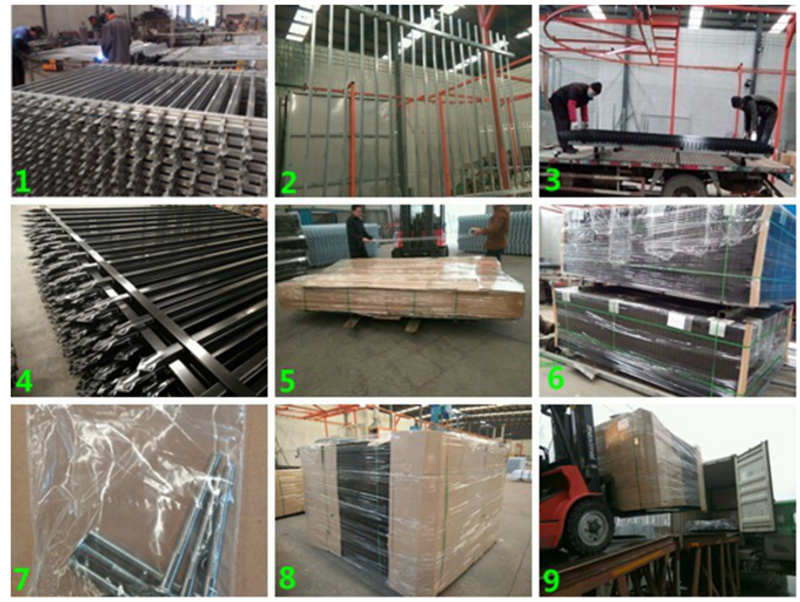
Corrosion protection certification becomes particularly important in Australian coastal environments. Factory-applied finishes typically provide superior protection compared to field-applied coatings, with documented salt spray testing results available for verification. This enhanced protection translates directly to extended service life and reduced maintenance.
Cost-Benefit Analysis Framework
A comprehensive cost analysis reveals that modular steel fence panels typically deliver 15-30% total project savings when accounting for all direct and indirect costs throughout the installation lifecycle.
Making the business case for modular fencing requires understanding the complete cost picture beyond simple material comparisons. While modular panel systems may have higher upfront material costs, the total project economics strongly favor these systems when all factors are properly calculated.
Total Cost of Ownership Calculations
A thorough cost assessment includes multiple factors beyond basic materials. Direct costs include materials, labor, equipment rental, and supervision time. Indirect costs encompass schedule impacts, quality remediation, and long-term maintenance requirements. Modular systems typically show higher material costs offset by significant savings in labor, equipment, supervision, and lifecycle costs.
For typical commercial applications, the initial cost premium for modular materials (approximately 10-20%) is completely offset by labor savings (40-60%) and schedule advantages. The net result is immediate cost benefits plus additional long-term savings through reduced maintenance and extended service life.
Hidden Cost Factors Often Overlooked in Traditional Fencing
Traditional fence construction includes several hidden costs frequently missed in initial estimates. Weather delays often extend equipment rentals and increase labor costs by 15-25%. Quality remediation for field welding and coating issues typically adds 5-10% to project costs. Coordination overhead increases with longer installation durations, adding supervision expenses.
Modular systems minimize these hidden costs through reduced weather sensitivity, factory-controlled quality, and compressed schedules. The predictable nature of modular installation also improves cost certainty, reducing contingency requirements and improving budget reliability.
FAQ Section
What makes modular steel fence panels faster to install than traditional methods?
Modular panels eliminate on-site fabrication, welding, and finishing. Pre-engineered panels arrive ready to attach to posts, reducing installation to primarily post setting and panel connection. This typically cuts installation time by 50-70% compared to building fences rail by rail, picket by picket.
How do modular systems affect long-term maintenance requirements?
Factory-applied finishes outperform field-applied coatings in consistency and durability. The controlled application environment ensures proper surface preparation, even coating thickness, and correct curing. This results in longer service life and reduced maintenance. Additionally, modular designs facilitate sectional replacement rather than entire fence line refurbishment when damage occurs.
What security levels can be achieved with modular steel fence panels?
Modern modular systems range from basic demarcation fencing to high-security anti-climb designs. Australian-compliant systems are available for security classifications 1-5, including specialized applications for schools, industrial sites, and critical infrastructure. The security level depends primarily on panel height, picket spacing, and connection hardware selection.
Can modular fence systems accommodate sloped or uneven terrain?
Most quality modular systems offer rackable panels or stepped installation options to handle terrain variations. Rackable panels can adjust up to 15-20 degrees from horizontal, while stepped installations accommodate more severe slopes. Site-specific modifications may be required for extreme conditions, but these adaptations still typically outpace traditional methods in installation speed.


