 Skip to content
Audit Essentials Unlocked
- A thorough factory audit covering production, certifications, testing, and ethical checks ensures supplier reliability and product quality.
- Using a structured audit checklist helps identify red flags early and strengthens supplier qualification processes.
During a recent factory audit of a steel fence manufacturer in Guangdong province, our team discovered that while the supplier’s documentation appeared impeccable, their actual production capacity was less than 40% of what they claimed. The welding stations were understaffed, and material certificates couldn’t be matched to inventory. This experience reinforced a critical lesson: comprehensive on-site verification is essential for identifying discrepancies that documentation alone cannot reveal.

Pre-Audit Preparation for Chinese Suppliers
A meticulous pre-audit preparation phase sets the foundation for an effective Chinese steel fence supplier assessment. This preparatory work dramatically reduces on-site surprises and helps auditors focus on specific risk areas. By examining documentation before visiting the facility, you create a framework for targeted questioning and verification. Without proper preparation, auditors often miss subtle red flags or waste valuable on-site time gathering basic information that could have been reviewed beforehand.
Essential Pre-Audit Documents
Before setting foot in a Chinese steel fence manufacturing facility, collecting comprehensive documentation enables efficient verification of supplier legitimacy. Request the supplier’s business license (营业执照) and verify it matches the legal entity you’re contracting with. This document should be cross-checked with the National Enterprise Credit Information Publicity System to confirm authenticity and operational scope. Additionally, secure their export license if you’re purchasing for international markets.
Quality management certifications provide crucial insight into a supplier’s systematic approach to quality control. ISO 9001 certification is particularly important as it demonstrates the supplier has implemented internationally recognized quality management processes. For automotive applications, look for IATF 16949 certification. According to the International Organization for Standardization, ISO 9001 provides a framework for consistent quality and customer satisfaction—qualities essential for reliable steel fence production.
Product specifications and material safety data sheets (MSDS) reveal whether the supplier understands your technical requirements. Request detailed drawings, steel grade specifications, dimensions, coating requirements, and load-bearing capabilities. The MSDS should document chemical composition and safety protocols for handling materials and finished products. These documents help auditors verify whether the actual manufacturing processes align with documented specifications.
Previous inspection reports and client feedback offer valuable historical perspective. These records may reveal patterns of quality issues or show improvements over time. Request audit histories from the past 2-3 years to track the supplier’s quality trajectory. Finally, obtain written confirmation of audit scope, including which processes and products will be examined, to align expectations before arrival.

Scheduling and Scope Confirmation
Strategic scheduling can significantly impact audit effectiveness when evaluating Chinese steel fence manufacturers. Avoid scheduling during Chinese national holidays like Lunar New Year or Golden Week when factories often operate with skeleton crews or shut down entirely. Consider timing your visit during regular production of your specific product type rather than during low-production periods. The ideal time is typically mid-week and mid-month when normal operations are underway.
When confirming audit scope, be explicit about which production lines, processes, and quality control points you need to examine. Send a detailed audit agenda at least two weeks in advance, specifying which departments will be visited and which personnel should be available for interviews. Include time allocations for each area to ensure comprehensive coverage. This preparation allows the supplier to arrange for appropriate department heads and documentation to be accessible.
Clarifying team member roles enhances audit efficiency and thoroughness. Designate specific responsibilities—one person might focus on documentation and certifications, another on production processes, and a third on safety and ethical compliance. For complex audits, consider including a technical expert familiar with steel manufacturing and welding processes. If language barriers exist, arrange for a qualified interpreter who understands manufacturing terminology rather than relying on supplier-provided translation.
Cultural preparation is often overlooked but crucial for productive supplier relationships in China. Understanding basic business etiquette—such as the importance of face (mianzi), the hierarchical nature of decision-making, and appropriate gift-giving protocols—can significantly improve communication. Familiarize yourself with regional business practices, as customs may differ between northern and southern China or between coastal and inland regions.

Facility Assessment and Production Capability
The physical inspection of a supplier’s facility provides critical insights that documentation alone cannot reveal. Modern manufacturing principles emphasize the correlation between organized production flow and consistent quality outputs. Well-designed facilities with proper workflow sequencing typically demonstrate 30-40% higher efficiency than poorly organized factories. When examining production capacity, equipment utilization rates often tell a more accurate story than stated production volumes. Chinese manufacturers sometimes acquire equipment primarily to impress clients rather than to optimize production, resulting in idle machinery and inflated capacity claims.
Factory Layout and Safety Check
During a recent audit of a steel fence manufacturer in Jiangsu province, we found that despite claiming ISO certification, their factory lacked proper hazardous material segregation. Flammable painting materials were stored adjacent to welding areas—a serious safety violation that also indicated poor process discipline. This experience underscores why physical verification matters more than paper certification.
A well-designed steel fence manufacturing facility should feature clearly delineated zones for raw material storage, cutting operations, welding stations, surface treatment, painting or coating, and finished goods warehousing. These distinct areas should follow logical production flow, minimizing material movement and reducing contamination risks. When inspecting the layout, verify that raw materials enter at one end and finished products exit at another, with minimal backtracking or cross-contamination opportunities.
Adequate lighting, ventilation, and temperature control are critical for quality and safety in steel manufacturing. Welding areas require proper ventilation systems with local exhaust ventilation (LEV) to remove harmful fumes. Paint booths must have appropriate filtration and air flow to prevent overspray and ensure proper curing. Fire safety infrastructure—including accessible extinguishers, clearly marked emergency exits, fire alarm systems, and sprinklers—should be present and properly maintained. Emergency evacuation routes should be posted throughout the facility and kept clear of obstruction.
Waste management systems reveal much about a supplier’s operational discipline and environmental compliance. Check for proper segregation of metal scrap, chemical waste, packaging materials, and general waste. Hazardous waste from painting operations should have designated containment areas and documented disposal procedures that comply with Chinese environmental regulations. Poor waste management often correlates with other quality control deficiencies.
Worker safety measures provide important indicators of management’s commitment to quality and compliance. Verify that employees use appropriate personal protective equipment (PPE) such as welding masks, gloves, steel-toed boots, and hearing protection. Ergonomic considerations, like proper workstation height and anti-fatigue mats in standing areas, contribute to product consistency and quality. Safety signage should be prominently displayed in Chinese and, if appropriate for the workforce, other languages.
Production Equipment Verification
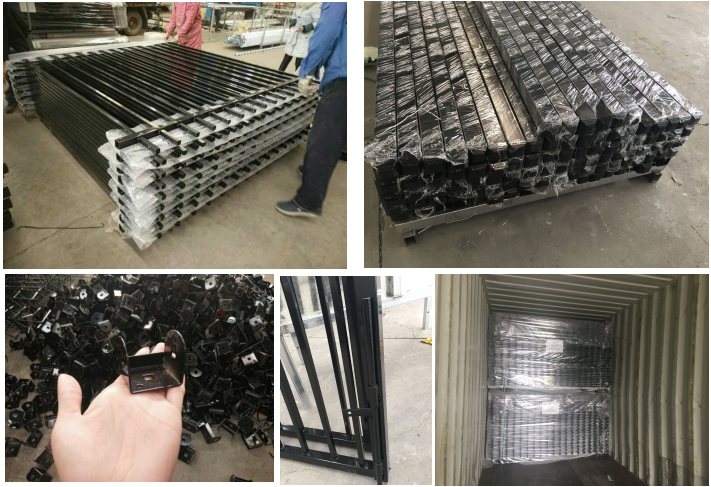
A comprehensive equipment inventory provides concrete evidence of manufacturing capabilities and helps validate production capacity claims. Document all major machinery including CNC cutting machines (laser, plasma, or shear), punching machines, bending equipment, welding stations (manual, semi-automatic, or robotic), grinding and finishing equipment, painting systems, and packaging stations. Record specifications including make, model, age, and rated capacity of each machine.
Maintenance records reveal whether equipment is likely to perform reliably or experience frequent breakdowns that could disrupt your supply chain. Request maintenance logs for major equipment and verify the dates of the most recent preventive maintenance activities. For critical measuring equipment like dimensional gauges, coating thickness meters, and welding inspection tools, examine calibration records and certification dates. Properly maintained equipment typically shows regular cleaning, lubrication, and parts replacement documentation.
The type and sophistication of equipment significantly impacts product consistency and quality. Automated welding systems with programmed parameters typically produce more consistent joint quality than manual welding, which depends heavily on operator skill. CNC cutting equipment provides greater dimensional accuracy than manual cutting methods. However, the presence of automated equipment alone doesn’t guarantee quality—proper programming, operation, and maintenance are equally important. During the audit, observe whether the equipment is actually being used according to proper procedures.
To validate production capacity, cross-check machine throughput rates against the supplier’s claimed output volumes. For example, if a manufacturer claims to produce 5,000 fence panels monthly, but their welding stations have a combined capacity of only 3,000 panels, this discrepancy requires explanation. Review shift schedules and staffing levels to determine actual operating hours. Some suppliers may claim three-shift operation but actually run only one or two shifts. Compare the theoretical maximum capacity with actual production records from recent months.
The presence and usage of quality testing equipment provides insight into the supplier’s commitment to product integrity. Look for weld testing apparatus, coating thickness gauges, dimensional measuring tools, load testing equipment, and salt spray testing chambers for corrosion resistance verification. The absence of essential testing equipment often indicates that quality is not being adequately verified before shipment.
| Equipment Type | Function | Quality Impact | Typical Capacity Per Shift |
|---|---|---|---|
| CNC Cutting Machine | Precision cutting of steel sheets and bars | High dimensional accuracy | 1000+ units |
| Welding Station (Automated) | Semi-auto or robotic welding | Consistent, high-quality joints | 500+ welds |
| Paint Booth | Powder coating and painting | Uniform finish, corrosion resistance | 1000+ units |
| Finishing Line | Polishing, packaging | Final product quality assurance | 1000+ units |
Assessing Production Capacity vs. Claims
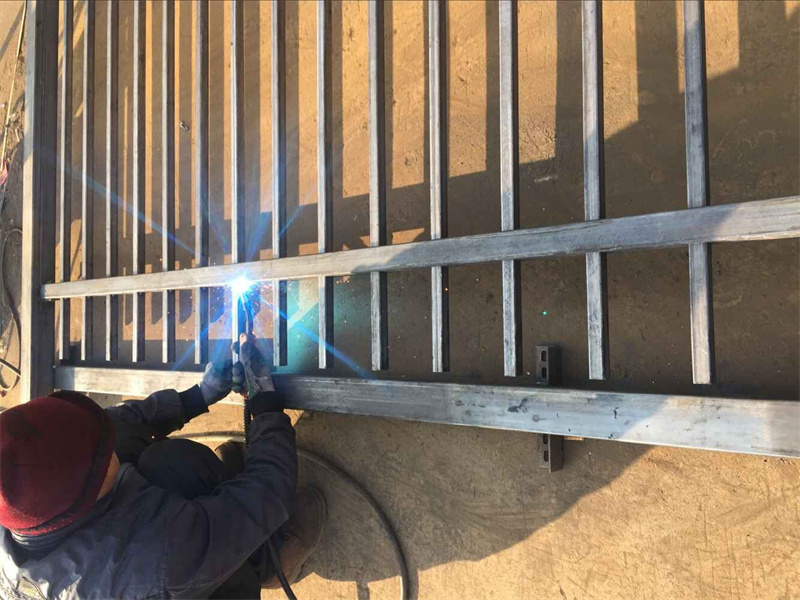
During a factory assessment in Hebei province, we discovered a supplier claiming 50,000 square meters monthly production capacity had only sufficient welding capacity for 20,000 square meters. When confronted, they admitted to outsourcing over 60% of their production—a major undisclosed supply chain risk. This illustrates why verifying actual production capacity is critical to supply security.
To accurately verify daily and monthly output volumes, examine production records from the past 3-6 months. Request detailed production schedules and compare actual completion dates with planned timelines. Cross-reference these records with shipping documents and invoices to confirm that the reported production actually left the facility. Some suppliers may inflate their capacity by including outsourced production without disclosure, so request clarification on which items are manufactured in-house versus subcontracted.
Observing live production runs provides invaluable insight into actual capabilities and bottlenecks. Request to see your specific product type being manufactured, or if not possible, similar products using comparable processes. Time several production cycles to calculate realistic outputs. While observing production, note staffing levels, machine utilization rates, and worker efficiency. Count work-in-progress inventory at different production stages to identify bottlenecks—excessive inventory before certain workstations often indicates process constraints.
Lead time accuracy significantly impacts supply chain planning and should be thoroughly verified. Compare the supplier’s quoted lead times with actual delivery records from previous orders. Track a sample order through the production process from raw material arrival to finished goods staging. If the supplier claims a 15-day production cycle but your audit reveals that raw material delivery alone takes 10 days, their lead time estimates may be unrealistic.
Production planning documentation provides evidence of operational discipline and capacity management. Review the supplier’s production scheduling system, material requirements planning (MRP) processes, and inventory management procedures. Well-organized manufacturers typically have visible production boards or digital systems showing current orders, progress status, and scheduled completion dates. Chaotic planning often leads to missed deadlines and quality problems from rushed production.

Material and Quality Control Verification
Material verification represents the scientific foundation of quality assurance in steel fence manufacturing. Understanding the metallurgical properties that determine fence durability helps auditors spot potential failures before they occur. The chemistry of steel—specifically carbon content, alloying elements, and impurity levels—directly affects structural integrity, weldability, and corrosion resistance. On-site testing complements documentation by confirming actual material composition rather than relying solely on certificates that may not match the materials being used in production.
Raw Material Certification Checks
When auditing a major fence manufacturer in Tianjin last quarter, we discovered through portable spectroscopy testing that the actual carbon content in their steel was significantly lower than the certified grade. This lower-grade material would have compromised structural integrity in high-wind applications, potentially creating safety hazards. The supplier had substituted materials due to cost pressures without updating specifications.
Steel grade certificates provide essential verification that materials meet specified standards. Request and examine certificates for compliance with appropriate standards such as ASTM A500 for structural tubing, ASTM A53 for galvanized pipe, or equivalent Chinese GB standards. These certificates, also called mill test reports (MTRs), should include chemical composition, mechanical properties (yield strength, tensile strength, and elongation), and heat treatment information. According to industry-approved standards, steel used in structural applications must meet precise chemistry and mechanical property requirements to ensure safety and durability.
Traceability documentation connects raw materials to finished products through batch numbering systems. Verify that the supplier maintains records linking specific raw material batches to production runs and finished goods. Check whether material batch numbers can be traced from receiving inspection through production to shipping. This traceability becomes crucial if defects are discovered later, allowing specific affected batches to be identified rather than requiring wholesale recalls.
On-site material verification using portable testing equipment provides immediate validation of material properties. Portable X-ray fluorescence (XRF) spectrometers can verify chemical composition, while hardness testers confirm mechanical properties through non-destructive means. When using these tools, test multiple samples from different batches and locations to detect any inconsistencies or material substitutions. Compare these results with the supplier’s certificates to identify discrepancies.
Understanding steel grade differences relevant to fencing applications enables more effective auditing. For exterior applications, hot-dip galvanized steel (ASTM A123) or pre-galvanized steel (ASTM A653) provides essential corrosion protection. Carbon content affects weldability and structural strength—higher carbon content (0.25%+) increases strength but reduces weldability, while lower carbon content improves weldability but may reduce structural rigidity. Be alert for signs of counterfeit or substandard materials, including missing or altered mill markings, inconsistent surface appearance, or suspicious pricing that’s significantly below market rates.

Welding Process and Inspection
Proper weld joint design fundamentally determines fence structural integrity and longevity. During the audit, observe whether the manufacturer implements appropriate joint designs based on load requirements and material thickness. For fence applications, common joints include butt, lap, and T-joints, each requiring specific preparation techniques. The joint preparation should include proper cleaning to remove mill scale, rust, oil, and other contaminants that can compromise weld quality.
Filler metal selection must be compatible with the base material to ensure proper fusion and joint strength. Verify that the supplier uses appropriate welding consumables that match or exceed the strength of the base metal. For carbon steel fencing, typical filler metals include E70XX electrodes for stick welding or ER70S-X wire for MIG welding. The American Welding Society specifies that proper filler metal selection is essential for achieving weld quality and avoiding defects such as cracking or incomplete fusion.
Heat treatment procedures significantly impact weld integrity for certain steel grades. Check whether the supplier conducts pre-heating for high-carbon or thicker steels to prevent cracking, or post-weld heat treatment to relieve residual stresses when required by specifications. Improper heat management during welding can lead to brittle welds or distortion that compromises dimensional accuracy and appearance.
Visual weld inspection should be systematically performed on all products. Observe whether inspectors check for common defects such as undercut, porosity, incomplete fusion, cracks, or excessive spatter. Quality inspectors should use appropriate tools like weld gauges to measure weld size, and lighting to enhance visual inspection. According to non-destructive testing standards, visual inspection remains the first and most crucial quality verification step for welded products.
Non-destructive testing (NDT) provides deeper verification of weld integrity without damaging the product. For critical structural components, verify whether the supplier conducts appropriate NDT such as magnetic particle inspection (MPI) for surface defects or ultrasonic testing (UT) for internal flaws. These methods can detect defects not visible to the naked eye. Check whether the supplier maintains records of NDT results, including acceptance criteria and remediation procedures for failed welds.
Coating & Paint Quality Inspection
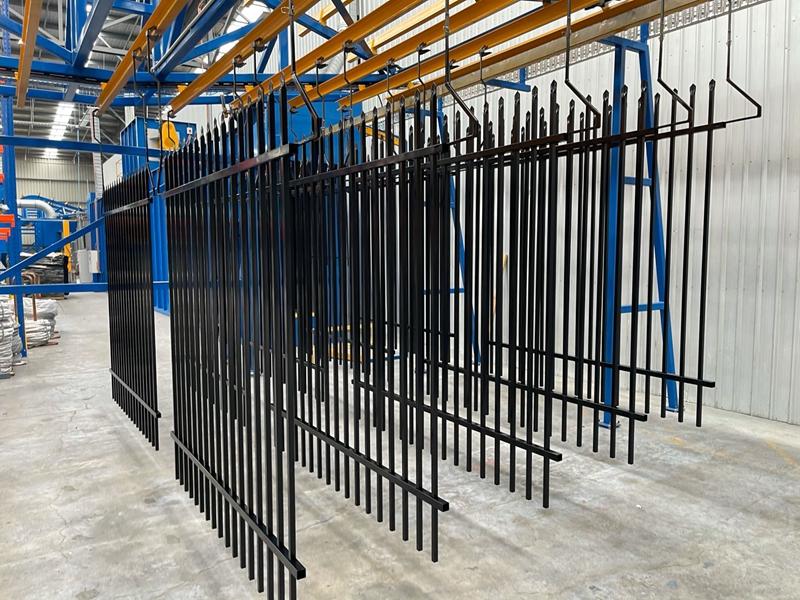
During a factory audit in Zhejiang province, we observed a supplier applying powder coating directly over improperly prepared surfaces with visible rust spots. Laboratory testing later confirmed adhesion failures and accelerated corrosion—defects that wouldn’t become apparent until months after installation. This underscores why thorough coating inspection during audits is critical for predicting long-term product performance.
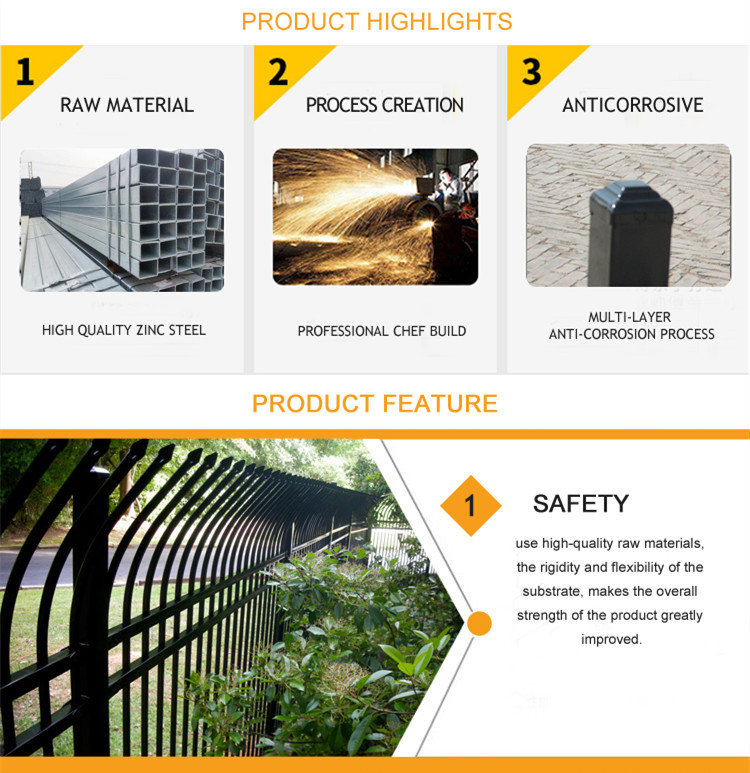
Surface preparation quality fundamentally determines coating adhesion and longevity. Observe the supplier’s pre-treatment processes, including degreasing, acid washing, phosphating, or chromating steps. For sandblasting operations, verify the grit size used (typically 80-120 mesh for steel fencing) and assess surface cleanliness. The standard reference is typically SSPC-SP 10 (Near-White Blast Cleaning) or SSPC-SP 6 (Commercial Blast Cleaning) for exterior steel fencing. Properly prepared surfaces should have a uniform appearance without visible contaminants, rust, or mill scale.
Coating thickness measurement using calibrated instruments provides quantitative quality verification. During the audit, request demonstrations of coating thickness measurement using dry film thickness (DFT) gauges on production samples. Typical powder coating specifications for exterior fence applications range from 60-100 microns (2.5-4 mils). Multiple measurements should be taken at different locations on each piece to ensure uniform coverage. Check whether the supplier maintains statistical records of coating thickness measurements and has defined minimum and maximum acceptable ranges.
Curing processes directly affect coating durability and performance properties. Verify that the supplier’s ovens or curing equipment maintain appropriate temperature profiles for the specific coatings used. For powder coatings, typical curing temperatures range from 180-200°C (356-392°F) with precise time requirements based on the coating formulation. The supplier should have temperature monitoring and recording systems to document proper curing. Insufficient curing leads to poor mechanical properties and chemical resistance, while excessive heat can cause discoloration or brittleness.
Finished coating quality should be verified through visual and instrumental assessment. Check for uniform appearance without orange peel, pinholes, runs, or other visible defects. Color and gloss should be verified against approved standards using calibrated spectrophotometers and gloss meters. For exterior applications, request documentation of accelerated weathering tests such as salt spray resistance (ASTM B117) or UV resistance (ASTM G154) to predict long-term performance. Well-controlled manufacturing operations typically include environmental monitoring in coating areas to track temperature, humidity, and dust levels—all factors that affect finish quality.
Quality Management System Audit
Effective quality control depends on comprehensive work instructions and inspection procedures. Review the supplier’s documentation for clarity, completeness, and accessibility to operators. Quality work instructions should be available at each workstation, preferably with visual aids showing acceptance criteria for critical characteristics. These documents should specify which features to check, measurement methods, and appropriate tools for each inspection point.
Process checkpoints and control charts provide evidence of systematic quality monitoring. Verify that the supplier has established in-process inspection points at critical stages such as after cutting, after welding, after surface preparation, and after coating. At each checkpoint, examine how data is collected and analyzed. Statistical Process Control (SPC) charts should be maintained for key characteristics to identify trends before they result in defects. Look for evidence that operators or inspectors actively use these charts and respond to out-of-control conditions.
According to Supply Chain Quality Management experts, proper traceability and quarantine procedures dramatically reduce the risk of non-conforming products reaching customers. Well-managed factories implement clear identification systems that follow materials and components throughout production. Verify that the supplier uses serial numbers, lot codes, or other tracking methods to maintain traceability. These identifiers should appear on products, packaging, and all quality records to enable rapid identification if quality issues arise.
The supplier’s approach to non-conforming products reveals much about their quality culture. Examine their quarantine system for segregating defective items from acceptable production. Non-conforming products should be clearly labeled, physically separated, and documented in a non-conformance reporting system. Request examples of corrective action reports to verify the supplier investigates root causes rather than simply addressing symptoms. Effective corrective action procedures include immediate containment, root cause analysis, corrective measures, and verification that the solution prevents recurrence.

Certification & Ethical Compliance Checks
Certification and ethical compliance verification provide deeper insight into a supplier’s long-term viability beyond immediate product quality. Companies with strong ethical practices typically demonstrate greater operational stability and fewer supply disruptions. Research from leading supply chain organizations indicates that suppliers with documented ethical violations face a 30% higher risk of business interruption due to regulatory actions, labor disputes, or community conflicts. These disruptions can cascade through supply chains, causing delays, quality issues from rushed production, and reputation damage for end customers.
Key Certification Verifications
When auditing a fence manufacturer near Shanghai, we discovered their prominently displayed ISO 9001 certificate had been revoked six months earlier due to major non-conformities. They continued displaying it, assuming international clients wouldn’t verify its status. This reinforced our protocol of independently confirming all certification claims through official registrars rather than accepting displayed documents.
ISO 9001 certification verification requires checking both certificate authenticity and scope relevance. Request the complete certificate showing the exact scope of certification, issue date, expiration date, and issuing certification body. Verify the certification body is accredited by appropriate organizations like ANAB (ANSI National Accreditation Board) or equivalent Chinese accreditation bodies. Most importantly, validate the certificate’s current status through the issuing certification body’s online verification portal, as certifications can be suspended or withdrawn due to failed surveillance audits.
Industry-specific certifications relevant to steel fence manufacturing include ISO 3834 for welding quality requirements or ISO 14001 for environmental management systems. For architectural applications, look for certification to architectural standards like AAMA (American Architectural Manufacturers Association) for finishing quality. If the supplier exports to Europe, CE marking certification indicates compliance with EU safety, health, and environmental requirements. The validity of these specialized certifications should be verified through their respective issuing bodies.
Product-specific compliance marks demonstrate conformance to relevant standards. For steel fencing products, important standards include ASTM F2408 for ornamental fences, ASTM F1043 for industrial chain-link framework, or equivalent Chinese GB standards. Verify that the supplier has test reports from accredited laboratories confirming compliance with these standards. If products will be exported, check for certification to destination country standards such as AS 1725 in Australia or BS 1722 in the UK.
Counterfeit or expired certificates present a significant risk in supplier qualification. Common red flags include fuzzy or low-resolution certificate images, inconsistent formatting, missing certificate numbers, or certificates listing obsolete standards versions. Certificates should list the specific manufacturing location being audited, not just the company headquarters. For additional verification, request recent audit reports from the certification body or surveillance audit documentation showing ongoing compliance. Third-party test reports should come from recognized, accredited laboratories and include complete test data rather than simple pass/fail statements.
Ethical Compliance & Social Responsibility
Labor conditions assessment provides insight into workplace practices and compliance with legal requirements. Observe working conditions throughout the facility, paying attention to safety measures, adequate lighting, ventilation, and ergonomics. Review employee time records to verify reasonable working hours compliant with Chinese labor laws, which generally limit regular working time to 40 hours per week with restricted overtime. Check payroll records to confirm wages meet or exceed local minimum wage requirements and that overtime is properly compensated according to Chinese regulations (typically 150% for weekday overtime, 200% for weekends, and 300% for holidays).
Environmental compliance verification encompasses waste management, emissions control, and resource conservation. Examine how the supplier handles hazardous wastes from processes like surface preparation and painting. Verify they maintain required environmental permits from local authorities, particularly for air emissions and wastewater discharge. Well-managed suppliers typically maintain environmental monitoring records and can demonstrate compliance with applicable standards. Check whether the facility has implemented energy efficiency measures or renewable energy sources, which often indicate a forward-thinking management approach.
Anti-corruption and business ethics policies reveal a supplier’s governance standards. Request and review the supplier’s written policies on anti-bribery, conflicts of interest, and business ethics. Effective policies include clear reporting mechanisms for violations and protection for whistleblowers. During management interviews, assess awareness and implementation of these policies throughout the organization. Transparent suppliers willingly discuss their approach to ethical challenges and demonstrate consistent application of ethical standards.
Supply chain transparency extends ethical verification beyond the immediate supplier. Inquire about the supplier’s own supply chain management practices, particularly regarding raw material sourcing. Responsible manufacturers maintain approved supplier lists with qualification criteria that include ethical standards. They should be able to trace key materials back to their sources and demonstrate due diligence in selecting ethical sub-suppliers. Ask whether they conduct their own supplier audits or rely on third-party assessments to verify compliance throughout their supply chain.
Post-Audit Reporting & Follow-Up
Comprehensive reporting and follow-up processes transform audit findings into actionable improvements that reduce future supply risks. Well-structured audit reports create a foundation for continuous improvement by clearly documenting both current issues and improvement opportunities. Research shows that suppliers who implement structured corrective action plans typically resolve 70% of identified issues within three months, compared to just 30% resolution for suppliers without formal improvement plans.
Audit Report Essentials
Effective audit reports provide clear documentation of observations with objective evidence. Structure the report to align with the audit checklist sections, including facility assessment, production capability, material verification, quality control, and compliance. For each section, document conforming practices, minor non-conformities, and major non-conformities with specific details rather than general statements. Instead of noting “inadequate welding inspection,” specify “welding inspection lacks documented acceptance criteria and no records were available for welds completed on April 15-17.”
Photographic evidence substantially strengthens audit findings and prevents later disputes. Include clearly labeled photographs of both positive practices and areas needing improvement. Ensure photos have timestamps and location identification. Photograph documents, processes, equipment, workstations, storage areas, and quality issues. For sensitive findings like safety violations or substandard practices, multiple photos from different angles provide comprehensive documentation.
Non-conformity documentation requires clear severity classification and potential impact assessment. Categorize issues as critical, major, or minor based on potential effects on product quality, delivery, safety, or compliance. Critical issues present immediate risks to product safety or legal compliance and typically require production holds until resolved. Major issues indicate systemic problems that could significantly affect quality or delivery but don’t present immediate safety concerns.
The audit summary should provide a balanced assessment of supplier capabilities. Include an executive summary highlighting key strengths, critical weaknesses, and overall conformity rating. Many organizations use scoring systems (e.g., 0-100) or classification schemes (e.g., Approved, Conditionally Approved, Not Approved) to facilitate supplier comparison and decision-making. Include context about production conditions during the audit, such as order volume, product types being manufactured, and any unusual circumstances that might have affected observations.
Corrective Action Plan & Monitoring
After auditing a steel fence manufacturer in Guangdong province last year, we identified critical deficiencies in their welding procedure documentation. By implementing a structured CAP with clear ownership and weekly progress reviews, the supplier not only addressed the immediate findings but ultimately improved their entire quality management system. Six months later, their first-time-right production rate had increased by 22%, demonstrating how effective post-audit follow-up delivers tangible supply chain benefits.
A well-structured Corrective Action Plan (CAP) provides a roadmap for sustainable improvement. Request that the supplier submit a written CAP within a specific timeframe (typically 1-2 weeks after the audit report is issued). The CAP should address each identified non-conformity with specific, measurable actions rather than vague commitments. For each finding, the plan should include root cause analysis, proposed corrective action, preventive measures to avoid recurrence, implementation responsibility assignment to specific individuals, and realistic completion deadlines.
Effective CAP monitoring requires clear milestones and verification methods. Establish a schedule for progress updates based on the severity of findings—weekly updates for critical issues, monthly for major non-conformities, and quarterly for minor items. Request photographic evidence and documentation of completed actions rather than simply accepting verbal assurances. For significant improvements, consider conducting focused follow-up audits to verify implementation effectiveness.
Supplier performance scorecards provide a quantitative method to track improvement over time. Integrate audit findings and CAP completion rates into a comprehensive supplier evaluation system that may also include quality metrics, on-time delivery performance, and cost competitiveness. Well-designed scorecards weight metrics according to business impact and provide trend analysis to show improvement or deterioration over time. Share scorecard results with suppliers regularly to drive continuous improvement through transparency and healthy competition.
Downloadable Supplier Audit Checklist
A comprehensive audit checklist drives consistency and thoroughness across supplier evaluations. Compared to unstructured assessments, structured checklists reduce oversight errors by up to 75% by preventing important verification points from being missed. They also enable meaningful supplier comparisons by ensuring all manufacturers are evaluated against identical criteria. When audit teams change personnel, checklists preserve institutional knowledge and maintain consistent standards. Additionally, checklist-based audits provide clearer documentation for regulatory compliance and risk management purposes.
Complete Factory Audit Checklist
This comprehensive checklist consolidates all critical verification points for Chinese steel fence supplier audits. Before visiting the facility, verify the supplier’s business license (营业执照), ISO 9001 certification, export license if applicable, and product-specific certifications like ASTM F2408 or equivalent GB standards. Request and review product specifications, material safety data sheets, and any previous inspection reports. Schedule the audit during normal production periods, confirm the scope and agenda with supplier management, and arrange for appropriate technical specialists and interpreters if needed.
At the facility, verify the factory layout for logical production flow with distinct zones for material storage, cutting, welding, surface treatment, painting, and finished goods. Assess safety systems including fire protection, emergency exits, ventilation, lighting, and hazardous material handling procedures. Check waste management practices and environmental controls, especially around painting operations. Inventory production equipment including CNC machines, welding stations, surface preparation equipment, paint booths, and inspection stations. Verify maintenance records, equipment capabilities, and actual production volumes compared to claimed capacity.
Material quality verification includes examining steel grade certificates against applicable standards (ASTM, GB), checking traceability of materials from receiving through production, and conducting spot testing using appropriate equipment. For welding processes, observe joint design, filler metal selection, and welding procedures. Verify visual inspections and non-destructive testing methods for weld quality assessment. Examine coating operations for surface preparation quality, application methods, thickness measurement, and curing parameters. Test finished coatings for appearance, adhesion, and thickness uniformity.
Quality system verification encompasses reviewing inspection procedures, statistical process control implementation, and final testing protocols. Check whether quality records are maintained, process capabilities are monitored, and non-conforming products are properly identified and segregated. Verify traceability systems that connect finished products to raw materials and production batches. Certification verification includes authenticating all relevant certifications through issuing bodies and confirming their scope applies to the audited facility. Ethical compliance assessment covers labor practices, environmental responsibility, anti-corruption policies, and supply chain transparency.
| Audit Area | Inspection Points | Pass/Fail Criteria | Comments |
|---|---|---|---|
| Pre-Audit | Business license, ISO certificates, product specs | Valid and current | |
| Factory Layout | Zone segregation, ventilation, fire safety | Meets safety standards | |
| Production Capability | Equipment inventory, output verification | Sufficient and well-maintained | |
| Material Quality | Steel grade certificates, spot tests | Matches spec and traceable | |
| Welding Quality | Visual and NDT inspection, WPS adherence | No defects detected | |
| Coating Quality | Surface prep, thickness, curing | Meets contract specs | |
| QMS | Inspections, SPC charts, traceability | Complete and effective | |
| Certifications | ISO, CE, ASTM authenticity | Genuine and valid | |
| Ethical Compliance | Labor, environment, policies | Compliant with standards | |
| Post-Audit | Report completeness, CAP, monitoring | Clear and actionable |
Ready to Improve Your Supplier Audits?
Download our comprehensive Chinese supplier factory audit checklist and start implementing professional-grade quality verification for your steel fence suppliers today.
Conclusion: Audit Insights for Procurement Success
A structured audit process integrating document review, onsite inspection, and ethical checks builds supplier trust and product quality assurance. The comprehensive approach outlined in this guide enables procurement professionals to move beyond surface-level supplier evaluation to genuine verification of capabilities and compliance. By systematically examining all aspects of a supplier’s operation—from legal documentation to production capabilities to quality systems—organizations can significantly reduce supply chain risks and establish partnerships built on verified performance rather than promises.
Verifying production capability and quality controls through observation and testing reveals risks beyond paperwork. On-site verification provides insights that documentation alone simply cannot deliver. By physically examining processes, testing materials, and observing production in action, audit teams can identify discrepancies between claimed and actual capabilities. This reality-based assessment prevents unpleasant surprises like capacity shortfalls, quality issues, or compliance violations that might otherwise emerge only after significant orders are placed and problems become costly to rectify.
Post-audit reporting and corrective action management ensure continuous supplier improvement and long-term partnership viability. The audit itself is merely the starting point—the real value comes from systematically addressing identified gaps through structured improvement plans. By establishing clear expectations for corrective actions, monitoring progress, and verifying effective implementation, procurement teams transform one-time audits into ongoing supplier development programs. This continuous improvement approach not only resolves immediate issues but builds supplier capabilities over time, creating more resilient supply chains and stronger partnerships.
Need Expert Audit Support?
Our team of experienced quality professionals can help you implement effective supplier verification processes tailored to your specific needs.
Frequently Asked Questions
What documents should I request before auditing a Chinese steel fence supplier?
Before conducting your audit, request the supplier’s business license (营业执照) to verify legal registration and operational scope, ISO 9001 or other quality management certifications, product-specific certifications such as ASTM compliance documentation, detailed material specifications and drawings, material safety data sheets (MSDS) for all chemicals and coatings used, and any previous inspection or audit reports. These documents establish baseline expectations and help identify potential risk areas to focus on during your on-site visit. Pre-audit document review can reduce on-site time by up to 30% by allowing auditors to concentrate on verification rather than information gathering.
How can I verify the quality of welding during a factory audit?
To effectively verify welding quality, start with visual inspection of completed welds, looking for uniformity, proper size, absence of cracks, porosity, undercut, or excessive spatter. Request demonstrations of non-destructive testing methods like magnetic particle inspection for detecting surface defects or ultrasonic testing for identifying internal flaws. Examine welder qualification records to ensure personnel are certified to appropriate standards like AWS D1.1 or ISO 9606 for the specific materials and processes used. Review Welding Procedure Specifications (WPS) to verify standardized parameters are established and followed. For critical applications, consider requesting destructive testing such as cross-sectioning sample welds to examine penetration and fusion quality.
What are common red flags during a Chinese supplier factory audit?
Key red flags include reluctance to show certain production areas or provide requested documentation, significant discrepancies between claimed and observed production capacity, outdated or potentially counterfeit certifications, inability to trace materials from receiving through production, absence of quality inspection records or statistical process control data, unsegregated or unmarked non-conforming products, poorly maintained equipment, inconsistent product quality between samples, substandard safety conditions such as blocked exits or missing fire protection, evidence of unauthorized subcontracting, and employee practices that indicate insufficient training or supervision. These warning signs often indicate deeper systemic issues that could affect product quality, delivery reliability, or compliance.
How do I ensure ethical compliance in Chinese manufacturing factories?
To verify ethical compliance, examine labor conditions including working hours, wage payment practices, and worker welfare facilities. Review environmental practices such as waste disposal methods, emissions controls, and resource conservation efforts. Assess workplace safety measures including protective equipment usage, machine guarding, and emergency procedures. Verify that the supplier maintains appropriate licenses and permits for all operations, particularly those with environmental impact. Examine anti-corruption policies and transparency in business practices. Conduct confidential worker interviews when possible to validate management claims. Check for transparent subcontractor management and ethical raw material sourcing. Compare observations against both Chinese legal requirements and international standards such as SA8000 or BSCI.
Why is a corrective action plan important after an audit?
A structured Corrective Action Plan (CAP) transforms audit findings from simple observations into actionable improvements. It creates accountability by documenting specific issues, assigning clear responsibility for resolution, establishing realistic deadlines, and defining verification methods. Without a formal CAP, audit findings often remain unaddressed as daily operational pressures take precedence. The CAP process also promotes root cause analysis rather than symptomatic fixes, helping prevent recurrence of similar issues. Additionally, CAP completion rates provide measurable metrics for supplier improvement and comparison. Studies show that suppliers who implement structured CAPs resolve approximately 70% of audit findings within three months, compared to just 30% resolution for suppliers without formal improvement plans.


