 Skip to content
Vital Insights on Critical Infrastructure Fencing
- Effective critical infrastructure fencing blends robust steel materials with standardized installation to resist physical and vehicular threats.
- Integrating fencing with intrusion detection and preventive maintenance is essential for lasting perimeter security.
Overview of Critical Infrastructure Fencing
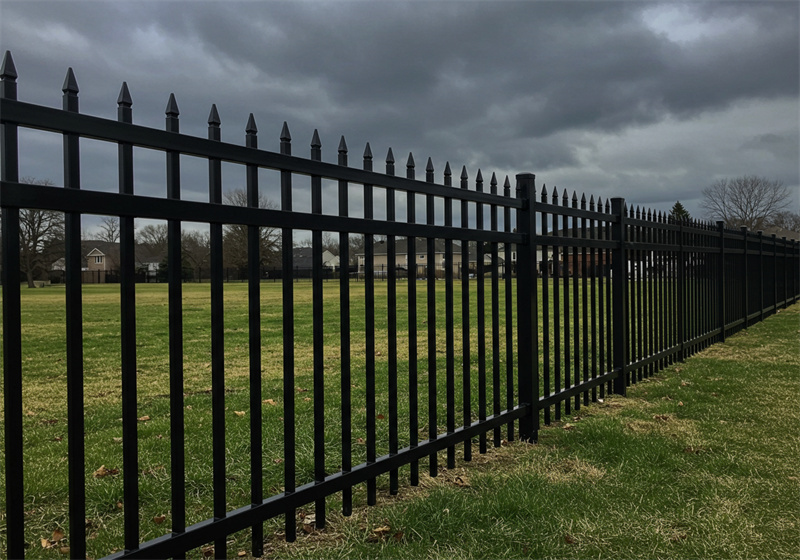
The landscape of security for critical infrastructure has evolved dramatically in recent years, yet physical barriers remain the foundation of any comprehensive protection strategy. At government facilities, utility installations, and industrial complexes across North America, physical steel fencing serves as the first and most visible layer of defense against unauthorized access and potential threats. Despite significant technological advances in electronic security, physical fencing remains irreplaceable because of its constant presence, visual deterrence, and ability to function without power or network connectivity.
Physical barriers like steel security fencing provide the critical delay factor that electronic systems alone cannot deliver. While cameras may detect an intruder and alarms may sound, only a properly specified physical barrier can impede progress long enough for response teams to intercept threats. This principle of security—detection plus delay equals response time—underpins why robust steel fencing specifications matter significantly for national security and critical resource protection.
Steel fencing for critical infrastructure must balance visibility, strength, and compatibility with other security systems. The continued reliance on physical barriers stems from their proven effectiveness against persistent threats, from opportunistic trespassers to sophisticated adversaries. Let’s examine the fundamental purposes and requirements for these critical protective systems.
Definition and Purpose
Critical infrastructure fencing encompasses engineered physical barrier systems specifically designed to protect facilities deemed essential to the functioning of society and the economy. These specialized security fencing systems serve three primary objectives: deterrence through visible security presence, delay of unauthorized access through physical resistance, and detection when integrated with alarm systems. Unlike standard commercial or residential fencing, these systems must withstand deliberate attacks while maintaining operational functionality.
The most common infrastructure types protected by such fencing include electrical substations, water treatment facilities, transportation hubs, government buildings, data centers, and industrial manufacturing sites. Each of these facility types requires tailored approaches to perimeter security based on their specific threat profiles and operational requirements. For example, a remote electrical substation may emphasize anti-climb features, while a government facility might prioritize anti-ram capabilities.
Regulatory frameworks governing critical infrastructure fencing include NERC CIP standards for electrical utilities, Department of Homeland Security guidelines, and specific agency requirements like those from the Department of Energy or Department of Defense for their respective facilities. These regulations often specify minimum physical security measures, including fencing specifications, that must be implemented based on the criticality of the protected asset.
Critical infrastructure protection through physical security measures represents a fundamental national security priority that transcends public and private sector boundaries.

Common Threats Addressed
Critical infrastructure fencing is designed to counter a diverse range of physical threats that could compromise facility operations or public safety. The most prevalent physical threats include unauthorized intrusion by climbing or cutting, vandalism targeting visible equipment, sabotage of operational systems, and vehicle ramming attacks that attempt to breach perimeter barriers. The latter has become increasingly concerning, prompting enhanced specifications for vehicle impact resistance in modern security fencing systems.
The threat actors targeting critical infrastructure span a broad spectrum from casual trespassers to sophisticated adversaries. These include curious individuals, metal thieves attracted by valuable materials, environmental activists targeting certain facilities, insider threats from disgruntled employees, and in some cases, terrorist organizations or state-sponsored actors seeking to disrupt essential services. Each type of threat actor possesses different capabilities, tools, and motivations that influence fence design requirements.
The concept of threat-rating in fence design involves assessing the specific risks to a facility and implementing appropriate security measures. For instance, a Level 1 threat might involve opportunistic trespassers requiring only basic deterrence, while a Level 3 threat could involve coordinated attacks requiring substantial delay features. This threat-based approach ensures security investments align with actual risks rather than implementing excessive measures universally.
When designing critical infrastructure fencing, these threat assessments directly inform specifications such as fence height, mesh configuration, anti-climb features, and foundation requirements. For example, facilities facing higher threats of vehicle ramming attacks will incorporate deeper foundations, closer post spacing, and potentially integrated cable systems or concrete barriers. Similarly, sites concerned with cutting attacks might specify heavier gauge wire and smaller mesh openings to increase breach time.
Understanding the relationship between threat-rated fence systems and specific adversaries enables more effective security planning and resource allocation for critical infrastructure protection.
Steel Fencing Specifications for Security
The performance characteristics of steel fencing are fundamentally governed by metallurgical principles that security professionals must understand to make informed specifications. Carbon steel provides excellent structural strength but is naturally vulnerable to oxidation. The science of protective coatings involves creating sacrificial barriers that corrode preferentially to the base steel. In hot-dip galvanizing, zinc bonds electrochemically to steel, forming both a physical barrier and a sacrificial anode that protects even when scratched. The thickness of this zinc layer directly determines service life – typically measuring 3-5 mils (75-125 microns) for security applications. Zinc-aluminum alloy coatings enhance this protection through synergistic effects: zinc provides sacrificial protection while aluminum forms a more stable oxide layer that slows overall corrosion rates, particularly valuable in industrial environments with chemical exposure or coastal settings with salt spray.
Material Requirements
Critical infrastructure fencing typically requires minimum 12-gauge (approximately 2.5 mm) hot-dip galvanized or zinc-aluminized steel wire. This specification represents a careful balance between strength, durability, and cost-effectiveness. The 12-gauge requirement ensures sufficient resistance to cutting attempts while maintaining reasonable installation weight. Anything lighter than 12-gauge significantly reduces breach resistance and service life, compromising the security function of the barrier.
Several ASTM standards govern the material quality and coating specifications for security fencing. ASTM A123/A123M establishes requirements for zinc coatings on iron and steel products, specifying minimum coating weights based on material thickness. For structural components like posts, ASTM A975 provides standards for galvanized pipe. These standards ensure consistent quality and corrosion resistance across manufacturers, critical for long-term performance in security applications.
The choice between standard hot-dip galvanizing and zinc-aluminizing significantly impacts fence longevity, particularly in challenging environments. While traditional galvanizing provides approximately 20+ years of service in average conditions, zinc-aluminized coatings can extend this to 25+ years or more, especially in coastal or industrial areas where corrosive elements are present. This additional protection comes with a moderate cost premium but often proves economical when considering total lifecycle costs.
In utility and industrial environments, corrosion factors extend beyond normal atmospheric conditions. Chemical emissions, salt spray in coastal locations, and industrial pollutants can dramatically accelerate corrosion of inadequately protected steel. For this reason, critical infrastructure in these environments often specifies enhanced coatings or increased coating thickness to ensure the intended service life. Some exceptionally harsh environments may even warrant consideration of stainless steel components for critical connection points despite the significant cost increase.
| Coating Type | Corrosion Resistance | Typical Lifespan | Common Applications |
|---|---|---|---|
| Hot-dip Galvanized | High | 20+ years | General outdoor utility & industrial |
| Zinc-aluminized | Very High | 25+ years | Coastal or chemically aggressive sites |
The materials selected for critical infrastructure fencing must meet ASTM standards for both initial performance and long-term durability to ensure security objectives are maintained throughout the expected service life of the installation.

Physical Dimensions
The recommended fence height for critical infrastructure protection typically ranges from 6 to 8 feet (1.8 to 2.4 meters). This height specification balances several competing factors: deterrence effectiveness, material costs, visual impact, and compatibility with supplementary security features. The 6-foot minimum creates a significant psychological and physical barrier for casual intruders, while the 8-foot upper range substantially increases the difficulty and time required for climbing, even for determined adversaries. Facilities with the highest security requirements occasionally extend beyond this range to 10 feet or more.
Diamond mesh sizing represents another critical specification, with the industry standard being 2 inches by 2 inches (50mm × 50mm). This dimension is carefully selected to prevent easy footholds for climbing while maintaining sufficient visibility for surveillance through the fence. Smaller mesh sizes increase security by eliminating hand and footholds but add weight and wind load to the fence structure. Larger openings compromise security by making climbing easier and potentially allowing passage of tools or weapons through the barrier.
Support posts require minimum ½-inch (12mm) square or round tubular steel, set in concrete footings at 8-10 foot (2.4-3 meter) intervals. The post diameter and wall thickness directly impact the fence’s ability to remain standing under attack or environmental stress. Post spacing affects overall system rigidity; closer spacing creates a stronger fence line but increases material and installation costs. For high-security applications or areas with extreme wind loads, post specifications may increase to ¾-inch or larger diameter with correspondingly deeper footings.
Concrete footing depth requirements start at a minimum of 12 inches but vary significantly based on local soil conditions, frost line depth, and security requirements. Deeper footings provide increased resistance to lifting or pushing attacks that attempt to create gaps under the fence line. In high-security applications, footings may extend 24-36 inches deep with additional reinforcement. The diameter of footings typically measures three times the post diameter to ensure sufficient anchoring strength.
| Element | Specification | Purpose |
|---|---|---|
| Fence Height | 6-8 ft (1.8-2.4 m) | Deter climbing and intrusions |
| Mesh Size | 2×2 in diamond | Balance strength & visibility |
| Post Diameter | ≥ ½ in tube | Structural support |
| Post Spacing | 8-10 ft | Maximize rigidity & limit gaps |
| Footing Depth | ≥ 12 in concrete | Resist uprooting & ram attacks |
Anti-Climb and Topping Features
Anti-climb top designs represent a critical security enhancement for critical infrastructure fencing. The most common options include smooth-roll bars, which eliminate gripping surfaces at the fence top, and vertical extension bars that increase effective height while creating unstable contact points. These designs significantly increase the difficulty and time required for climbing attempts, particularly when implemented with proper spacing and materials. A recent security assessment at three electrical substations found that adding smooth-roll tops increased breach time by an average of 4-6 minutes—critical delay in security response scenarios.
For locations with heightened security requirements, razor wire or barbed wire toppings provide additional deterrence and delay capabilities. These features are typically installed in configurations of 3-5 strands arranged in a V or Y pattern to maximize coverage and deterrent effect. While effective from a security standpoint, these aggressive topping features require careful consideration of liability concerns, public perception, and local regulations that may restrict their use in certain environments or neighborhoods.
The most effective anti-climb designs focus on eliminating potential hand and footholds throughout the fence system. This includes minimizing horizontal elements, ensuring smooth transitions between fence components, and eliminating external hardware that could aid climbing. The placement of horizontal rails on the secure side of the fence, rather than the public side, significantly increases climbing difficulty by removing built-in stepping features. Similarly, covering or eliminating protruding bolt heads prevents their use as climbing aids.
Maintenance considerations play an important role in anti-climb feature selection. More complex systems like coiled razor wire require regular inspection for sagging or damage that might compromise their effectiveness. Safety compliance for maintenance personnel must be addressed through proper training, access methods, and protective equipment. The best designs balance maximum security effectiveness with reasonable maintenance requirements to ensure long-term performance.
Advancements in anti-climb fencing continue to evolve, with new composite materials and designs that maintain aesthetic acceptability while enhancing security. These developments are particularly valuable for critical infrastructure in public-facing or community-sensitive locations where visual impact must be managed alongside security requirements.
Vehicular & Weather Resistance Standards
Critical infrastructure fencing must meet stringent standards for vehicular impact resistance, typically conforming to UL 752 Class II or III requirements. These classifications specify the fence system’s ability to withstand deliberate vehicle ramming attacks, with Class II designed to stop a 4,000-pound vehicle traveling at 40 mph and Class III addressing higher-speed impacts. Meeting these standards requires not just robust fence materials but properly engineered foundation systems that can absorb and distribute impact forces. In a recent crash test of perimeter security at a California water treatment facility, only the fence sections installed to UL 752 standards successfully prevented vehicle penetration.
Wind load requirements specify that security fencing must withstand winds up to 90 mph (approximately 40 m/s) or comply with local building codes, whichever is more stringent. In areas prone to hurricanes or tornados, these requirements may increase substantially. Proper engineering for wind resistance considers not just the fence frame and mesh but also the foundation sizing, as the fence essentially functions as a sail catching wind forces. The entire system must maintain its security integrity during and after extreme weather events, as these often coincide with increased security vulnerabilities.
Welding standards for fence construction follow ASTM F567 specifications, ensuring joints maintain structural integrity under stress. This standard dictates proper weld types, sizes, and procedures for security fencing applications. Properly executed welds are critical to prevent separation of fence components during physical attacks or environmental stress. Failed welds represent one of the most common points of compromise in security fencing systems, making strict adherence to these standards essential for long-term security performance.
When integrating electric security fencing components, proper grounding and bonding become critical safety and performance factors. ASTM G21 provides compliance guidelines for grounding conductors to ensure safe fault clearance. Additionally, NFPA 73 and NEMA ICS-003 establish requirements for electrical installations at perimeters of critical facilities. These standards ensure that electric fence energizers operate effectively while preventing hazardous conditions for personnel or damage to other security systems through electrical interference or faults.

Multi-Layer Perimeter Protection Design
Defense in depth, a concept originating in military fortification strategy, forms the theoretical foundation of modern layered security. This principle acknowledges that no single barrier—regardless of material strength or construction—can provide absolute protection against determined adversaries with sufficient time and resources. By implementing successive security layers, each with distinct protective mechanisms, facilities create cumulative delay time that exponentially increases with each breached barrier. The security value lies in mathematical probability: if each layer has a 90% effectiveness rate, then two layers provide 99% protection (1-(0.1×0.1)=0.99). This principle explains why modern security standards for critical infrastructure emphasize multiple complementary protection layers rather than single, hardened barriers.
Layered Security Components
The primary physical barrier in a multi-layered perimeter protection system is the steel security fence meeting the specifications outlined earlier. This barrier serves as the foundation of the physical security system, providing a clear property demarcation, initial delay against unauthorized entry, and a mounting structure for additional security components. In the most effective implementations, this primary fence establishes the outer security perimeter, with subsequent layers of protection inside its boundary. For critical facilities like nuclear power plants or certain government installations, multiple fence lines may be employed to create additional delay zones.
Perimeter intrusion detection sensors complement physical barriers by providing immediate notification of breach attempts. These sensors transform a passive barrier into an active monitoring system capable of triggering response protocols. Modern perimeter security designs typically include multiple sensor technologies to minimize vulnerabilities and false alarms. When planning sensor deployment, security professionals must consider environmental conditions, facility operations, and the specific threats facing the facility to select appropriate technologies and positioning.
Integration with security alarm systems and monitoring creates a comprehensive security envelope around protected assets. This integration occurs through specialized security management systems that correlate inputs from multiple sensor types, apply intelligent filtering algorithms to reduce false alarms, and provide actionable information to security personnel. Advanced systems incorporate automatic video call-up, directing cameras to alarm locations and providing visual verification capabilities. This integration of physical barriers, sensors, and monitoring represents the current best practice for critical infrastructure protection.
Surveillance systems provide additional layers of security through deterrence, detection, and documentation capabilities. Modern video surveillance platforms include analytics that can distinguish between humans, animals, and environmental movements, reducing false alarms while improving detection reliability. When properly integrated with fence sensors, these systems create redundant detection layers—if one system fails to detect an intrusion attempt, the other likely will. The visual evidence provided by surveillance systems also proves valuable for post-incident investigation and prosecution.
Perimeter Intrusion Detection Sensors
A variety of sensor technologies protect modern fence lines, each with distinct advantages and limitations. Vibration sensors detect fence movement from climbing or cutting attempts and can be installed on existing fences as a retrofit security enhancement. Infrared sensors create invisible detection beams along fence lines that trigger when interrupted, providing coverage above and parallel to physical barriers. Microwave sensors generate detection fields that can span gaps in physical coverage like gates or access points. More advanced systems utilize MEMS (Micro-Electro-Mechanical Systems) accelerometers that detect specific vibration signatures associated with cutting or climbing while ignoring environmental factors like wind or rain.
Strategic sensor placement significantly impacts system effectiveness. Sensors must be positioned to ensure complete coverage without gaps that could allow undetected access. For vibration and accelerometer-based systems, proper spacing and mounting are critical to ensure disturbances propagate effectively to detection points. Infrared and microwave systems require careful alignment and testing to verify detection zones cover vulnerable areas while avoiding obstructions that could create blind spots or excessive false alarms. Most comprehensive systems utilize overlapping detection zones to eliminate single points of failure.
Effective alarm response protocols transform sensor activations into security actions. These protocols typically include graduated response levels based on threat assessment and alarm verification. Initial alerts may trigger camera assessment by security personnel, while multiple or verified alarms might activate direct response by security teams, law enforcement notification, or facility lockdown procedures. A significant challenge in perimeter security is balancing rapid response against the operational disruption caused by false alarms, making proper system tuning and verification procedures essential.
Security Alarm System Integration
Electric fence energizers represent a specialized component that combines physical deterrence with intrusion detection capabilities. These systems deliver a non-lethal electric pulse to fence conductors that deters contact while immediately detecting disturbances to the energized elements. When tampering occurs through cutting or climbing, the system registers the change in electrical parameters and triggers an alarm. Modern energizers include sophisticated monitoring capabilities that can differentiate between actual intrusion attempts and environmental factors like vegetation contact or minor wildlife interactions.
Control room notification and remote alert mechanisms distribute alarm information to security personnel through multiple channels. These typically include direct console alerts in security monitoring centers, automated radio or phone notifications to mobile security teams, and in some cases, direct alerts to law enforcement or emergency services for high-priority facilities. Modern systems increasingly incorporate mobile applications that provide security managers with real-time alarm information and video verification capabilities from anywhere, improving response coordination during incidents.
Standards compliance and system redundancy ensure reliable operation during security events. Critical systems incorporate backup power sources, redundant communication paths, and fail-secure design principles that maintain protection even when components fail. For the highest security applications, these systems must comply with standards like UL 2050 for monitoring stations and NFPA 731 for electronic premises security systems. Proper redundancy design ensures no single point of failure can disable the entire security system, with particular attention to power supplies, communication networks, and central processing components.

Integrated security alarm sensors transform static barriers into dynamic security systems capable of detecting and responding to intrusion attempts in real-time, substantially increasing the protective value of physical perimeter investments.
Preventive Maintenance & Condition Monitoring
Effective perimeter security depends heavily on regular inspection and testing protocols to maintain operational readiness. For physical fence components, these inspections typically occur quarterly, with comprehensive testing of electronic elements conducted monthly. Inspections focus on identifying physical damage, corrosion issues, or tampering attempts before they compromise security effectiveness. Testing protocols verify sensor functionality, alarm communication paths, and response procedures to ensure all system elements work together as designed. The most effective programs document both inspection findings and corrective actions within a formal security maintenance management system.
Condition monitoring technologies have evolved significantly in recent years, allowing more proactive maintenance approaches. Modern fence sensors can self-report performance metrics, electrical parameters, and environmental conditions that might affect operation. Some systems incorporate distributed fiber optic cables that detect not only intrusion attempts but also fence condition changes like tension loss or post movement that could indicate developing problems. Remote monitoring capabilities allow security teams to assess system health continuously rather than relying solely on periodic physical inspections, significantly improving reliability while potentially reducing maintenance costs.
Common failure points in perimeter security systems include fence tensioning components, gate hinges and latches, sensor mounts, and electrical connections exposed to weather. Each of these vulnerabilities requires specific repair protocols and replacement parts to address failures quickly and effectively. Preventive replacement of these components based on condition assessment or established service intervals helps minimize security gaps due to equipment failure. Maintenance programs should include emergency repair procedures and spare parts inventories for critical components to minimize vulnerability during repair operations.
Operational security integrity depends directly on maintenance effectiveness. Even minor deferred maintenance issues can create cumulative vulnerabilities in perimeter protection. For example, a small gap developing under a fence line might initially seem insignificant but could eventually allow unauthorized access without triggering detection systems. Similarly, degraded sensor performance might increase false alarm rates, potentially leading operators to reduce sensitivity settings and compromise detection capability. Establishing clear maintenance responsibility, performance metrics, and management oversight ensures these issues receive appropriate attention before security effectiveness is compromised.
Implementing effective preventive maintenance programs represents one of the highest-return investments in long-term security effectiveness for critical infrastructure protection.
Procurement and Compliance Guidelines
Procurement decisions for critical infrastructure fencing directly influence security outcomes through their impact on material quality, installation standards, and long-term performance. These decisions extend well beyond initial purchase price to affect lifecycle costs, regulatory compliance, and ultimately, security effectiveness. Many procurement failures result from focusing excessively on acquisition cost while neglecting quality specifications and performance requirements. This shortsighted approach often leads to premature system failure, increased maintenance expenses, and potential compliance violations that ultimately cost far more than specifying appropriate materials initially.
Quality control during procurement represents a particular challenge because many fencing defects remain invisible until failure occurs. For example, inadequate galvanizing thickness might meet visual inspection requirements but fail prematurely in corrosive environments. Similarly, improper welding techniques might create joints that appear sound but lack the structural integrity to withstand attack. These “hidden” quality factors necessitate rigorous specification development, supplier qualification, and materials testing throughout the procurement process.
Regulatory adherence through proper procurement practices helps avoid costly retrofits and potential liability. Many infrastructure operators have faced expensive remediation requirements after installing fencing systems that failed to meet relevant standards or regulations. Developing comprehensive procurement specifications that explicitly reference applicable codes and standards—and requiring documented compliance verification—helps prevent these issues while ensuring security objectives are met cost-effectively.
Government Facility Security Fence Procurement
Federal specifications for government facility fencing materials and construction typically reference several key standards, including those published by ASTM International, the Department of Defense, and the Federal Emergency Management Agency. These specifications typically establish minimum requirements for material composition, coating thickness, fabrication methods, and installation practices. For example, federal facilities often require compliance with Anti-Terrorism/Force Protection standards that specify enhanced resistance to forced entry and vehicle ramming attacks. Unlike commercial projects, government procurement typically requires certified testing documentation to verify compliance rather than accepting manufacturer claims without validation.
Vendor qualification for government security fencing projects involves rigorous evaluation based on several key metrics. These typically include demonstrated experience with similar installations, financial stability to support warranty obligations, manufacturing capabilities assessment, and quality control documentation. Many federal projects require vendors to hold specific certifications like the General Services Administration (GSA) Schedule Contract or registration in the System for Award Management (SAM). Increasingly, security clearance requirements for personnel performing installation at sensitive sites add another layer of vendor qualification complexity.
Documentation and certification requirements for government projects exceed typical commercial practices. These commonly include certified test reports for materials, third-party verification of manufacturing processes, detailed installation procedures with quality control checkpoints, and formal commissioning documentation. Some projects require chain-of-custody documentation for security-critical components to prevent tampering or substitution during shipping and storage. Maintenance documentation requirements typically include detailed procedures, spare parts listings, and training materials for facility maintenance personnel.
A recent procurement process for a municipal utility facility illustrates effective practices in action. The project team developed comprehensive specifications referencing applicable standards and regulatory requirements, then conducted pre-qualification of potential vendors based on experience and capabilities. The selected vendor submitted material samples and test documentation for approval before fabrication began, and the project included multiple inspection points during installation. This structured approach resulted in a security fencing system that met all performance and compliance requirements while avoiding change orders or rework that would have increased costs.
Standards and Regulatory Requirements
Critical infrastructure fencing must comply with numerous standards from organizations including ASTM, UL, NFPA, and NEMA. Key among these are ASTM A123 for galvanized coatings, ASTM F567 for fence installation, UL 752 for ballistic and forced entry resistance, and NFPA 73 for electrical safety. These standards establish minimum requirements for materials, manufacturing processes, installation methods, and performance testing that ensure security fencing systems meet their intended purpose. For electrical utilities specifically, NERC CIP standards add another layer of physical security requirements for critical assets, often driving enhanced fence specifications at these facilities.
Local and federal codes significantly impact perimeter fencing design and installation. Building codes establish requirements for structural integrity, foundation design, and wind resistance specific to the installation location. Zoning ordinances may restrict fence height, appearance, and configuration, particularly in urban or aesthetically sensitive areas. For federal facilities, the Interagency Security Committee (ISC) Physical Security Criteria and FEMA 426/427 provide additional requirements based on facility security level. Understanding and addressing this complex regulatory landscape requires specialized expertise in both security and compliance domains.
Environmental and social compliance considerations have gained increasing importance in security fencing projects. Environmental regulations may restrict construction methods in sensitive areas, limit disturbance of natural habitats, or require specific stormwater management practices during and after installation. Social considerations include community impact, aesthetic concerns, and accessibility requirements that must balance with security objectives. The most successful projects address these factors early in the planning process, engaging stakeholders and developing mitigation strategies that satisfy both security requirements and broader compliance concerns.
The consequences of non-compliance can be severe, including project delays, financial penalties, forced modifications, and in extreme cases, facility shutdown until deficiencies are corrected. In one notable example, a western U.S. electrical utility faced regulatory action when newly installed substation fencing failed to meet NERC CIP requirements during a compliance audit. The resulting remediation costs exceeded the original installation budget by nearly 40%, while leaving critical assets vulnerable during the correction period. This case illustrates why thorough compliance verification during planning and execution remains essential for critical infrastructure fencing projects.
Compliance with federally compliant security fencing standards provides both security assurance and legal protection for infrastructure operators, making thorough understanding of requirements a non-negotiable aspect of project planning.
Cost Considerations and Lifecycle Analysis
Initial installation costs for security fencing represent only a fraction of total ownership expense over the system lifecycle. While material and installation typically constitute the largest upfront expenditure, long-term maintenance expenses—including inspection, repair, replacement of damaged sections, and periodic refurbishment—often exceed initial costs over a 20-30 year service life. The most cost-effective approach balances appropriate initial investment in quality materials against reduced future maintenance requirements. This lifecycle perspective often justifies higher initial expenditure on premium materials like zinc-aluminized coatings or heavier gauge steel that extend service life and reduce maintenance frequency.
The benefits of durable steel fencing extend beyond direct cost savings to include enhanced security continuity. Lower-quality fencing systems typically develop security vulnerabilities as they deteriorate, creating potential access points that compromise protection. Additionally, the operational impacts of frequent maintenance activities—including security personnel time, facility disruption, and temporary security measures during repairs—add significant indirect costs rarely captured in simple acquisition comparisons. When these factors are properly accounted for, premium security fencing solutions typically demonstrate compelling economic advantages despite higher initial expense.
Vandalism and breach incidents dramatically impact total ownership costs for security fencing. Beyond direct repair expenses, these events often trigger costly security reviews, temporary countermeasures, and sometimes permanent security enhancements that far exceed the original damage costs. In one documented case involving a northeastern utility substation, a $4,500 fence repair following a breach attempt ultimately triggered over $65,000 in security enhancement costs mandated by the subsequent vulnerability assessment. Investing in breach-resistant designs initially can substantially reduce these contingent costs over the system lifecycle.
| Fence Type | Initial Cost | Maintenance Frequency | Estimated Lifespan | Total 10-year Cost |
|---|---|---|---|---|
| Steel Welded Wire | High | Low | 25+ years | Moderate |
| Chain Link Standard | Medium | Medium | 15 years | High |
| Electric Fence | Medium | High | 20 years | High |
| Combination Systems | Very High | Medium | 25+ years | Very High |
Case Studies in Infrastructure Fencing
Real-world implementation examples provide valuable insights beyond theoretical specifications. These case studies reveal how security professionals adapt standard requirements to specific operational environments, the challenges encountered during installation and operation, and the actual performance of security systems under threat conditions. Learning from the successes and failures of previous projects helps security planners avoid common pitfalls while incorporating proven effective practices. The following case studies explore how critical infrastructure fencing has been implemented across different facility types, each with unique security challenges and requirements.
Power Plant Security Fencing
When the Southern California Edison utility company upgraded security at one of its major generation facilities in 2018, they faced unique challenges related to the site’s extensive perimeter and multiple entry points. The project team specified 8-foot welded wire mesh fencing with 12-gauge galvanized steel throughout the 3.2-mile perimeter. This specification exceeded minimum requirements due to the facility’s classification as critical energy infrastructure and its relatively isolated location, which increased response times for security personnel during potential intrusion events. The increased height provided enhanced visual deterrence while adding significant delay time for climbing attempts.
Integration with the substation grounding system presented a significant technical challenge during installation. All metal fencing components required bonding to the site’s grounding grid to prevent hazardous voltage potential during electrical fault conditions. This integration necessitated careful coordination between security contractors and electrical engineers to ensure safety compliance while maintaining security integrity. The solution involved specialized clamping systems at regular intervals along the fence line, connecting the fence structure to buried ground conductors while maintaining the continuous barrier function of the fence.
The facility has experienced several attempted intrusions since the security upgrade, each demonstrating the effectiveness of the layered security approach. In one notable incident, would-be copper thieves attempted to cut through the fence but triggered vibration sensors that immediately alerted security personnel. The fence’s 12-gauge wire significantly slowed the cutting attempt, providing sufficient delay for response teams to arrive before entry was achieved. Video evidence from the integrated surveillance system later supported prosecution efforts, resulting in criminal charges against the perpetrators.
Environmental challenges at the site included high winds exceeding 70 mph during seasonal storms and extreme temperature variations. The engineering team addressed these conditions through enhanced post foundations and additional bracing at corner sections. Despite these environmental stresses, the fence system has maintained its security integrity without structural failures. Regular condition monitoring has identified isolated corrosion issues in areas exposed to cooling tower drift, which were addressed through targeted maintenance before security effectiveness was compromised.
Government Facility Perimeter Systems
A 2020 security enhancement project for a Midwest federal office complex illustrates the unique procurement and clearance requirements for government facilities. The project required contractors to obtain Facility Security Clearances before accessing certain areas of the site and performing installation work. Background checks for all installation personnel added several weeks to the project timeline but ensured compliance with federal security protocols. The procurement process followed GSA Schedule requirements, with detailed specifications referencing both Federal Security Level standards and local building codes for this Level III facility.
The multi-layer security design incorporated 8-foot welded wire mesh fencing topped with three strands of barbed wire in a 45-degree outward configuration. Intrusion detection sensors including fiber-optic cable sensors and infrared beams provided overlapping detection zones around the entire perimeter. Entry points received particular attention, with vehicle barriers rated for 50 mph impacts protecting gates and access roads. The comprehensive approach addressed vehicle threats, climbing attempts, and cutting attacks through an integrated design that provided defense in depth.
Post-9/11 security enhancements have proven effective at this and similar facilities. Security breach attempts have decreased substantially following visible security upgrades, demonstrating the deterrent value of comprehensive perimeter protection. When incidents do occur, the multiple detection layers have provided early warning, allowing appropriate security response before physical barriers were compromised. The layered approach has also reduced false alarms by requiring multiple sensor types to confirm potential intrusion attempts, improving operational efficiency for security personnel.
Budget constraints significantly influenced the final security design, particularly regarding technology integration. The original specification called for advanced video analytics at all perimeter zones, but funding limitations required a modified approach focusing advanced technology on high-risk areas while using conventional detection methods elsewhere. This prioritization approach, while not ideal from a pure security perspective, represented a practical compromise that maximized protection within available resources. The experience demonstrates the importance of risk-based decision-making when budget constraints prevent implementation of optimal security measures across all facility areas.
Industrial Complex Perimeter Protection
Securing the 180-acre perimeter of a chemical manufacturing facility in Texas presented unique challenges due to the site’s sprawling layout and varied terrain. Rather than implementing uniform security measures throughout, the project team developed a zoned approach with enhanced protection around critical process areas and hazardous material storage. The outer perimeter utilized 6-foot welded wire fencing with standard anti-climb features, while inner security zones surrounding high-risk areas implemented 8-foot fencing with razor wire topping and increased sensor density. This risk-based approach optimized security investment while providing appropriate protection levels for different facility areas.
Vehicular impact barriers represented a critical component of the perimeter protection system. The facility’s multiple access roads and potential for high-speed approaches necessitated substantial anti-ram protection at vulnerable points. The solution incorporated cable barrier systems capable of stopping a 15,000-pound vehicle at 30 mph embedded within the fence line at strategic locations. Gate areas received additional protection through hydraulic bollards rated for similar impact forces. These measures addressed specific threat scenarios identified during the security risk assessment while maintaining necessary operational access for legitimate facility traffic.
The maintenance program for this extensive perimeter system incorporates both scheduled inspections and continuous monitoring technologies. Quarterly physical inspections cover the entire perimeter, with particular attention to high-risk areas and access points. Daily security patrols address the most critical zones, providing both visual verification of fence integrity and deterrent presence. Environmental sensors monitor wind loads during storms, automatically alerting maintenance personnel when thresholds that might damage fencing are exceeded. This proactive approach has significantly reduced repair costs by identifying developing issues before failures occur.
Lessons from several intrusion attempts have driven continuous improvement in the security system. An early incident involved individuals who exploited drainage culverts passing under the perimeter, leading to the installation of specialized security grates that maintain water flow while preventing human passage. Another incident involved a vehicle attempting to breach a secondary gate, resulting in enhanced barrier placement and approach speed reduction measures. Each incident has provided valuable information for security enhancement, demonstrating the importance of continuous assessment and adaptation in effective perimeter security.
Conclusion:
Steel fencing remains a critical physical layer for protecting government, utility, and industrial infrastructure. Despite technological advances in electronic security, robust physical barriers provide the essential delay function that allows detection systems time to activate and response teams to mobilize. The specifications outlined throughout this article—from material selection to installation requirements—directly impact the effectiveness of these crucial security systems. When properly implemented, these physical security measures establish the foundation upon which comprehensive protection strategies are built.
Effective specifications must balance material durability, security ratings, and compliance with standards. The 12-gauge minimum steel requirement, proper coating selection, and appropriate mesh configuration ensure both initial security performance and long-term protection against environmental degradation. Adherence to standards like ASTM for materials and UL for impact resistance provides assurance that security fencing will perform as expected under threat conditions while meeting regulatory requirements. This balanced approach optimizes both security effectiveness and lifecycle value.
Multi-layer designs integrating detection and maintenance extend fence effectiveness substantially beyond standalone barriers. The combination of physical fencing with appropriate sensor technologies creates a comprehensive security system capable of deterring, detecting, and delaying threats. Equally important, proper maintenance programs ensure these systems maintain their protective capability throughout their service life, preventing degradation of security effectiveness over time. This integration of physical, electronic, and procedural security measures represents current best practice for critical infrastructure protection.
Thoughtful procurement and real-world lessons drive optimal security outcomes for critical infrastructure protection. Learning from previous implementations helps security professionals avoid common pitfalls while incorporating proven effective practices. Risk-based approaches that match security measures to specific threat scenarios optimize resource allocation while ensuring appropriate protection. By combining technical specifications with strategic implementation approaches, infrastructure operators can achieve both security effectiveness and operational efficiency.
We encourage you to evaluate your current perimeter security systems against these standards and consult security experts for customized solutions. Each facility has unique requirements based on its specific threat profile, operational needs, and environmental conditions. Professional security assessments can identify vulnerabilities in existing systems and recommend appropriate enhancements to ensure comprehensive protection. By investing in properly specified and implemented security fencing, infrastructure operators can significantly enhance protection against evolving threats while ensuring regulatory compliance and operational continuity.
Contact a Security Fencing Specialist
Ready to improve your critical infrastructure protection? Our team of certified security professionals can help evaluate your current perimeter security and recommend appropriate enhancements based on your specific requirements.
Frequently Asked Questions
What is the required height for critical infrastructure fencing?
Critical infrastructure fencing typically requires a height between 6 to 8 feet (1.8 to 2.4 meters) to provide effective intrusion prevention while maintaining practical visibility for surveillance. This height range is designed to create a significant climbing deterrent while conforming to federal security guidelines. Facilities with higher threat profiles may implement taller fencing, while those with specific aesthetic concerns or local height restrictions might remain at the lower end of this range while incorporating additional security features like topping elements or enhanced detection systems.
Which steel coating is best for industrial perimeter fencing?
For industrial perimeter fencing, the choice between hot-dip galvanizing and zinc-aluminizing coatings depends on environmental exposure and service life requirements. Hot-dip galvanizing provides excellent corrosion resistance in standard environments, typically lasting 20+ years before requiring maintenance. Zinc-aluminized coatings offer superior protection in harsh environments like coastal areas with salt spray or industrial zones with chemical exposure, extending service life to 25+ years or more. The zinc-aluminum combination creates both a sacrificial protection layer and a more durable barrier coating that resists environmental degradation longer than standard galvanizing, justifying its higher initial cost in challenging environments.
How do anti-climb features improve fence security?
Anti-climb features significantly enhance fence security by increasing both the difficulty and time required for climbing attempts. Smooth-roll tops eliminate gripping surfaces at the fence crown, forcing climbers to support their entire weight on arms while transitioning over the top. Vertical extension bars increase the effective height while creating unstable contact points that are difficult to grasp securely. Razor wire and barbed wire toppers add injury risk that deters casual climbers while further complicating climbing mechanics for determined intruders. These features collectively transform a simple climbing obstacle into a substantial security barrier that significantly increases breach time—often the critical factor in allowing security response before access is gained.
What standards govern critical infrastructure fencing materials?
Critical infrastructure fencing materials must comply with several key standards to ensure security performance and durability. ASTM A123/A123M governs zinc coatings on steel products, specifying minimum coating thickness and quality requirements. ASTM A975 provides standards for galvanized pipe used in fence posts and structural components. ASTM F567 establishes installation procedures and quality standards for security fencing systems. For impact resistance, UL 752 provides testing and certification criteria for barriers designed to resist forced entry and vehicular impact. Additional standards may apply based on specific application requirements, such as electrical safety standards for fencing near power facilities or federal security standards for government installations.
Can fencing be integrated with electronic intrusion detection?
Security fencing integrates effectively with electronic intrusion detection through several established technologies. Perimeter sensors attached directly to fence fabric detect cutting or climbing attempts through vibration, motion, or fiber-optic disturbance sensing. These sensors connect to security management systems that process alarm signals, filter environmental false alarms, and trigger appropriate response protocols. Electric fence energizers provide both physical deterrence and immediate detection of tampering or breach attempts. Modern integration approaches incorporate multiple sensor technologies to create redundant detection layers, ensuring reliable alarm notification while minimizing false alarms from environmental factors. This integration transforms passive physical barriers into active monitoring systems that immediately alert security personnel to potential intrusion attempts.
What maintenance is needed to keep critical fencing effective?
Effective critical infrastructure fencing maintenance requires regular inspection, condition monitoring, and timely repairs to maintain security integrity. Inspection schedules typically include quarterly physical examination of the entire perimeter with emphasis on vulnerable points like gates, corners, and access areas. Condition monitoring technologies detect developing issues like loss of tension, post movement, or sensor degradation before they become security vulnerabilities. Timely repairs must address both obvious damage and more subtle issues like minor corrosion or loose connections that could eventually compromise security. Comprehensive maintenance programs also include preventive activities like vegetation management to prevent interference with sensors and periodic testing of integrated electronic components to ensure proper operation. Documented maintenance procedures and records provide both operational guidance and compliance evidence for regulatory requirements.


