 Skip to content
Every year, construction sites across Canada erect kilometres of temporary fencing—not just to define space, but to control access, manage risks, and keep people safe. Regulatory demands, climate, and shifting project scopes mean contractors must carefully select and install site fencing that meets evolving CSA standards and fits operational needs. The right fencing strategy helps improve security, minimize delays, and simplify inspections. This guide provides Canadian construction professionals with clear direction for choosing, managing, and maintaining fencing that stands up to regulations, weather, and complex project realities.
Essential Points for Project Success
- Canadian construction site fencing solutions must meet rigorous safety and compliance standards while adapting to diverse site needs.
- Selecting, installing, and maintaining the right temporary fence protects both people and projects, minimizing risk and ensuring smooth operations.

Canadian Requirements for Construction Site Fencing
Temporary construction site fencing in Canada is governed by national codes, provincial rules, and municipal bylaws to safeguard active job sites. The Canadian Standards Association’s CSA S806 baseline requires fencing to be at least 1.8 metres tall and structurally resilient. The Canada Labour Code and each province’s Occupational Health and Safety Act expand on these requirements, mandating secure, anti-climb fencing, visible signage, and proper anchoring to protect people on and around the job site.
Site setting and project type may trigger stricter needs—urban locations might have tougher placement or access standards, while large infrastructure projects often require specialty fences or extra permissions for wildlife or heritage zones. Always confirm which standards and bylaws apply, and review them with local officials or inspectors before installation to avoid costly delays or violations. Understand your obligations early for smooth compliance and uninterrupted project progress.
National and Provincial Standards Explained
The Canadian Standards Association’s CSA S806 sets a minimum 1.8 metre height and specific strength requirements for temporary fencing. The Canada Labour Code and provincial Occupational Health and Safety Acts add details about anti-climb features, visible safety signage, and secure anchors. These form the baseline, but local rules can raise the bar or change requirements based on project location and type.
Some sites—such as wildlife corridors or heritage areas—may need specialty designs or environmental permits. For example, a federal project in BC passed a compliance inspection by fully aligning with CSA and provincial requirements for signage and anti-climb features. Their adherence to CSA fencing standards secured prompt approval and kept timelines intact.
Understanding Boundary Laws and Local Variations
Boundary laws shape construction site fencing in Canada, especially where Ontario’s Ontario fencing bylaws apply. The Ontario Line Fences Act provides a structured system for resolving conflicts about fence position and height. Its fence-viewer mediation process sets a widely followed standard, particularly for disputes near intersections or public rights-of-way.
Municipal rules or bylaw “fence-viewers” may sometimes override provincial standards—this is common near heritage zones or environmental areas, or in rapidly developing neighborhoods. One Ontario site resolved a property boundary disagreement through fence-viewer mediation, which resulted in a boundary adjustment and a bylaw-compliant solution for both neighbors. Early engagement with local authorities prevents costly disputes and helps ensure your project stays on track.
Types of Temporary Construction Site Fencing
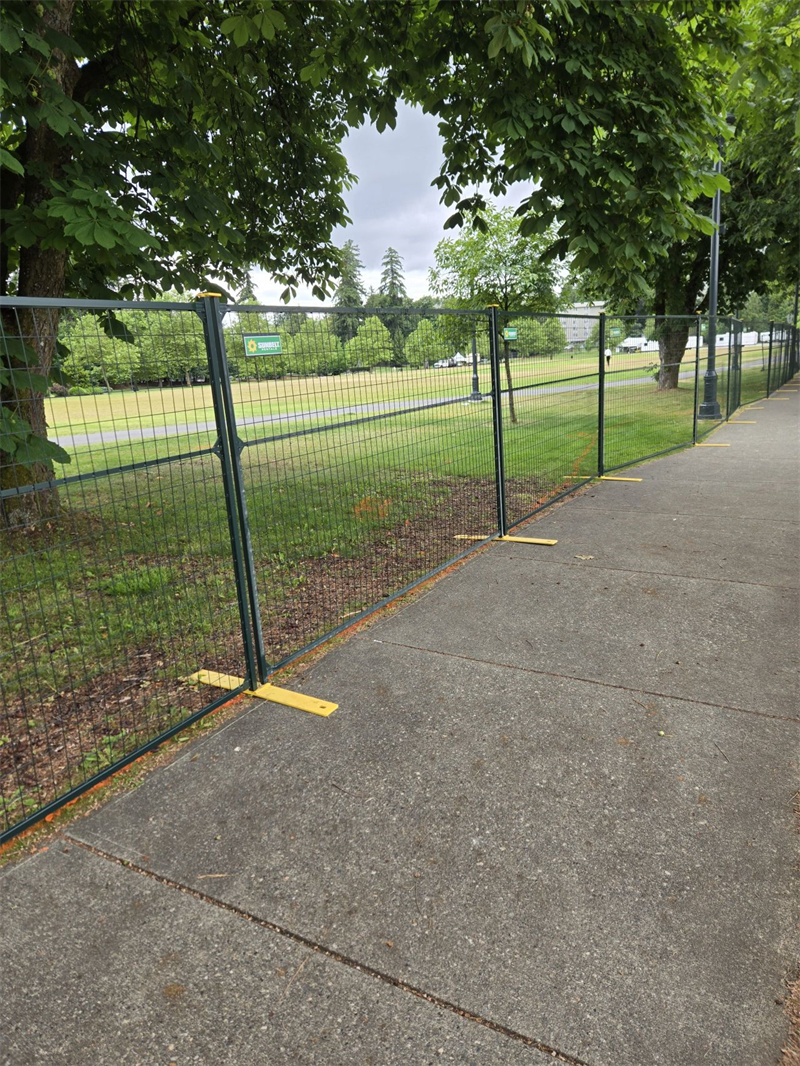
Canadian contractors choose from several temporary fencing types, each tailored to site risks, compliance, and environmental challenges. Chain-link fencing is the default—affordable, quick to install, and providing a good mix of visibility and security for most city and site needs. Welded-wire mesh systems cost more but deliver superior strength and anti-climb benefits, making them preferred for high-security or exposed sites. Modular panel systems enable fast setup and reconfiguration when site layouts change.
Heavy-duty fencing with reinforced frames and engineered anchoring is vital in areas with strong winds or heavy snow. Wildlife deterrent fencing—featuring buried skirts or markers—protects fauna in sensitive zones. Concrete and steel barriers offer robust security and assist with traffic control but require specific planning for placement and movement. The right choice should match each site’s risks, regulations, and operational tempo.
Chain-Link, Welded Wire, and Beyond: Comparing Materials
Chain-link is the workhorse of Canadian site security, valued for cost, speed, and flexibility. Its galvanized mesh adjusts to uneven ground and is easy to deploy for projects of all sizes. Sites with greater security or weather demands often use welded-wire mesh panels for higher strength and tamper resistance.
Modular panel systems speed up installation and reconfigurations. At a Saskatchewan rail expansion, standard chain-link kept toppling in high wind. Upgrading to heavy-duty welded-wire with weighted bases improved stability and compliance. For additional options, review our overview of Temporary fence panels.
Specialty Solutions: Wildlife Deterrent, Concrete Barriers, and More
Specialty fencing meets needs standard systems can’t. Projects near protected habitats use buried skirts, T-caps, and high-visibility markers to channel animal movement safely. Compliance often requires early talks with conservation authorities and specific fence types to avoid harming wildlife.
Concrete and steel barriers double as security and traffic management for city sites, but add transport and placement demands. In BC, contractors at a conservation-bordering project used wildlife-deterrent fencing with embedded skirts and tape, satisfying impact approvals and keeping wildlife safe. See our guide to Wildlife fencing in construction.
Choosing and Sourcing the Right Fence for Your Site
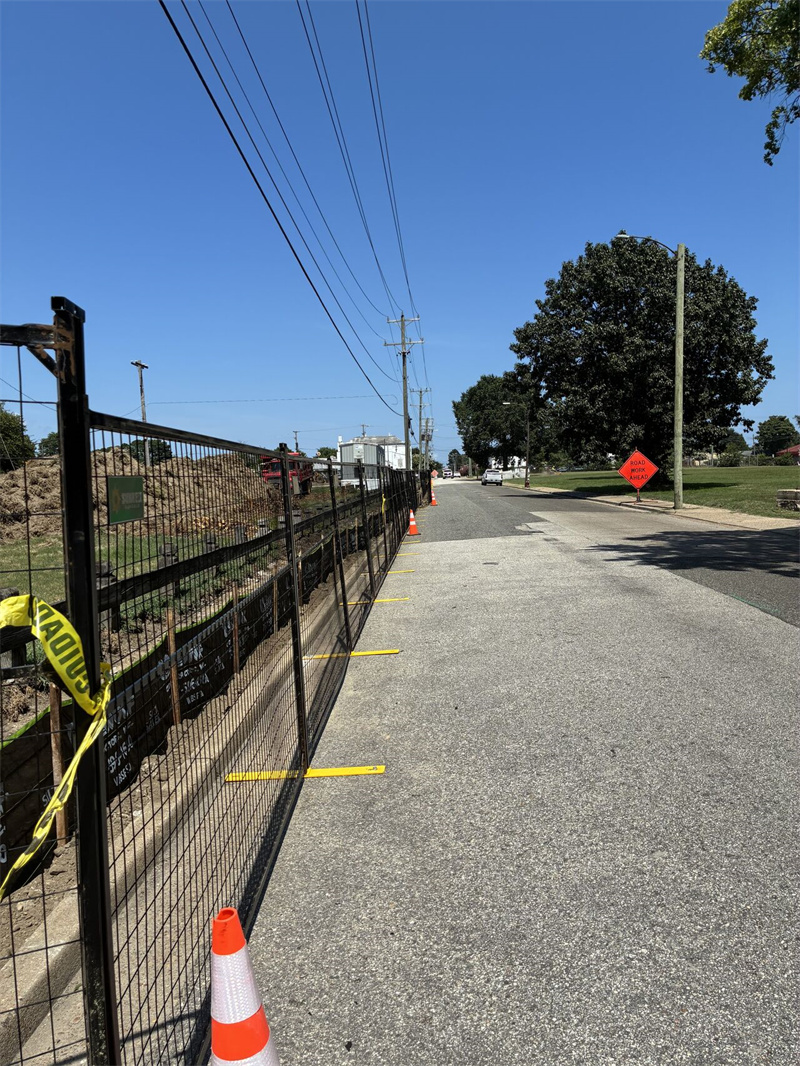
The best temporary fencing option depends on project duration, frequency of use, and site conditions. For projects under six months, renting is typically more cost-effective, with logistics and maintenance handled by the supplier. Purchasing makes sense for ongoing or multi-phase jobs, allowing asset reuse and lower costs over time. Always match fence features—height, material, anchoring—to environmental factors and legal needs.
Evaluate suppliers based on CSA compliance, reputation in similar climates, delivery speed, customization, and after-sales support. Use a decision tree or matrix to clarify whether rental or purchase suits your workflow, budget, and storage situation.
| Criteria | Rental | Purchase |
|---|---|---|
| Project Duration | Short-term (<6 months) | Long-term (>6 months) |
| Upfront Cost | Low | High |
| Storage Required | No | Yes |
| Maintenance | Handled by supplier | Handled by owner |
| Flexibility | High (easy swap/return) | Fixed asset |
| Logistics | Supplier-managed | Owner-managed |
Rental vs. Purchase: What Makes Sense for Your Project?
Renting suits short-term or one-off jobs, keeping costs steady and logistics simple. The supplier handles maintenance and storage, which is ideal if your team doesn’t have extra space. For jobs spanning many months or recurring projects, buying fencing can cut overall costs and let your crews maintain reliable, ready-to-go panels.
Space and project frequency drive this decision. In Toronto, one contractor cut fencing costs by 30% after shifting from rental to ownership for repeat work. Full pros and cons are compared in our construction fence rental vs purchase guide.
Selecting a Reliable Supplier: Red Flags and Must-Haves
The right supplier ensures project timelines and compliance. Look for CSA-certified products, rapid delivery across Canada, and the ability to customize fence specs. Strong after-sales support is crucial for handling unexpected challenges or site changes.
Always check for supplier references or case studies, especially from regions with similar weather or rules. One Quebec contractor lost weeks due to poor supplier communication and lack of stock. Choosing reputable, transparent partners, such as the best construction site fencing suppliers, keeps builds on schedule.
Installation and Safety Best Practices
Professional installation starts with prepping a clear, stable base. Modular panels need precise alignment and sturdy bracing, often with weights or concrete blocks—especially where terrain is uneven or exposed to wind. Secure gates and prominent signage help meet inspection and safety demands.
Ongoing safety depends on regular fence checks. Teams must inspect for tampering, corrosion, or shifting—especially after severe weather. Maintenance logs and shift-based responsibility boost compliance and help spot problems early, cutting risk and cost throughout the build.
Step-by-Step Fence Installation
Start with a clean, stable foundation—remove debris, level the ground, and check soil strength. Align and brace modular panels securely. For soft or uneven ground, use heavier bases or weighted blocks to maintain fence integrity.
Gates must be locked and signs posted for safety and compliance. One Alberta install met a tight overnight deadline and strong winds by double-checking anchors and running a fast inspection before handoff. Get deeper guidance in our construction fence installation guide.
Ongoing Maintenance and Inspection Protocols
Schedule regular checks—after storms, site activity spikes, or weekly—to find damage, corrosion, or unauthorized access. Immediate fixes prevent bigger problems. Keep detailed logs of dates, issues, and repairs.
Assign inspection duties across shifts for continuous oversight. In Alberta, a foreman spotted an anchor problem during storm checks and avoided a fence collapse. Review and adjust access routes as sites evolve. See construction site perimeter fencing regulations Canada for more.
Strong and Reliable Portable Temporary Fencing
DB Fencing delivers durable, customizable portable fence panels built to withstand tough Canadian conditions. Benefit from factory-direct pricing, fast shipping, and 24/7 support worldwide.
Conclusion
Canadian construction site fencing must align with strict safety regulations and meet evolving project requirements. The right choice balances cost control, regulatory compliance, and on-site performance. Expert installation and routine inspection cut risks and delays, while experienced suppliers keep projects moving and sites secure.
Frequently Asked Questions
What are the Canadian safety requirements for construction site fencing?
Canadian construction safety regulations mandate that temporary site fencing must effectively restrict unauthorized access, protect the public, and delineate hazardous areas. Provincial Occupational Health and Safety Acts generally require fencing to be a minimum of 1.8 metres (about 6 feet) in height, built to withstand expected wind and weather loads, and highly visible – often with safety signage, reflective markers, or brightly coloured panels. These requirements are designed to reduce liability and prevent accidents or injuries associated with construction site hazards.
It’s important to note that specific standards and enforcement details can vary by province, with some jurisdictions having additional requirements for anti-climb designs, lockable access points, or proximity to pedestrian routes and traffic. Compliance with the Canadian Standards Association (CSA S806), alongside local bylaws, ensures your fencing meets both legal and industry best-practice benchmarks. Always verify the latest provincial guidelines and consult with local authorities or accredited suppliers to guarantee your project remains compliant throughout all construction phases.
Should construction companies rent or buy temporary fencing?
The decision to rent or buy temporary construction fencing hinges mainly on project length, how frequently fencing is needed, and the company’s ability to store and maintain equipment. For short-term projects—typically less than six months—renting is usually the more cost-effective and hassle-free option; rental providers handle delivery, setup, breakdown, and maintenance, which is ideal for infrequent or one-off jobs and tight site timelines.
For companies with ongoing projects, multiple job sites, or long-term construction phases, purchasing fencing often becomes more economical over time. Ownership allows for greater flexibility, control over assets, and possible customization to meet specific site or regulatory needs, but it does require investment in storage space and regular maintenance. Ultimately, factoring in logistics, future project pipeline, and budget will help determine which option best fits your operational strategy.
What’s the difference between standard and heavy-duty construction fencing?
The primary distinction between standard and heavy-duty construction fencing lies in the materials and engineering. Heavy-duty fencing is constructed from thicker gauge steel—typically 12 to 14 gauge as opposed to the 16 gauge commonly found in standard panels—and features reinforced frames, more substantial welds, and advanced anchoring systems. This substantial build quality ensures the fence can withstand higher wind loads and physical impacts, which is especially important for sites exposed to harsh Canadian weather or requiring prolonged security.
Standard fencing, while suitable for basic security and short-term applications, may be more susceptible to damage, movement, or unauthorized entry if not properly installed or maintained. Heavy-duty options, by contrast, are ideal for long-term projects, high-traffic urban sites, or environments where safety and compliance are non-negotiable. When planning your fencing solution, consider not just project timelines but also environmental factors and risk exposure to determine which level of durability your site demands.
How quickly can construction fencing be installed in Canada?
Construction fencing in Canada can typically be installed within 2 to 4 hours per 100 linear feet by a professional crew, although actual timelines may vary based on factors such as ground conditions, site accessibility, and weather. Sites with challenging terrain—like slopes, rocks, or snow—may require extra preparation, which can extend the installation process.
Many projects rely on modular fencing systems, which speed up deployment by allowing quick assembly and minimal on-site customization. For urgent jobs or tight project schedules, experienced installers can mobilize rapidly and even complete full perimeters within a single day, helping ensure safety and compliance from day one.
SEO
Title: The Complete Guide to Construction Site Fencing in Canada: Standards, Solutions & Best Practices
Description: Learn about Canadian construction site fencing, key regulations, fencing types, and expert installation tips to keep projects secure and compliant.
URL: construction-site-fencing-canada-regulations-types
Keywords: construction site fencing Canada


