 Skip to content
Understanding Chinese Steel Fence Manufacturing Landscape
Before starting your search, understanding the structure of China’s steel fence manufacturing industry will significantly improve your sourcing outcomes. The market is segmented by product specialization, technical capacity, and geographic location—each factor affecting quality and price points.
China’s steel fencing industry comprises a vast network of manufacturers with varying capabilities and specializations. The landscape includes established players like DB Fencing, founded in 2009 in Anping, China, which has developed expertise in high-quality temporary fencing and metal fencing solutions serving markets across Australia, New Zealand, and North America. Understanding this ecosystem is essential for identifying manufacturers that align with your specific requirements.
Key Production Hubs for Steel Fencing in China
- Anping County, Hebei Province: The largest wire mesh and fencing production base in China, with over 1,200 manufacturers specializing in temporary fencing, security fencing, and wire mesh products
- Xiamen, Fujian Province: Known for higher-end decorative steel fencing with advanced powder coating capabilities
- Foshan, Guangdong Province: Specializes in stainless steel and ornamental fence components
Product Specialization Categories
Chinese fence manufacturers typically specialize in specific product categories, with technical capabilities varying accordingly:
- Temporary Construction Fencing: Portable, galvanized panels with modular design
- Security and Perimeter Fencing: Heavy-duty steel picket fencing with various top designs (spear top, flat top, 45-degree bend)
- Decorative and Residential Fencing: Higher finish quality with complex designs
- Specialized Products: Crowd control barriers, livestock panels, stable components
DB Fencing exemplifies this specialization approach, focusing on galvanized and powder-coated steel picket fences with three distinct top designs: spear top, flat top, and a 45-degree bending top. Their fences utilize pre-galvanized square tubular steel with welded horizontal rails, demonstrating the technical specificity buyers should look for when evaluating manufacturers.

Quality Tiers and Certifications
- Tier 1: Export-focused manufacturers with international certifications (ISO 9001, EN standards compliance)
- Tier 2: Mixed domestic and export market manufacturers with basic quality systems
- Tier 3: Primarily domestic market suppliers with minimal quality control
What separates leading manufacturers like DB Fencing is their commitment to rigorous quality control systems. Their approach emphasizes advanced manufacturing techniques alongside systematic quality verification processes, ensuring consistent delivery of robust fencing solutions that meet international standards.
Online Platforms for Initial Supplier Identification
Digital platforms offer the most efficient starting point for creating your initial supplier longlist, but each platform has specific strengths and limitations that affect the quality of manufacturers you’ll discover.
Evaluating Suppliers on Alibaba and Made-in-China
When searching for steel fence manufacturers on major B2B platforms, implement a systematic filtering process to identify legitimate producers:
- Prioritize suppliers with Trade Assurance and Gold Supplier status (minimum 3+ years)
- Verify manufacturing claims through facility photos showing actual production equipment
- Assess export experience by requesting product certification relevant to your target market
- Evaluate communication quality and response time (under 24 hours indicates export readiness)
Red flags include vague product specifications, reluctance to share testing reports, and inconsistent company information across platform profiles.
Industry-Specific B2B Platforms
Beyond general marketplaces, specialized platforms offer advantages for fence-specific sourcing:
- Global Sources: Features more export-oriented manufacturers with verified production capabilities
- HKTDC: Provides access to Hong Kong-based trading companies with established quality control systems for mainland manufacturers
- Metal China: Industry vertical focusing exclusively on metal products manufacturers
Leveraging Professional Sourcing Directories
For more targeted manufacturer identification, specialized resources provide verified information:
- China Customs Data: Identifies manufacturers with consistent export volume to your target market
- China Wire Mesh Association Directory: Lists specialized fence manufacturers with industry standing
- Commercial Services at Embassies: Offers pre-vetted manufacturer recommendations (typically for a fee)
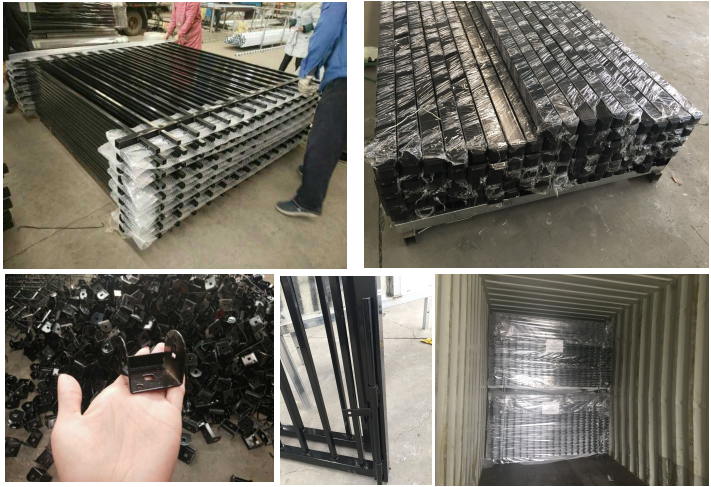
When evaluating production capabilities, look for manufacturers similar to those producing Canadian portable temporary fencing, which demonstrate production capacities of approximately 5,000 units monthly. These manufacturers typically maintain tight tolerances and consistent panel dimensions (2m height x 2.5m width) with reinforced frame tubing at 38mm diameter—specifications that indicate precision manufacturing capabilities.
Trade Show Evaluation and Direct Manufacturer Contact
While digital platforms offer convenience, direct interaction at trade shows provides critical insights into manufacturing capabilities, communication proficiency, and technical knowledge that can’t be assessed online.
Key Trade Shows for Steel Fence Manufacturers
Trade shows remain the most efficient method for evaluating multiple manufacturers in person. The most valuable events include:
High-Quality Steel Picket Fences with Fast Delivery and Competitive Factory Pricing
DB Fencing guarantees top-tier quality with ASTM-compliant metal fences, backed by expert customer support and industry-leading production speed. Benefit from durable fencing solutions shipped quickly from our direct factory in China.
- Canton Fair (China Import and Export Fair): Held biannually in Guangzhou with Phase 2 featuring steel fence manufacturers
- China International Hardware Show: Annual show in Shanghai with 200+ fence and wire mesh exhibitors
- Bauma China: Biennial construction equipment show featuring temporary fencing suppliers
- International Building & Construction Show: Annual event in Beijing showcasing architectural and decorative fence options
Effective Trade Show Engagement Strategy
To maximize trade show effectiveness, implement a structured evaluation approach:
- Research exhibitor lists 30 days before the show and schedule meetings with 10-15 target manufacturers
- Prepare technical assessment questions addressing material specifications, production processes, and quality control procedures
- Bring product samples or detailed specifications for direct comparison
- Document all interactions with standardized evaluation forms
When discussing temporary fencing products, ask specific questions based on Australian Standard AS 4687:2022 requirements. This standard now categorizes temporary fencing into three stability levels and provides detailed methodology for determining wind actions on temporary fencing, especially when using materials like shade cloth. By referencing these technical standards during discussions, you can quickly assess a manufacturer’s technical knowledge and compliance capabilities.
Remote Alternatives to In-Person Trade Shows
When physical attendance isn’t feasible, virtual alternatives provide similar evaluation opportunities:
- Virtual trade show platforms with video meeting functionality
- Structured video factory tours with specific verification checkpoints
- Remote technical interviews focusing on manufacturing processes and quality control
For virtual factory tours, create a checklist of required visual verification points, including raw material storage, production equipment operation, quality testing procedures, and finished product inspection.
Comprehensive RFQ Process and Technical Specification Development
The quality of your Request for Quotation directly determines the quality of supplier responses and significantly impacts your ability to accurately compare manufacturers. Generic RFQs lead to misaligned expectations and pricing inconsistencies.
Developing Technical Specifications for Steel Fencing Products
Creating precise technical specifications ensures accurate quotations and product quality alignment:
- Material Requirements: Specify steel grade (Q235B standard for most fencing), galvanization method (hot-dip vs. pre-galvanized), zinc coating thickness (minimum 80-100 microns for outdoor use)
- Dimensional Specifications: Define all critical dimensions with acceptable tolerances (typically ±2mm for steel fencing)
- Finish Requirements: Detail surface treatment processes, powder coating specifications (minimum 60-80 microns thickness), and color standards
- Connection Mechanisms: Specify welding requirements, connection points, and hardware specifications
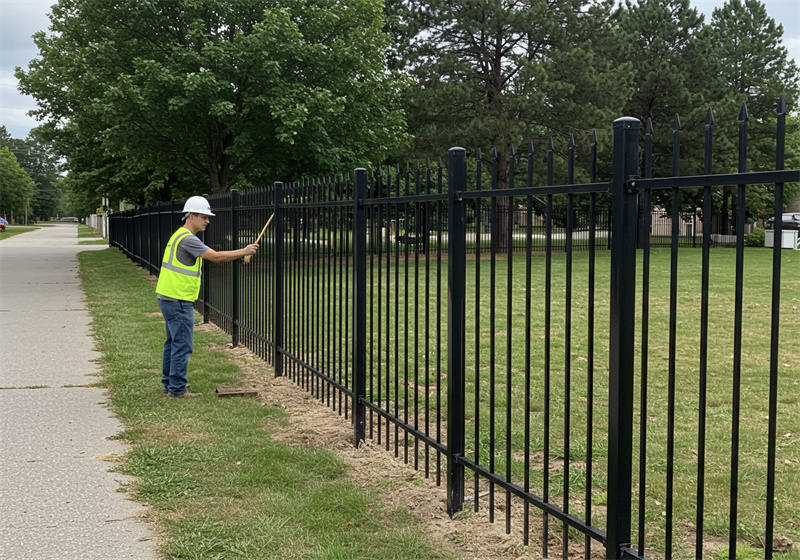
When specifying steel picket fences, reference industry-leading products like those from DB Fencing, which feature pre-galvanized square tubular steel construction with specific top designs (spear top, flat top, 45-degree bending top) and welded horizontal rails for enhanced strength. Including these detailed specifications helps manufacturers provide accurate quotations.
RFQ Template Components and Structure
A comprehensive RFQ should include the following sections:
- Product Specifications: Detailed technical requirements with reference standards
- Quality Control Requirements: Testing methods, acceptable quality levels, and inspection protocols
- Packaging and Shipping Specifications: Packaging materials, container loading requirements, and protection methods
- Commercial Terms: Pricing structure requirements, payment terms, warranty expectations
- Production Capability Requirements: Capacity expectations, lead time requirements, and sample production process
Evaluating and Comparing Manufacturer Responses
Assess RFQ responses using a standardized evaluation framework:
- Create a comparison matrix matching technical specifications against responses
- Analyze material quality specifications and their impact on pricing
- Evaluate production capacity claims against factory size and equipment
- Identify inconsistencies in technical responses that may indicate knowledge gaps
When evaluating production parameters, use industry benchmarks like those seen with Canadian temporary fencing manufacturers, which typically offer lead times of 15-20 days from order to delivery with minimum order quantities (MOQ) of 50 panels. Manufacturers quoting significantly shorter lead times or unusually low MOQs may have production capacity limitations they aren’t disclosing.
High-Quality Steel Picket Fences with Fast Delivery and Competitive Factory Pricing
DB Fencing guarantees top-tier quality with ASTM-compliant metal fences, backed by expert customer support and industry-leading production speed. Benefit from durable fencing solutions shipped quickly from our direct factory in China.
Factory Audit and Verification Process
Factory audits represent the most critical step in the vetting process, revealing disparities between claimed and actual manufacturing capabilities that could significantly impact product quality and project timelines.
Remote Audit Techniques When Travel Isn’t Possible
Effective remote verification requires structured processes:
- Video Verification Protocol: Conduct scheduled and unscheduled video calls following a systematic verification checklist
- Third-Party Audit Services: Engage inspection companies like SGS, Bureau Veritas, or TÜV for on-site verification
- Document Authentication: Verify business licenses, export licenses, and testing certifications through official channels
- Sample Testing: Submit production samples to accredited third-party testing laboratories
When verifying temporary fencing manufacturers, specifically check testing documentation for wind speed ratings. According to the Temporary Works Forum guidance, manufacturers’ wind speed ratings often only reflect a limit state with a Factor of Safety (FoS) of 1.0, which is insufficient under real conditions. Best practice requires a minimum FoS of 1.5 for adequate safety margins.
On-Site Factory Audit Checklist
For direct factory visits, verify these essential components:
- Production Equipment: Verify equipment matches claimed production capabilities (welding machines, galvanizing facilities, powder coating lines)
- Quality Control Systems: Assess testing equipment, inspection procedures, and quality documentation
- Raw Material Storage: Verify material quality, inventory levels, and supplier documentation
- Production Management: Evaluate production planning systems, worker skills, and process controls
- Environmental and Safety Compliance: Check waste management systems, worker safety measures, and environmental permits
Technical Capability Verification Methods
Verify specific technical capabilities through direct testing:
- Corrosion Resistance: Salt spray testing (minimum 1,000 hours for outdoor applications)
- Structural Integrity: Load testing per applicable standards (ASTM F2781 for temporary fencing)
- Weld Quality: Visual inspection and destructive testing of sample welds
- Coating Quality: Thickness measurement, adhesion testing, and impact resistance testing
When evaluating temporary fencing compliance, reference the Australian Standard AS 4687:2022, which provides multiple pathways to achieve compliance through design analysis, physical testing, or combined approaches. This flexibility allows manufacturers to demonstrate compliance through various verification methods appropriate to their capabilities.
Building and Managing Your Qualified Supplier Shortlist
Creating a structured supplier shortlist isn’t just about ranking manufacturers—it’s about building a strategic supply chain with primary, secondary, and specialized partners to ensure business continuity and optimize for different product requirements.
Supplier Evaluation Scoring Framework
Implement a weighted scoring system to objectively evaluate manufacturers:
- Technical Capability (35%): Production equipment, material quality, technical knowledge
- Quality Systems (25%): Testing procedures, documentation, certifications
- Export Experience (20%): Years exporting, market-specific knowledge, logistics capabilities
- Commercial Terms (15%): Pricing structure, payment terms, minimum order quantities
- Communication (5%): Response time, English proficiency, problem-solving approach
Strategic Supplier Portfolio Development
Develop a diversified supplier base to manage risk and optimize product quality:
- Primary Supplier: Main volume partner with comprehensive capabilities
- Secondary Supplier: Backup source for supply chain resilience (minimum 30% capacity of primary)
- Specialized Manufacturers: Niche product specialists for unique requirements
- Geographic Diversification: Suppliers from different regions to mitigate regional risks
When evaluating export experience, look for manufacturers with established track records similar to DB Stable, which has been exporting portable horse stables to Australia and New Zealand since 2013. This decade-plus export history indicates well-developed international shipping processes and market-specific compliance knowledge that reduce import risks.
Long-Term Supplier Relationship Management
Implement structured processes for ongoing supplier management:
- Communication Protocol: Regular video meetings, standardized reporting templates
- Performance Metrics: Quality metrics, on-time delivery rates, response time tracking
- Escalation Procedures: Defined process for addressing quality or delivery issues
- Annual Requalification: Formal review and reassessment of supplier performance
International Standards Compliance and Testing Requirements
Ensuring your Chinese fence manufacturer can meet specific international standards is crucial for avoiding costly compliance issues in your target market. Different regions have significantly different technical requirements that must be communicated clearly during the vetting process.
Key International Standards for Steel Fencing Products
Market-specific standards drive technical requirements for steel fencing:
- North America: ASTM F2781 (temporary fencing), ASTM F2408 (ornamental fencing), local building codes
- Europe: EN 1090 (structural steel components), CE marking requirements, EN 12839 (precast concrete elements)
- Australia/New Zealand: AS 4687:2022 (temporary fencing), AS 1926.1 (swimming pool barriers), NZS 4104 (fences)
The updated Australian Standard AS 4687:2022 for temporary fencing and hoardings introduces significant enhancements over the 2007 version. The standard now includes temporary pedestrian barriers and swimming pool fencing—previously unregulated areas. It categorizes temporary fencing into three stability levels, allowing risk assessments based on the importance and durability required. This detailed standard provides an excellent benchmark for technical specifications when sourcing temporary fencing from China.
Verifying Testing Capabilities and Certifications
Confirm a manufacturer’s ability to meet testing requirements:
- Verify relationships with accredited testing laboratories (preferably internationally recognized labs)
- Assess in-house testing equipment and procedures
- Request recent test reports for similar products
- Confirm testing methodology aligns with relevant standards
Market-Specific Compliance Issues
Address region-specific requirements in your specifications:
- Coastal Environments: Enhanced corrosion protection (minimum 100 microns zinc coating)
- High-Wind Regions: Increased structural requirements and testing
- Pool Safety: Specific gap dimensions, climbing prevention features
- Crowd Control: Load testing for lateral forces
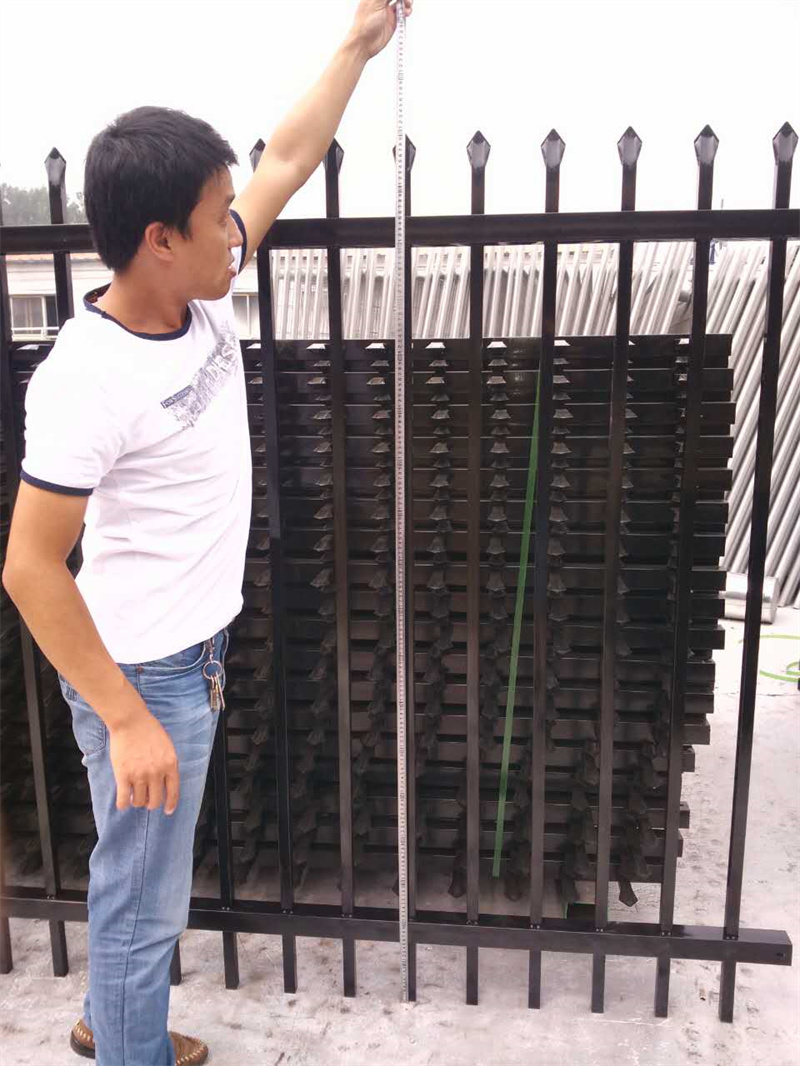
For crowd control barriers, specify dimensions aligned with industry standards (2 meters in length, 1 meter in height, approximately 5 cm in thickness) and production tolerances within ±2 mm to ensure consistent fitting and safety. These precise specifications ensure crowd control barriers will meet safety requirements for public events and construction sites.
Conclusion
Selecting the right Chinese steel fence manufacturer requires a systematic approach that balances technical capability, quality control systems, and export experience. The most critical takeaways from this guide include:
- Develop detailed technical specifications before starting your search, incorporating market-specific standards like AS 4687:2022 for temporary fencing or appropriate structural requirements for security applications.
- Implement a multi-stage verification process that moves from online platform vetting to comprehensive factory audits, verifying both production capabilities and quality control systems.
- Create a strategic supplier portfolio rather than relying on a single source, balancing primary manufacturers with secondary options to ensure supply chain resilience.
Ready to implement this framework for your steel fencing sourcing project? Download our complete Steel Fence Manufacturer Vetting Toolkit, including RFQ templates, factory audit checklists, and supplier scoring matrices designed specifically for fence importers.
FAQ Section
How long does it typically take to source and verify a reliable steel fence manufacturer in China?
The complete process typically requires 45-60 days from initial research to final verification. Online sourcing and initial communication take 2-3 weeks, sample production and testing require 3-4 weeks, and factory audits or verification another 2 weeks. Rushing this timeline significantly increases quality and compliance risks.
What are the minimum order quantities (MOQ) for different types of steel fencing from Chinese manufacturers?
MOQs vary by product type. Temporary construction fencing typically requires 50-100 panels minimum, security fencing 300-500 linear meters, and decorative steel fencing 200-300 panels. Established manufacturers generally have higher MOQs (500+ units) but offer better quality consistency for large projects.
How do I verify that a Chinese fence manufacturer actually produces their products rather than outsourcing?
Request video evidence of production facilities showing their nameplate on equipment, conduct surprise video calls during production hours, verify business licenses that include manufacturing scope, and check electricity consumption records which correlate with production capacity claims. Third-party verification services can also conduct unannounced visits.
What payment terms should I expect when working with Chinese steel fence manufacturers?
Standard terms for first-time orders are typically 30% deposit with 70% due before shipping. After establishing a relationship, this can often shift to 30/70 with payment against shipping documents. Full advance payment should be avoided, while letters of credit may be necessary for orders exceeding $50,000.
How can I ensure my steel fence products will meet specific corrosion resistance requirements for coastal environments?
Specify hot-dip galvanization with minimum zinc coating thickness of 80-100 microns, request salt spray test results exceeding 1,000 hours, and require test certificates from accredited third-party laboratories. Include material-specific requirements like Z275 zinc coating for wire components and provide samples of the environmental conditions your fencing will face.
What documentation should legitimate Chinese fence manufacturers provide to verify their export qualifications?
Verify their business license includes an export license component, request copies of recent customs declaration forms for similar products, ask for references from customers in your market, and obtain copies of recent Bills of Lading. Legitimate manufacturers will also have certification for key standards like ISO 9001 and market-specific compliance documentation.


