 Skip to content
Australian & New Zealand Steel Fence Standards and Compliance Guide 2025
What Matters Most for AS/NZS Steel Fence Compliance
- AS/NZS standards comprehensively regulate every aspect of steel fence design, fabrication, installation, and certification in Australia and New Zealand.
- Contractors and exporters must align with structural, corrosion, and safety standards, obtaining proper conformity certification to ensure legal market access.

Overview of Australian Steel Fence Standards
The Australian and New Zealand steel fencing markets operate under one of the world’s most comprehensive regulatory frameworks. Having overseen dozens of steel fence installations across Sydney’s coastal suburbs, I’ve witnessed firsthand how these standards provide a crucial safety net while simultaneously creating significant compliance challenges for contractors and suppliers. These standards ensure consistent quality across both countries while protecting consumers and the public.
What makes the Australian approach unique is the deliberate harmonization of standards between Australia and New Zealand. This trans-Tasman approach wasn’t merely a bureaucratic decision but a strategic economic initiative designed to create a unified market with consistent quality benchmarks. The joint AS/NZS designation indicates that these standards have been developed collaboratively and adopted by both nations’ standards bodies. This harmonization represents a significant advantage for companies operating in both markets.
This harmonization serves a practical purpose: it reduces regulatory barriers to trade between the two countries, allowing manufacturers and contractors to work across borders with minimal additional compliance requirements. This single-standard approach has streamlined certification processes, reduced duplication, and ultimately lowered costs for industry participants while maintaining rigorous safety and quality controls. The unified approach also simplifies testing and certification procedures for both local manufacturers and international exporters.
Key AS/NZS Steel Fence Standards Explained
At the foundation of Australian steel fence regulation is AS 3995‑1998 (Specification for chain‑link and welded wire mesh fences), which establishes critical baseline requirements for materials and construction. This standard defines minimum wire gauge requirements, which typically range from 2.5mm to 3.15mm depending on fence purpose. It also specifies mesh size parameters—generally between 40mm and 50mm for security applications—and mandates post spacing intervals, typically ranging from 2.4m to 3m based on height and wind exposure.
The fabrication quality of steel fence posts falls under the governance of AS/NZS 1554 (Structural steel welding). This standard ensures welding procedures meet specific quality benchmarks through requirements like weld size, profile, and integrity testing. For contractors in Australia, this means all welded connections must be visually inspected at minimum, with more critical applications requiring non-destructive testing methods such as ultrasonic or magnetic particle inspection.
Post manufacturing and testing criteria are regulated by AS/NZS 3678, which controls dimensional tolerances, material composition, and structural performance. These specifications ensure posts will maintain their structural integrity under the diverse conditions found across Australia and New Zealand, from tropical Queensland to alpine Tasmania.
The structural performance of fencing is assessed against AS/NZS 1170.0 (General structural design actions), which provides the foundational methodology for evaluating how fences will respond to various physical forces. Complementing this, AS/NZS 1170.1 specifically addresses wind classifications, which are particularly crucial given Australia’s exposure to cyclones in northern regions and strong coastal winds throughout much of the country’s populated areas.
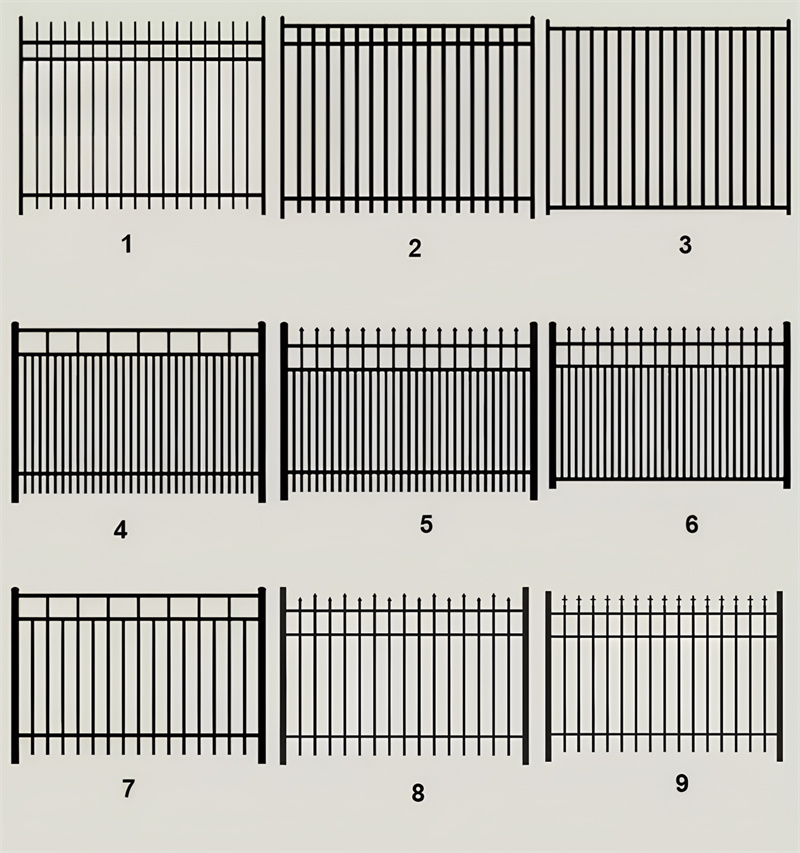
For corrosion protection, which is especially vital in Australia’s diverse climate zones, AS/NZS 2312 (Corrosion of metals and alloys) establishes the baseline requirements. This standard is particularly significant for coastal installations, where hot-dip galvanizing specifications typically mandate zinc coating weights of at least 275 g/m² to withstand harsh salt-laden environments.
New Zealand Equivalent Fencing Standards
While many standards are jointly developed and share the AS/NZS designation, New Zealand maintains some country-specific standards that parallel their Australian counterparts. NZS 3678 specifically addresses steel fence post requirements for the New Zealand market, establishing similar but slightly adapted criteria to address local conditions such as seismic considerations and different soil profiles.
For public area barriers and safety considerations, NZS 3123 provides comprehensive guidelines that regulate both the design and performance aspects of steel fencing installations. These requirements focus on preventing entrapment hazards, establishing minimum strength parameters, and ensuring appropriate surface finishes to prevent injury, particularly in areas accessible to children.
The certification process in New Zealand utilizes a conformity certificate system or supplier’s declaration of conformity, which must be attached to the product along with either CE-style or ANZ-certified marking. This documentation serves as the formal verification that the fencing product meets all applicable standards and is suitable for its intended use within New Zealand’s regulatory framework.
One of the most significant advantages of the harmonized standards approach is that once a fence system is certified to these AS/NZS or NZS standards, it can be sold and installed across both countries without requiring additional local approvals. This creates substantial efficiency for manufacturers and importers who can access a combined market of nearly 30 million consumers through a single certification process, rather than navigating two distinct regulatory systems.
AS/NZS 1170 Structural Requirements for Steel Fencing
During a recent fence installation project along Sydney’s Northern Beaches, our team faced the challenge of designing a boundary fence that could withstand category C wind conditions while maintaining an aesthetically pleasing appearance for the oceanfront property. This firsthand experience highlighted the critical importance of properly applying AS/NZS 1170 structural requirements to ensure both compliance and long-term performance.
The engineering principles behind load calculations for fencing are more complex than many contractors initially realize. Fences present unique structural challenges because they act essentially as vertical planes that must resist both static and dynamic forces. Unlike buildings with foundations distributed across their footprint, fences must transfer all loads through individual posts to their foundations, creating potential failure points if not properly engineered.
Understanding the mechanics of wind interaction with fencing structures is particularly crucial. Wind creates both positive pressure on the windward side and negative pressure (suction) on the leeward side. These combined forces can cause significant lateral loads that increase exponentially with wind speed—a 20% increase in wind velocity results in approximately 44% greater force on the structure due to the squared relationship between speed and force.
General Structural Design Actions (AS/NZS 1170.0)
AS/NZS 1170.0 establishes the fundamental approach to structural design by categorizing the types of loads that must be considered. Dead load represents the fence’s self-weight, including posts, panels, and any attached accessories. This constant gravitational load typically ranges from 15-30 kg/m² depending on material thickness and fence design.
Imposed loads include those created by human interaction, such as people leaning against the fence or climbing forces. For public areas, these loads are typically calculated at 0.75 kN/m applied horizontally at 1.2m height. Wind load, often the most significant force affecting fences, varies dramatically based on geographic location and is calculated using regional wind speed data and fence geometry. In severe conditions, wind loads can exceed 1.5 kN/m².
Earthquake loads, though less commonly the governing factor for fences except in specific seismic zones of New Zealand, must still be evaluated according to the standard. These calculations incorporate the fence mass, soil conditions, and local seismic activity levels to determine potential horizontal accelerations.
Safety factors and load combinations play a critical role in ensuring fence stability under various scenarios. The standard typically requires multiplication of calculated loads by factors ranging from 1.2 to 1.5 depending on the load type. Additionally, different load combinations must be evaluated to determine the most severe design case—for example, maximum wind load combined with minimum dead load often creates the critical design condition for overturning resistance.
Wind Loads and Classifications (AS/NZS 1170.1)
AS/NZS 1170.1 divides Australia and New Zealand into wind zones labeled A through D, with each zone corresponding to specific basic wind speeds and terrain categories. These classifications directly determine the design wind pressures that fencing must withstand. Region A, covering most inland areas, has basic wind speeds of 30-40 m/s, while Region D, encompassing cyclone-prone coastal areas of northern Australia, can experience wind speeds exceeding 85 m/s.
When determining wind pressures on steel fencing, the standard applies aerodynamic shape factors that account for the fence geometry and permeability. Solid panels experience greater pressure than permeable designs like chain link, which allow some wind to pass through. The calculation methodology incorporates height multipliers that recognize wind speed increases with elevation above ground, typically resulting in 20-30% higher loads for taller fences.
Location factors significantly impact wind load calculations. Fences installed on ridgelines or hilltops experience wind amplification effects that can increase pressures by up to 70% compared to flat terrain. Similarly, corner locations where wind can funnel between buildings require special consideration, as pressures can be substantially higher than in sheltered locations.
Bushfire Attack Level Fence Requirements
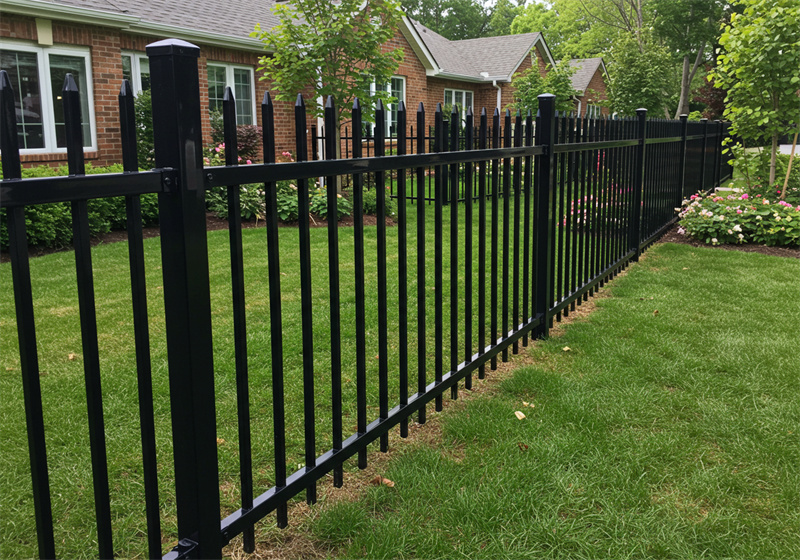
Bushfire Attack Level (BAL) classifications introduce additional requirements for steel fencing in fire-prone regions of Australia. These classifications range from BAL-LOW (minimal risk) to BAL-FZ (extreme risk), with each level prescribing specific material performance criteria. For steel fencing, BAL requirements primarily affect material selection, with higher BAL zones requiring non-combustible materials and designs that minimize ember trapping.
In areas designated BAL-29 or higher, steel fencing design must incorporate fire-resistant features such as solid panels rather than lattice, minimal horizontal members that could trap embers, and appropriate ground clearance to prevent fire transmission through vegetation. For the highest classifications (BAL-40 and BAL-FZ), only non-combustible materials may be used, effectively mandating steel or masonry construction for all fencing applications.
| Region | Wind Zone | Basic Wind Speed (m/s) | BAL Requirement |
|---|---|---|---|
| Coastal NSW | B | 40-45 | BAL-29 |
| Tasmania | A | 35-40 | BAL-Low |
| Northern Queensland | C | 45-50 | BAL-40 |
Corrosion Protection and Galvanizing Standards
During a recent project installing security fencing along Brisbane’s Gateway Motorway, our team had to completely replace a five-year-old fence that had catastrophically failed due to inadequate corrosion protection. Despite being only kilometers from the coast, the previous installation had used galvanizing appropriate for rural environments (Category C1), resulting in extensive rust formation, structural weakening, and ultimately complete failure during a moderate storm event. This costly mistake underscores why understanding corrosion standards is not just about compliance but fundamental to project success.
The metallurgical principles behind galvanizing and corrosion protection are worth understanding for anyone involved in the specification or installation of steel fencing. Hot-dip galvanizing creates a zinc coating that protects steel through two distinct mechanisms. First, it provides a physical barrier that prevents oxygen and moisture from contacting the steel substrate. Second, zinc acts as a sacrificial anode that corrodes preferentially to steel, offering protection even when the coating is damaged.
This sacrificial protection occurs because zinc is more electrochemically active than steel, with a lower electrochemical potential. In the presence of moisture (an electrolyte), the zinc coating creates a galvanic cell where zinc ions dissolve instead of iron, effectively “sacrificing” themselves to protect the underlying steel. This explains why proper coating thickness correlates directly with service life—thicker coatings simply have more zinc to sacrifice before the steel becomes vulnerable.
AS/NZS 2311 and 2312 Overview for Galvanizing
AS/NZS 2312 establishes comprehensive requirements for hot-dip galvanizing of steel fencing components based on expected environmental exposure. For standard applications, minimum zinc coating weights typically start at 100 g/m² for low-corrosivity environments but increase substantially to 275 g/m² or more for coastal or industrial settings. These requirements translate to coating thicknesses ranging from approximately 14 to 39 microns, with thickness directly proportional to expected durability.
Compliance criteria vary based on the fence location’s corrosion category as defined in the standard. For instance, a fence in a rural inland area classified as C1 might require only Z100 galvanizing (100 g/m² zinc coating), while the same fence in a marine environment classified as C5 would require Z275 galvanizing (275 g/m² zinc coating) at minimum, with some specifications requiring Z450 or even Z600 for extreme exposure conditions.
Inspection and testing procedures for galvanized coatings are rigorously defined in the standards. Thickness verification is typically performed using magnetic gauges that measure the distance between the gauge and the steel substrate, with multiple readings taken across representative sample areas. Additional tests include adhesion testing, uniformity evaluation, and in some cases, accelerated corrosion testing using salt spray exposure to verify expected performance.
Steel Fence Corrosion Categories in Australia
Australia’s diverse climate creates a wide spectrum of corrosion environments, categorized from C1 (very low corrosivity) to CX (extreme corrosivity). Rural areas typically fall into categories C1-C2, characterized by low humidity and minimal airborne pollutants. These environments allow for relatively lightweight galvanizing specifications, often in the range of 100-140 g/m² zinc coating weight.
Industrial zones present moderate corrosion challenges (category C3) due to sulfur dioxide, nitrogen oxides, and particulate pollutants that accelerate zinc deterioration. In these areas, steel fencing specifications typically require medium-duty coating weights of 225-275 g/m² to achieve acceptable service life expectations of 15-20 years before maintenance.
Marine and coastal environments (categories C4-C5) present the most aggressive corrosion conditions due to constant salt spray exposure. For steel fencing within 1km of breaking surf or in direct salt spray zones, specifications should mandate heavy-duty galvanizing of at least 275 g/m², with premium installations often specifying Z600 (600 g/m²) for maximum longevity. In these environments, coating requirements may be supplemented with additional protection systems such as powder coating or specialized marine-grade paints.
| Corrosion Category | Environment Description | Min Zinc Coating (g/m²) | Typical Fence Locations |
|---|---|---|---|
| C1 | Low – Rural | 100-140 | Inland farms, low pollution areas |
| C3 | Moderate – Industrial | 225-275 | Urban, industrial outskirts |
| C5 | High – Marine/Coastal | 275+ | Seaside suburbs, harbours, bays |
| CX | Extreme – Bushfire Zones | Special coatings | Fire-prone bushland |
Bushfire-affected areas represent a unique corrosion category (sometimes designated CX) that combines thermal stress with chemical attack. The combustion products from bushfires deposit corrosive compounds on metal surfaces, while extreme temperature fluctuations can damage protective coatings. In these zones, standard galvanizing is often supplemented with specialized high-temperature resistant coatings or stainless steel components for critical applications.
Pool Fence Regulations and Safety Standards (AS 4687)
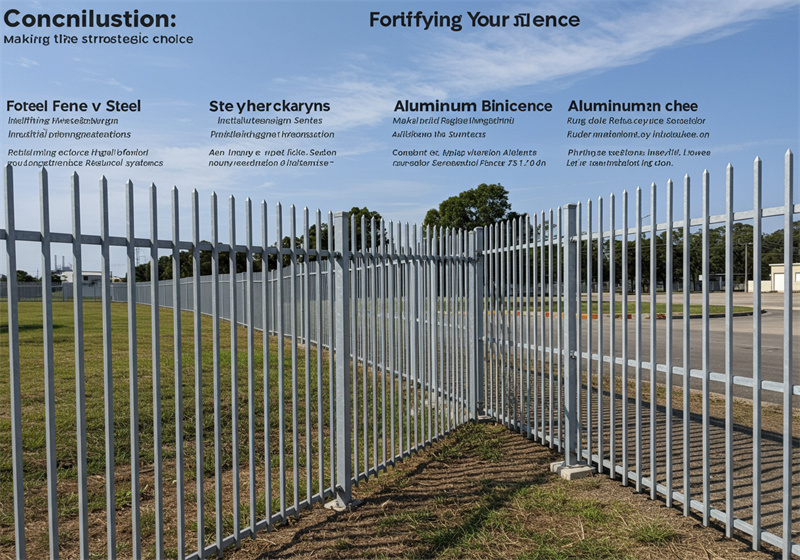
When our team was called to inspect a non-compliant pool fence installation in the Gold Coast that had failed its safety certification, we discovered multiple critical violations of AS 4687. The fence height was 100mm below minimum requirements, the self-closing gate mechanism had been improperly installed, and several sections had climbable horizontal elements within the designated non-climbable zone. This situation underscores how pool fence regulations aren’t merely bureaucratic hurdles—they represent life-saving measures designed through decades of safety research and tragic incident analysis.
The legal framework surrounding pool fence regulations in Australia is particularly robust, with enforcement mechanisms that carry significant penalties for non-compliance. These regulations exist within a context of heartbreaking statistics: drowning remains the leading cause of preventable death in children under five in Australia, with private swimming pools being the most common location for these incidents.
The stringency of AS 4687 reflects this reality, with requirements formulated specifically to address the developmental capabilities and behaviors of young children. For example, the 900mm non-climbable zone requirement is based on research into toddlers’ climbing abilities and reach ranges, while self-closing gate mechanisms address the fact that user error (leaving gates open) is one of the most common contributing factors to pool access by unsupervised children.
AS 4687 Pool Fence Specifications
AS 4687 establishes minimum height requirements of 1200mm for all pool barriers, measured from the finished ground level to the top of the barrier. This height has been determined through anthropometric studies of children’s climbing capabilities, creating a barrier that most young children cannot climb without assistance. The standard also mandates maximum ground clearance of 100mm to prevent children from crawling underneath the fence.
Material and spacing requirements focus primarily on eliminating climbing opportunities and preventing entrapment hazards. Vertical members must have maximum spacing of 100mm to prevent children from squeezing through gaps, while horizontal members on the outside of the fence must be spaced at least 900mm apart within the designated non-climbable zone. These specifications effectively create a smooth, non-climbable surface that lacks footholds or handholds that could assist a child in climbing over the fence.
Gate hardware standards are particularly strict, requiring self-closing mechanisms capable of reliably returning the gate to a fully closed position from any open angle. Latching mechanisms must be self-latching and positioned at least 1500mm above ground level or otherwise made inaccessible to small children through specific design requirements. These mechanisms must undergo durability testing to ensure they continue functioning properly throughout the fence’s service life.
Regular inspection and maintenance requirements are also mandated, with recommendations for quarterly checks of all components, particularly moving parts such as hinges, latches, and closing mechanisms. Documentation of these inspections is considered a best practice and may be required by local authorities or insurance providers. The standard also specifies that any repairs must be completed using components that meet the same specifications as the original installation.
Impact of Regulations on Design and Installation
The stringent requirements of AS 4687 significantly impact fence style and structural design options for pool areas. While the standard doesn’t prescribe specific aesthetic elements, it effectively eliminates certain design features that might otherwise be desirable. Horizontal rails, decorative lattice, and certain ornamental elements are frequently problematic from a compliance standpoint due to their potential to create climbing opportunities.
Compliance pitfalls are numerous and often subtle. One common issue is the presence of nearby structures or landscape features that can create an effective foothold, nullifying the fence’s safety function despite the fence itself meeting all requirements. Another frequent problem occurs with sloping ground, where contractors fail to adjust fence height to maintain the minimum 1200mm clearance throughout the entire perimeter, creating non-compliant sections.
During a recent compliance audit by local authorities in a new Sydney subdivision, inspectors identified over 60% of pool fences as having at least one non-compliance issue requiring remediation. The most common violations included inadequate self-closing mechanisms on gates (27%), improper placement of latches within reach of children (23%), and insufficient height due to ground settling or landscaping changes (18%). These statistics highlight the importance of understanding not just the letter of the regulations but their practical application in real-world conditions.
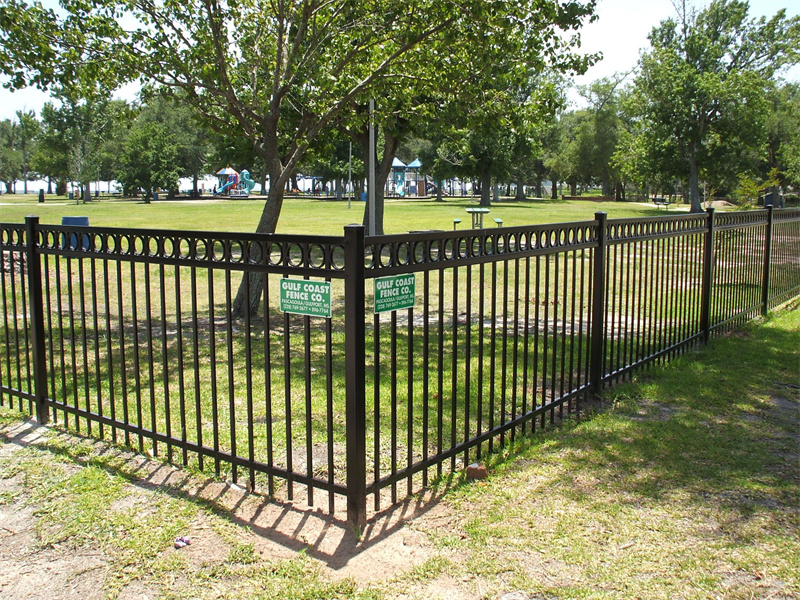
Certification and Market Entry in Australia & New Zealand
On a recent consulting project for a Chinese steel fence manufacturer entering the Australian market, our team identified that despite having a high-quality product that technically met all relevant standards, the company lacked the proper certification documentation. This resulted in their first shipment being held at customs for over six weeks, incurring significant storage costs and delaying their market launch. This experience highlights how the regulatory framework behind conformity assessment is not merely a technical hurdle but a critical business consideration.
The Australian and New Zealand Conformity Assessment System (ANZCAS) represents a sophisticated approach to ensuring product compliance while facilitating trade. This system operates on principles of risk management, placing greater scrutiny on products where failure could have serious consequences for public safety. For steel fencing, this risk-based approach means that products intended for pool safety or public infrastructure applications face more rigorous assessment than those designed for general residential boundaries.
Understanding this regulatory landscape is crucial because unlike some markets where post-installation inspection is the primary enforcement mechanism, Australia and New Zealand’s approach focuses heavily on pre-market certification. This front-loaded compliance model means exporters must complete all necessary testing and documentation before their products can legally enter the market, creating potential delays and costs if not properly anticipated in business planning.
The deeper regulatory framework behind ANZCAS encompasses multiple layers of oversight and governance. At its foundation lies the Joint Accreditation System of Australia and New Zealand (JAS-ANZ), which accredits certification bodies to ensure their competence and integrity. These accredited bodies, in turn, evaluate products against standards developed through a consensus-based process involving industry experts, regulatory authorities, and consumer representatives. This multi-tiered system creates robust checks and balances but also introduces complexity that exporters must navigate carefully.
For importers and exporters, successfully navigating this system requires understanding both technical and procedural requirements. Technical compliance involves meeting physical product specifications like material composition, dimensional tolerances, and performance characteristics. Procedural compliance encompasses the correct preparation and submission of documentation, engagement with appropriate certification bodies, and adherence to specific customs and biosecurity protocols that vary depending on product characteristics and country of origin.
Navigating biosecurity requirements presents particular challenges for steel fence importers. While the metal components themselves rarely trigger biosecurity concerns, packaging materials such as wooden crates or pallets must comply with ISPM 15 standards. Additionally, any protective coverings or coatings may be subject to inspection to ensure they don’t harbor contaminants or prohibited substances. Savvy exporters address these requirements proactively by selecting compliant packaging materials and maintaining detailed documentation of treatments and material sources.
Conformity Certificates and Supplier Declarations
Conformity certificates serve as the primary evidence of compliance with relevant AS/NZS standards for steel fencing products. These certificates are typically issued by accredited third-party certification bodies following comprehensive assessment of the product against all applicable standards. The certificate includes specific details about which standards have been met, the scope of the certification, and any conditions or limitations that may apply to the product’s use.
A supplier’s declaration of conformity (SDoC) represents a formal attestation by the manufacturer or importer that the product meets all relevant standards. This declaration must be based on objective evidence, typically in the form of test reports from recognized laboratories, and must be signed by a responsible person with authority to make such claims on behalf of the company. While less stringent than third-party certification, SDoCs still carry legal weight and create liability for the issuer if products are later found to be non-compliant.
The ANZ certified mark is a visible indicator to consumers and regulators that a product has undergone appropriate conformity assessment. This marking must be permanently affixed to the product and be readily visible during normal use. For steel fencing, this typically takes the form of stamped or engraved markings on posts or rails, with additional information on packaging and accompanying documentation. The specific format and content of these marks are governed by the relevant conformity assessment scheme.
Import Compliance and Customs Requirements
Australian and New Zealand customs procedures for steel fencing imports involve several distinct verification steps. Importers must provide comprehensive documentation including certificates of conformity, product specifications, test reports, and declarations of compliance with relevant standards. Customs officials may conduct physical inspections or request additional documentation if there are concerns about compliance or if the product falls into a high-risk category.
Biosecurity considerations are particularly important for wooden components or packaging materials that may accompany steel fencing products. All wooden materials must comply with International Standards for Phytosanitary Measures No. 15 (ISPM 15), requiring heat treatment or fumigation to eliminate pests and diseases. Failure to meet these requirements can result in mandatory treatment at the importer’s expense or, in severe cases, rejection of the shipment.
For exporters from China and other countries, the path to compliant market entry requires careful planning and sequencing. The process typically begins with product testing by a laboratory recognized by the Joint Accreditation System of Australia and New Zealand (JAS-ANZ), followed by certification application to an accredited conformity assessment body. Once certification is obtained, products must be appropriately marked and accompanied by all required documentation when presented for customs clearance.
| Step | Requirement | Responsible Party | Documentation Needed |
|---|---|---|---|
| Product Certification | AS/NZS compliance certification | Exporter/Supplier | Certificate of Conformity |
| Customs Clearance | Biosecurity inspection | Importer | Import Permit |
| Labeling | ANZ certified mark on product | Manufacturer | Supplier Declaration |
Trade Associations and Industry Resources
Several key trade associations provide valuable support for steel fencing industry stakeholders. The Australian Steel Institute (ASI) offers technical guidance, industry representation, and professional development opportunities for companies involved in steel manufacturing and fabrication. Their technical notes on corrosion protection and structural design are particularly valuable resources for companies navigating AS/NZS compliance.
The Galvanizers Association of Australia (GAA) specializes in hot-dip galvanizing standards and practices, offering members access to technical expertise, market intelligence, and advocacy services. Their publication “The Specifiers Manual for Hot Dip Galvanizing” is widely considered the definitive reference for galvanizing specifications in Australia and is regularly updated to reflect changes in standards and best practices.
For pool fence manufacturers and installers, the Swimming Pool and Spa Association of Australia (SPASA) provides focused resources on compliance with AS 4687 and related standards. Their certification programs and technical bulletins help members navigate the complex regulatory environment surrounding pool safety barriers. Additional resources include the Fencing Industry Association and the Master Builders Association, both of which offer specialized guidance on steel fencing compliance and installation best practices.
Contact information for these organizations includes: Australian Steel Institute (www.steel.org.au, +61 2 8748 0180), Galvanizers Association of Australia (www.gaa.com.au, +61 3 9654 1266), and Swimming Pool and Spa Association of Australia (www.spasa.com.au, +61 2 9630 6300). Each organization maintains comprehensive websites with members-only resources, public guidance documents, and directories of certified professionals and suppliers.
Installation Tolerances and Best Practices
During a recent commercial fencing project in Perth, our installation team encountered significant challenges with a sloping site that required precise application of AS/NZS installation tolerances. By carefully surveying the site and establishing accurate level lines, we were able to maintain compliant post spacing and height relationships despite the challenging topography. This experience reinforced that even with high-quality materials and designs, improper installation can compromise both compliance and structural integrity.
Installation tolerances matter not just for structural reasons but also for certification purposes. The Australian certification system includes provisions for installation verification, particularly for safety-critical applications like pool fencing or public barriers. In these cases, certifiers will check dimensional compliance against the standards, with non-compliant installations requiring remediation regardless of material quality or design suitability.
From our experience working with hundreds of contractors across Australia, we’ve observed that the most successful installations begin with comprehensive site assessment and planning. This includes soil testing to determine appropriate foundation design, detailed surveying to identify level changes and potential drainage issues, and careful consideration of environmental factors such as prevailing wind direction and salt exposure that might influence specific installation details.
Precision in Post Spacing and Alignment
Standard dimensional tolerances for post spacing typically allow variations of ±10mm for spans up to 2.4m, with proportionally larger tolerances for longer spans. Height tolerances are generally more stringent, with maximum variations of ±5mm permitted for critical applications like pool fencing or security installations. For general boundary fencing, height variations of up to ±15mm may be acceptable provided minimum height requirements are still satisfied.
Non-compliance with these tolerances can have serious structural consequences. Excessive post spacing increases lateral loads on individual posts, potentially leading to deflection or even failure under wind or impact forces. Similarly, insufficient embedment depth or improper alignment can compromise the fence’s ability to resist overturning moments, creating safety hazards particularly during extreme weather events.
Achieving layout accuracy begins with proper site surveying using calibrated instruments such as laser levels, optical transits, or total stations for larger projects. Establishing permanent benchmarks and reference lines helps maintain consistency throughout the installation process. For challenging sites with significant slopes or irregular boundaries, creating a detailed installation plan with height adjustments calculated at each post position ensures compliance with both dimensional and structural requirements.
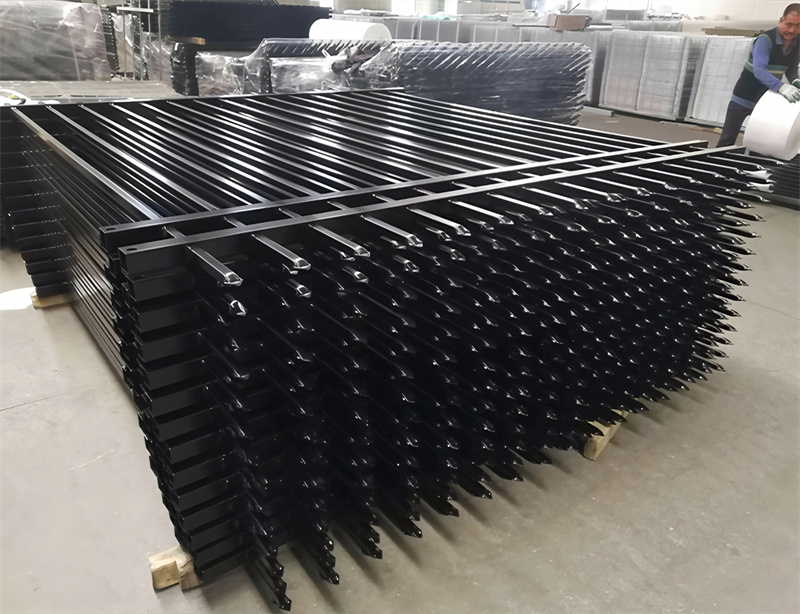
Welding and Connection Inspection Requirements
AS/NZS 1554.3 establishes specific inspection protocols for welded fence components, with requirements varying based on the structural importance of the connection. For non-structural decorative elements, visual inspection may be sufficient, checking for appropriate weld size, profile, and absence of visible defects such as cracks, porosity, or undercutting.
For structural connections such as post-to-rail joints or gate hinges, more rigorous inspection may be required, potentially including measurement of weld dimensions, verification of penetration, and in some cases, non-destructive testing methods such as magnetic particle inspection or ultrasonic testing for critical applications. These inspections must be performed by qualified personnel with appropriate training and certification.
Common welding defects in steel fencing include insufficient throat thickness, which reduces the effective strength of the connection; incomplete fusion, where the weld material fails to properly bond with the base metal; and excessive porosity, which creates weaknesses within the weld structure. These defects are typically remedied by grinding out the defective weld and reapplying properly, with subsequent re-inspection to verify the correction.
Quality assurance for fence installations requires systematic documentation, including weld maps identifying the location and type of each connection, inspection records detailing the tests performed and results obtained, and certification of compliance with relevant standards. This documentation becomes part of the permanent record for the installation and may be required for warranty validation or future modification approvals.
Maintenance Recommendations for Compliance
Maintaining compliance throughout the service life of a steel fence requires routine inspections at intervals appropriate to the environment and application. For standard installations in benign environments, annual inspections may be sufficient, while fences in corrosive environments or safety-critical applications such as pool barriers should be inspected at least quarterly.
These inspections should follow a structured checklist that includes examining structural components for signs of corrosion or mechanical damage, verifying that all fasteners remain secure and properly tensioned, checking moving parts such as gates for proper operation, and confirming that protective coatings remain intact. Any identified issues should be categorized by severity and addressed according to an appropriate timeline based on safety implications.
Corrosion inspection is particularly important for maintaining long-term compliance. The inspection should identify early indicators such as white rust (zinc oxide) on galvanized surfaces, which signals that the protective coating is being consumed but the base metal remains protected. When red rust (iron oxide) appears, immediate action is required as this indicates that the protective coating has been breached and the structural steel is actively corroding.
Proper maintenance procedures for galvanized coatings include cleaning with mild detergent to remove accumulated dirt and environmental contaminants, touch-up of damaged areas with zinc-rich paint or cold galvanizing compound, and reapplication of protective topcoats when original coatings begin to deteriorate. These maintenance activities should be documented, with records maintained for the life of the installation to demonstrate ongoing compliance with durability requirements.
Conclusion: Mastering AS/NZS Steel Fence Compliance
Australian and New Zealand steel fencing markets are governed by harmonized AS/NZS standards ensuring safety, durability, and legal compliance. This regulatory framework creates a cohesive approach across both countries, allowing manufacturers and contractors to work within a single set of guidelines while ensuring consistent quality and performance for end-users. The deliberate harmonization of these standards represents a significant advantage for industry participants by reducing regulatory complexity and creating a unified market.
Understanding structural requirements, corrosion protections, pool fencing laws, and certification processes is essential for successful project delivery and market entry. These elements form an interconnected system where failure to address any single component can compromise the entire installation. By approaching compliance holistically—considering not just individual standards but how they interact in practical applications—stakeholders can navigate the regulatory landscape more effectively and achieve better outcomes.
Adhering to installation tolerances and regularly maintaining fences prolong their lifespan and secures compliance certification. This lifecycle approach recognizes that compliance is not a one-time achievement but an ongoing commitment throughout the service life of the installation. By implementing appropriate inspection and maintenance protocols, owners and operators can protect their investment while ensuring continued safety and regulatory conformity.
Stay updated with evolving AS/NZS standards and consult qualified professionals to ensure your steel fencing projects meet 2025 regulatory demands. The standards landscape continues to evolve in response to new technologies, changing environmental conditions, and emerging safety concerns. Working with knowledgeable professionals who maintain current awareness of these developments is the most effective strategy for navigating this complex but essential aspect of the steel fencing industry.
Frequently Asked Questions
What are the main AS/NZS standards regulating steel fences in Australia?
The primary standards are AS 3995-1998 for chain-link and welded mesh fences, which covers wire gauge, mesh size, and post spacing requirements. AS/NZS 1554 governs structural steel welding with specific inspection protocols for fence fabrication. AS/NZS 3678 addresses steel fence post manufacturing and testing requirements. AS/NZS 1170 series defines structural loadings and wind classifications for safety assessment, while AS/NZS 2311 and 2312 establish corrosion protection requirements through galvanizing specifications. For pool fences, AS 4687 provides comprehensive safety requirements including barrier heights, materials, and gate specifications.
How does AS/NZS 1170 define wind load requirements for steel fencing?
AS/NZS 1170.1 categorizes Australia and New Zealand into wind zones (A through D) with corresponding design wind speeds. The standard applies region-specific wind pressures that fencing must withstand based on these classifications. Calculations incorporate factors such as fence height (taller fences experience greater wind loads), terrain category (open areas have higher wind exposure), shielding effects from nearby structures, and topographical factors like hill amplification. The standard requires safety factors typically ranging from 1.2-1.5 to be applied to calculated loads, and various load combinations must be evaluated to determine the governing design case.
What corrosion category should I consider for coastal steel fences?
Coastal steel fences should be designed for corrosion category C5 (High – Marine/Coastal) as defined in AS/NZS 2312. This category requires minimum zinc coating weights of 275 g/m² or greater, with premium installations often specifying Z600 (600 g/m²) galvanizing. For locations within 200m of breaking surf or in direct salt spray zones, additional protective measures such as duplex systems (galvanizing plus powder coating) should be considered. Regular maintenance is critical in these environments, with quarterly inspections recommended to identify early signs of coating deterioration and address them before structural integrity is compromised.
Are AS/NZS certified steel fences accepted in both Australia and New Zealand?
Yes, steel fences certified to AS/NZS standards or New Zealand-specific NZS standards can be installed in both countries without requiring additional local approvals. This trans-Tasman recognition is a key advantage of the harmonized standards approach, creating a unified market of approximately 30 million consumers. The certification must be current and issued by an accredited conformity assessment body recognized under the Joint Accreditation System of Australia and New Zealand (JAS-ANZ). Products must bear appropriate certification marks and be accompanied by conformity documentation including either a formal certificate or a supplier’s declaration of conformity.
What documentation is required to prove steel fence compliance for market entry?
Market entry requires a conformity certificate issued by an accredited certification body or a supplier’s declaration of conformity that formally attests the product meets all relevant standards. These documents must reference specific AS/NZS standards applicable to the product and be supported by test reports from recognized laboratories. Products must carry the ANZ certified mark permanently affixed and visible during normal use. Additional documentation includes detailed product specifications, installation instructions that ensure compliance when followed correctly, and for imported products, evidence of meeting biosecurity requirements for any packaging or non-metal components.
How do AS 4687 pool fence regulations affect fence installation?
AS 4687 mandates minimum barrier heights of 1200mm from finished ground level, maximum ground clearances of 100mm, and vertical member spacing not exceeding 100mm to prevent children from squeezing through. The standard creates a 900mm non-climbable zone on the outside of the fence, prohibiting horizontal members that could serve as footholds. Gates must be self-closing from any position, self-latching with mechanisms at least 1500mm above ground level, and swing away from the pool area. These requirements significantly constrain design options, eliminating certain decorative elements and requiring careful site preparation to maintain compliant dimensions across the entire installation.
What are common installation tolerances for steel fence posts?
Standard installation tolerances for steel fence posts include spacing variations of ±10mm for spans up to 2.4m and height variations of ±5mm for critical applications like pool fencing. Vertical alignment typically allows maximum deviation of 3mm per meter height from plumb. Foundation depths must achieve minimum embedment requirements based on fence height and wind category, typically ranging from 600mm for standard residential fences to 900mm or more for tall or exposed installations. Post alignment in straight runs should maintain a consistent line with maximum deviation of 5mm over a 10m length, while corner posts must be precisely positioned to maintain fence geometry and structural integrity.
Which Australian trade associations support steel fencing industry compliance?
Key industry bodies include the Australian Steel Institute (ASI), which provides technical guidance on structural aspects and material selection; the Galvanizers Association of Australia (GAA), offering specialized resources on corrosion protection and coating specifications; and the Swimming Pool and Spa Association of Australia (SPASA) for pool fence compliance. Additionally, the Fencing Industry Association provides contractor training and certification programs, while the Australian Institute of Building Surveyors offers resources on regulatory compliance and inspection protocols. These organizations provide members with technical publications, professional development opportunities, regulatory updates, and representation in standards development processes.


